

In an era defined by demanding schedules and the pursuit of optimal health, the scientific consensus increasingly points towards compound exercises as the cornerstone of highly effective and time-efficient fitness regimens. These multi-joint movements, engaging numerous muscle groups simultaneously, offer a robust solution for individuals aiming to elevate their physical conditioning, enhance functional strength, and achieve comprehensive fitness goals with remarkable expediency. Far from being a niche concept, compound training represents a fundamental principle in exercise physiology, consistently demonstrated to deliver superior results compared to isolated muscle work.
The Biomechanics of Efficiency: Compound Versus Isolation
At its core, exercise can be broadly categorized into two types: isolation and compound. Isolation exercises, such as bicep curls or triceps extensions, are designed to target and articulate a single joint and primarily engage one specific muscle group. While they have their place in bodybuilding for sculpting individual muscles or in rehabilitation for specific muscle activation, their scope is limited.
Conversely, compound exercises involve the movement of two or more joints and the activation of multiple muscle groups in a coordinated fashion. Think of a squat, which mobilizes the hip, knee, and ankle joints, simultaneously engaging the quadriceps, hamstrings, glutes, core, and even the spinal erectors for stabilization. This multi-faceted engagement is precisely what underpins their profound efficiency and effectiveness. From a biomechanical perspective, compound movements mimic natural human movement patterns – pushing, pulling, squatting, hinging, and carrying – thereby building strength and coordination that directly translates to daily life activities and athletic performance.
A Deeper Dive into the Multifaceted Benefits
The advantages of integrating compound exercises into a fitness routine are extensive and scientifically well-documented, extending beyond mere calorie expenditure to encompass a holistic improvement in physical health.
Unparalleled Time-Efficiency and Metabolic Boost: One of the most compelling arguments for compound exercises is their superior efficiency. By recruiting a larger volume of muscle mass per movement, they demand significantly more energy from the body. This translates to a higher immediate calorie burn during the workout and a more pronounced post-exercise oxygen consumption (EPOC), often referred to as the "afterburn effect." Studies, including those referenced by organizations like the American Council on Exercise (ACE), consistently indicate that high-intensity compound routines can lead to substantially greater caloric expenditure and metabolic elevation than an equivalent duration of isolation training. The claim that compound exercises can be up to 3.5 times more effective than traditional isolated workouts, particularly for metabolic conditioning and fat loss, underscores their powerful impact on the body’s energy systems. This makes them an ideal choice for time-constrained individuals seeking maximum return on their exercise investment.
Enhanced Functional Strength and Injury Prevention: Functional strength refers to the ability to perform real-world movements and activities efficiently and safely. Compound exercises excel in developing this by training muscles to work synergistically, much as they do outside the gym. Lifting a child, carrying groceries, climbing stairs, or performing complex athletic maneuvers all require coordinated effort from multiple muscle groups. By strengthening these integrated movement patterns, compound exercises improve overall body control, stability, and balance, significantly reducing the risk of injuries in both daily life and sporting activities. This foundational strength is crucial for long-term physical autonomy and quality of life.
Potent Hormonal Response: The substantial physiological demand imposed by compound movements triggers a more robust release of anabolic hormones such, as testosterone and growth hormone. These hormones are vital for muscle protein synthesis, fat metabolism, and bone density. A greater hormonal response fosters an optimal internal environment for muscle growth, tissue repair, and overall body recomposition, leading to more pronounced and sustainable physical adaptations. This hormonal advantage is largely absent in isolation exercises, which do not elicit the same systemic physiological stress.
Improved Cardiovascular Health: While often associated with strength training, many compound exercises, especially when performed in a circuit or with minimal rest, elevate the heart rate significantly, providing a potent cardiovascular workout. This contributes to improved endurance, stronger heart function, and better circulatory health, blurring the lines between traditional strength and cardio training. Exercises like burpees, squat jumps, or lunges performed dynamically can effectively challenge both the muscular and cardiovascular systems.
Increased Bone Density and Joint Stability: The weight-bearing nature of many compound exercises, particularly those involving the lower body and spine (e.g., squats, deadlifts), places beneficial stress on bones. This mechanical loading is a critical stimulus for osteogenesis, the process of bone formation, helping to increase bone mineral density and combat conditions like osteoporosis. Furthermore, by strengthening the muscles and connective tissues surrounding major joints, compound movements enhance joint stability, reducing susceptibility to sprains and strains.
Neuromuscular Coordination and Balance: Performing compound movements requires intricate coordination between the nervous system and multiple muscle groups. This constant demand for coordination refines proprioception (the body’s sense of its position in space) and improves inter-muscular and intra-muscular coordination, leading to better balance, agility, and overall motor control. This benefit is particularly valuable for athletes and older adults aiming to maintain mobility and prevent falls.
The Evolution of Fitness Science and Compound Movements
The understanding and application of compound movements have evolved significantly within the landscape of fitness science. Historically, foundational strength training disciplines like Olympic weightlifting and powerlifting have always centered on multi-joint exercises such as squats, deadlifts, and presses, recognizing their unparalleled ability to build raw strength and power.
In the mid-to-late 20th century, the rise of bodybuilding sometimes shifted focus towards isolation exercises for aesthetic purposes, emphasizing individual muscle hypertrophy. However, a resurgence of interest in functional fitness, high-intensity interval training (HIIT), and cross-training methodologies in the 21st century has firmly re-established compound movements as the bedrock of effective training. Leading organizations such as the American College of Sports Medicine (ACSM) and the National Strength and Conditioning Association (NSCA) consistently advocate for the prioritization of compound exercises in general fitness guidelines and athletic conditioning programs, citing their holistic benefits and efficiency. This shift reflects a broader scientific understanding that true fitness extends beyond isolated muscle development to encompass integrated strength, cardiovascular health, and functional capacity.
Key Compound Exercises for Comprehensive Development
A truly effective compound exercise regimen can be constructed with minimal or no equipment, making it accessible to a wide audience. The goal is to select movements that target major muscle groups across the entire body.
Lower Body Powerhouses:
- Squats (Bodyweight, Goblet, Barbell): Engaging the quadriceps, hamstrings, glutes, and core, squats are perhaps the most fundamental compound lower body exercise, essential for daily function and athletic prowess. Variations allow for progressive challenge.
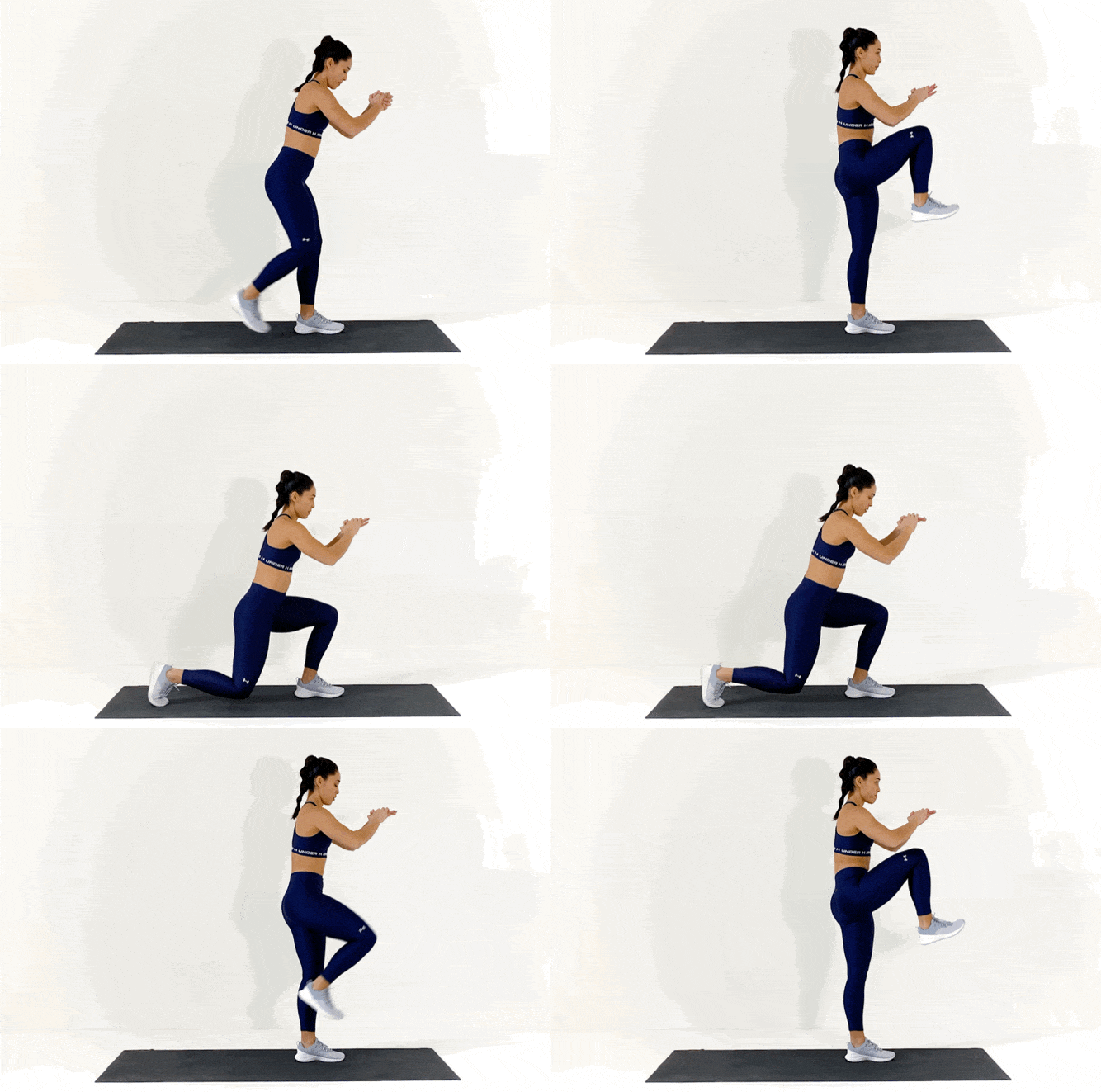
- Lunges (Forward, Reverse, Lateral): These unilateral (single-leg) movements significantly challenge balance and coordination while working the quads, hamstrings, and glutes, mirroring walking and running patterns. The "Reverse Lunge with a Knee Drive" specifically adds a dynamic element, incorporating cardio and explosive power.
- Deadlifts (Conventional, Romanian, Sumo, Kettlebell): A full-body posterior chain exercise, deadlifts are crucial for strengthening the glutes, hamstrings, lower back, and core. Even bodyweight or light-weight Romanian deadlifts can be highly effective for foundational strength.
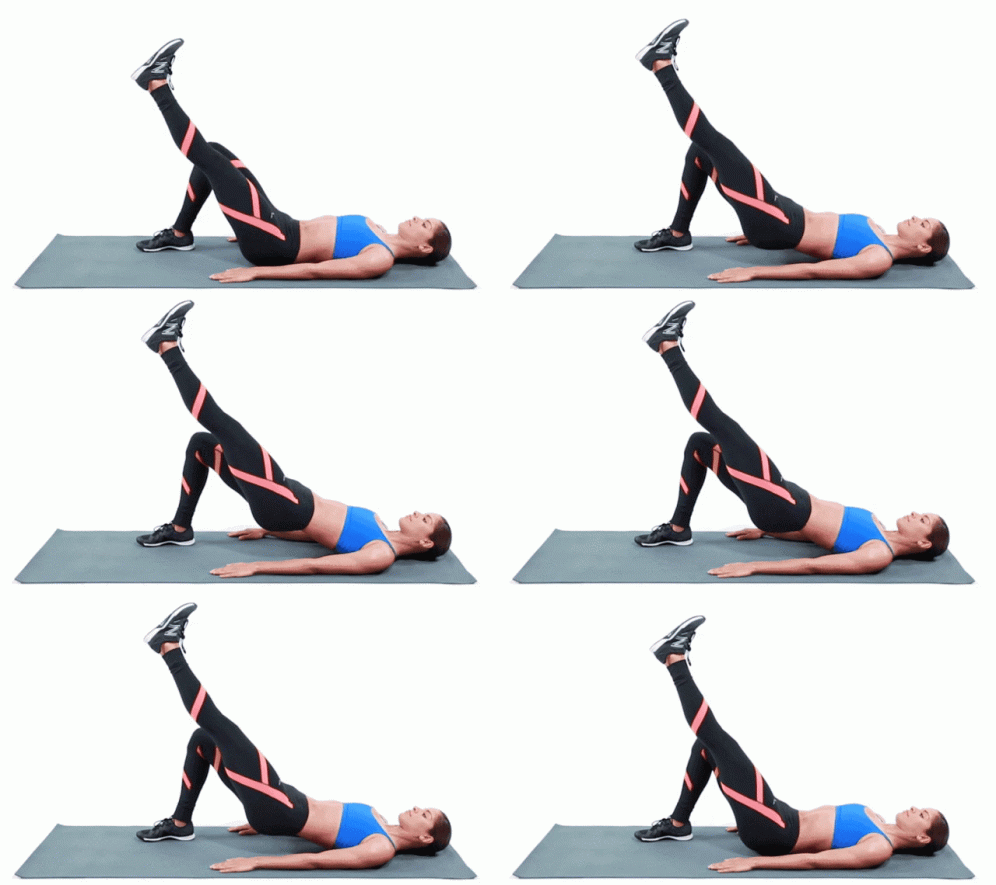
- Single-Leg Bridge: This exercise primarily targets the glutes and hamstrings while demanding significant core stability, making it excellent for unilateral strength and addressing muscle imbalances.
Upper Body and Core Integrators:
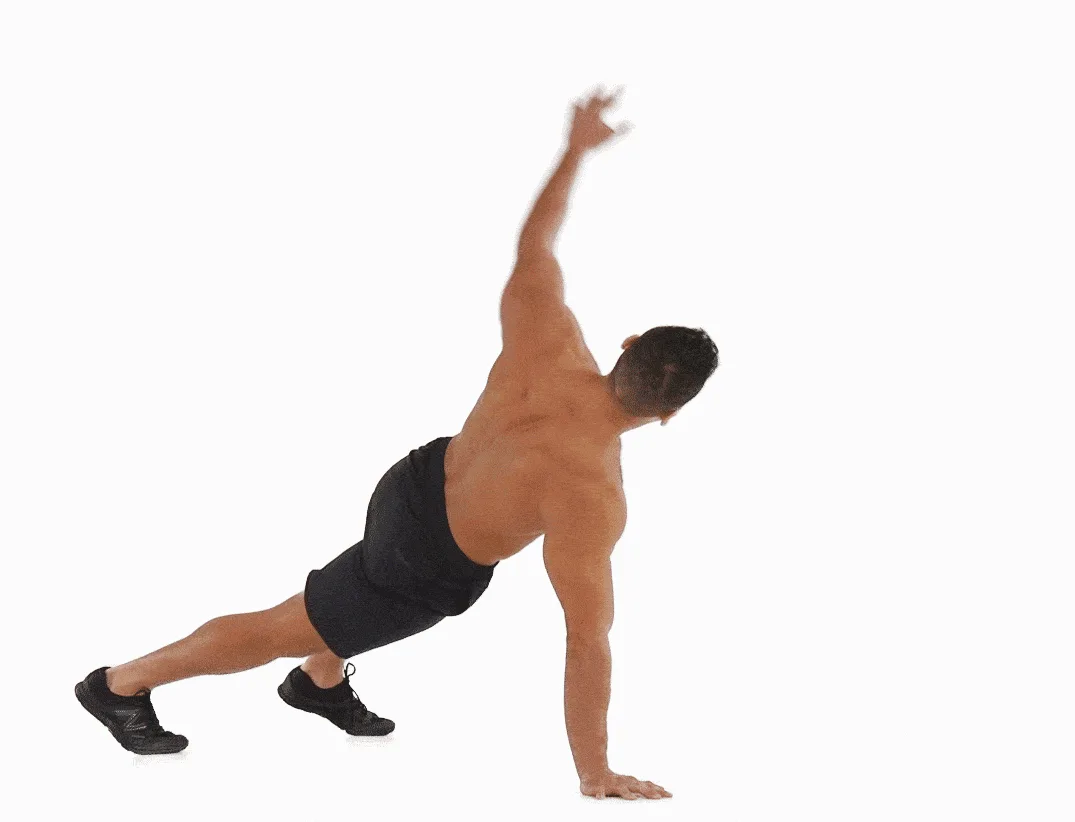
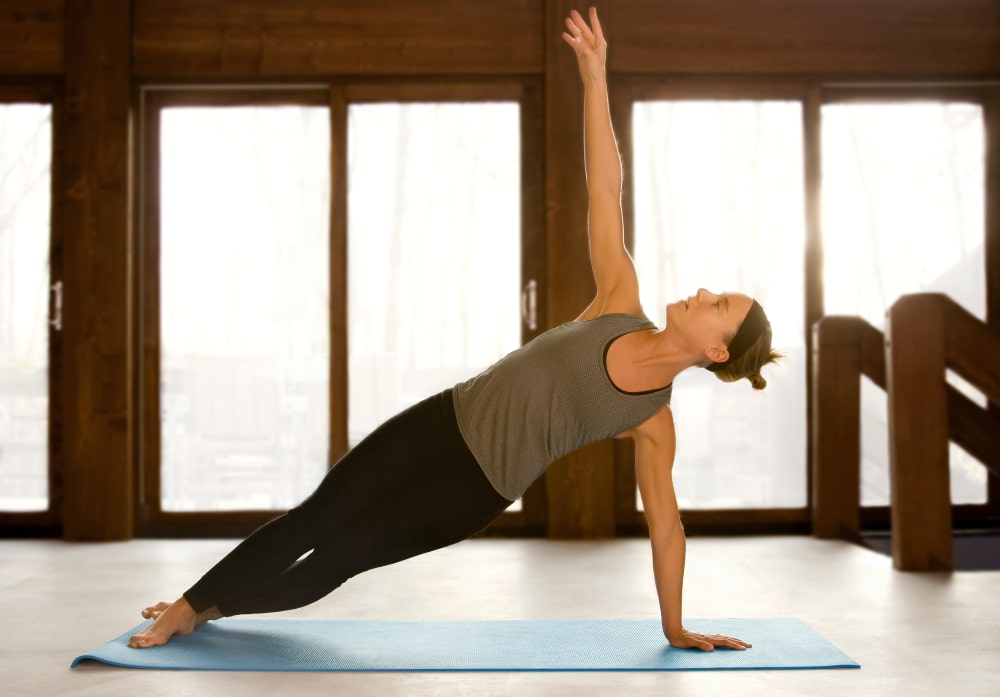
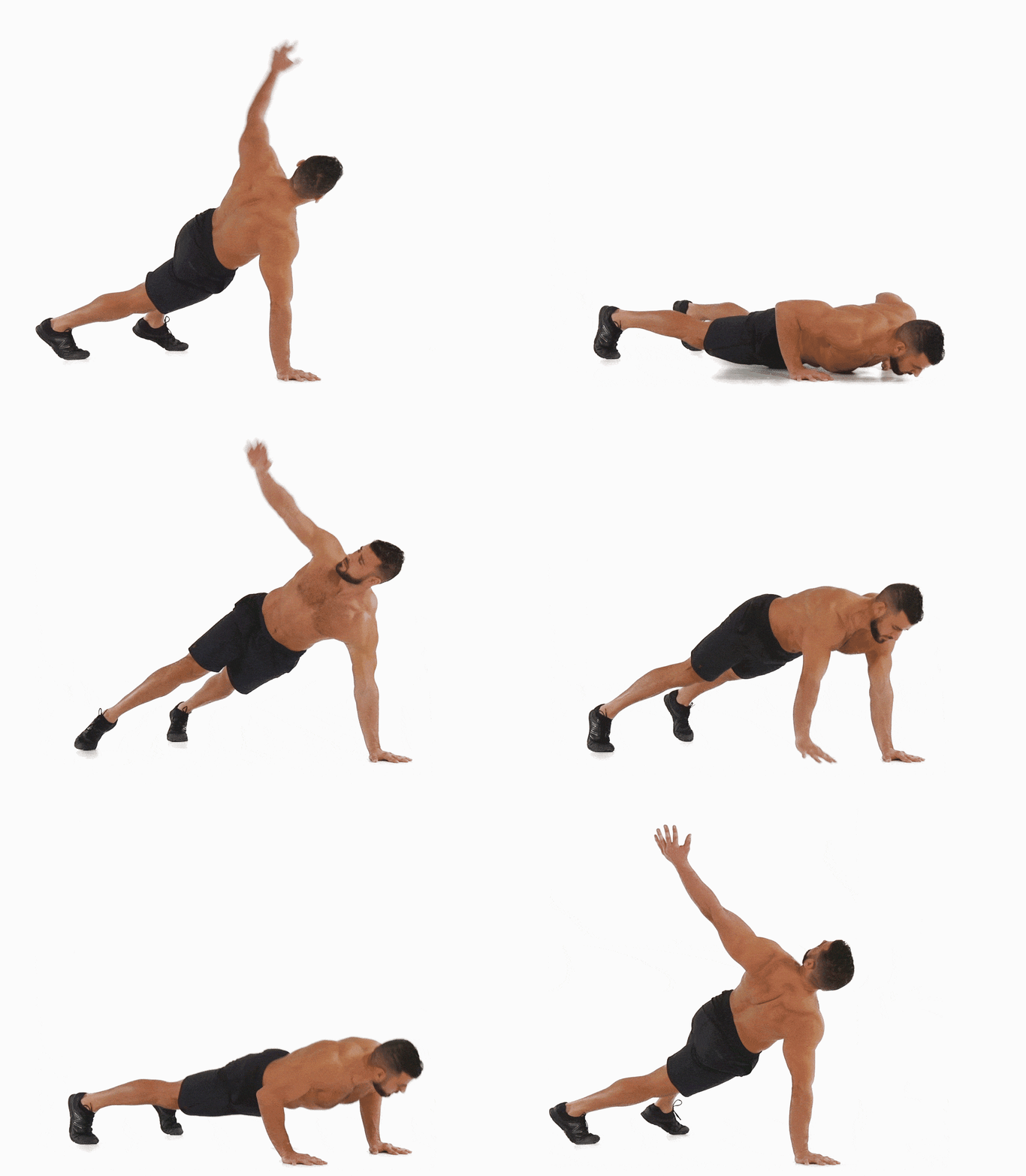
- Push-ups (and variations): A cornerstone upper body compound exercise, push-ups work the chest, shoulders, triceps, and core. Variations like incline, decline, or "Push-Up and Rotate" introduce additional challenges for stability and rotational core strength.
- Pull-ups/Chin-ups (or Inverted Rows): These are prime examples of upper body pulling compound movements, engaging the back (lats, rhomboids), biceps, and forearms. If traditional pull-ups are too challenging, inverted rows using a low bar or sturdy surface provide an excellent scalable alternative.
- Overhead Press (Dumbbell, Barbell, Kettlebell): Working the shoulders, triceps, and upper chest, the overhead press is vital for upper body pushing strength and shoulder stability.
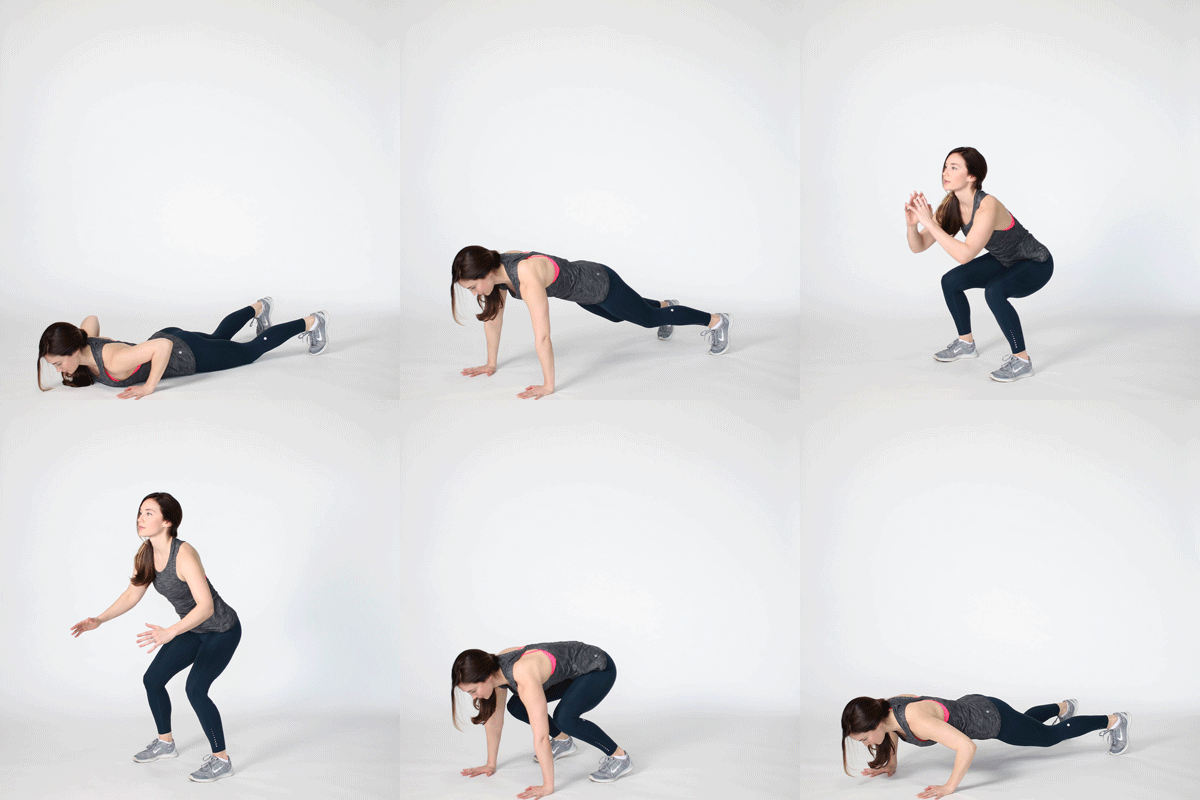
- Burpees: The ultimate full-body compound exercise, burpees combine a squat, push-up, and jump into one fluid motion, engaging virtually every major muscle group and providing an intense cardiovascular challenge. They are a testament to the power of bodyweight compound training.
Optimizing Your Compound Exercise Routine: Practical Considerations
To maximize the benefits of compound exercises, a structured approach is essential.
Progressive Overload: The principle of progressive overload dictates that to continue seeing results, the body must be subjected to increasingly greater demands over time. For compound exercises, this can involve increasing repetitions, sets, resistance (if using weights), reducing rest times, or increasing the complexity of the movement.
Integration into a Weekly Schedule: A balanced routine should incorporate compound movements that target all major muscle groups throughout the week. A full-body workout performed 2-3 times a week, focusing on a selection of upper body push/pull, lower body, and core compound movements, is highly effective for most individuals.
Warm-up and Cool-down: Proper preparation and recovery are paramount. A dynamic warm-up involving light cardio and movement-specific stretches prepares the muscles and joints for the demands of compound exercises. A cool-down with static stretching helps improve flexibility and aids in recovery.
Nutrition and Recovery: Optimal nutrition, providing adequate protein for muscle repair and carbohydrates for energy, coupled with sufficient sleep, is critical for supporting the intense demands of compound training and facilitating adaptation and growth.
Safety First: Mastering Form and Preventing Injury
Given the multi-joint nature and often heavier loads involved (whether bodyweight or external), proper form is not just about efficiency but, more importantly, about safety. Incorrect technique can place undue stress on joints, ligaments, and tendons, leading to injury.
Professional Guidance: For beginners, or anyone looking to refine their technique, working with a certified and experienced personal trainer is highly recommended. A trainer can observe form, provide real-time feedback, correct improper movements, and offer modifications or progressions tailored to individual capabilities. They can also help determine appropriate starting weights or resistance levels.
Start Light, Master Form: It is always advisable to begin with bodyweight versions of compound exercises and focus entirely on mastering the movement pattern before adding external resistance. Even with bodyweight, prioritizing controlled, deliberate movements over speed or high repetitions is crucial.
Listen to Your Body: Differentiating between muscle fatigue and joint pain is vital. While compound exercises are challenging, sharp or persistent pain is a warning sign that should not be ignored. Adjusting the exercise, reducing intensity, or seeking professional advice is necessary in such instances.
Gradual Progression: Avoid the temptation to increase weight or complexity too quickly. Progressive overload should be a gradual, systematic process that allows the body to adapt safely and effectively.
Broader Implications for Public Health and Fitness
The emphasis on compound exercises carries significant implications for public health. In a world grappling with rising rates of sedentary lifestyles and associated chronic diseases, the accessibility and efficiency of bodyweight compound movements offer a powerful tool for promoting physical activity. They break down barriers to entry, as they often require no specialized equipment or gym membership, making them feasible for home workouts.
Furthermore, by fostering functional strength and improving balance and coordination, compound exercises play a critical role in healthy aging, helping older adults maintain independence, prevent falls, and sustain a high quality of life. For younger populations, they lay the foundation for athletic development and lifelong fitness adherence by building a resilient, capable body.
In conclusion, the scientific community and leading fitness professionals overwhelmingly endorse compound exercises as the most effective and efficient method for achieving comprehensive fitness goals. Their ability to simultaneously build strength, boost metabolism, enhance cardiovascular health, improve functional capacity, and promote hormonal balance makes them an indispensable component of any serious training regimen. By embracing these powerful movements, individuals can not only transform their physiques but also significantly improve their overall health, vitality, and quality of life, proving that the most direct path to fitness often lies in movements that are both fundamental and functionally integrated.
Sources:
- Andrews, E. (2015). 5 Compound Exercises You Should Add to Your Workout. American Council on Exercise (ACE) Fitness.
- Garber CE, et al. (2011). Quantity and Quality of Exercise for Developing and Maintaining Cardiorespiratory, Muscular, and Neuromotor Fitness in Apparently Healthy Adults: Guidance for Prescribing Exercise. Medicine & Science in Sports & Exercise, 43(7), 1334-1359.
- Hwang-Bo Kak, et al. (2013). The effects of resistance training with different loads on muscle activation and hypertrophy in young men. Journal of Physical Therapy Science, 25(10), 1269-1271.
- American College of Sports Medicine (ACSM) position stands on resistance training and physical activity guidelines.

