

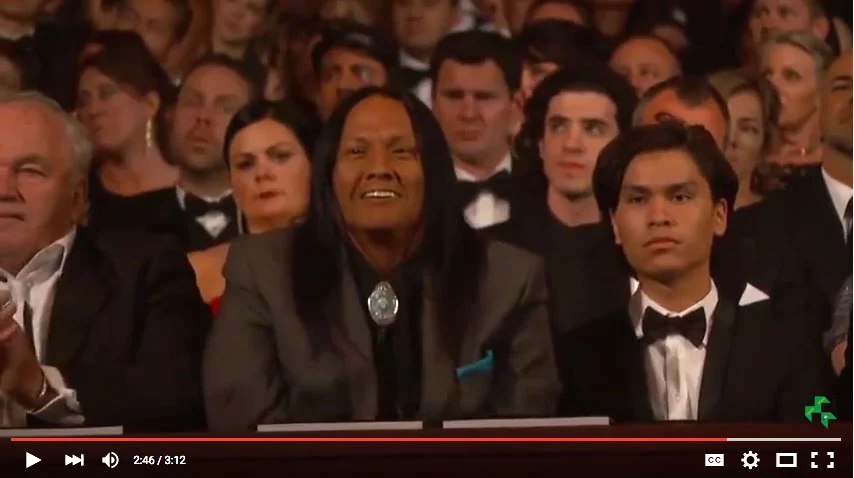
The early months of 2016 have delivered two significant media moments that have resonated deeply within the discourse surrounding climate change, offering potent calls to action and rays of optimism. The first, a highly anticipated acceptance speech at the Academy Awards, saw actor Leonardo DiCaprio leverage his platform to deliver a powerful and specific message on the escalating climate crisis. The second, a compelling TED Talk by former U.S. Vice President Al Gore, presented a nuanced case for optimism, highlighting progress and future possibilities in the fight against global warming. These interventions, emanating from prominent figures in different spheres, underscore the growing urgency and evolving nature of public engagement with environmental issues.
DiCaprio’s Oscar Speech: A Global Stage for Climate Action
Leonardo DiCaprio’s long-awaited Best Actor Oscar for his role in the harrowing survival film "The Revenant" provided an unexpected but profoundly impactful platform for environmental advocacy. Delivered on February 28, 2016, at the Dolby Theatre in Hollywood, DiCaprio’s acceptance speech transcended personal triumph, transforming into a fervent plea for collective action on climate change. His remarks, broadcast to an estimated 344 million viewers worldwide, marked a significant moment in celebrity activism, bringing the scientific consensus on climate change to a mainstream audience with an unprecedented level of directness.
Key Points from DiCaprio’s Speech:
- Direct Confrontation of Climate Change: DiCaprio unequivocally stated, "Climate change is real. It is happening right now. It is the most urgent threat facing our entire species." This direct framing aimed to cut through potential skepticism and emphasize the immediacy of the crisis.
- Call for Collective Action: He articulated a need for a global, unified response, stressing that individual actions, while important, must be complemented by systemic change. This suggests an understanding of the multifaceted nature of the problem, requiring governmental and corporate commitments.
- Specific Emphasis on Indigenous Voices: A particularly poignant segment of his speech highlighted the plight of Indigenous peoples, stating, "It is because of the artists and the politicians and the leaders of our time that have ignored this. It is because of the Indigenous peoples, who are the first to see the real cost of that destruction." He lamented that their "voices have been drowned out by the politics of greed." This inclusion brought attention to the disproportionate impact of climate change on vulnerable communities and their often-overlooked role as stewards of the environment.
- Personal Commitment: DiCaprio, who has a long-standing history of environmental advocacy through the Leonardo DiCaprio Foundation, pledged to continue his work, urging others to join the effort.
Background and Context:
DiCaprio’s win was widely anticipated, having garnered critical acclaim and numerous precursor awards. The Oscars, while primarily an entertainment event, have increasingly become a stage for social and political commentary. In an era where climate change was already a significant topic of scientific and policy debate, DiCaprio’s ability to command such a global audience, at a moment of personal professional peak, amplified his message exponentially. The film itself, "The Revenant," set in harsh, unforgiving natural landscapes, served as a symbolic backdrop to his urgent environmental message, highlighting humanity’s vulnerability in the face of nature’s power.
Al Gore’s TED Talk: A Vision of Optimism and Progress
Complementing DiCaprio’s urgent call to action, Al Gore’s TED Talk, delivered in early 2016 (specifically, it was released on February 17, 2016), offered a more measured yet equally compelling perspective. Titled "The Case for Optimism on Climate Change," Gore’s presentation acknowledged the severity and ongoing impacts of global warming but pivoted to an analysis of the significant progress being made and the tangible opportunities for future solutions. This approach aimed to combat climate fatigue and inspire hope by showcasing the momentum behind renewable energy and sustainable practices.
Key Elements of Gore’s TED Talk:
- Acknowledgement of Seriousness: Gore did not shy away from the gravity of the climate crisis, detailing its continuing effects and the profound challenges it presents. This grounding in reality lent credibility to his subsequent optimistic outlook.
- Highlighting Technological Advancements: A core theme of his talk was the rapid evolution and decreasing cost of renewable energy technologies, particularly solar and wind power. He presented data illustrating the exponential growth in these sectors, suggesting a viable transition away from fossil fuels.
- Shifting Political and Economic Landscapes: Gore discussed how economic incentives and policy shifts were beginning to align with climate action. He pointed to the growing divestment from fossil fuels and the increasing investment in green technologies as indicators of this change.
- Empowerment through Action: The underlying message was one of empowerment. By showcasing what is already being achieved, Gore sought to demonstrate that meaningful change is not only possible but is already underway, encouraging continued and amplified efforts.
- Vision for the Future: His talk painted a picture of a future powered by clean energy, characterized by innovation and a more sustainable relationship with the planet.
Background and Context:
Al Gore has been a leading figure in climate advocacy for decades. His 2006 documentary "An Inconvenient Truth" and subsequent Nobel Peace Prize in 2007 brought the issue of climate change to widespread public attention. His TED Talk represented a continuation of his lifelong commitment, adapting his message to reflect the evolving landscape of climate science, policy, and technology. The TED Talk format, known for its concise and engaging presentations, allowed Gore to distill complex information into an accessible and inspiring narrative, reaching a global audience interested in innovation and societal progress.
Supporting Data and Scientific Context
The messages delivered by DiCaprio and Gore are grounded in a substantial body of scientific evidence. The Intergovernmental Panel on Climate Change (IPCC), the leading international body for assessing climate change, has consistently reported on the warming trends and their impacts.
- Temperature Trends: Data from organizations like NASA and NOAA consistently show a significant upward trend in global average temperatures. The period leading up to 2016 was already marked by record-breaking warm years. For instance, 2015 was the hottest year on record globally, a trend that continued into 2016.
- Impacts of Climate Change: Scientific reports detail a range of observed impacts, including rising sea levels, more frequent and intense heatwaves, altered precipitation patterns, ocean acidification, and increased frequency of extreme weather events. These are the very realities that underscore the urgency of DiCaprio’s message.
- Growth of Renewable Energy: Gore’s optimism is supported by burgeoning data in the renewable energy sector. According to the International Renewable Energy Agency (IRENA), global renewable energy capacity saw substantial growth in the years preceding and following 2016. For example, solar photovoltaic (PV) capacity, in particular, experienced dramatic cost reductions and exponential deployment increases. In 2015, global solar PV capacity reached over 227 GW, a significant jump from previous years. Similarly, wind power capacity also saw consistent expansion.
- Paris Agreement (2015): The culmination of climate negotiations in Paris in December 2015, resulting in the Paris Agreement, provided a crucial backdrop to both these media events. This landmark agreement saw nearly all nations commit to limiting global warming to well below 2, preferably to 1.5 degrees Celsius, compared to pre-industrial levels. This global commitment, while facing implementation challenges, signaled a significant shift in international policy and provided a framework for collective action that DiCaprio alluded to and Gore’s optimism was partly built upon.
Broader Impact and Implications
The convergence of these two powerful messages from prominent figures in entertainment and public policy at the start of 2016 had significant implications:
- Elevated Public Awareness: DiCaprio’s high-profile advocacy on the world’s biggest entertainment stage undoubtedly raised the awareness of climate change among a vast audience, many of whom might not actively follow climate news. This direct, emotional appeal likely resonated more deeply than purely scientific reports for some segments of the population.
- Shifting the Narrative: Gore’s talk, by focusing on optimism and progress, offered a counter-narrative to the often-overwhelming sense of doom associated with climate change. This approach is crucial for sustaining long-term engagement and encouraging proactive solutions, preventing apathy.
- Empowerment of Marginalized Voices: DiCaprio’s specific mention of Indigenous peoples brought a critical intersectional perspective to the climate discussion. It highlighted that the impacts and solutions are not uniform and that the knowledge and rights of those most affected must be prioritized. This could foster greater dialogue and equitable approaches to climate policy.
- Influence on Policy and Investment: While direct policy changes cannot be solely attributed to these speeches, the amplified public discourse can influence political will and consumer behavior. Increased public demand for climate action can pressure governments to enact stronger policies, and growing awareness can drive investment towards sustainable businesses and technologies.
- Celebrity Activism’s Evolving Role: These events underscored the evolving role of celebrities in public discourse. When used responsibly and with a foundation in factual information, celebrity platforms can be powerful tools for raising awareness and mobilizing support for critical global issues.
In conclusion, the early months of 2016 witnessed two distinct but complementary media communications that significantly impacted the climate change conversation. Leonardo DiCaprio’s impassioned plea on the Oscars stage served as a stark warning and a call to immediate, collective action, particularly for the marginalized. Concurrently, Al Gore’s insightful TED Talk offered a beacon of hope, substantiating the progress being made and envisioning a tangible future driven by innovation and sustainable practices. Together, these moments provided a potent blend of urgency and optimism, reinforcing the scientific consensus and highlighting the multifaceted, global effort required to address the profound challenge of climate change.

