

A comprehensive review of scientific literature has illuminated the complex relationship between nut consumption and male sexual health, revealing both promising findings and areas requiring further investigation. While some studies suggest a beneficial impact of certain nuts on sperm quality and sexual desire, the evidence for direct improvements in erectile function remains nuanced, with some research pointing to a lack of significant effect in specific populations. The examination of this topic has also unearthed unusual case studies highlighting the varied ways in which "nuts" can intersect with penile health, albeit not always in a positive manner.
The initial interest in nuts and sexual function was significantly boosted by a 2013 study that garnered considerable attention. This research, published in the International Journal of Impotence Research, investigated the effects of pistachio consumption on men diagnosed with erectile dysfunction (ED). Participants who consumed approximately 100 grams of pistachios daily for three weeks reported a "significant improvement in erectile function." This finding was noteworthy for its demonstration of a tangible clinical outcome derived from a whole-food dietary intervention, prompting further exploration into the broader category of nuts and their potential impact on male reproductive and sexual health.
The Broad Spectrum of Nut-Related Research
The scientific exploration of nuts and their effects extends beyond human trials, encompassing animal studies that provide foundational insights into physiological mechanisms. For instance, research on hazelnuts has explored their influence on testicular antioxidant function and semen quality in male rats, both young and old. These studies, while not directly translatable to human outcomes, offer a glimpse into the potential biochemical pathways through which nut compounds might exert protective or enhancing effects on reproductive organs. The findings from such animal models, even when viewed in isolation, underscore the biological activity of nuts and their constituents.
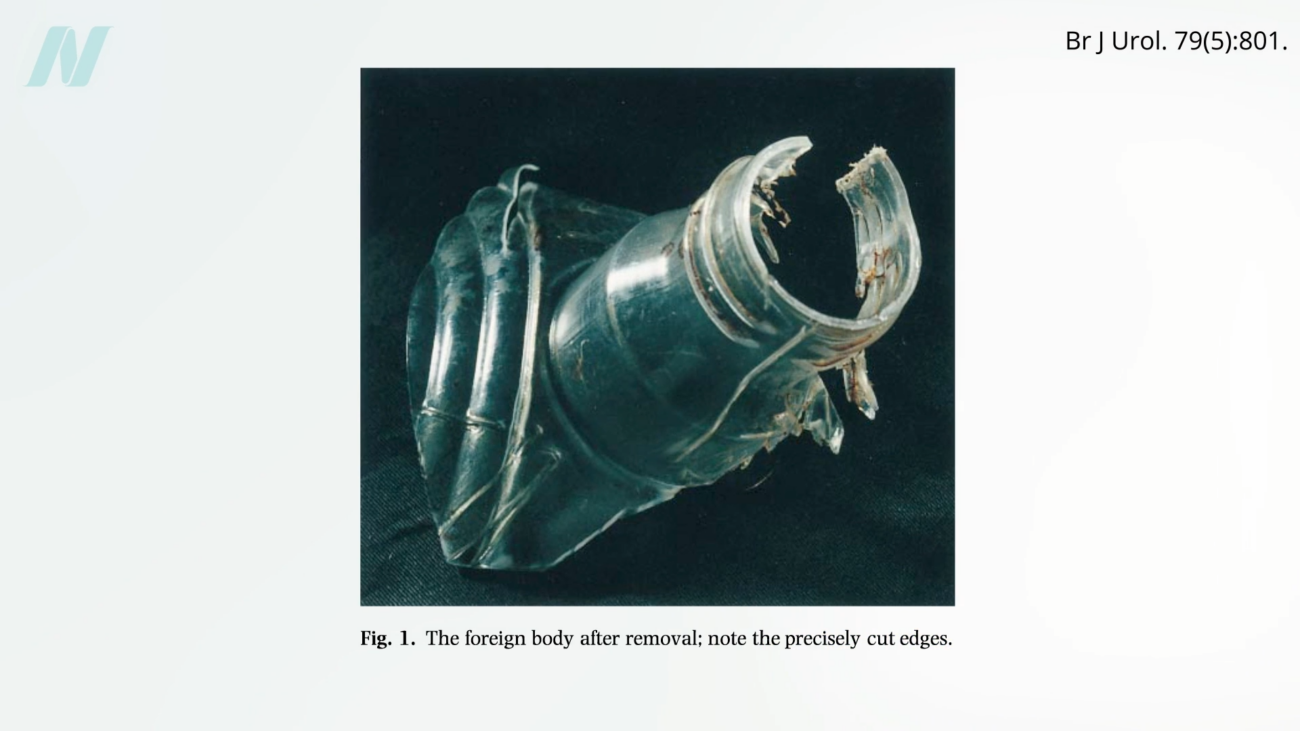
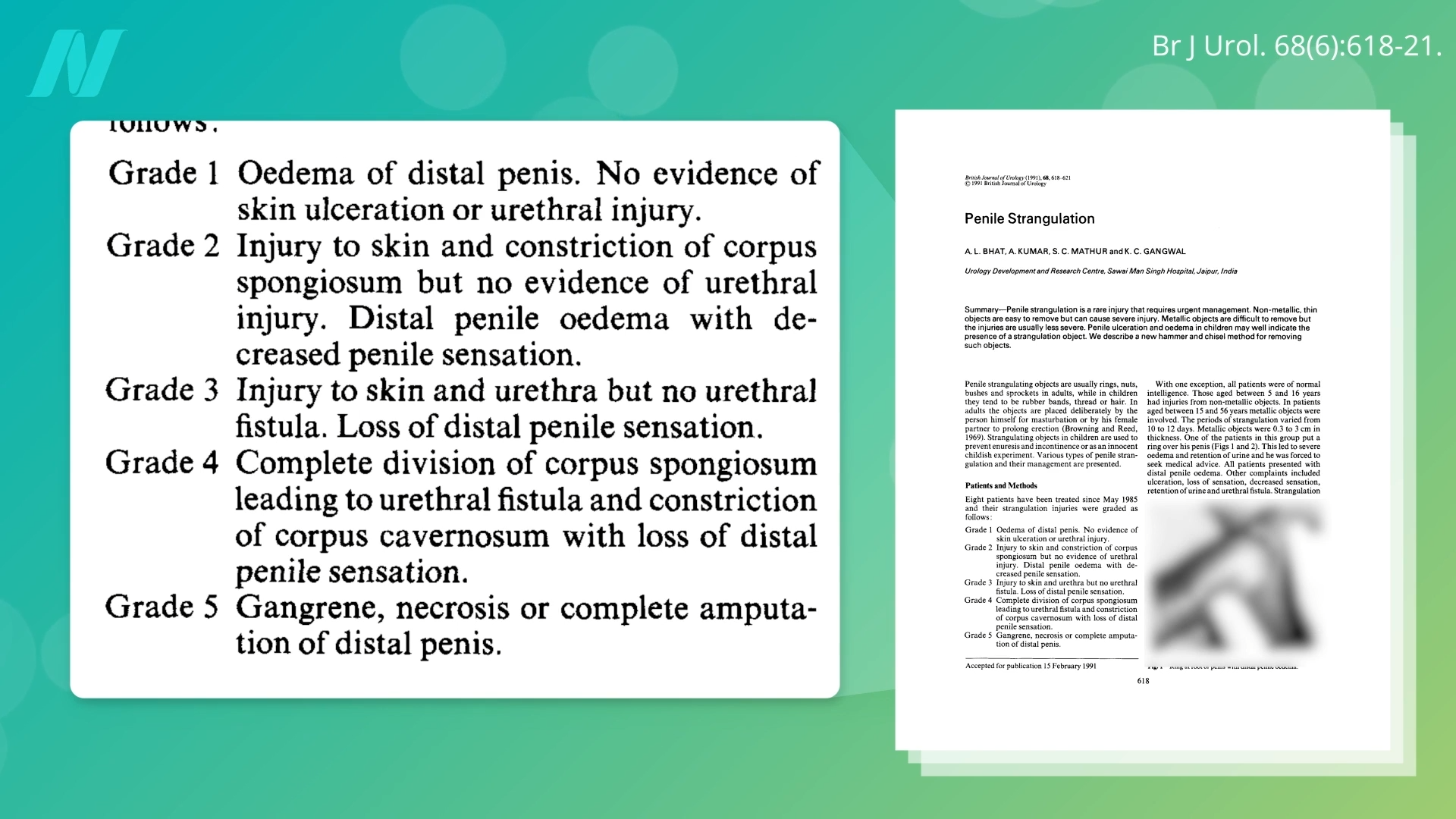
However, the search for scientific literature on nuts and sexual health can also yield unexpected and sometimes alarming results. One particularly striking case documented in the Urology Case Reports journal described a penile strangulation incident involving a metal hex nut. The individual reportedly used the nut for sexual pleasure but subsequently found himself unable to remove it. This incident necessitated emergency medical intervention, involving complex procedures to relieve pressure and ultimately remove the object. The case highlights the extreme, albeit rare, risks associated with certain practices and the critical role of medical expertise in managing such emergencies. The medical community has developed specific grading systems for penile entrapment to guide emergency room physicians, with documented procedures ranging from the use of dental drills to more rudimentary tools like hammer and chisel in situations where specialized equipment is unavailable.
Further illustrating the challenges faced by medical professionals, another case involved the entrapment of a penis with an iron barbell or steel sledgehammer head. The removal of such objects required the use of heavy-duty air grinders, a process that took several hours and necessitated protective measures for the patient due to sparks generated by the cutting. These extreme scenarios, while not directly related to the dietary consumption of nuts, underscore the diverse and sometimes perilous intersections of "nuts" and penile health. The medical literature in this area, therefore, reflects a spectrum from beneficial dietary interventions to critical emergency interventions.

Dietary Nuts and Erectile Dysfunction: Emerging Evidence
Shifting back to the dietary aspect, observational studies have suggested a correlation between nut consumption and a reduced likelihood of ED. A cross-sectional study indicated that consuming at least one serving of vegetables daily and more than two servings of nuts weekly was associated with a greater than 50% decrease in the probability of experiencing ED. However, such observational data, while suggestive, cannot establish a causal relationship. It is plausible that individuals who regularly consume nuts and vegetables may also engage in other healthy behaviors, such as regular exercise, which independently contribute to improved sexual function. This highlights the need for rigorously designed interventional trials to confirm direct causal links.
A Randomized Controlled Trial on Nut Consumption and Semen Quality
To address the limitations of observational studies, a randomized controlled trial (RCT) was conducted to specifically investigate the impact of nut consumption on semen quality and functionality. In this study, healthy men were assigned to either a control group following a standard American diet or an intervention group whose diet was supplemented with a mixture of nuts. The intervention group consumed approximately 30 grams of walnuts and 15 grams each of almonds and hazelnuts daily.
The results of this RCT were significant. Participants in the nut-consuming group demonstrated marked improvements in several key parameters of semen quality, including total sperm count, sperm vitality, motility, and morphology. A particularly noteworthy finding was the significant reduction in sperm DNA fragmentation (SDF) among the men who consumed nuts. This suggests that the nuts provided a protective effect on sperm DNA, a crucial factor for male fertility.
Examining the Impact on Erectile and Sexual Function
While the primary focus of the RCT was semen quality, the researchers also assessed the effects of nut consumption on erectile and sexual function. The findings in this area were more complex. The study reported a "significant increase in orgasmic function and sexual desire" among the men in the nut group. However, when it came to erectile function, intercourse satisfaction, and overall sexual satisfaction, the study found no significant improvements.
The reporting of these results has been subject to scrutiny, particularly due to the partial funding of the study by the International Nut and Dried Fruit Council. Critics have pointed to the selective emphasis on positive findings (orgasmic function and sexual desire) while downplaying the lack of improvement in erectile function. Furthermore, some of the reported statistically "significant" findings have been questioned for their clinical relevance and statistical robustness. This situation underscores the importance of transparency in research funding and the need for independent replication of findings.
Comparing Pistachios to Other Nuts: Age and Baseline Health
The discrepancy between the positive findings for pistachios in the 2013 study and the more limited effects observed for the mixed nuts in the later RCT can be partly attributed to the differences in the study populations. The original pistachio study involved men primarily in their 40s and 50s who had experienced chronic erectile dysfunction for at least one year. These individuals likely had pre-existing vascular issues that limited their erectile capacity, creating a greater potential for observable improvement with dietary intervention.
In contrast, the participants in the mixed-nut RCT were significantly younger, with an average age of 24. This younger cohort, presumably with healthier vascular systems and optimal circulation, may have had less room for improvement in their erectile function, even with the addition of nuts to their diet. This suggests that the benefits of nut consumption on erectile function might be more pronounced in older men or those with existing ED, rather than in young, healthy individuals.
Doctor’s Note and Future Directions
The exploration of nut consumption and male sexual health is an ongoing area of research. While the evidence for a direct impact on erectile function remains inconclusive, particularly in younger populations, the findings related to improved sperm quality and reduced DNA fragmentation are promising for male fertility. The case studies involving penile entrapment serve as a stark reminder of the diverse ways "nuts" can be involved in health outcomes, emphasizing the need for safe practices and informed decision-making.
Further research is warranted to:
- Clarify the dose-response relationship: Determine the optimal types and quantities of nuts for specific male sexual health outcomes.
- Investigate mechanisms of action: Elucidate the specific compounds in nuts responsible for any observed benefits and their physiological pathways.
- Conduct trials in diverse populations: Replicate studies in older men with ED and in populations with varying dietary habits and baseline health.
- Explore the synergistic effects of nuts with other foods: Examine how nut consumption interacts with other dietary components, such as fruits and vegetables, to influence sexual health.
The journey through the medical literature reveals a complex tapestry of findings, where whole foods can offer tangible health benefits, but the interpretation of research requires careful consideration of study design, population characteristics, and potential funding influences. As scientific understanding evolves, the role of nuts in supporting male reproductive and sexual well-being is likely to become clearer, potentially offering dietary strategies to enhance fertility and overall sexual health.
For those interested in further exploring the link between walnuts and arterial blood flow, a related video titled "Walnuts and Artery Function" provides additional insights. The broader implications of diet on fertility and sexual function continue to be a significant area of public health interest, with ongoing research seeking to provide evidence-based guidance for individuals looking to optimize their well-being.

