

The ab wheel rollout serves as a cornerstone of contemporary core conditioning, classified primarily as an anti-extension exercise designed to fortify the anterior core. While the tool itself is deceptively simple—a wheel with a central axle—the biomechanical demands of the movement require a sophisticated understanding of spinal neutrality and pelvic alignment. In the professional strength and conditioning community, the rollout is utilized not merely for abdominal hypertrophy but as a functional tool to teach athletes how to resist excessive lumbar extension under load. When executed with precision, the movement challenges the rectus abdominis, obliques, and serratus anterior while requiring significant stabilization from the latissimus dorsi and hip flexors. However, the efficacy of the exercise is frequently compromised by poor technical execution, necessitating a closer examination of proper form, common pitfalls, and strategic variations for different fitness levels.
The Biomechanics of Anti-Extension Training
To understand the value of the ab wheel rollout, one must first define the concept of anti-extension. In the context of kinesiology, anti-extension refers to the core’s ability to resist the arching of the lumbar spine. During a rollout, as the arms extend away from the center of gravity, the lever arm increases, creating a significant extension torque on the spine. The primary objective of the practitioner is to counteract this force using the anterior musculature.
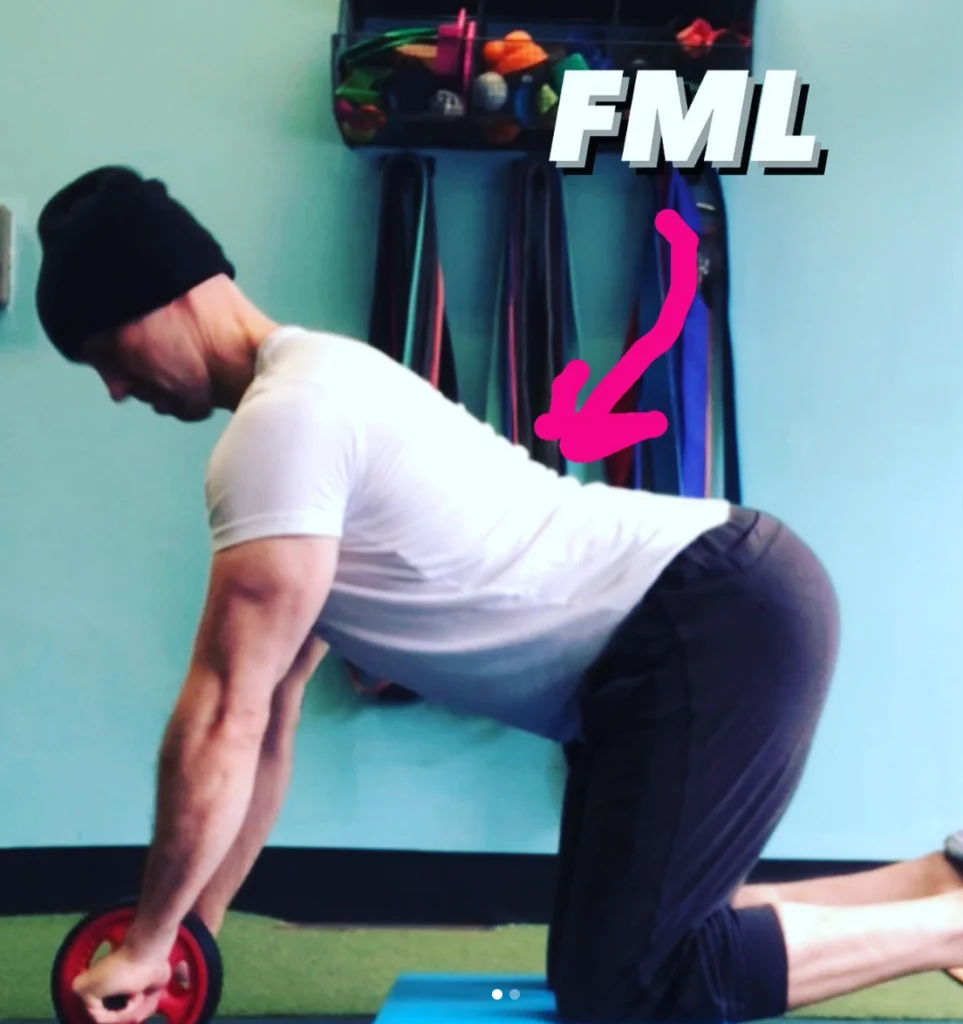
Biomechanical analysis suggests that the rollout is superior to traditional spinal flexion exercises, such as crunches or sit-ups, because it trains the core in its functional role as a stabilizer. According to data frequently cited in sports medicine, maintaining a "neutral" or slightly posterior pelvic tilt during the movement maximizes the recruitment of the deep stabilizing muscles while minimizing the shear force on the intervertebral discs. When an athlete allows the lower back to arch excessively—a common error known as anterior pelvic tilt—the tension shifts from the musculature to the passive structures of the spine, such as the facet joints and ligaments, significantly increasing the risk of lower back pathology.
Technical Standards and the Prevention of Lumbar Hyperextension
The prevailing methodology for the ab wheel rollout emphasizes a specific setup to ensure safety and maximal muscular engagement. Industry experts, including noted strength coach Tony Gentilcore, advocate for a "hollow body" starting position. This involves a slight flexion of the lumbar spine and a posterior pelvic tilt, often cued by the phrase "belt buckle toward the chin."
By starting in a position of slight posterior tilt, the practitioner creates a "buffer zone." As the wheel moves forward and gravity pulls the torso toward the floor, the spine naturally moves toward a neutral alignment. If the practitioner begins in a neutral or already arched position, the inevitable pull of gravity forces the spine into hyperextension at the point of maximum tension.
The technical execution can be broken down into three distinct phases:
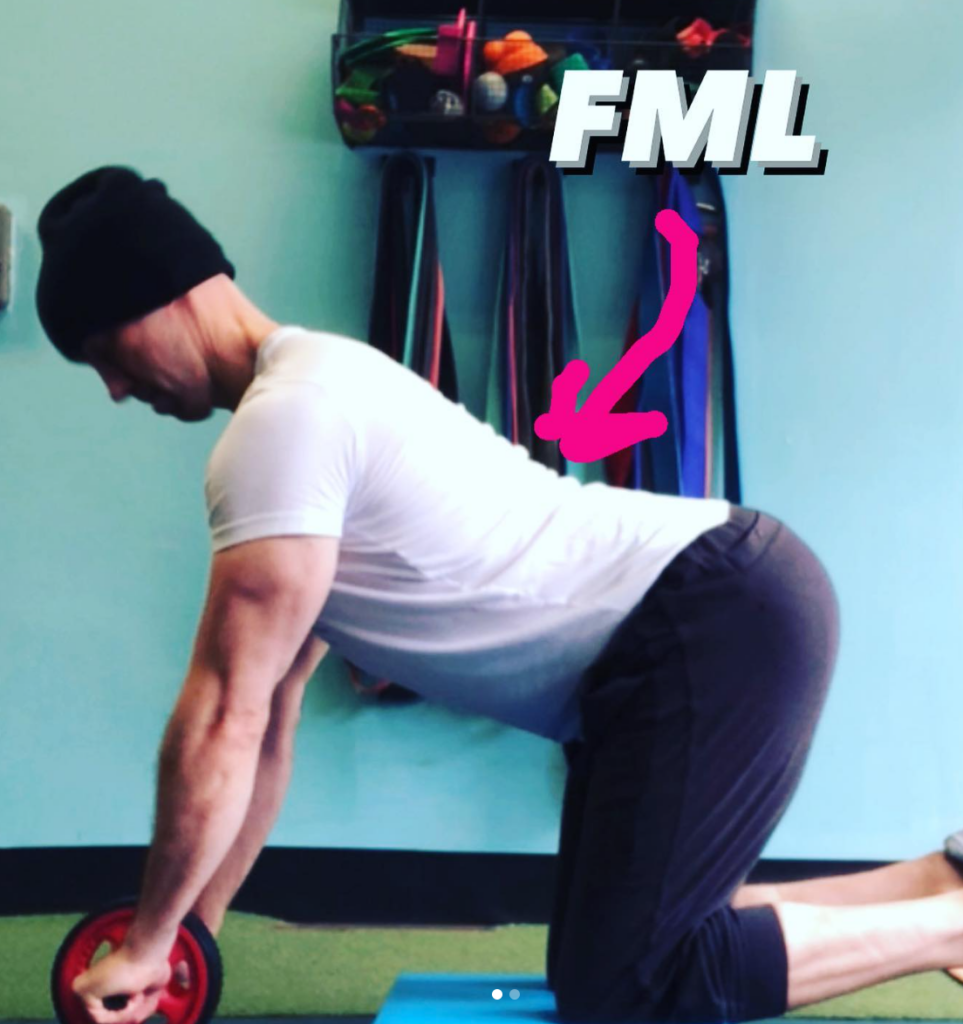
- The Initial Set-up: The practitioner kneels on a padded surface, gripping the wheel handles with the shoulders stacked directly over the axle. The glutes should be squeezed, and the ribcage "tucked" to engage the internal obliques.
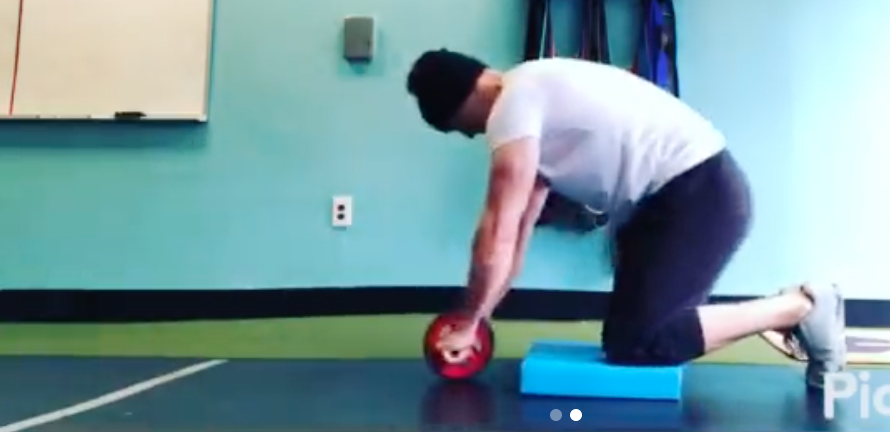
- The Descent (Eccentric Phase): The wheel is pushed forward in a controlled manner. The movement must originate from the hips and shoulders simultaneously; a common mistake is moving the hips backward while the arms move forward, which reduces the load on the core.
- The Recovery (Concentric Phase): Upon reaching the maximum range of motion where spinal neutrality can be maintained, the practitioner pulls the wheel back toward the knees using the abdominals and lats, avoiding the tendency to "lead" with the hips.
Evolutionary Timeline of Core Stabilization Research
The transition from spinal flexion to anti-extension training represents a significant shift in the fitness industry that began in the late 1990s and early 2000s. For decades, the "crunch" was the gold standard for abdominal training. However, research pioneered by Dr. Stuart McGill, a world-renowned expert in spine biomechanics, highlighted the potential dangers of repetitive spinal flexion, particularly under load.
By the mid-2010s, the "functional training" movement had largely adopted the ab wheel rollout as a preferred alternative. Data from electromyography (EMG) studies during this period indicated that the rollout produced higher levels of activation in the rectus abdominis and external obliques compared to the traditional plank or sit-up. This shift in the scientific literature prompted coaches to refine the rollout, moving away from "maximum distance" as a goal and toward "maximum tension with perfect alignment."
Strategic Regressions: The Incline Ab Wheel Rollout
Despite its effectiveness, the standard floor-based rollout presents a high barrier to entry. Many beginners lack the eccentric strength required to prevent the collapse of the lumbar spine as they approach the floor. To address this, the "Incline Rollout" has emerged as a primary regression.
In this variation, the wheel is rolled up an inclined surface, such as a weight bench or a custom-built ramp. The physics of the incline reduces the gravitational demand on the core at the end-range of the movement. By altering the angle of the torso relative to the ground, the practitioner can practice the "hollow body" mechanics with a reduced load. As strength improves, the angle of the incline is gradually decreased until the practitioner can safely perform the movement on a flat surface. This progressive approach ensures that the neuromuscular pathways for stabilization are established without exposing the lower back to premature stress.
Advanced Progressions: The Anchored Rollout and Reciprocal Inhibition
For advanced trainees, the "Anchored Ab Wheel Rollout" represents a significant evolution in core training. This variation, popularized by strength coach Mike Volkmar, involves anchoring the ankles against a resistance band or a stable structure. The primary mechanism at play here is the activation of the hamstrings.
From a physiological standpoint, the human body operates on the principle of reciprocal inhibition: when one muscle group (the agonist) contracts, its opposing muscle group (the antagonist) is neurologically signaled to relax. In a standard rollout, the hip flexors—specifically the psoas major—often become overactive. Because the psoas originates on the lumbar spine, its overactivity can pull the lower back into extension.
By "anchoring" the feet and engaging the hamstrings, the practitioner utilizes reciprocal inhibition to "turn off" or dampen the overactivity of the hip flexors. This allows for a purer isolation of the anterior core and provides a more stable platform for the pelvis. Professional athletes often report that this variation allows for a deeper range of motion without the "pinching" sensation in the lower back often associated with traditional rollouts.
Quantitative Analysis and Muscular Recruitment Patterns
Empirical data from sports science laboratories provides a clear picture of why these variations are effective. In comparative EMG studies, the ab wheel rollout consistently ranks in the top tier for "Upper Abdominal" and "Lower Abdominal" recruitment.
- Standard Rollout: High recruitment of rectus abdominis (approx. 80-85% of Maximum Voluntary Contraction).
- Incline Rollout: Scalable recruitment levels, typically starting at 40-50% MVC, making it ideal for rehabilitation or deconditioned populations.
- Anchored Rollout: Enhanced stability allows for sustained tension, potentially increasing the time under tension (TUT) by 20-30% compared to unanchored versions.
Furthermore, the involvement of the serratus anterior—often called the "boxer’s muscle"—is a critical byproduct of the rollout. The serratus helps protract the scapula, which is essential for shoulder health and stability. This makes the ab wheel rollout not just a core exercise, but a total-body integration movement.
Professional Responses and Industry Implications
The integration of these variations into mainstream fitness programming has met with widespread approval from physical therapists and performance coaches. The consensus among professionals is that the "all-or-nothing" approach to rollouts—where a trainee either performs a full floor rollout or does nothing at all—was a significant flaw in previous training cycles.
"The introduction of the incline and anchored variations allows for a continuum of care," notes a leading sports performance analyst. "We can now take a client from post-rehabilitation spinal stabilization all the way to elite-level anti-extension strength using the same fundamental movement pattern. It’s about meeting the athlete where their current capacity lies."
Moreover, the emphasis on pelvic control has broader implications for heavy compound lifting. The ability to maintain a posterior pelvic tilt and "ribs down" position during a rollout translates directly to the bracing required for heavy back squats and overhead presses. In this sense, the ab wheel is a diagnostic tool as much as a strengthening one; an athlete’s failure to maintain form on a rollout often predicts a failure to maintain spinal integrity during high-load movements.
Conclusion: The Future of Core Conditioning
As the fitness industry continues to move toward evidence-based practices, the ab wheel rollout stands as a testament to the importance of technical nuance over sheer intensity. The transition from the high-repetition, flexion-based core workouts of the past to the high-tension, anti-extension protocols of the present marks a significant advancement in injury prevention and athletic performance.
By utilizing regressions like the incline rollout and advanced techniques like the anchored rollout, practitioners can customize their training to suit their specific biomechanical needs. The goal remains constant: the development of a core that is resilient, stable, and capable of protecting the spine under any conditions. As research continues to evolve, it is likely that the ab wheel—once a simple "as seen on TV" gimmick—will remain a permanent fixture in the sophisticated landscape of modern strength and conditioning.

