

In a groundbreaking study that sheds critical light on the pervasive influence of modern dietary habits, the first randomized controlled trial specifically designed to isolate the effects of ultra-processed foods has demonstrated a compelling link between these manufactured edibles and increased caloric consumption and subsequent weight gain, even when matched for fundamental nutritional components. This landmark research, conducted by a team of nutrition scientists, challenges the notion that simply adjusting macronutrient profiles within ultra-processed items can mitigate their impact on human physiology.
Defining the "Ultra-Processed" Landscape
The term "ultra-processed food" has emerged as a critical concept in nutrition research, moving beyond informal descriptors like "junk food" to define a distinct category of food products. Unlike traditional whole or minimally processed foods, ultra-processed items are industrial formulations characterized by long ingredient lists that often extend far beyond basic components like salt, sugar, and fat. These formulations typically include artificial flavors, sweeteners, colors, emulsifiers, and a host of other additives designed to mimic the taste and texture of real foods or to mask undesirable qualities of the final product.
This scientific definition aligns closely with the "red light foods" concept in a traffic light dietary system, which advocates for minimizing intake of these highly processed items. The ubiquity of ultra-processed foods in contemporary diets is staggering. In the United States, a comprehensive assessment of over 200,000 food products revealed that a staggering 71% fall into the ultra-processed category. This dominance is not confined to the grocery aisle; these calorie-dense, nutrient-poor products are strategically placed in non-food retailers, gas stations, and even professional offices, creating an environment where constant exposure encourages consumption. The former head executive of Coca-Cola famously articulated this strategy as keeping soda within an "arm’s reach of desire," a sentiment echoed by a major candy brand’s boast of ubiquitous placement, regardless of location.
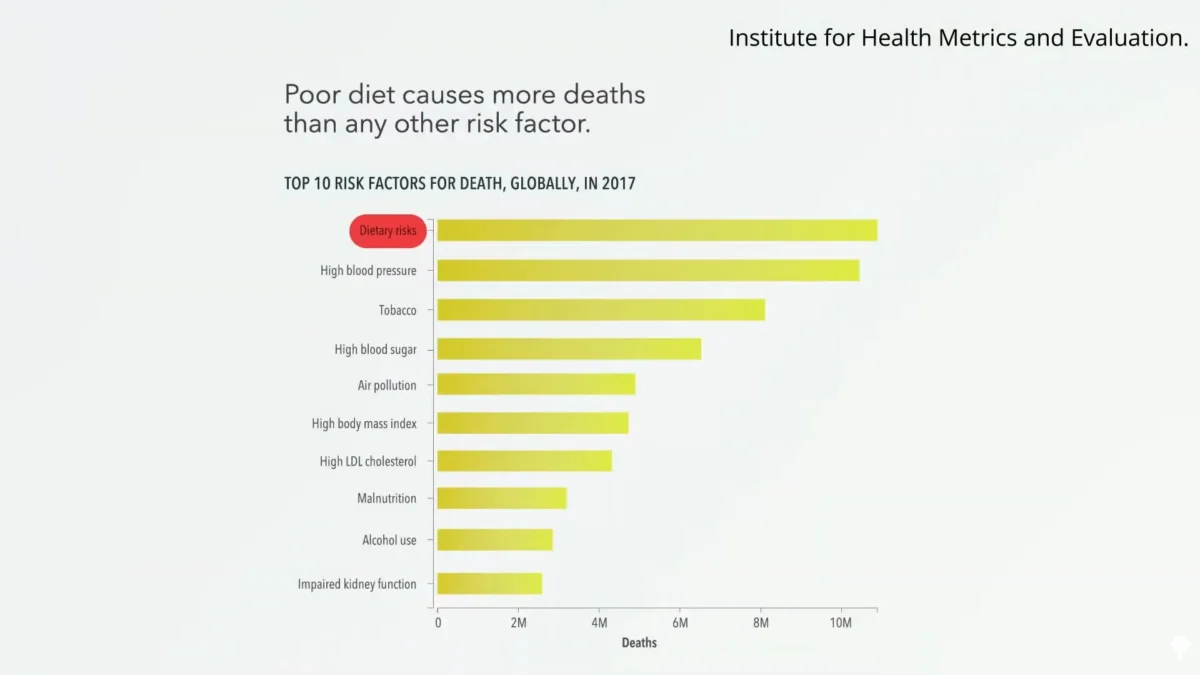
The implications for public health are profound. In the U.S., an estimated 56% to 70% of the daily caloric intake for children and adolescents comprises ultra-processed foods. On a broader scale, these foods consistently account for over 50% of dietary caloric intake in higher-income countries worldwide. This dietary trend is intrinsically linked to humanity’s leading cause of death: unhealthy diets. The World Health Organization and numerous health organizations have identified poor dietary patterns as the foremost modifiable risk factor for a vast spectrum of chronic diseases.
The Biological and Behavioral Impact of Ultra-Processed Foods
Pre-clinical studies, primarily involving laboratory rats, have provided early indicators of the adverse biological effects associated with ultra-processed foods. These studies have shown that exposure to such diets can lead to dramatic weight gain, systemic inflammation, and significant cognitive and metabolic abnormalities. The rise of ultra-processed foods has coincided with the recognition of binge eating disorder as a distinct eating disorder, now the most prevalent form. Crucially, research has identified that binge foods are overwhelmingly 100% ultra-processed. This is hardly surprising, as these foods are meticulously engineered to be hyper-palatable and difficult to consume in moderation, a stark contrast to whole foods like broccoli, which are rarely associated with binge eating.
The overwhelming consensus from epidemiological research points to a strong association between ultra-processed food consumption and adverse health outcomes. A substantial majority of studies—approximately nine out of ten—have found links between these foods and conditions beyond obesity, including various forms of cancer, cardiovascular diseases, type 2 diabetes, irritable bowel syndrome, depression, frailty, and increased all-cause mortality, indicating a shortened lifespan. For younger populations, studies have also identified a higher incidence of asthma and increased DNA damage associated with ultra-processed food intake. Critically, no study has reported a beneficial health outcome linked to the consumption of ultra-processed foods.

In stark contrast, populations that adhere to diets rich in minimally processed foods, with lower meat consumption and high fiber intake, exhibit significantly lower rates of chronic diseases, reduced obesity, and longer periods of disease-free living. However, the correlational nature of most of this research has left a critical question unanswered: can ultra-processing itself be definitively identified as the culprit, independent of other dietary and lifestyle factors?
The Randomized Controlled Trial: Isolating the Variable
To address this crucial question, researchers embarked on the first randomized controlled trial (RCT) specifically designed to assess the physiological impact of ultra-processed versus unprocessed diets. The study enrolled 20 participants who resided in a controlled hospital ward environment for a total of 28 days. Each participant was assigned to receive either an ultra-processed diet or an unprocessed diet for a period of 14 days, followed by a crossover to the other diet for another 14 days.
The innovative design of this trial was paramount. The key objective was to meticulously match the two dietary conditions for calories, sugar, fat, fiber, and overall macronutrient composition. This rigorous control was implemented in response to evolving industry practices where manufacturers were beginning to reformulate products, ostensibly to improve their nutritional profiles by adding fiber or reducing sugar and fat, while still retaining their ultra-processed nature. The researchers aimed to isolate the specific impact of ultra-processing by ensuring that participants consumed the same quantities of fundamental nutritional elements, regardless of the food’s origin or processing level.
To illustrate the meticulous nature of the dietary control, sample meals were provided. For breakfast in the ultra-processed phase, participants might have received Cheerios and a muffin, or an egg and cheese muffin with turkey bacon and orange juice. In contrast, the unprocessed breakfast option for the same caloric and macronutrient value would have been oatmeal with blueberries and almonds. Similarly, a lunch comparison might have featured a turkey sandwich with nonfat Greek yogurt, canned peaches, baked potato chips, and sugar-free Crystal Light lemonade in the ultra-processed group, versus a Southwest entrée salad with fresh ingredients like black beans, carrots, corn, avocados, nuts, grapes, and apples in the unprocessed group. Participants were instructed to eat as much or as little as they desired from the provided meals, allowing for natural variations in appetite and intake within the controlled conditions.
Groundbreaking Findings: Caloric Intake and Weight Discrepancies
The results of the trial were striking and provided definitive evidence for the independent impact of ultra-processing. Participants consuming the ultra-processed diet consumed, on average, approximately 500 more calories per day compared to those on the unprocessed diet. This increased caloric intake directly translated into measurable weight changes. Over the 14-day period on the ultra-processed diet, participants gained an average of about two pounds. Conversely, when adhering to the unprocessed diet, participants actively lost an average of two pounds.
These findings underscore a critical insight: the issue with ultra-processed foods extends beyond their individual nutritional components. Simply reformulating these products to contain comparable levels of sugar, fat, or fiber does not negate their propensity to drive overconsumption and weight gain. The industry’s favored approach of "reformulation," often termed an "unobtrusive strategy" aimed at "nutritional improvement without dietary change," appears insufficient to counteract the fundamental impact of ultra-processing. This study strongly suggests that a more effective strategy may involve a significant limitation or avoidance of ultra-processed foods altogether.
Economic and Societal Dimensions of Ultra-Processed Foods
The deep entrenchment of ultra-processed foods in the global food system is driven by significant economic incentives for manufacturers. These products are often produced using inexpensive ingredients, such as taxpayer-subsidized corn syrup, which allows for substantial corporate profit margins. However, this economic model comes at a considerable societal cost. The food industry generates trillions of dollars annually, yet a significant portion of healthcare expenditures is directed towards treating chronic diseases—such as diabetes and heart disease—that are exacerbated by the very foods driving these profits. This creates a situation where society arguably "loses triple what the food industry makes," considering healthcare costs, reduced productivity, and diminished quality of life.
The food industry often counters calls for reduced consumption of ultra-processed foods by arguing that such recommendations are "unrealistic" in the context of modern societal time constraints and the perceived difficulties of food preparation. However, critics argue that this stance represents a perpetuation of propaganda and disinformation campaigns that have historically influenced consumer choices. The convenience factor, often cited as a primary barrier to healthier eating, is challenged by the accessibility of simple, whole-food options like apples, which require no preparation beyond washing.
This debate echoes past discussions, such as those surrounding Dr. Lustig’s observations on processed food as a "failed experiment." His assertion that a significant portion of the population lacks the fundamental knowledge of what constitutes "real food" or how to prepare it, rendering them "hostages to the processed food industry," highlights a broader societal challenge. While his framing of blaming mothers is contentious, his prescription for a return to "real food—low in sugar and high in fiber" resonates with the scientific findings that emphasize whole, unprocessed ingredients.
Broader Implications and Future Directions
The implications of this pioneering RCT are far-reaching. They provide robust scientific backing for public health recommendations that prioritize whole, minimally processed foods. The study offers a clear rationale for why simply tweaking the nutritional content of ultra-processed items may not be sufficient to address the growing epidemics of obesity and chronic diseases.
The findings challenge the food industry’s narrative that avoidance of ultra-processed foods is impractical. Instead, they suggest that a conscious effort to reduce reliance on these products is a necessary step toward improving individual and public health outcomes. The economic model that prioritizes profit over health needs re-evaluation, with greater emphasis placed on supporting food systems that promote well-being.
Moving forward, continued research into the long-term health consequences of ultra-processed food consumption is essential. Understanding the precise biological mechanisms through which these foods exert their effects—beyond simply caloric density—will further inform public health strategies. Furthermore, developing accessible and convenient alternatives to ultra-processed foods, alongside comprehensive nutrition education initiatives, will be crucial in empowering individuals to make healthier dietary choices. The paradigm shift required involves not only individual behavioral change but also systemic adjustments in food policy, marketing practices, and the economic structures that currently favor the proliferation of ultra-processed products.

