

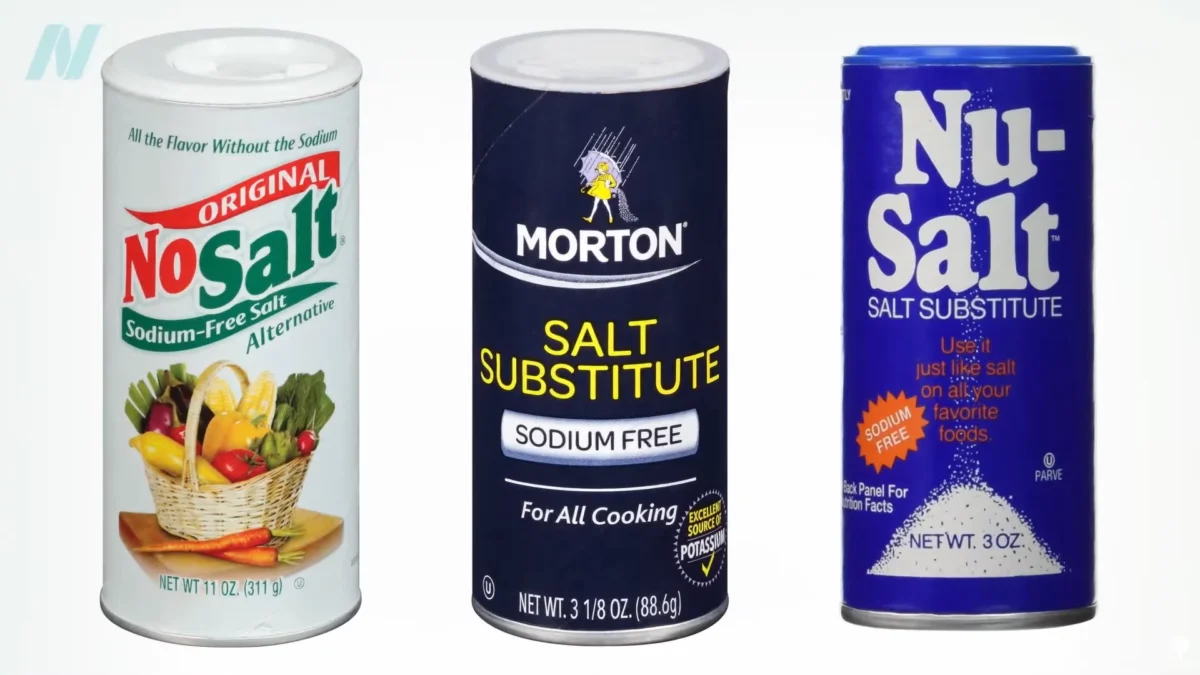
The human diet, a cornerstone of health and longevity, is increasingly compromised by nutritional imbalances, with excessive sodium intake emerging as the leading dietary risk factor globally. This pervasive issue, often referred to as high salt intake, is linked to millions of deaths annually, primarily through its detrimental effects on blood pressure, escalating the risks of stroke, heart attack, and kidney damage. Hypertension, or high blood pressure, continues to be a formidable threat, aptly described as the "silent and invisible killer" due to its asymptomatic nature, yet its profound impact on cardiovascular health and overall mortality is undeniable, standing as one of the most significant independent predictors of premature death.
Historically, human dietary patterns were characterized by a rich intake of potassium and a low consumption of sodium. This ancestral equilibrium has been dramatically reversed in modern times, reflecting a significant departure from traditional, plant-based diets abundant in potassium and low in sodium. The shift away from fruits, leafy greens, roots, and tubers—staples of ancestral diets—and towards processed foods laden with sodium and stripped of potassium, has created a critical nutritional deficit. Potassium is now recognized as a "nutrient of public health concern," with an alarming 98% of the U.S. population failing to meet the recommended minimum daily intake. The implications of this potassium deficiency are substantial, with low intake being directly implicated in the prevalence of high blood pressure and cardiovascular disease. Despite robust evidence, including multiple meta-analyses confirming that increased potassium intake can reduce stroke risk, physicians often overlook advising patients on the benefits of consuming more potassium-rich foods like fruits and vegetables for blood pressure management.
The detrimental effects of sodium and the protective benefits of potassium extend beyond blood pressure regulation. Research indicates that higher sodium intake is associated with a 20% increased risk of premature death, while conversely, higher potassium intake is linked to a 20% reduction in the risk of premature mortality. This stark contrast highlights the critical role of mineral balance in cardiovascular health. The association between high sodium intake and processed, "junk" foods, and the concentration of potassium in healthy, whole foods like beans and greens, raises a pertinent question: is the correlation between low sodium and high potassium intake merely a marker for a healthier, plant-forward diet, or do these minerals exert independent causal effects? Scientific inquiry, particularly through randomized controlled trials, provides compelling answers. Studies have demonstrably shown that sodium reduction leads to a decrease in blood pressure. Similarly, trials involving the supplementation of potassium have also demonstrated its efficacy in lowering blood pressure. This leads to a critical consideration: the potential of using potassium chloride as a salt substitute.
The Rise of Potassium Chloride as a Salt Alternative
Potassium chloride, a naturally occurring mineral salt, is extracted through processes analogous to those for sodium chloride. Given the widespread deficiency in potassium and the overconsumption of sodium, potassium chloride presents itself as a seemingly advantageous solution, a "win-win" scenario for public health. While whole, unprocessed plant foods remain the gold standard for increasing potassium intake, owing to their rich array of beneficial nutrients, the advent of potassium chloride salt substitutes offers a more accessible and practical approach for many.
Scientific Evidence Supporting Salt Substitution
A growing body of scientific evidence underscores the efficacy of salt substitutes in improving cardiovascular health. Ten studies, encompassing 11 randomized controlled trials, have demonstrated that the substitution of regular salt with potassium chloride can lead to significant reductions in blood pressure among individuals with hypertension. These findings suggest that salt substitutes may play a crucial role in not only managing existing hypertension but also in potentially preventing its onset. The question of whether these substitutes can reduce the incidence of hypertension and, more importantly, impact disease endpoints like stroke and overall mortality, has been a focal point of rigorous scientific investigation.
A landmark randomized controlled trial involving households that replaced their regular salt with a mixture containing a quarter potassium chloride yielded striking results. At this concentration, the majority of participants either could not discern the difference in taste or even expressed a preference for the potassium-enriched salt. Crucially, the study revealed that the use of this quarter-potassium chloride salt substitute was associated with a halving of the risk of developing hypertension.
Long-Term Impact on Cardiovascular Health and Longevity
The long-term implications of adopting salt substitutes were further investigated in a study conducted over approximately two and a half years within a veterans’ retirement home. In this trial, five kitchens were randomized to use either regular salt or a 50/50 blend of potassium chloride and sodium chloride, with neither cooks nor residents being aware of the substitution. Participants in the half-potassium group experienced a remarkable 40% reduction in their risk of dying from cardiovascular disease. Furthermore, this intervention was associated with an increase in life expectancy, adding nearly a year to the lives of those in the potassium-enriched group. The life expectancy difference observed at age 70 was described as "equivalent to that which would have naturally occurred in 14 [years]," suggesting that the simple act of switching to half-potassium salt effectively made individuals more than a decade younger in terms of their mortality risk.
More recently, a massive randomized controlled trial conducted in China, involving over 20,000 participants across 600 villages over a five-year period, provided further compelling evidence. Participants were assigned to receive either a salt substitute composed of a quarter potassium chloride or regular salt. The results were profound: the salt substitute not only reduced the incidence of strokes and cardiovascular events but also significantly lowered the risk of death from all causes.
China as a Case Study: Dietary Habits and Intervention Potential
China’s dietary landscape made it an ideal setting for this large-scale intervention. Up to 75% of the Chinese population’s sodium intake is derived from salt added in home kitchens and dining rooms. In contrast, a significant portion of sodium in the American diet originates from pre-packaged meats and processed foods, although food manufacturers themselves possess the capacity to transition to potassium chloride-based alternatives. This raises questions about the pace of adoption of these beneficial salt substitutes, given their proven efficacy and palatability.
Achieving the Benefits of a High-Potassium Diet
A review published by the Mayo Clinic, titled "Achieving the Benefits of a High-Potassium, Paleolithic Diet, Without the Toxicity," highlights the potential of salt substitution as a means to emulate the advantages of ancestral diets, characterized by high potassium and low sodium, without the associated risks or complexities. The commentary "Is Salt Substitution Ready for Prime Time?" further probes the readiness of these substitutes for widespread public health implementation.
Addressing Safety Concerns and Future Directions
While the benefits of potassium chloride salt substitutes are increasingly well-documented, considerations regarding their safety profile are paramount. Concerns have been raised about the "inclusion of potentially fatal salt substitutes in the food supply." These concerns necessitate a thorough examination of potential risks, particularly for individuals with specific health conditions, which will be explored in subsequent discussions.
Doctor’s Note: A Three-Part Series on Salt and Potassium
This article is the second in a three-part series dedicated to exploring the critical roles of salt and potassium in human health. The initial installment, "The Mineral Intake Recommendations Only 1 in 6,000 U.S. Adults Meet," provided an overview of mineral deficiencies. The concluding part, "Are Potassium Chloride Salt Substitutes Safe and Effective?," will delve deeper into the safety aspects and comprehensive effectiveness of these interventions. Further insights into the evidence supporting the link between salt and blood pressure can be found in the video "The Evidence That Salt Raises Blood Pressure." The ongoing research and dissemination of this critical health information aim to empower individuals and public health bodies to make informed decisions that can significantly impact cardiovascular health and longevity.

