

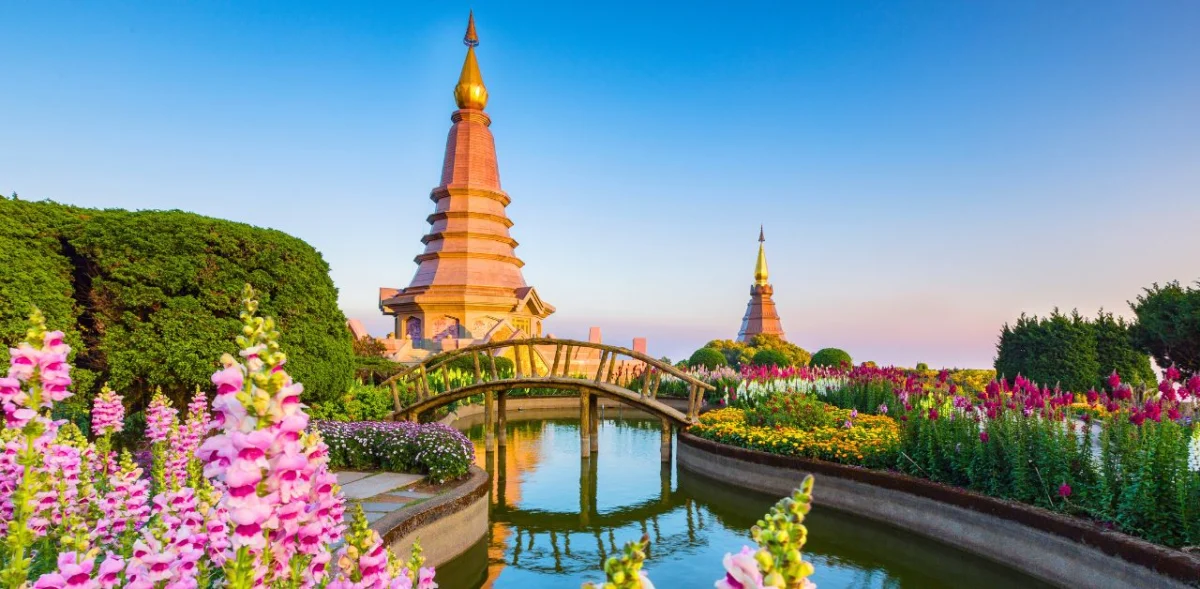
Thailand’s tourism sector continues to undergo a significant transformation as the nation pivots from a model of mass arrivals toward a more sustainable, high-value travel experience. As a global hub for culture, biodiversity, and luxury, the Kingdom of Thailand offers a multifaceted landscape that ranges from the mist-shrouded peaks of the northern highlands to the crystal-clear waters of the Gulf and the Andaman Sea. For the modern traveler, navigating this diversity requires a strategic approach that prioritizes comfort, cultural intelligence, and logistical efficiency. Industry data from the Tourism Authority of Thailand (TAT) suggests that the "slow travel" movement is gaining traction, with visitors increasingly opting for longer stays in fewer locations to gain a deeper understanding of local heritage.
Strategic Seasonal Planning and Regional Climates
The foundation of a comfortable Thai excursion lies in an understanding of the nation’s distinct meteorological patterns. Thailand’s climate is generally divided into three seasons: the cool season (November to February), the hot season (March to May), and the rainy season (June to October). However, these patterns vary significantly between the northern and southern regions.

According to historical weather data, the cool season is the most favorable window for international arrivals, particularly for those intending to engage in outdoor activities or urban exploration. During this period, temperatures in Bangkok and the central plains typically range from 18°C to 32°C (64°F to 90°F), while the northern mountains can see temperatures drop significantly lower. This period also marks the "High Season" for tourism, which, while offering the most stable weather, also results in higher demand for premium accommodations and transport.
Conversely, the rainy season—often characterized by short, intense bursts of precipitation rather than persistent downpours—offers a unique opportunity for "slow travel." During these months, the country’s national parks and agricultural landscapes are at their most vibrant. Experts suggest that travelers should monitor departure airport conditions and local weather advisories closely, as the monsoon can impact flight schedules and maritime transport in the southern islands.
The Evolution of Personalized Travel Management
As travel logistics have become increasingly complex in the post-pandemic era, the role of professional travel experts has expanded. High-net-worth individuals and those seeking a seamless experience are moving away from self-curated itineraries in favor of bespoke services provided by specialized agencies such as Black Tomato. These firms provide a layer of operational security and exclusive access that is often unavailable to the general public.

The integration of expert guidance allows for the development of personalized itineraries that balance iconic landmarks with off-the-beaten-path experiences. This professional oversight extends to the management of "heavy lifting" logistics, including private terminal transfers, pre-verified luxury accommodations, and the securing of expert local guides. For the comfort-oriented traveler, this removes the cognitive load of navigating language barriers and complex booking systems, allowing for a more immersive engagement with Thailand’s culinary and cultural offerings.
Modernizing Infrastructure and Transportation Logistics
The ease of movement within Thailand has seen substantial improvement due to government investment in transportation infrastructure. The State Railway of Thailand (SRT) has modernized several of its key routes, introducing high-quality sleeper cars that provide a scenic and environmentally conscious alternative to domestic aviation. These "slow travel" rail journeys offer a unique vantage point of the Thai countryside, particularly on the northern line to Chiang Mai.
For those prioritizing time efficiency, the domestic aviation network remains one of the most robust in Southeast Asia. Carriers such as Bangkok Airways and Thai Airways operate frequent flights connecting major hubs like Bangkok (Suvarnabhumi and Don Mueang) with regional centers like Phuket, Koh Samui, and Chiang Rai.

In urban environments, the rise of ride-hailing applications like Grab and Bolt has revolutionized local transit. These platforms provide transparent pricing and GPS-tracked routes, mitigating the common challenges associated with traditional taxi services. For families and larger groups, the use of pre-arranged private transfers remains the gold standard for comfort, offering climate-controlled environments and professional drivers who are familiar with regional road networks.
Strategic Accommodation and Sustainability Integration
The selection of a base of operations is a critical factor in the overall quality of the travel experience. The current trend in Thai hospitality is a move toward "well-located" properties that minimize transit times to major attractions while offering an sanctuary from the urban bustle.
In addition to location, sustainability has become a primary metric for modern travelers. The TAT’s "Seven Greens" initiative encourages hotels and resorts to adopt eco-friendly practices, ranging from waste reduction to energy efficiency. Travelers are increasingly encouraged to consult peer-reviewed travel analysis and high-end blogs to identify properties that successfully blend luxury with environmental stewardship. Features such as proximity to mass transit (like the BTS Skytrain in Bangkok), the quality of on-site dining, and the professionalism of the staff are consistently cited in industry reviews as the primary drivers of guest satisfaction.

Cultural Intelligence and Socio-Ethical Conduct
A sophisticated travel experience in Thailand is predicated on a deep respect for local customs and traditions. Thailand is a constitutional monarchy with a deeply ingrained Buddhist heritage, and social harmony is maintained through a complex system of etiquette.
The Tourism Authority of Thailand emphasizes the importance of "Mindful Tourism." This includes adhering to dress codes when visiting sacred sites—ensuring shoulders and knees are covered—and the universal practice of removing footwear before entering a home or a temple. Furthermore, the linguistic effort of learning basic Thai phrases, such as "Sawasdee" (hello) and "Khop Khun" (thank you), is viewed by locals as a sign of profound respect. This cultural intelligence not only prevents social friction but also facilitates more authentic interactions with the local population, thereby enriching the travel narrative.
Case Study: Biodiversity and Conservation in National Parks
Thailand’s commitment to environmental preservation is best exemplified by its extensive network of national parks, which serve as critical habitats for endangered species and as hubs for eco-tourism.

Khao Yai National Park: A UNESCO World Heritage Site
As the third-largest national park in the country, Khao Yai is a cornerstone of the Dong Phayayen-Khao Yai Forest Complex. Covering approximately 2,168 square kilometers, the park is home to an estimated 800 species of fauna, including the Asian elephant and the Asiatic black bear. According to UNESCO, this forest complex is vital for the long-term survival of several globally threatened species. For the comfort-seeking traveler, Khao Yai offers high-end glamping and lodge options that provide access to guided wildlife tours and night safaris without sacrificing modern amenities.
Ang Thong Marine National Park: Maritime Preservation
Located in the Gulf of Thailand, this archipelago of 42 islands represents a masterclass in maritime conservation. The park’s karst limestone formations and hidden lagoons are protected under strict environmental regulations to prevent the degradation seen in other over-touristed areas. Managed by the Department of National Parks, Wildlife and Plant Conservation (DNP), Ang Thong limits the number of daily visitors to preserve its coral reefs and white-sand beaches. The park offers a blueprint for how luxury yachting and day-trip tourism can coexist with rigorous environmental protection.
The Ethics of Wildlife Tourism: The Gibbon Rehabilitation Project
A critical component of modern Thai travel is the move away from exploitative animal attractions. The Gibbon Rehabilitation Project in Phuket serves as a factual case study in the fight against the illegal pet trade and the use of animals as photo props. Since 1992, the project has focused on the rescue and reintroduction of white-handed gibbons into the wild. Data from the International Union for Conservation of Nature (IUCN) highlights that most gibbon species are endangered due to habitat loss. The project’s educational center provides travelers with a fact-based look at conservation challenges, encouraging a shift toward "animal-friendly" tourism that prioritizes the welfare of the species over entertainment.

Broader Impact and Future Outlook
The strategic shifts in Thailand’s tourism industry reflect a broader global trend toward more intentional and high-quality travel experiences. By prioritizing seasonal timing, professional logistics, and cultural respect, visitors can navigate the country with a level of comfort that was previously reserved for a small elite.
The economic implications are significant; as Thailand moves toward a "quality over quantity" tourism model, the revenue generated per visitor is expected to rise, providing the capital necessary for further infrastructure improvements and conservation efforts. For the global traveler, Thailand remains a premier destination where the integration of ancient tradition and modern luxury creates a unique and comfortable environment for exploration. The ongoing modernization of transport, the professionalization of travel services, and a national commitment to sustainability ensure that Thailand will remain at the forefront of the international travel market for the foreseeable future.

