

The ongoing battle against cancer, a disease projected to affect an additional 70% of the global population over the next two decades, is prompting a critical re-evaluation of treatment strategies. While billions are invested in advanced chemotherapy, many experts contend that current approaches often focus on managing symptoms rather than addressing the root causes of cancer’s progression. This paradigm shift is increasingly pointing towards the potent chemopreventive properties of dietary bioactive compounds found in whole, plant-based foods. Among these, legumes have emerged as particularly promising, exhibiting a significant capacity to inhibit matrix metalloproteinases (MMPs), enzymes crucial for cancer’s invasive and metastatic capabilities.
The Challenge of Cancer Metastasis and the Role of MMPs
Cancer metastasis, the process by which cancer cells spread from their primary site to other parts of the body, is responsible for approximately 90% of cancer-related deaths. This complex cascade of events involves multiple stages, including the invasion of surrounding tissues, intravasation into the bloodstream or lymphatic system, survival in circulation, extravasation into new tissues, and finally, the establishment of secondary tumors. Matrix metalloproteinases (MMPs) are a family of enzymes that play a pivotal role in facilitating this metastatic journey.
MMPs act like molecular scissors, breaking down the extracellular matrix (ECM) – the structural scaffold that surrounds cells. By degrading the ECM, MMPs create pathways for cancer cells to migrate and invade adjacent tissues. They are also involved in processes such as angiogenesis (the formation of new blood vessels that feed tumors) and the remodeling of tissues, all of which support tumor growth and spread. The aggressive nature of many cancers is directly linked to their ability to produce and secrete high levels of MMPs, enabling them to break free from the primary tumor and colonize distant organs.
Pharmaceutical Attempts and Their Limitations
Recognizing the critical role of MMPs in cancer progression, the pharmaceutical industry invested heavily in developing matrix metalloproteinase inhibitor (MMPI) drugs. In preclinical studies, these inhibitors showed considerable promise, effectively blocking cancer cell invasion and metastasis in animal models. However, when translated to human clinical trials, these drugs encountered significant hurdles. Many MMPIs were found to cause severe side effects in human patients, leading to their discontinuation or limited use. This outcome highlights a common challenge in drug development: what proves effective and safe in a controlled laboratory setting may not translate directly to the complex biological system of the human body. The failure of broad-spectrum MMPIs underscores the need for more targeted and naturally derived interventions.

The Power of Plant-Based Bioactives: Legumes as a Natural Solution
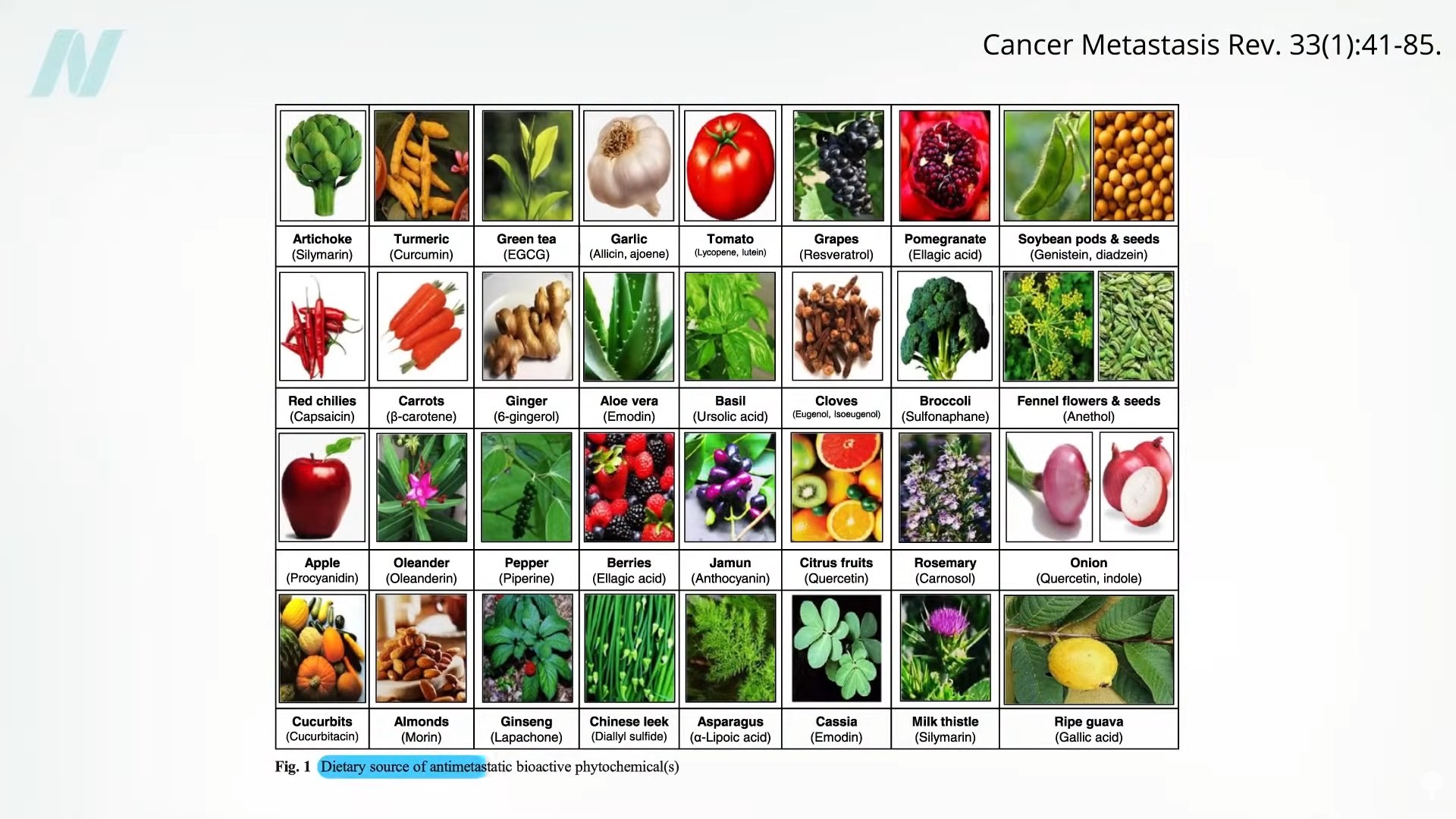
In contrast to the challenges faced by pharmaceutical interventions, a growing body of evidence suggests that dietary bioactive compounds, particularly those found in whole plant-based foods, possess significant anticancer and chemopreventive properties. These naturally occurring compounds, known as phytochemicals, can target various cancer-related pathways, including the invasion-metastasis cascade.
Legumes – a diverse group encompassing beans, split peas, chickpeas, and lentils – have been identified as a particularly rich source of these protective compounds. Research has indicated that specific proteins within legumes can effectively reduce MMP activity. This discovery has spurred investigations into which types of legumes offer the greatest inhibitory effects.
Identifying the Top Legumes for MMP Inhibition
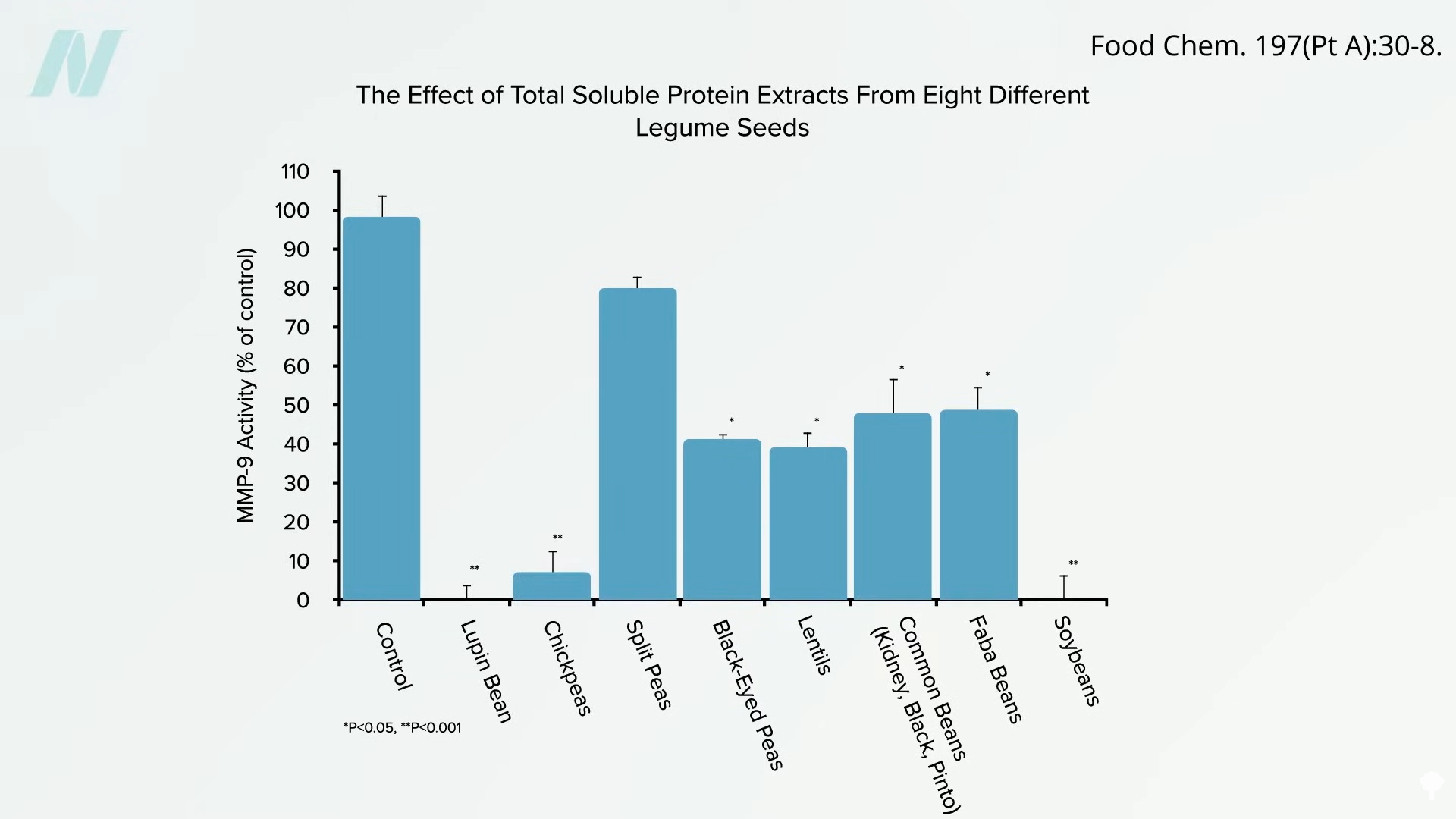
A comprehensive study aimed at quantifying the MMP-inhibiting potential of various legumes provided compelling insights. Researchers tested eight different types, including lupin beans, chickpeas, split peas, black-eyed peas, lentils, common beans (such as kidney, black, and pinto varieties), fava beans, and soybeans. The results demonstrated a clear hierarchy of effectiveness.
In the absence of legume-derived compounds, matrix metalloproteinase activity remained at baseline levels, indicating normal enzymatic function. The addition of proteins from split peas showed minimal impact. However, black-eyed peas, lentils, common beans, and fava beans significantly reduced enzyme activity by over 50%. The most remarkable findings came from lupin beans, chickpeas, and soybeans, which collectively slashed MMP activity by more than 90%. These findings strongly suggest that incorporating these specific legumes into the diet could offer a powerful natural defense against cancer metastasis.
Evidence of Efficacy: From Petri Dish to Potential Clinical Impact
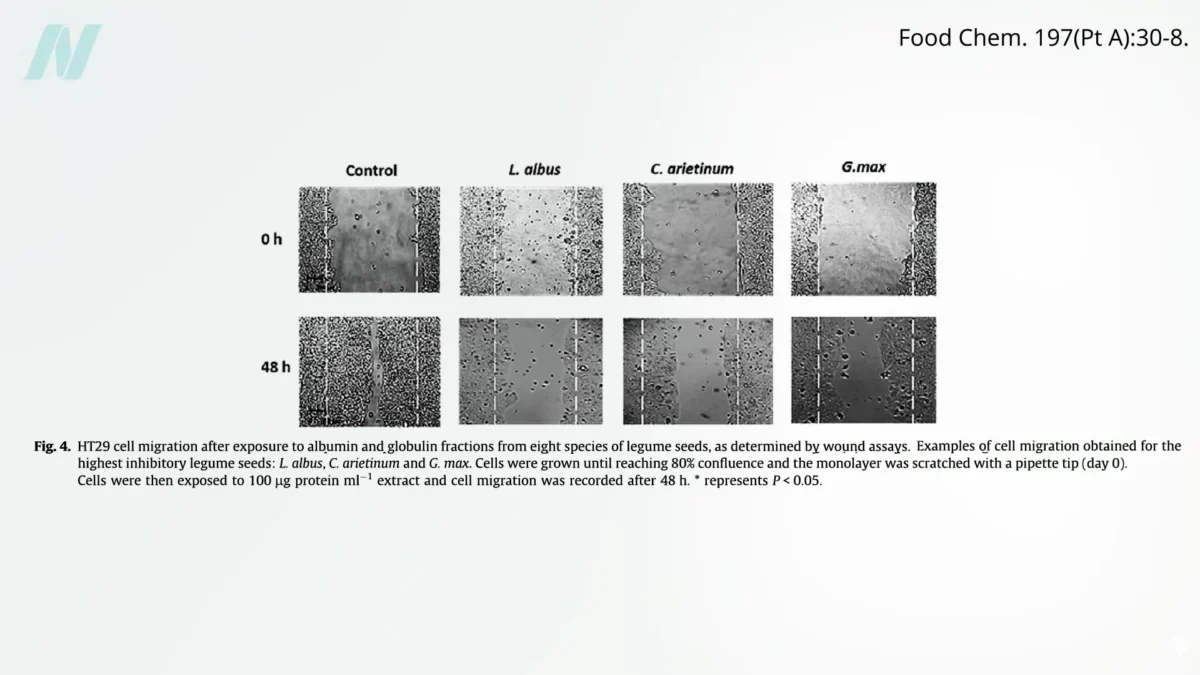
The inhibitory effects observed in laboratory settings were further validated through experiments designed to mimic the process of cancer cell invasion. In vitro studies involved plating human colon cancer cells in a petri dish and creating a gap in the cell layer using a razor blade. Without any intervention, the cancer cells rapidly migrated to fill the cleared space within 48 hours, demonstrating their invasive potential.
However, when proteins derived from lupin beans, chickpeas, or soybeans were introduced, the cancer cells exhibited a significantly reduced ability to close the gap. This observation provided visual evidence that these legume-derived compounds can indeed impede cancer cell migration, a crucial step in metastasis.
Addressing Concerns: The Impact of Cooking on Bioactive Compounds
A natural question arises regarding the viability of these anti-cancer compounds after cooking, a standard method for preparing legumes for consumption. If the heat of cooking destroyed these beneficial proteins, their practical application would be significantly limited. Fortunately, research has addressed this concern. Studies investigating soybeans, for example, have found that the matrix metalloproteinase inhibitors present in them remain active even after cooking. While further research may be needed for all legume varieties, this finding offers reassurance that cooked legumes can still deliver their potent anti-metastatic benefits.
Broader Implications for Cancer Prevention and Health
The implications of these findings extend beyond the direct inhibition of MMPs. Legumes are a cornerstone of many healthy dietary patterns, including the Mediterranean diet and plant-based eating plans. Their inclusion has been consistently linked to reduced risks of various chronic diseases. For instance, regular consumption of legumes has been associated with a lower risk of colorectal cancer, a disease where direct contact between ingested food components and the colon lining is plausible.
Furthermore, individuals adhering to vegetarian diets often exhibit significantly lower levels of circulating MMPs. While this observation is often attributed to generally lower levels of systemic inflammation in these populations, it underscores the broader health benefits associated with plant-centric eating patterns. Lower MMP levels are not only beneficial in the context of cancer but also in managing other serious health conditions.
Matrix metalloproteinases are not solely biomarkers for cancer; they are also implicated in the pathogenesis of autoimmune diseases and cardiovascular disease. In cardiovascular health, MMPs can contribute to the breakdown of atherosclerotic plaques in diseased arteries, leading to potentially life-threatening events like heart attacks and strokes. The established link between plant-based diets and reduced cardiovascular risk may, in part, be mediated by the MMP-inhibiting effects of foods like legumes.
The Future of Dietary Interventions in Cancer Care
The research highlighting the potent MMP-inhibiting properties of legumes offers a compelling argument for their integration into dietary guidelines for cancer prevention and management. While chemotherapy continues to play a vital role in treating established cancers, the limitations and side effects associated with these powerful drugs necessitate a parallel focus on preventative and supportive dietary strategies.
The evidence suggests that a diet rich in whole plant foods, particularly legumes, can actively contribute to the body’s natural defenses against cancer’s most dangerous aspect: metastasis. By empowering individuals with knowledge about the specific benefits of foods like lupin beans, chickpeas, and soybeans, healthcare professionals and public health initiatives can promote more proactive and sustainable approaches to cancer control.
This evolving understanding of nutrition’s role in disease prevention and management points towards a future where dietary interventions are not merely considered adjuncts to medical treatment but integral components of a comprehensive healthcare strategy. The humble legume, a dietary staple for millennia, is emerging as a powerful ally in the fight against cancer, offering a natural, accessible, and effective means of combating the invasive nature of this complex disease.
Doctor’s Note
The findings presented in this article are supported by extensive research, including that featured in the video "Blocking the Cancer Metastasis Enzyme MMP-9 with Beans and Chickpeas" and "Fighting the Ten Hallmarks of Cancer with Diet." Further exploration of related posts on cancer metastasis is encouraged for a more comprehensive understanding of dietary strategies in cancer prevention and management.

