

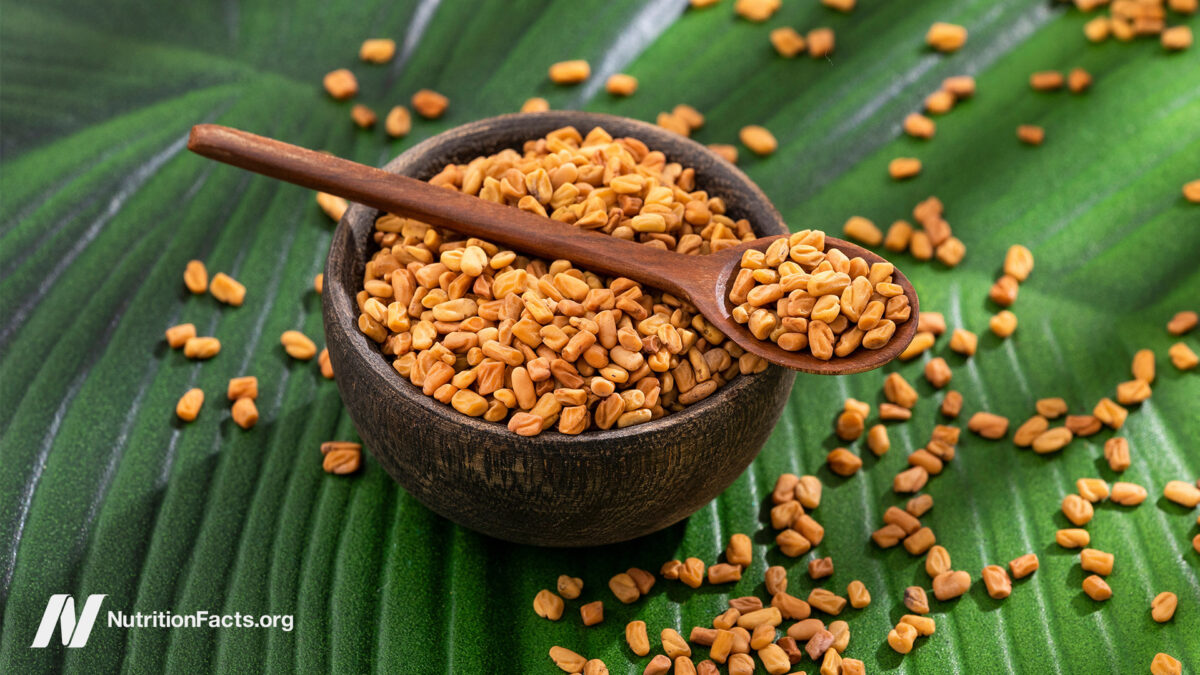
October 1, 2026 – The unassuming fenugreek seed, a staple in kitchens and traditional medicine cabinets for centuries, is increasingly garnering attention from the scientific community for its profound and diverse hormonal benefits, extending far beyond its previously noted effects on muscle growth and testosterone levels. Emerging research, detailed in a recent publication by Dr. Michael Greger, M.D., FACLM, highlights the potent influence of this ancient spice on sexual function in both men and women, relief from menstrual pain, alleviation of menopausal symptoms, and even enhancement of breast milk production.
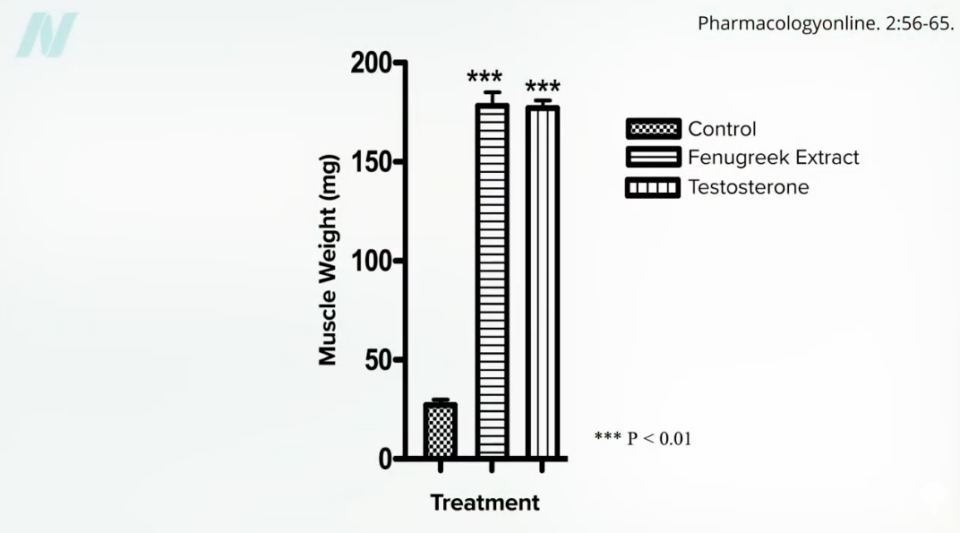
The initial wave of scientific interest in fenugreek centered on its potential to boost testosterone. A study published in 2010, and referenced by Dr. Greger, demonstrated significant improvements in upper body strength, lower body strength, body composition, and a reduction in body fat percentage among young men who supplemented with fenugreek capsules over an eight-week period. This anabolic effect was further supported by studies on castrated rats, suggesting a direct link to androgenic activity. The only commonly reported side effect during these early investigations was a distinct, albeit for some, pleasant, maple syrup-like odor in sweat and urine.
Unlocking Male Hormonal Potential
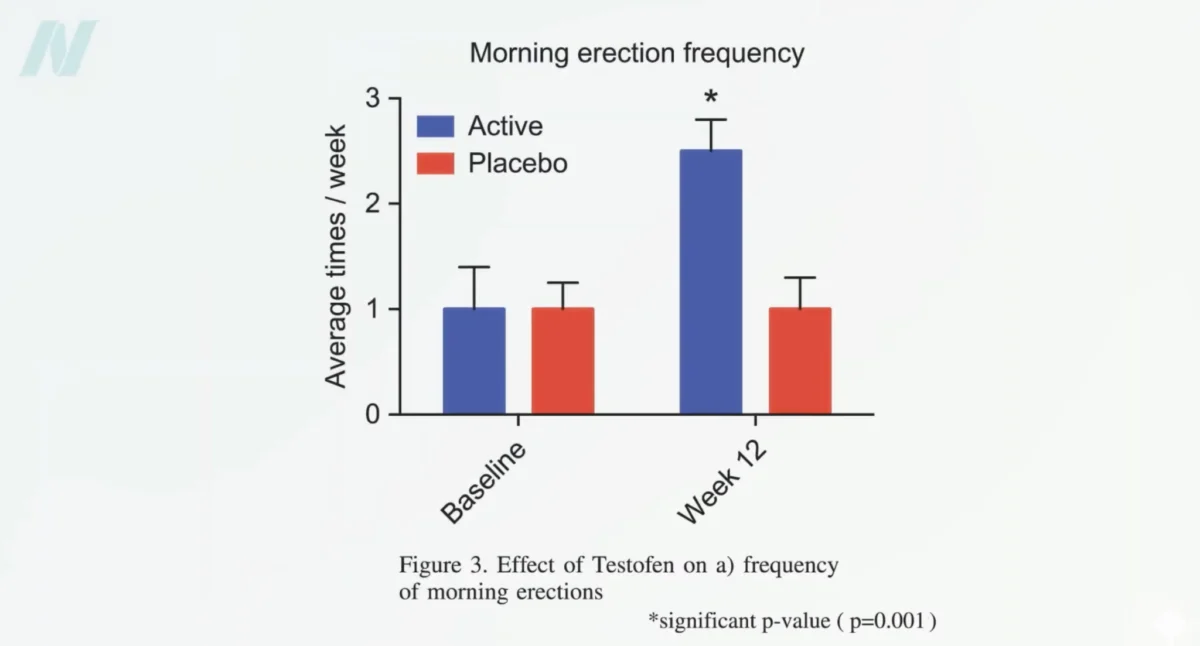
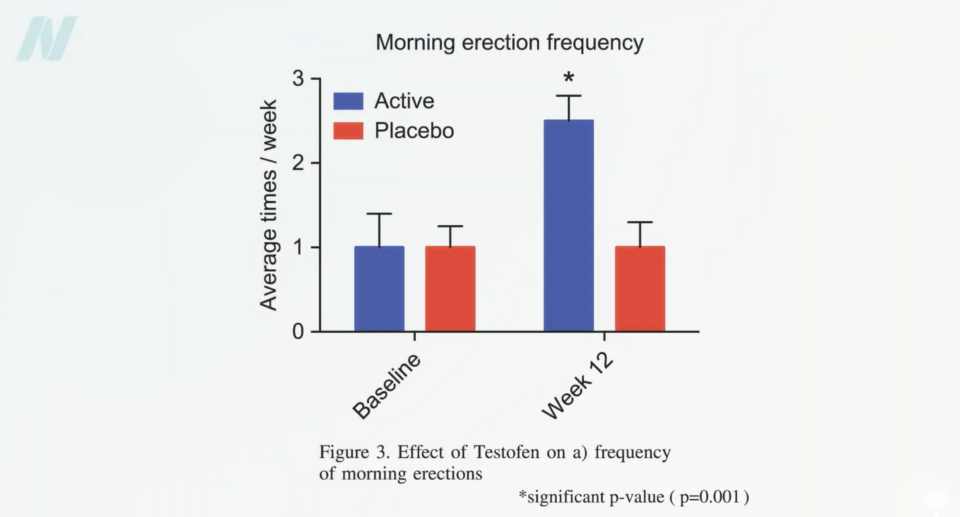
Subsequent randomized controlled trials have solidified fenugreek’s impact on male hormonal health. Four such trials collectively indicated a significant increase in total blood testosterone levels in men. This hormonal shift has been directly correlated with improvements in sexual function. Notably, studies have reported a doubling in the frequency of morning erections, a key physiological indicator of healthy sexual function. This evidence suggests that fenugreek may offer a natural and accessible avenue for addressing age-related declines in testosterone and associated sexual health concerns in men.
Expanding Hormonal Benefits to Women
The hormonal influence of fenugreek is not confined to men. Research has also illuminated its positive effects on female sexual health and hormonal balance. While estrogen, particularly estradiol, plays a crucial role in female sexual arousal and lubrication, testosterone is understood to be a significant driver of sexual desire in both sexes. Traditional pharmaceutical approaches to enhancing female libido, such as testosterone patches, have been met with concerns regarding potential side effects like blood clots and long-term safety.
Fenugreek presents a compelling alternative. Studies have documented a significant increase in both testosterone and estradiol levels in women who consume fenugreek extract. This dual hormonal enhancement has translated into a marked improvement in sexual desire and function, with participants experiencing approximately a doubling of sexual activity compared to a placebo group. This finding is particularly significant, offering a natural approach to addressing concerns related to low libido and sexual dysfunction in women.
Addressing Menstrual Health and Menopausal Transition
The hormonal modulation offered by fenugreek extends to reproductive health throughout a woman’s life. For individuals experiencing painful menstrual periods, commonly known as dysmenorrhea, fenugreek has demonstrated considerable efficacy. A study that utilized plain fenugreek powder, readily available for purchase, found a significant reduction in menstrual pain. The dosage employed was remarkably small – approximately one-third of a teaspoon, three times daily, taken during the initial three days of menstruation – at a cost of mere cents. Beyond pain relief, participants also reported improvements in associated symptoms such as headaches, fatigue, and nausea, underscoring fenugreek’s holistic benefits for menstrual well-being.
The impact of fenugreek on hormonal fluctuations continues into menopause. As estrogen levels decline, women often experience a range of distressing symptoms. Research has indicated that fenugreek supplementation can significantly alleviate these menopausal complaints. A double-blind, randomized, placebo-controlled study revealed a marked reduction in symptoms across all assessed domains. Notably, the frequency of hot flashes and night sweats was effectively halved over a three-month period, offering substantial relief to women navigating this life stage. The observed increase in estrogen levels in women suggests a potential mechanism for these menopausal symptom improvements.
Supporting Lactation and Beyond
Fenugreek’s role as a galactagogue – a substance that promotes milk production – is another significant hormonal benefit that has been scientifically validated. A randomized, double-blind, placebo-controlled trial involving breastfeeding mothers demonstrated a remarkable increase in milk production. When combined with small doses of ginger and turmeric, fenugreek supplementation led to a doubling of milk production within a month, with a 50% increase observed by week two and a full 100% increase by week four. This finding offers a natural and potent solution for mothers experiencing challenges with milk supply.
Safety Considerations and Broader Implications
While the research on fenugreek’s benefits is promising, it is crucial to acknowledge safety considerations. Due to its potential to stimulate the uterus, fenugreek seeds are advised against for use during pregnancy. Although this recommendation is largely based on laboratory animal data, the principle of caution prevails.
The cumulative scientific evidence paints a compelling picture of fenugreek as a remarkably versatile herb with significant hormonal benefits. From enhancing sexual function and alleviating menstrual pain to easing menopausal symptoms and supporting lactation, fenugreek offers a natural, cost-effective, and accessible approach to improving well-being across various life stages. The continued exploration of its complex biochemical interactions promises to further unlock the therapeutic potential of this ancient botanical.
Dr. Greger’s work, accessible through further resources such as his videos "Fenugreek Benefits for Sexual Function, Painful Periods, and Milk Production," "Benefits of Fenugreek Seeds," and "Side Effect of Fenugreek Consumption," provides a comprehensive overview of the scientific literature supporting these findings. The consistent application of rigorous scientific methodology, including randomized controlled trials and placebo-controlled studies, lends considerable weight to the reported benefits of fenugreek, positioning it as a valuable addition to a health-conscious lifestyle. The ease with which fenugreek can be incorporated into the diet, either as a spice or in supplement form, further enhances its appeal as a natural health aid.

