

The modern diet stands as a significant contributor to a myriad of health challenges, with excessive dietary sodium intake, commonly referred to as high salt intake, emerging as the paramount risk factor. This pervasive dietary habit is estimated to be responsible for millions of deaths annually, primarily through its detrimental effects on blood pressure regulation and its amplification of risks for stroke, heart attack, and kidney damage. Hypertension, or high blood pressure, continues to be a formidable adversary in public health, often dubbed the "silent and invisible killer" due to its insidious nature, typically manifesting without overt symptoms, yet serving as a potent, independent predictor of several leading causes of mortality.
Humanity’s evolutionary dietary path was characterized by a high-potassium, low-sodium intake. However, contemporary dietary patterns have undergone a dramatic reversal. This shift reflects a departure from traditional, plant-based diets rich in potassium and lean in sodium—a move away from the consumption of fruits, leafy greens, root vegetables, and tubers. Concurrently, there has been an increasing reliance on highly processed, sodium-laden foods that have been stripped of their natural potassium content. Potassium itself is now recognized as a "nutrient of public health concern" by numerous health organizations, with an alarming 98% of the U.S. population failing to meet the recommended minimum daily intake. The implications of this deficit are substantial; low potassium intake is independently linked to elevated blood pressure and an increased risk of cardiovascular disease. Despite this growing body of evidence, physicians infrequently advise patients to augment their potassium intake through the consumption of potassium-rich foods, such as fruits and vegetables, as a primary strategy for blood pressure management, even though multiple meta-analyses have corroborated the association between higher potassium intake and a reduced risk of stroke.
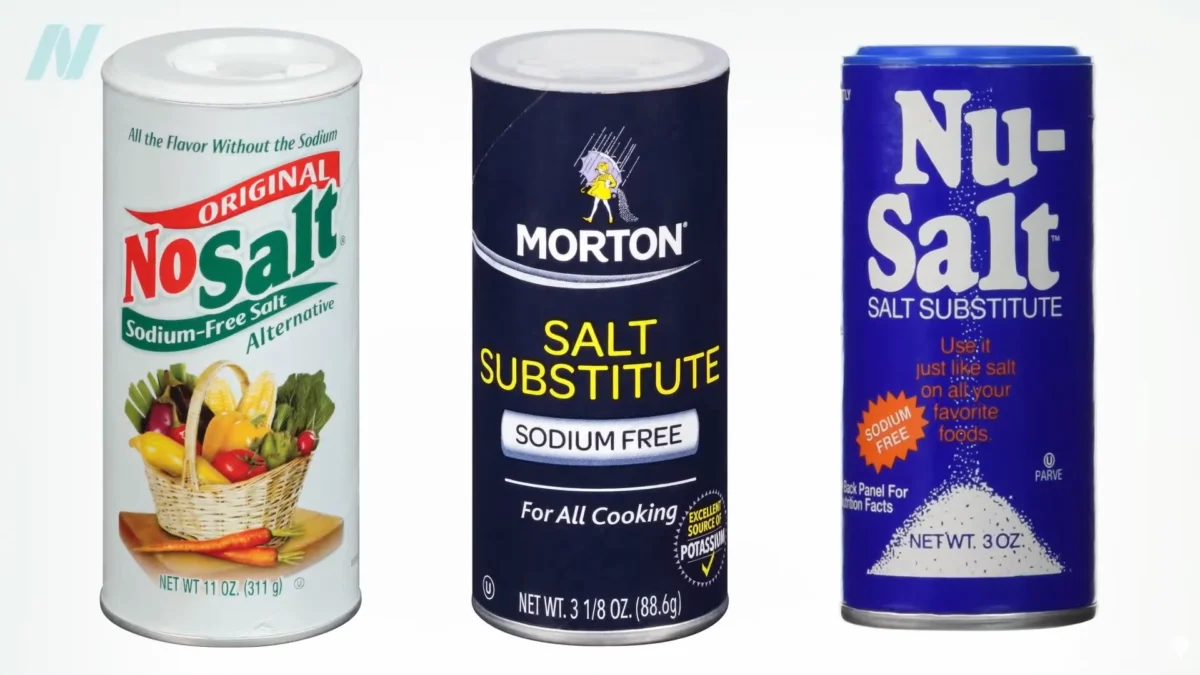
The protective effects of potassium extend beyond its influence on blood pressure. Research indicates a reduction in stroke risk that is independent of blood pressure modulation, pointing to other beneficial mechanisms such as a decreased propensity for clot formation, a mitigation of arterial stiffening, and a reduction in the generation of harmful free radicals. In stark contrast, high sodium intake has been linked to a 20% increased risk of premature death, while a higher potassium intake is associated with a 20% reduction in this risk. Given that sodium is predominantly found in processed "junk" foods and potassium is abundant in nutrient-dense foods like beans and leafy greens, the question arises: could a combination of low sodium and high potassium intake simply be a proxy for an overall healthier dietary pattern, characterized by greater consumption of plant-based foods and less processed fare? The causal relationship between sodium and adverse health outcomes is firmly established by randomized controlled trials (RCTs) demonstrating that sodium reduction leads to a decrease in blood pressure. Similarly, RCTs have provided robust evidence that supplementing with potassium can effectively lower blood pressure. This leads to a critical inquiry: can potassium chloride, used as a salt substitute for sodium chloride, offer a dual benefit by simultaneously reducing sodium intake and increasing potassium intake?
The Promise of Potassium Chloride as a Salt Substitute
Potassium chloride, a naturally occurring mineral salt, is sourced through processes analogous to those used for producing common sodium chloride. In an era where sodium consumption far exceeds recommended levels and potassium intake falls critically short, potassium chloride presents itself as a seemingly ideal "win-win" solution.
While the optimal strategy for increasing potassium intake remains the consumption of whole, unprocessed plant foods, which also deliver a spectrum of other essential nutrients, a growing body of scientific evidence supports the efficacy of potassium chloride as a direct dietary intervention. Ten studies, encompassing 11 randomized controlled trials, have demonstrated that substituting a portion of regular salt with potassium chloride can lead to significant reductions in blood pressure among individuals with hypertension. These findings suggest that salt substitutes may also play a role in the prevention of hypertension. Although the capacity of salt substitutes to lower blood pressure is well-documented, their impact on the incidence of hypertension and, more crucially, on disease endpoints such as stroke and mortality, requires rigorous investigation.
Landmark Trials and Their Implications
A pivotal randomized controlled trial investigated the impact of salt substitution at the household level. In this study, households were provided with a salt blend containing a quarter of potassium chloride. At this concentration, the majority of participants were unable to discern the difference in taste from regular salt, and some even expressed a preference for the modified blend. The study’s findings were compelling: the use of this modest salt substitute was associated with a halving of the risk of developing hypertension.
Beyond blood pressure and hypertension incidence, the long-term effects of salt substitution on cardiovascular mortality have been a focus of significant research. In a notable study conducted over approximately two and a half years, five kitchens within a veterans’ retirement home were randomized. Meals were prepared using either regular salt or, unbeknownst to the kitchen staff and residents, a 50/50 blend of potassium chloride and sodium chloride. The group consuming the half-potassium salt blend experienced a remarkable reduction in their risk of dying from cardiovascular disease by approximately 40%, and their lifespan was extended by nearly a year. The observed difference in life expectancy at age 70 was substantial, described as "equivalent to that which would have naturally occurred in 14 [years]," suggesting that the simple switch to a partially potassium-fortified salt effectively reversed the aging process in terms of mortality risk by over a decade.

More recently, a massive randomized controlled trial conducted in China, involving over 20,000 participants across 600 villages over a five-year period, provided further compelling evidence. Participants were assigned to receive either a salt substitute composed of a quarter potassium chloride or regular salt. The results were striking: the salt substitute not only reduced the incidence of strokes and cardiovascular events but also significantly lowered the risk of death from all causes.
Contextualizing the Chinese Study
The choice of China as the setting for this extensive trial was strategic. In China, up to 75% of the population’s sodium intake originates from salt added during home cooking or dining. This contrasts with the American diet, where a substantial portion of sodium is derived from prepackaged meats and processed foods. Nevertheless, the implications for food manufacturers are clear: a widespread shift towards potassium chloride blends by the food industry could yield significant public health benefits.
Addressing Hesitation and Future Directions
The widespread adoption of these salt substitutes, despite their proven efficacy and comparable taste profiles, has been slower than anticipated. This raises questions about the reasons behind this hesitation. A review from the Mayo Clinic, titled "Achieving the Benefits of a High-Potassium, Paleolithic Diet, Without the Toxicity," highlights the potential of these substitutes. Concurrently, a commentary posing the question, "Is Salt Substitution Ready for Prime Time?" underscores the ongoing debate and the need for further consideration.
A crucial aspect that warrants thorough examination is the safety profile of potassium chloride. While the benefits are increasingly well-supported by robust scientific data, potential risks, including concerns about the "inclusion of potentially fatal salt substitutes in the food supply," have been raised. These concerns necessitate a comprehensive understanding of the potential downsides and contraindications, which will be explored in subsequent discussions.
A Three-Part Series on Salt and Potassium
This article represents the second installment in a three-part series dedicated to exploring the complex relationship between salt and potassium in the human diet. For those who may have missed the initial discussion, "The Mineral Intake Recommendations Only 1 in 6,000 U.S. Adults Meet" provides essential background. The series will conclude with an in-depth examination of "Are Potassium Chloride Salt Substitutes Safe and Effective?"
For readers interested in the specific randomized controlled trials examining the impact of sodium on blood pressure, the video "The Evidence That Salt Raises Blood Pressure" offers a detailed analysis.
Doctor’s Note: This article is part of a three-part series on salt and potassium. The first part, "The Mineral Intake Recommendations Only 1 in 6,000 U.S. Adults Meet," is available for review. The final article in the series is titled "Are Potassium Chloride Salt Substitutes Safe and Effective?" The evidence for sodium’s effect on blood pressure is further detailed in the video "The Evidence That Salt Raises Blood Pressure."

