

The landscape of North American tourism has undergone a significant transformation over the last decade, characterized by a resurgent interest in outdoor recreation and the flexibility of mobile accommodations. At the center of this movement is Kampgrounds of America (KOA), a franchise network that has defined the standardized camping experience for more than 60 years. With more than 500 locations across the United States and Canada, KOA has positioned itself as the primary infrastructure provider for a growing demographic of travelers seeking a blend of natural immersion and modern convenience.
Current industry data highlights the scale of this shift. According to the RV Industry Association (RVIA), approximately 8.1 million North American households currently own a recreational vehicle, while an additional 16.9 million individuals express a definitive intent to enter the RV community within the next five years. This surge is driven by a combination of factors, including the rise of remote work, a post-pandemic prioritization of domestic travel, and the well-documented health benefits associated with time spent in natural environments. For these millions of travelers, understanding the logistical nuances of the KOA system is essential for navigating the complexities of the modern road trip.
The Evolution of Standardized Camping: A Historical Chronology
The history of KOA is inextricably linked to the development of the American highway system. The organization was founded in 1962 by Dave Drum, a businessman in Billings, Montana. Drum recognized a gap in the travel market: as the interstate highway system expanded, motorists needed reliable, clean, and standardized places to stop overnight. The first KOA campground was established on the banks of the Yellowstone River, offering basic amenities such as hot showers, toilets, and a small store for a fee of $1.75 per night.
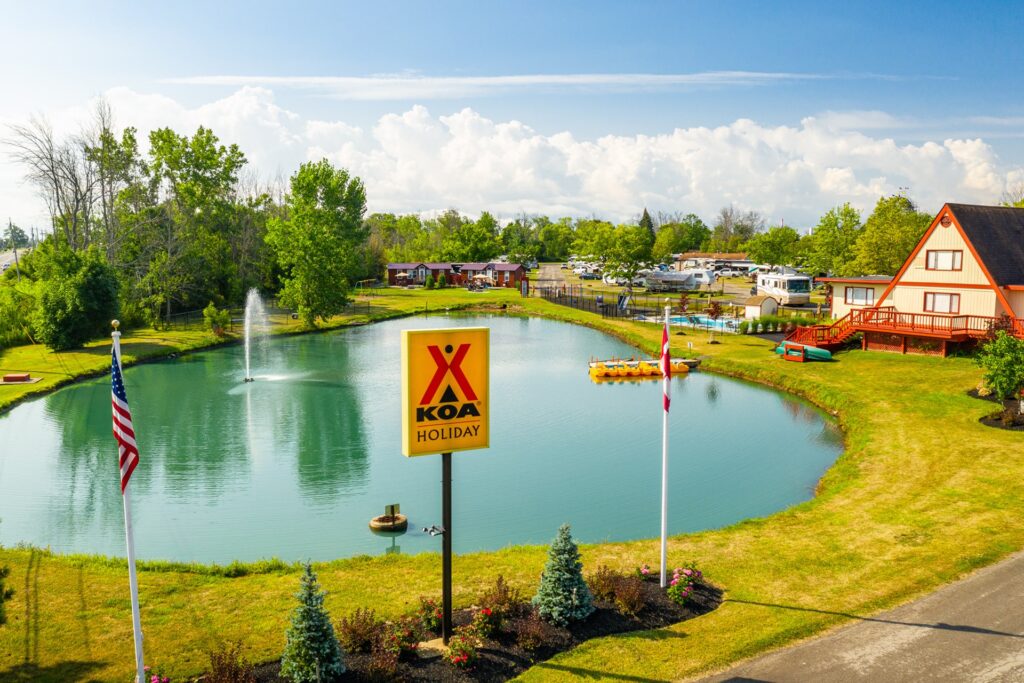
Throughout the 1970s and 1980s, KOA expanded rapidly through a franchise model, becoming the first major brand to offer a predictable experience across state lines. This era saw the introduction of the "signature yellow" branding and the standardized site layouts that remain recognizable today. By the early 2000s, the company began to diversify its offerings to meet the needs of a more discerning traveler, moving beyond simple overnight stops to create destination-style resorts. In 2011, KOA introduced its three-tier branding system—Journey, Holiday, and Resort—designed to categorize campgrounds based on the traveler’s intent and the length of their stay.
Strategic Categorization of the Camping Experience
To manage the expectations of a diverse customer base, KOA segments its properties into three distinct brands. This categorization allows travelers to select a site that aligns with their specific itinerary, whether they are in the midst of a cross-country transit or seeking a week-long family vacation.
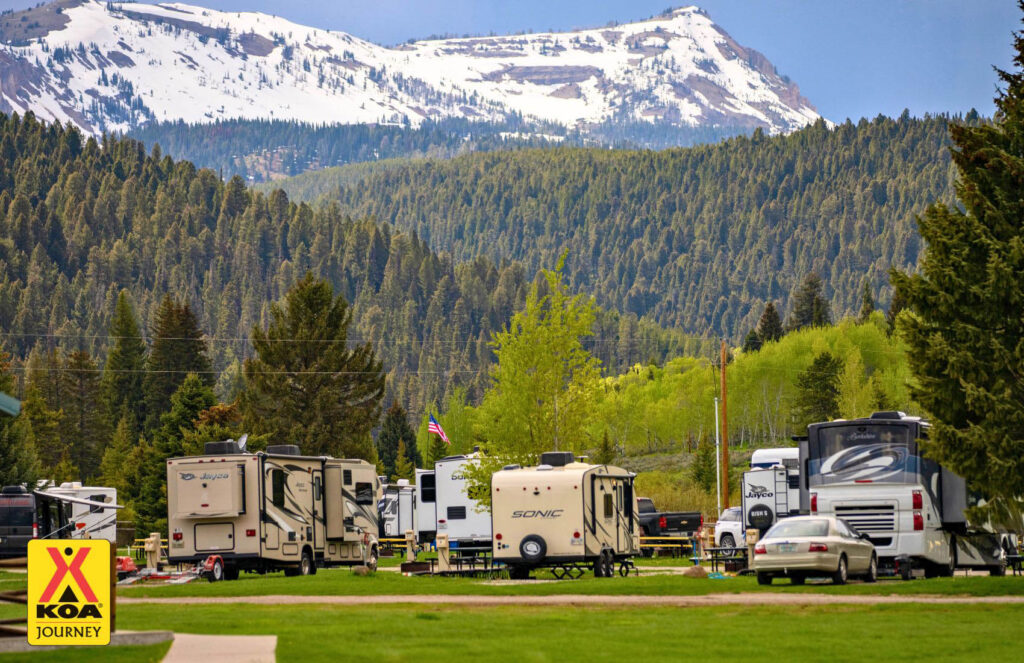
KOA Journey: The Transit Specialist
KOA Journey locations are strategically situated near major highways and interstates. These properties are designed primarily for the "Cross-Country Voyager" or the "Weekend Warrior" who requires a convenient, high-quality stopover. Key features of the Journey brand include well-lit after-hours check-in areas, long pull-through sites that accommodate large rigs without the need to unhook towed vehicles, and robust utility hookups. While these sites provide essential amenities like clean showers and laundry facilities, they prioritize efficiency and accessibility over leisure activities.
KOA Holiday: The Basecamp for Exploration
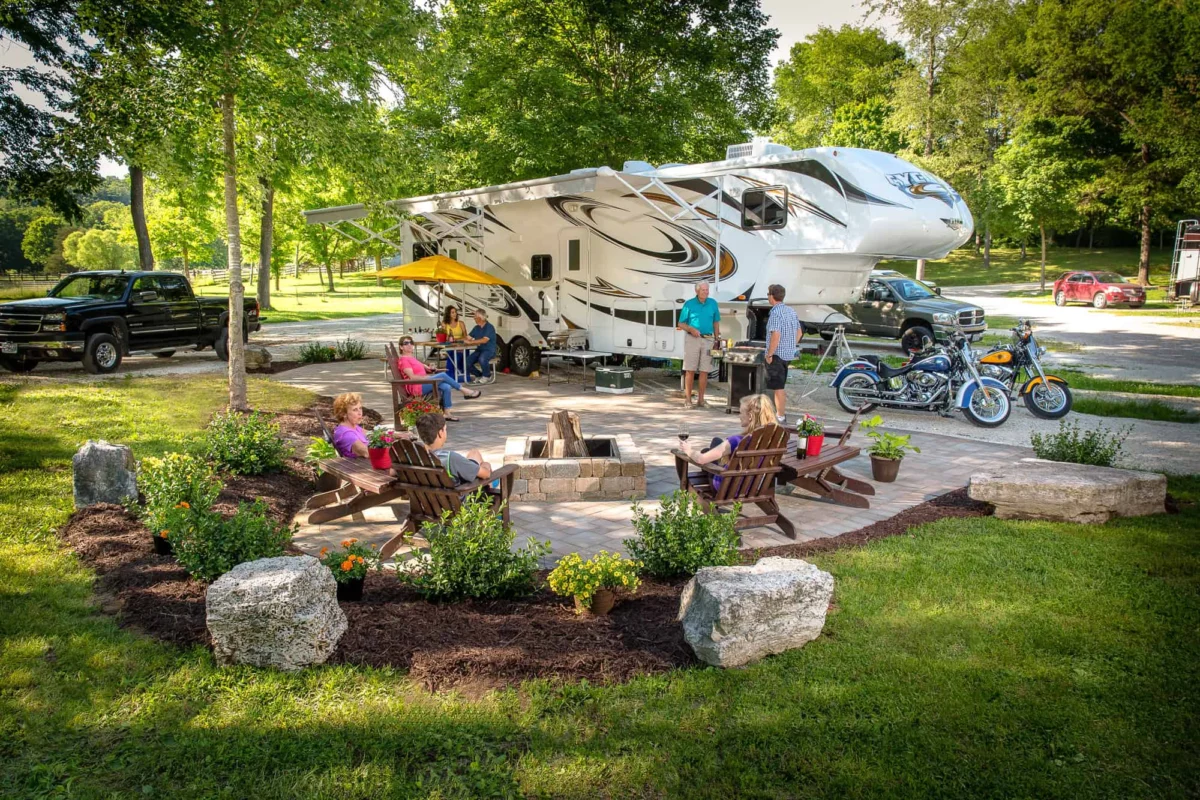
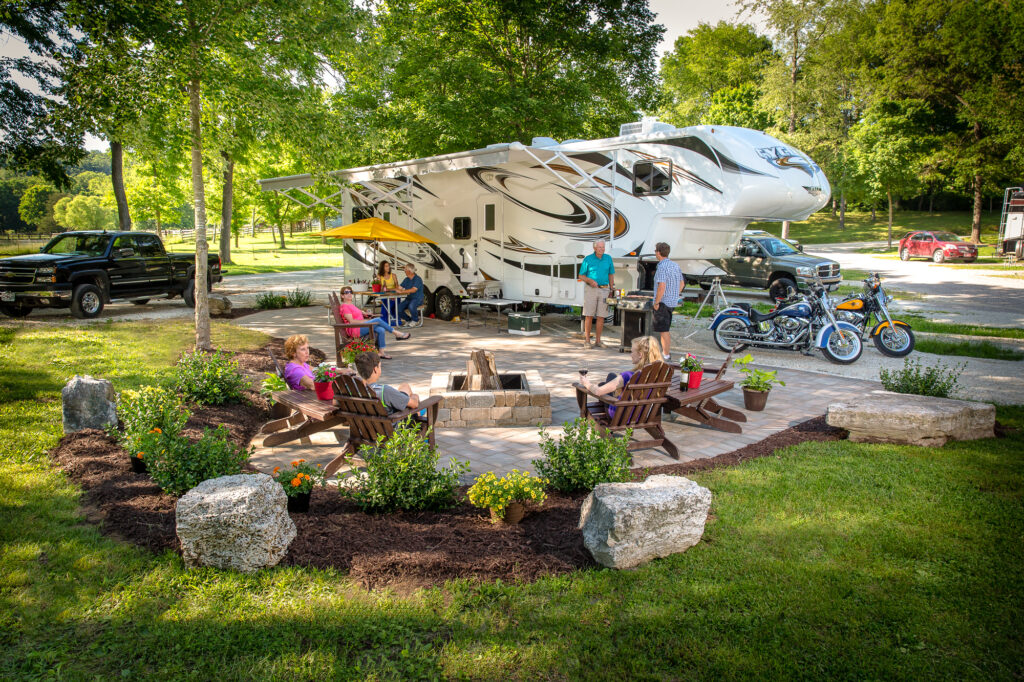
The KOA Holiday tier serves as a middle ground, offering a base for travelers who plan to stay for several days to explore local attractions. These campgrounds are typically located near national parks, historic sites, or coastal regions. They offer expanded amenities, including upgraded patio sites, organized group activities, and enhanced playground facilities. For "The Family Vacationer," the Holiday brand provides a balance of logistical support and recreational opportunity.
KOA Resort: The Destination Campground
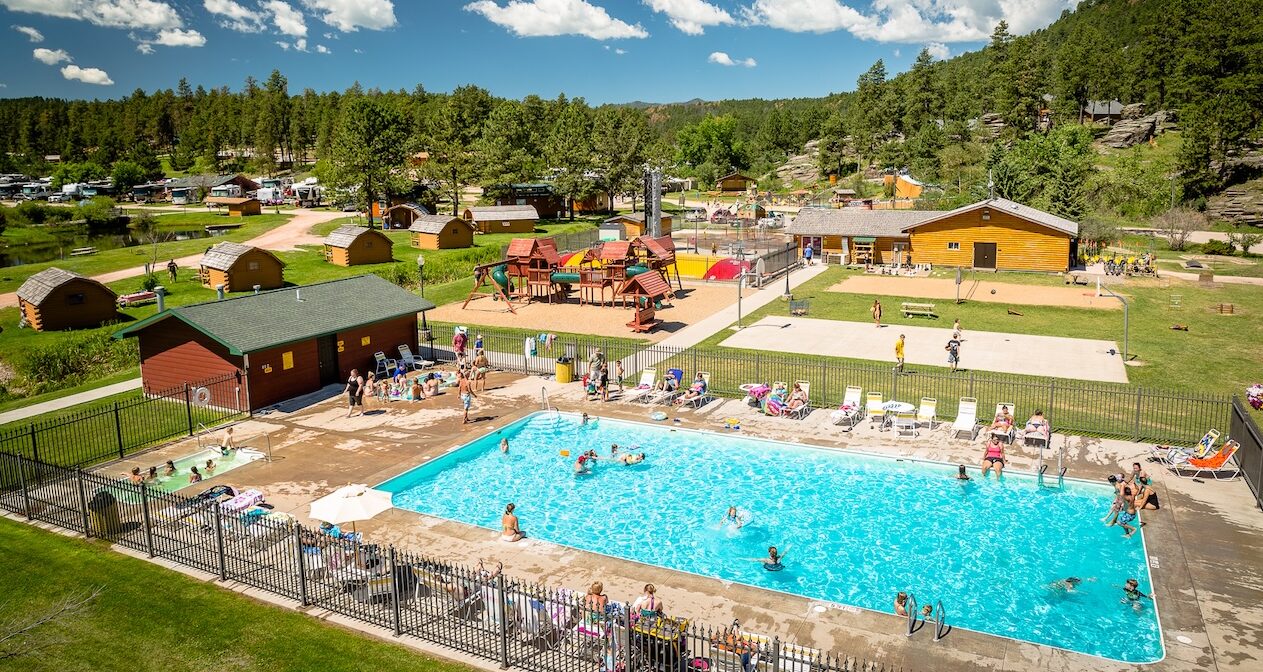
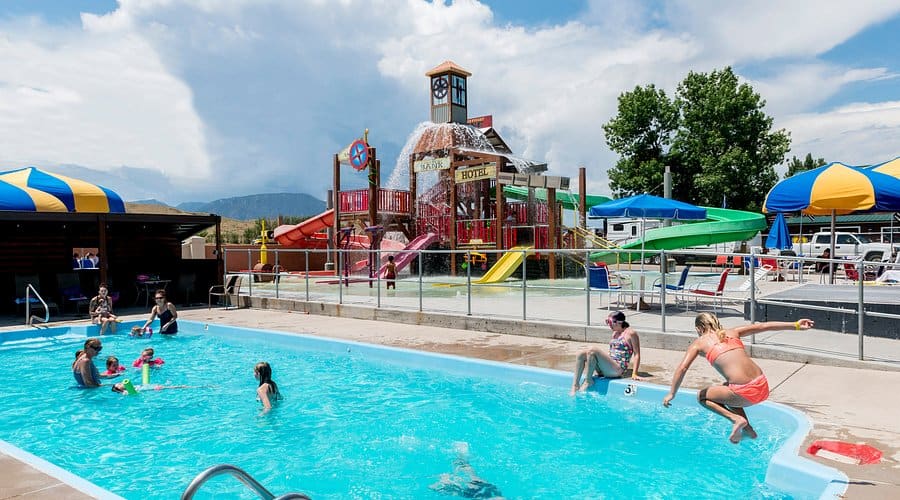
KOA Resorts are designed to be the primary destination of the trip rather than a stop along the way. These locations often feature high-end amenities such as resort-style swimming pools, on-site dining options, staff-led recreation programs, and large communal gathering spaces. They are frequently utilized by "Snowbirds"—retirees who travel south for the winter—and long-term travelers who value a vibrant community atmosphere and a wide array of on-site luxuries.
Technical Infrastructure and Site Specifications
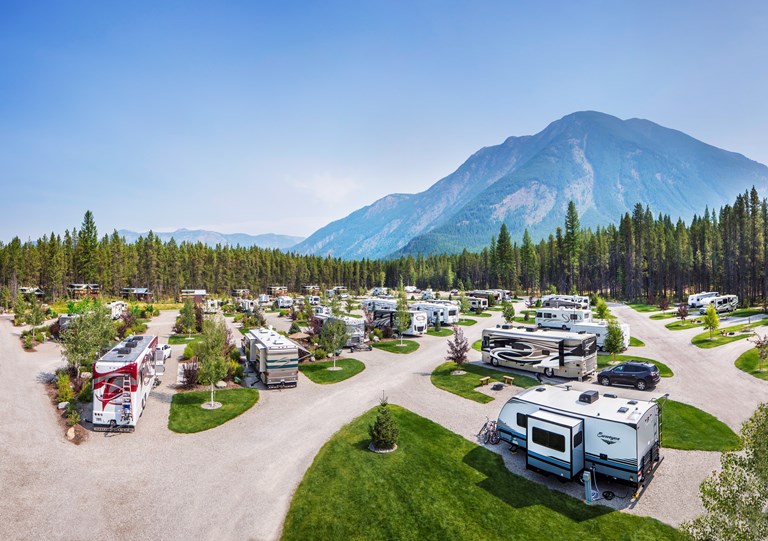
A critical component of the RV experience is the technical compatibility between the vehicle and the campsite. KOA provides a variety of site configurations to accommodate the wide range of RVs on the road, from 15-foot camper vans to 45-foot Class A motorhomes.
Hookup Variations and Power Requirements
Understanding utility hookups is vital for maintaining the functionality of an RV’s internal systems. KOA sites are generally categorized by three levels of service:
- Full Hookups: These sites provide direct connections to water, electricity (typically offering both 30-amp and 50-amp service), and a sewer drain. This is the preferred option for long-term stays and larger rigs with high power demands.
- Partial Hookups: These sites offer water and electricity but lack a dedicated sewer connection. Travelers at these sites must utilize the campground’s central dump station to empty their waste tanks.
- No-Hookup (Dry Camping): Primarily utilized by small vans or those seeking a more traditional "boondocking" experience, these sites provide a designated space without direct utility connections.
Site Geometry: Pull-Through vs. Back-In
The physical layout of the site is another logistical consideration. Pull-through sites allow a driver to enter from one side and exit from the other, eliminating the need for complex backing maneuvers. This is often the preferred choice for novice drivers or those with large fifth-wheel trailers. Back-in sites, while requiring more technical skill to navigate, often provide greater privacy and are frequently situated on the perimeter of the campground, offering better views of the surrounding landscape.
Demographic Shifts and Modern Amenities
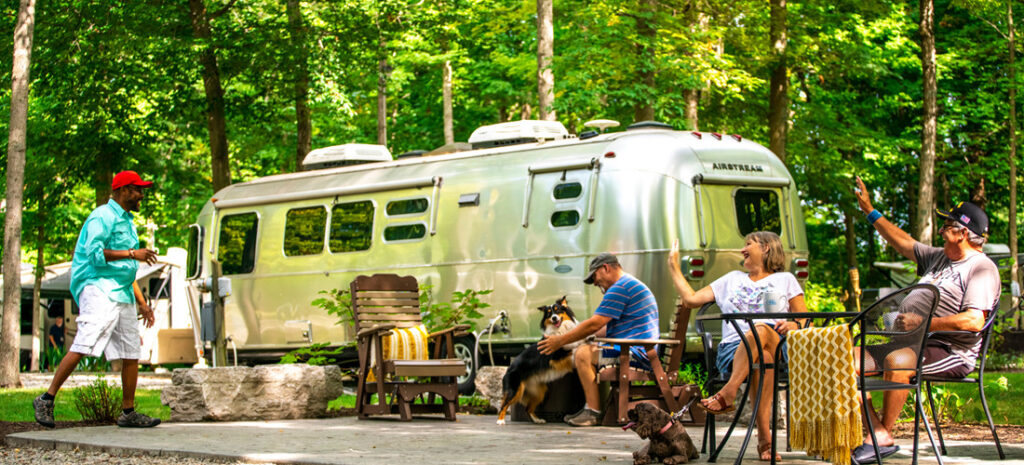
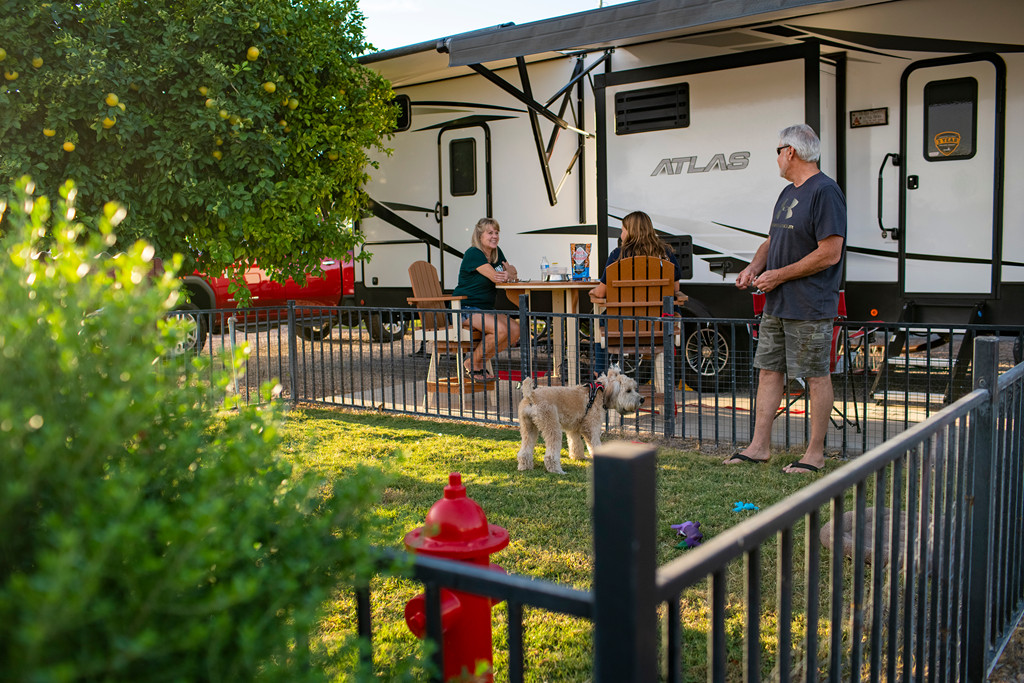
As the median age of the American camper continues to trend younger, KOA has adapted its amenities to meet modern expectations. One of the most significant shifts has been the integration of pet-friendly infrastructure. Industry surveys indicate that approximately 43% of RVers travel with pets, viewing them as integral members of the family.
In response, KOA has implemented the KampK9 program, which mandates fenced, off-leash dog parks at all locations. More recently, the company introduced the KOA Paw Pen, a premium site feature that includes a private, fenced enclosure directly attached to the RV pitch. This allows pets to remain outdoors with their owners in a secure environment, a feature that has become a significant competitive advantage in the private campground market.
Furthermore, the rise of the "digital nomad" has forced a re-evaluation of campground connectivity. While historically a place to disconnect, modern campgrounds are now expected to provide reliable Wi-Fi and cellular signal strength. Most KOA locations have invested in mesh network technology to ensure that travelers can maintain professional obligations or stream entertainment from their rigs.
Economic Implications and the Rewards Framework
The RV industry contributes significantly to the North American economy, with the RVIA estimating a total economic impact of over $140 billion annually. This includes not only the manufacturing and sale of vehicles but also the secondary spending in rural communities where campgrounds are located. KOA’s franchise model ensures that a portion of the revenue generated by travelers remains within the local economy through employment and local sourcing of goods.
To foster brand loyalty in this competitive market, KOA operates a robust rewards program. Members pay an annual fee to receive a 10% discount on nightly stays, along with an accrual system for points that can be redeemed for future stays. This data-driven approach allows the organization to track travel patterns and adjust service levels based on seasonal demand.
Health, Wellness, and Environmental Impact
Beyond the logistical and economic facets, the trend toward RV camping is supported by a growing body of research regarding the health benefits of nature. Studies have consistently shown that time spent in green spaces can lead to lower cortisol levels, improved cardiovascular health, and better sleep quality. By providing a structured environment for these experiences, KOA lowers the barrier to entry for individuals who might be intimidated by more primitive forms of camping.
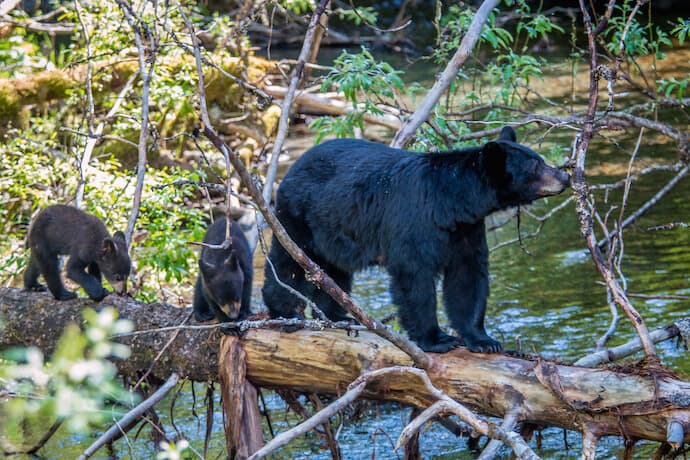
However, the environmental impact of increased RV traffic is a subject of ongoing analysis. Large vehicles consume significant amounts of fuel, and the concentration of campers in sensitive areas can lead to land degradation. In response, many KOA locations have begun implementing sustainability initiatives, such as solar-powered facilities, water conservation systems, and rigorous recycling programs. The organization emphasizes responsible travel through its partnership with "Leave No Trace" principles, encouraging campers to minimize their ecological footprint.
Future Outlook for the RV Industry
As the travel industry continues to evolve, the role of standardized networks like KOA is likely to expand. The ongoing electrification of the automotive industry presents the next major challenge for campground infrastructure. Industry analysts predict that within the next decade, campgrounds will need to transition from traditional power pedestals to high-speed EV charging stations capable of supporting both electric tow vehicles and electric motorhomes.
Furthermore, the integration of artificial intelligence into booking systems is expected to streamline the reservation process further. KOA’s current real-time availability platform is a precursor to more advanced systems that will allow travelers to dynamically adjust their itineraries based on weather patterns, traffic, and real-time site feedback.
In conclusion, KOA represents a stabilized pillar in the often-unpredictable world of outdoor travel. By combining the historical appeal of the American road trip with modern technical standards and a clear brand hierarchy, the organization has created a framework that supports the diverse needs of millions of travelers. Whether serving as a quick overnight stop for a cross-country hauler or a luxurious retreat for a seasonal resident, the modern KOA campground is a reflection of the evolving relationship between North Americans and the great outdoors. As the RV community grows and technology advances, the infrastructure provided by these 500+ locations will remain central to the domestic tourism economy.

