

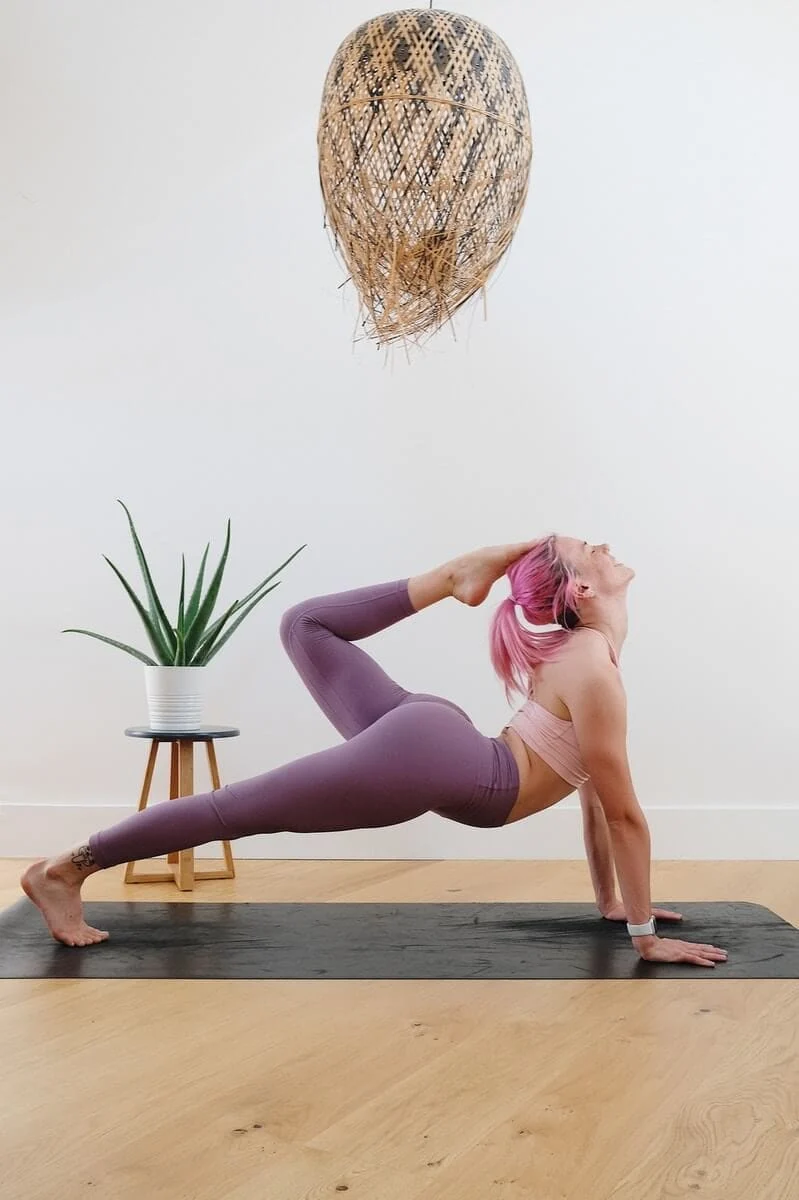
The DoYou Global Yoga Survey 2021, a comprehensive study involving over 10,000 respondents from 124 countries, has revealed a significant and accelerating trend: the overwhelming preference for practicing yoga at home. A striking 85% of survey participants indicated that they primarily engage in home-based yoga sessions, underscoring a profound shift in how individuals worldwide approach their wellness routines. This pivotal finding, emerging from a period heavily influenced by global health crises, provides valuable insights into the evolving landscape of fitness and personal well-being. The survey’s data suggests that convenience, affordability, privacy, and control are the primary motivators driving this widespread adoption of at-home practice.
The Evolution of Yoga Practice: A Shifting Paradigm
Historically, yoga practice has often been associated with communal spaces, from ancient ashrams to modern studios, emphasizing a shared experience under the direct guidance of a guru or instructor. For decades, the Western expansion of yoga saw the proliferation of dedicated studios, becoming hubs for physical and spiritual development, fostering communities, and offering diverse styles. The pre-pandemic era was characterized by a robust studio culture, where the energy of a group class, personalized adjustments, and the social aspect were considered integral to the yoga journey. However, the early 21st century began to witness the nascent stages of digital integration into fitness, with online tutorials and subscription platforms gaining traction, albeit on a smaller scale compared to traditional studio attendance.
The onset of the COVID-19 pandemic in early 2020 served as an unprecedented catalyst, fundamentally reshaping nearly every aspect of daily life, including fitness and wellness. With widespread lockdowns, social distancing mandates, and the temporary closure of gyms and yoga studios globally, individuals were compelled to seek alternatives to maintain their physical and mental health. This period saw an exponential surge in demand for online fitness content, transforming digital platforms from supplementary resources into primary modes of engagement. The DoYou Global Yoga Survey, conducted during this transformative period, captures the immediate and profound impact of these global circumstances on yoga practice, highlighting a rapid acceleration of trends that were already subtly emerging. While the pandemic undoubtedly influenced these numbers, industry analysts suggest that many of these shifts represent a lasting change in consumer behavior rather than a temporary anomaly.
Key Drivers Behind the Home Practice Phenomenet
The survey identified four principal factors contributing to the rise of home yoga, each reflecting broader societal changes and individual preferences:
1. Unparalleled Convenience and Flexibility
The demands of modern life often present significant barriers to consistent fitness routines, and the survey highlighted convenience as the most compelling reason for home yoga practice, cited by 71% of home practitioners. The prospect of commuting to a studio after a long workday, navigating traffic, or adhering to rigid class schedules can be daunting. Home practice eliminates these logistical hurdles entirely. Practitioners gain the freedom to roll out their mat whenever and wherever suits them best—be it first thing in the morning before the day begins, during a lunch break, or late in the evening. This flexibility extends to attire; the comfort of practicing in pajamas, casual wear, or even in the nude, as some respondents humorously noted, removes the pressure of dressing for a public setting.
This emphasis on convenience aligns with a broader societal trend towards on-demand services and personalized experiences. The digital age has accustomed consumers to instant access and customization, and fitness is no exception. For many, integrating yoga into a busy schedule becomes feasible only when it can be seamlessly woven into their existing routine, rather than requiring a separate journey or significant time commitment. Wellness experts often emphasize that consistency is key to reaping the benefits of yoga, and the unparalleled convenience of home practice significantly lowers the activation energy required to maintain a regular routine, making it more accessible to individuals with diverse lifestyles and commitments.
2. Enhanced Affordability and Cost-Effectiveness
Financial considerations play a significant role in lifestyle choices, and 46% of home practitioners cited affordability as a primary motivator. Traditional yoga studio memberships can be a considerable expense, often ranging from $100 to $200 per month, depending on location and studio prestige. When factoring in additional costs such as transportation, specialized yoga attire, and premium equipment, the overall expenditure can become prohibitive for many.
In stark contrast, the digital realm offers a wealth of free and low-cost alternatives. YouTube, for instance, hosts an enormous library of free yoga tutorials catering to all levels and styles, taught by myriad instructors. Beyond free content, numerous subscription-based yoga apps and online platforms provide extensive classes for a fraction of the cost of a studio membership, typically ranging from $10 to $30 per month. This democratization of access makes yoga available to a much broader demographic, removing financial barriers that might otherwise prevent individuals from engaging in the practice. For budget-conscious individuals or those exploring yoga for the first time, the financial accessibility of home practice is an undeniable advantage, allowing them to invest in their well-being without straining their finances.
3. Cultivating Privacy and a Non-Judgmental Space
For many, the initial steps into yoga can be fraught with self-consciousness, a perceived sense of competition, or fear of judgment, particularly in a public studio setting. The survey found that 33% of respondents chose home practice specifically for the privacy it offers. Beginners might feel intimidated by more experienced practitioners, concerned about their form, flexibility, or ability to keep up. Individuals with body image concerns, specific physical limitations, or those simply preferring a solitary spiritual practice often find studios overwhelming.
Practicing yoga at home provides a sanctuary where individuals can explore poses, stumble, and experiment without external scrutiny. This private environment fosters a sense of safety and security, allowing practitioners to focus entirely on their breath, movement, and internal experience. It enables a deeper, more personal connection to the practice, free from the social anxieties that can detract from the meditative and introspective aspects of yoga. A sports psychologist might explain that this private space reduces performance anxiety, allowing individuals to build confidence and develop a sustainable practice at their own pace before potentially seeking communal experiences. This aspect is particularly crucial for those using yoga as a therapeutic tool for mental health, where vulnerability and self-acceptance are paramount.
4. Exercising Control and Personalization
Over 60% of all survey respondents indicated that the instructor and atmosphere were crucial to their enjoyment of a yoga class. This highlights a desire for agency and personalization, which home practice delivers in abundance. At home, practitioners are entirely in control of their experience. They can select the exact style of yoga, the specific instructor (whether a YouTube guru or their own internal guidance), the duration of the practice, the intensity, and even the ambient music or lighting. This level of customization ensures that each session precisely meets their needs and mood for that particular day, whether they seek a vigorous Vinyasa flow, a calming Yin session, or a restorative sequence for a specific ailment.
Contrast this with a studio setting, where schedules are fixed, instructors have their unique styles, and the class flow might not always align with an individual’s immediate requirements. While diversity exists across studios, the home environment offers unparalleled freedom to curate a bespoke yoga journey. This control empowers practitioners to take ownership of their wellness, adapting their practice dynamically to their physical condition, energy levels, and personal goals, thereby enhancing engagement and satisfaction. An experienced yogi might argue that this self-directed approach fosters greater self-awareness and intuition, essential components of an advanced yoga practice.
The Undeniable Downsides of Exclusive Home Practice
While the allure of home practice is strong, the survey and subsequent analysis also underscore its potential pitfalls, particularly for those who practice exclusively without professional guidance.
One of the most significant concerns revolves around safety and correct form. Without the watchful eye of a trained instructor, individuals, especially beginners or those attempting advanced poses, are at a higher risk of developing incorrect alignment. This can lead to inefficient practice, hinder progress, and, critically, increase the likelihood of injury. A pose that feels "right" might actually be placing undue stress on joints or muscles, with subtle errors in form going unnoticed and uncorrected. For individuals with pre-existing injuries or specific health conditions, practicing without personalized feedback from a certified professional can be particularly dangerous, potentially exacerbating issues or causing new ones. Physical therapists routinely emphasize the importance of proper biomechanics, which is difficult to master solely through online videos.
Furthermore, exclusive home practice can lead to a sense of isolation, missing out on the invaluable community benefits that a studio environment offers. Group classes provide a shared energy, a collective motivation, and opportunities for social connection and mutual support. The camaraderie among fellow practitioners, the ability to ask questions, and the subtle cues picked up from observing others are all integral parts of a holistic yoga experience that home practice struggles to replicate. This communal aspect can be a powerful motivator, fostering consistency and a deeper sense of belonging that enhances mental well-being alongside physical health. The absence of this social interaction can, for some, diminish the overall mood boost and spiritual upliftment often associated with yoga.
Navigating the Future: A Hybrid Approach to Wellness
The insights from the DoYou Global Yoga Survey 2021 do not necessarily signal the demise of the traditional yoga studio but rather point towards an evolving landscape where hybrid models are likely to become the norm. The concluding sections of the survey suggest that many practitioners are not choosing one over the other but rather embracing a flexible approach that combines the best of both worlds.
Yoga studios are encouraged to adapt to this new reality by emphasizing their unique strengths: personalized instruction, hands-on adjustments, a dedicated space free from home distractions, and the intangible energy of a collective practice. Many studios have already begun offering hybrid options, including live-streamed classes and on-demand libraries for their members, effectively extending their reach beyond their physical walls. This strategy allows them to cater to the convenience-seeking home practitioner while still providing the in-person experience for those who value it.
For practitioners, the "why not do both" philosophy offers optimal flexibility. Attending studio classes periodically can provide crucial feedback on form, introduce new techniques, and fulfill the need for community and shared energy. Supplementing this with regular home practice allows for consistency, personalization, and cost-effectiveness. This blended approach empowers individuals to tailor their yoga journey precisely to their evolving needs, schedule, and budget.
The DoYou Global Yoga Survey 2021 serves as a significant marker in the timeline of yoga’s modern evolution. While the disclaimer acknowledges the pandemic’s immediate influence, the underlying trends—the pursuit of convenience, affordability, privacy, and control—are deeply embedded in contemporary lifestyles. As the world continues to adapt to new ways of living and working, the surge in home yoga practice is likely to endure, shaping a more diversified, accessible, and personalized future for this ancient discipline. The challenge and opportunity for the yoga industry lie in embracing these shifts, fostering innovation, and ensuring that the profound benefits of yoga remain accessible to all, wherever they choose to unroll their mat.

