

The global personal training market, valued at approximately $14 billion in 2023, is projected to experience a compound annual growth rate (CAGR) of 6.4% through 2030, reflecting a significant societal shift toward preventative healthcare and personalized wellness. As the industry expands, the process of selecting a qualified fitness professional has become increasingly complex, necessitating a rigorous evaluation of credentials, methodology, and professional conduct. While the financial commitment of hiring a personal trainer is substantial, industry experts argue that the true value lies in the mitigation of injury risks and the optimization of long-term health outcomes. Selecting a coach requires more than a cursory glance at physical attributes; it demands an analytical approach to their educational background, their ability to conduct scientific assessments, and their adherence to professional standards.
The Economic and Health Imperative of Professional Coaching
Hiring a personal trainer is increasingly viewed by economists and health policy experts as a strategic investment in human capital. Unlike depreciating assets such as automobiles, professional coaching serves as an investment in a client’s physical longevity and functional capacity. The primary objective of such an engagement is to navigate the complexities of exercise science—including hypertrophy, metabolic conditioning, and injury rehabilitation—in the most time-efficient and safest manner possible.
With the proliferation of "big box" gyms and independent boutique studios, the supply of trainers has surged. However, this saturation has created a "signal-to-noise" problem for consumers. The distinction between a high-level practitioner and an unqualified enthusiast is not always immediately apparent. Consequently, establishing a set of objective benchmarks for selection is essential for ensuring that the consumer’s investment yields measurable physiological returns.
Historical Evolution of Fitness Credentialing
To understand the current landscape of personal training, one must look at the chronology of professionalization within the industry. In the mid-20th century, fitness instruction was largely unregulated and based on anecdotal evidence from bodybuilding and athletics. This began to change in the late 1970s and 1980s with the founding of major certifying bodies.
The National Strength and Conditioning Association (NSCA) was established in 1978, followed by the National Academy of Sports Medicine (NASM) in 1987 and the American Council on Exercise (ACE) in 1985. These organizations sought to bridge the gap between scientific research and practical application. Today, the "gold standard" for the industry involves certifications accredited by the National Commission for Certifying Agencies (NCCA). These credentials ensure that a trainer has achieved a baseline competency in human anatomy, biomechanics, physiology, and emergency protocols. Recent entries into the educational space, such as Show Up Fitness CPT, have further emphasized the importance of hands-on, practical internship models to supplement theoretical knowledge.
Analyzing the Gold Standard Certifications
When evaluating a potential trainer, the verification of formal education is the first line of defense against incompetence. A certification from a reputable body indicates that the individual has passed a rigorous examination covering the following domains:
- Anatomy and Physiology: Understanding the musculoskeletal system and how the body responds to acute and chronic stress.
- Exercise Programming: The ability to design periodized plans that account for progressive overload and recovery.
- Safety and Risk Management: Knowledge of contraindications for exercise and the ability to provide first aid or CPR if required.
Experts suggest that while a certification is a minimum requirement, it is the beginning of a professional’s journey. The most effective trainers often pursue specialized credentials, such as the Certified Strength and Conditioning Specialist (CSCS) for athletic populations or advanced degrees in exercise science.
The Scientific Necessity of Pre-Activity Assessments
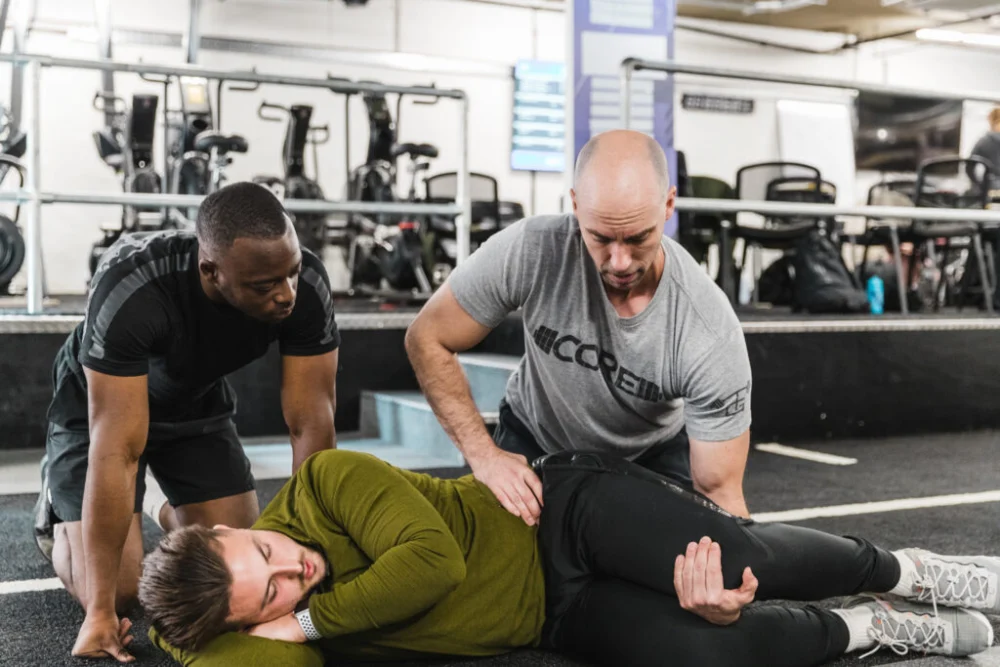
A defining characteristic of a professional fitness engagement is the "intake" or "assessment" session. In a clinical or high-performance setting, beginning a physical regimen without an assessment is considered a violation of professional ethics. A thorough assessment typically includes a medical history review (often using the Physical Activity Readiness Questionnaire or PAR-Q), a discussion of previous injuries, and a movement screen.
Movement screens, such as the Functional Movement Screen (FMS), allow trainers to identify biomechanical "speed bumps"—asymmetry, limited range of motion, or stability issues—that could lead to injury under heavy loads. If a trainer attempts to move directly into high-intensity training without evaluating these variables, it indicates a lack of systematic methodology. From a journalistic and safety perspective, the absence of an assessment is a significant red flag, suggesting that the trainer is using a "one-size-fits-all" approach rather than a bespoke program tailored to the individual’s unique structural needs.
Communication Standards and the Risks of Unregulated Terminology
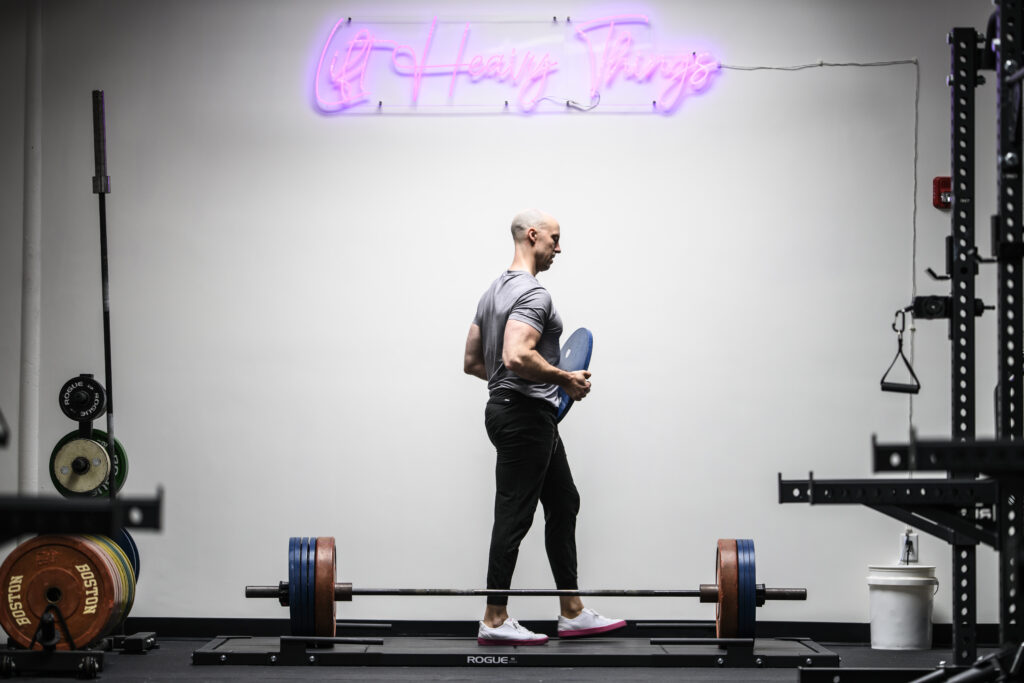
The fitness industry is frequently criticized for its use of nebulous and hyperbolic language. Terms such as "transformation guru," "body architect," or "bio-hacker" often serve as marketing veneers that lack scientific definition. In professional strength and conditioning circles, clarity and conciseness are prioritized.
A qualified professional should be able to describe their role and methodology without resorting to "word vomit" or pseudo-scientific jargon. They are, fundamentally, coaches or trainers. This linguistic transparency is a proxy for their underlying philosophy: those who rely on mystique often lack a firm grasp of the basic principles of biology and physics. A trainer who can explain the "why" behind an exercise in simple, actionable terms is generally more competent than one who hides behind elaborate, invented titles.
The Digital Paradigm: Evaluating Trainers in the Social Media Era
In the contemporary market, social media serves as a primary resume for many trainers. However, this has introduced a conflict between "performative" content and "educational" content. Analysts have noted a trend where trainers prioritize their own physical attributes and "aesthetic" appeal over the results and safety of their clients.
A professional social media presence should ideally focus on:
- Client Success Stories: Showcasing the progress of diverse populations, not just elite athletes.
- Educational Content: Providing value through tips on form, recovery, and nutrition.
- Professionalism: Demonstrating a commitment to the craft rather than self-promotion.
When a trainer’s digital feed is dominated by self-portraits (often referred to as "performative" posts) rather than client-centered data, it may indicate a lack of coaching depth. While personal fitness is a prerequisite for the job, the ability to transfer that fitness to a client is a separate skill set entirely.
Interpersonal Dynamics and Professionalism
The "soft skills" of personal training—interpersonal communication, empathy, and punctuality—are frequently undervalued but are critical to client retention and success. Research into the psychology of exercise suggests that the "therapeutic alliance" between a coach and a client is a primary driver of consistency.
If the initial interaction with a trainer is friction-filled or if their personality is incompatible with the client’s learning style, the long-term viability of the program is at risk. Furthermore, professional conduct extends to attire and environment. While the gym is a casual setting, the trainer is still in a place of business. Adherence to a professional dress code and a focused, client-centric demeanor during sessions are hallmarks of a career-minded professional.
Broader Implications for Public Health and Injury Mitigation
The implications of high-quality personal training extend beyond individual aesthetics. On a macro level, qualified trainers act as a bridge between sedentary lifestyles and active health, potentially reducing the long-term burden on the healthcare system. By coaching proper movement patterns, trainers help prevent chronic issues such as lower back pain, which costs the U.S. economy over $100 billion annually in lost wages and medical expenses.
Conversely, the rise of unqualified "influencer-trainers" poses a public health risk. Improperly prescribed exercises can lead to acute injuries, such as disc herniations or ligament tears, which may discourage individuals from pursuing fitness altogether. This highlights the need for continued industry self-regulation and consumer education.
In summary, the process of hiring a personal trainer should be treated with the same due diligence as any professional service. By prioritizing NCCA-accredited certifications, demanding a comprehensive initial assessment, and evaluating the trainer’s communication and professional standards, consumers can ensure that their investment in their health is both safe and effective. As the fitness industry continues to evolve, the distinction between professional coaching and amateur instruction will remain the most critical factor in achieving sustainable physical transformation.

