

The Historical Trajectory of Kampgrounds of America
The origins of KOA date back to 1962, a period defined by the expansion of the U.S. Interstate Highway System. Recognizing the need for reliable overnight accommodations for travelers heading to the Seattle World’s Fair, Dave Drum established the first KOA on the banks of the Yellowstone River in Billings, Montana. The initial offering was rudimentary—a patch of land, a fire ring, and a picnic table for $1.75 per night. However, the business model proved revolutionary by applying the franchise system to the fragmented world of independent campgrounds.
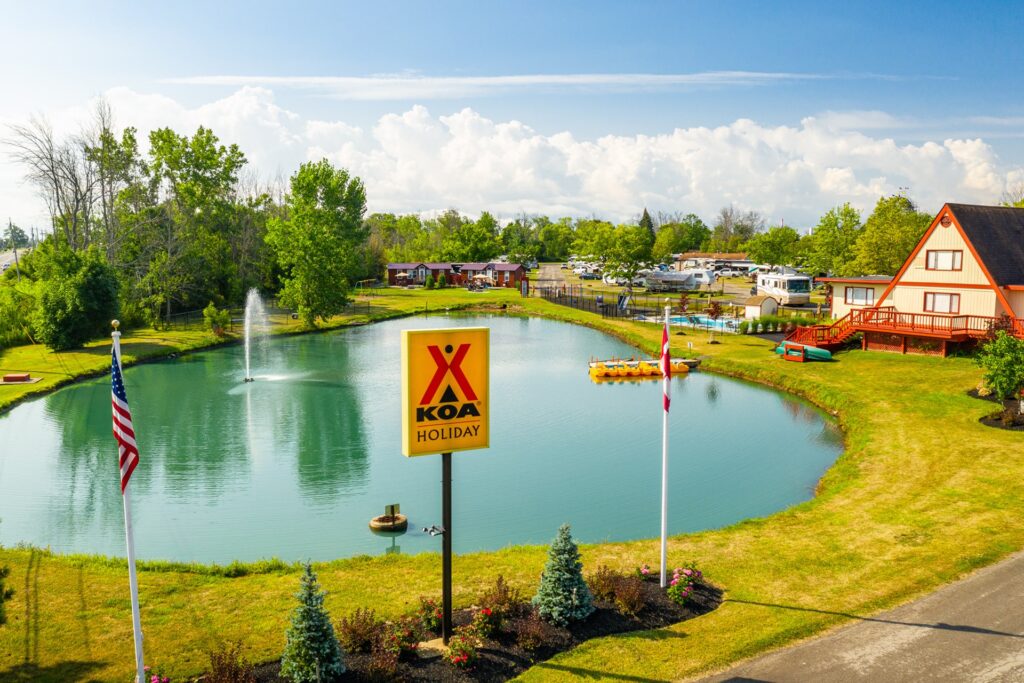
Over the ensuing six decades, KOA transformed into the world’s largest system of open-to-the-public campgrounds. The brand’s iconic yellow sign became a symbol of consistency in an industry often characterized by varying levels of quality. By the 21st century, the company moved beyond simple overnight stops, categorizing its properties into three distinct brands—Journey, Holiday, and Resort—to cater to the diversifying needs of modern travelers, ranging from long-haul truckers and "digital nomads" to family vacationers and seasonal "snowbirds."
Market Demographics and the RV Boom
The current state of RV camping is supported by robust demographic data. According to the RV Industry Association (RVIA), approximately 8.1 million North American households currently own an RV. However, the potential for market growth is even more substantial, with an estimated 16.9 million households expressing an active interest in joining the RV community.
This surge in interest is not merely a byproduct of the COVID-19 pandemic, though that era accelerated the trend. Rather, it reflects a broader cultural shift toward "wellness tourism." Research indicates that spending time in natural environments is linked to physiological benefits, including reduced cortisol levels, improved circadian rhythms, and enhanced cognitive function. By providing structured, safe environments for nature-based recreation, KOA has positioned itself as an essential service provider for a population increasingly seeking a reprieve from urban density and digital saturation.
Structural Classification: Journey, Holiday, and Resort
To manage the expectations of a diverse clientele, KOA implemented a branding strategy that segments its 500+ locations based on their intended use and geographic location. This classification system allows travelers to select a site that aligns with their specific itinerary requirements.
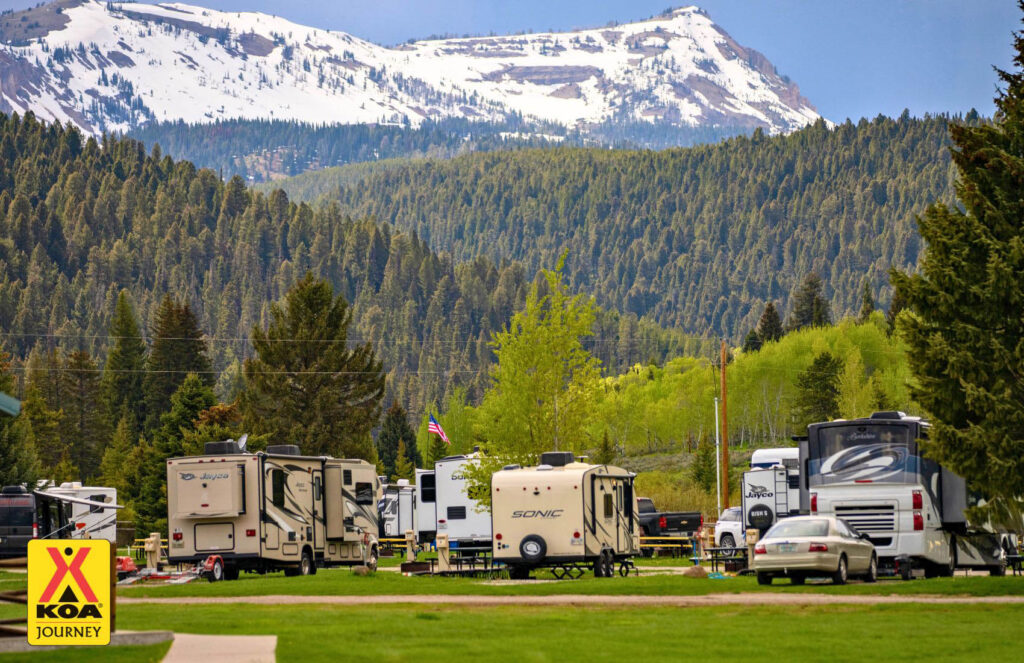
KOA Journey
These campgrounds are strategically located near major highways and thoroughfares. They are designed primarily for the "cross-country voyager" who requires a reliable, clean, and easily accessible location for an overnight stay. Key features of Journey locations include well-lit after-hours check-in areas, long pull-through sites that accommodate large rigs without the need to unhook tow vehicles, and robust utility hookups.
KOA Holiday
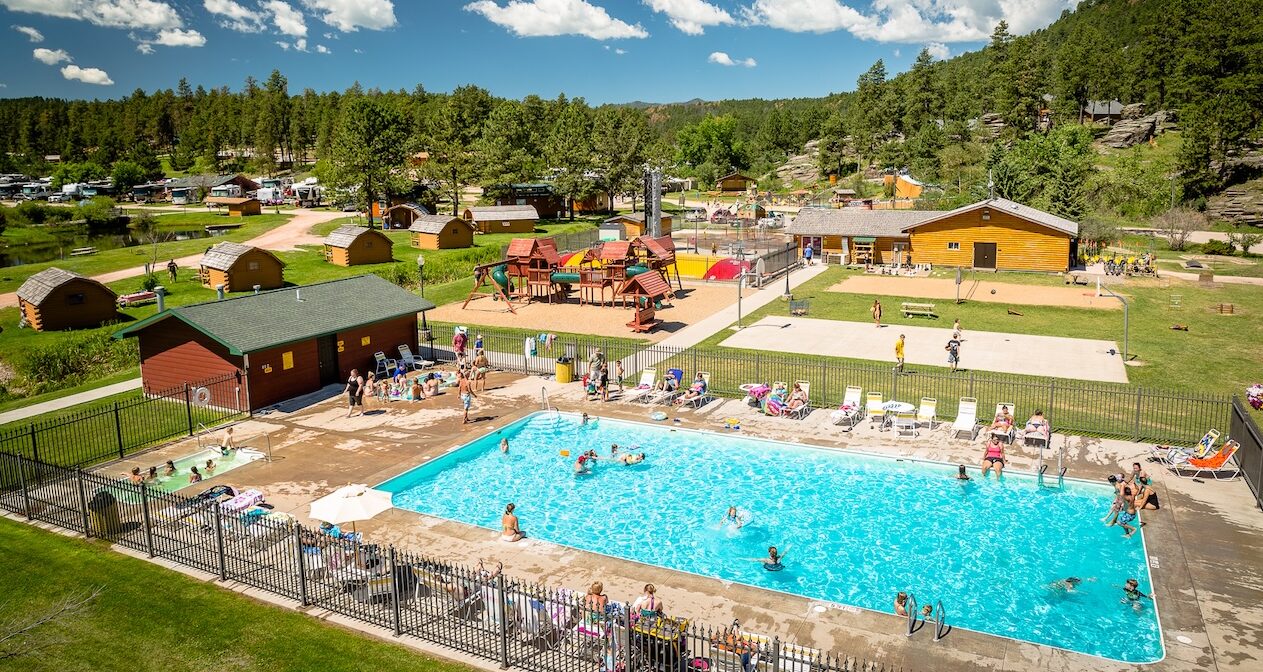
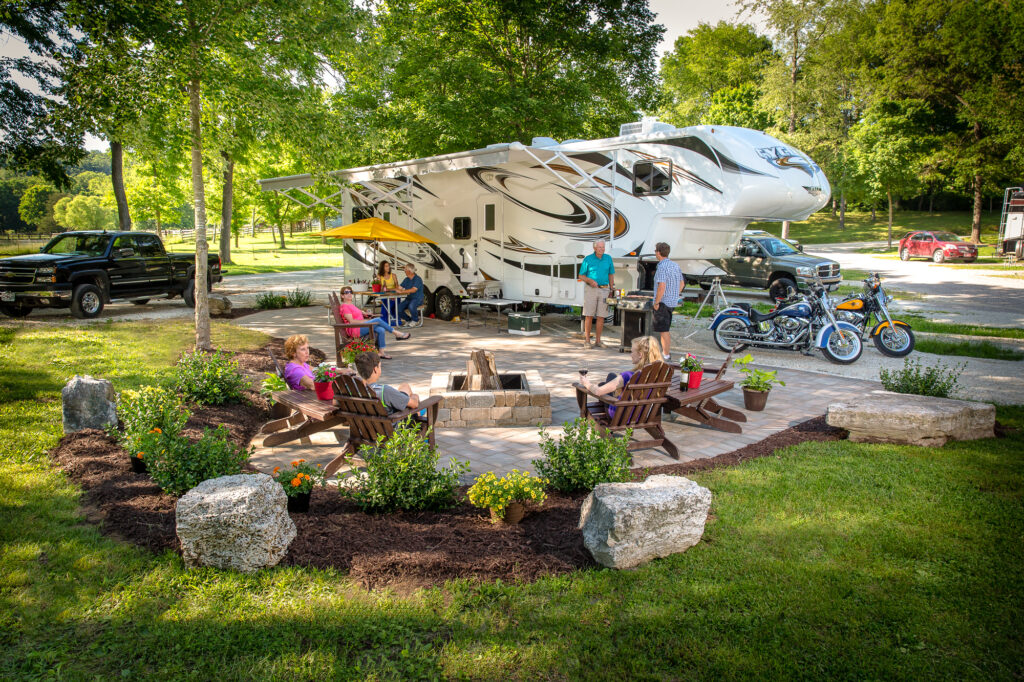
Positioned as "basecamps for exploring the area," Holiday locations are typically found near major tourist attractions or national parks. These sites offer an upgraded experience compared to Journey locations, featuring expanded amenities such as large pavilions for group gatherings, organized family activities, and premium "Patio Sites." They cater to the "Weekend Warrior" and families who intend to stay for several days while exploring the surrounding region.
KOA Resort
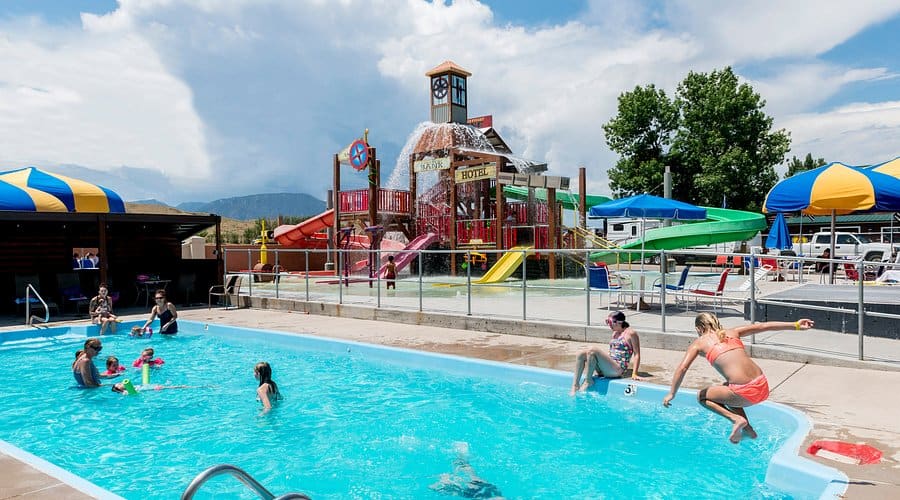
The Resort tier represents the pinnacle of the KOA system. These are destination campgrounds where the facility itself is the primary attraction. They feature resort-style swimming pools, on-site dining options, mini-golf, and comprehensive recreational programs. These locations are favored by "Snowbirds" and long-term travelers who seek a community atmosphere and a high level of service during extended stays.
Technical Infrastructure and Site Specifications
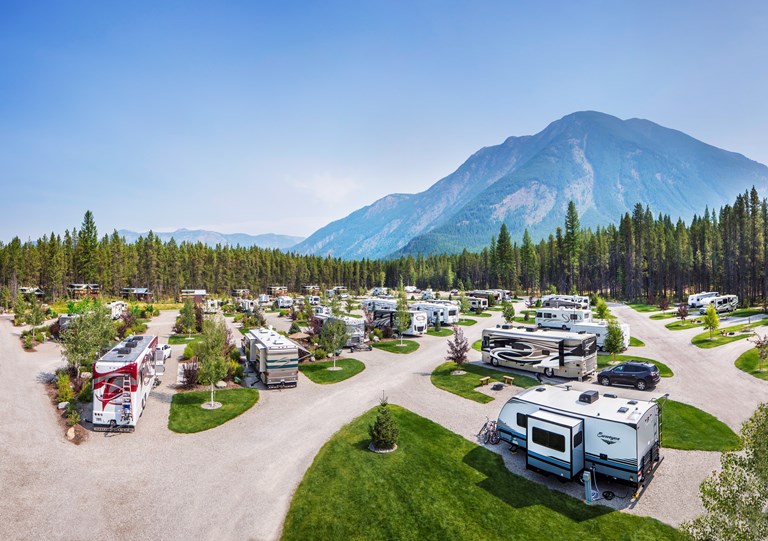
A critical component of the RV experience is the technical compatibility between the vehicle and the campsite. Modern RVs range from compact Class B camper vans to massive 45-foot Class A motorhomes and fifth-wheel trailers. KOA’s infrastructure is engineered to accommodate this spectrum through varied site configurations.
Utility Hookups
The standard for modern RVing is the "full hookup" site. This includes three essential connections:
- Electricity: Sites typically offer 30-amp or 50-amp service. High-end motorhomes with multiple air conditioning units require 50-amp service, whereas smaller trailers may only need 30-amp.
- Water: Direct pressurized water connections to the RV’s internal plumbing system.
- Sewer: A dedicated port for the disposal of grey and black water tanks, essential for long-term stays.
For those seeking a more traditional experience or traveling in self-contained units, KOA also offers partial hookups (water and electric only) or primitive "dry camping" sites.
Site Geometry: Pull-Through vs. Back-In
The physical layout of a campsite is a major consideration for RV operators. Pull-through sites are designed for ease of use, allowing the driver to enter from one end and exit from the other. This is particularly advantageous for novice drivers or those operating large rigs with tow vehicles. Back-in sites, while requiring more maneuvering skill, often provide more privacy and are frequently situated along the perimeter of the campground, offering better views of natural features.
Specialized Amenities and Pet-Friendly Innovation
As the demographics of camping shift, so too have the amenities. While laundry facilities, playgrounds, and convenience stores remain staples of the KOA network, the company has introduced specialized features to meet modern demands.
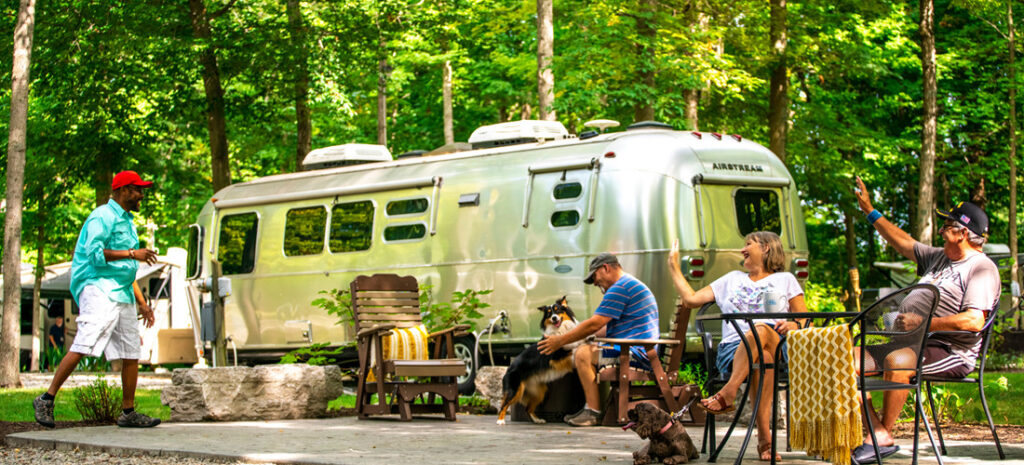
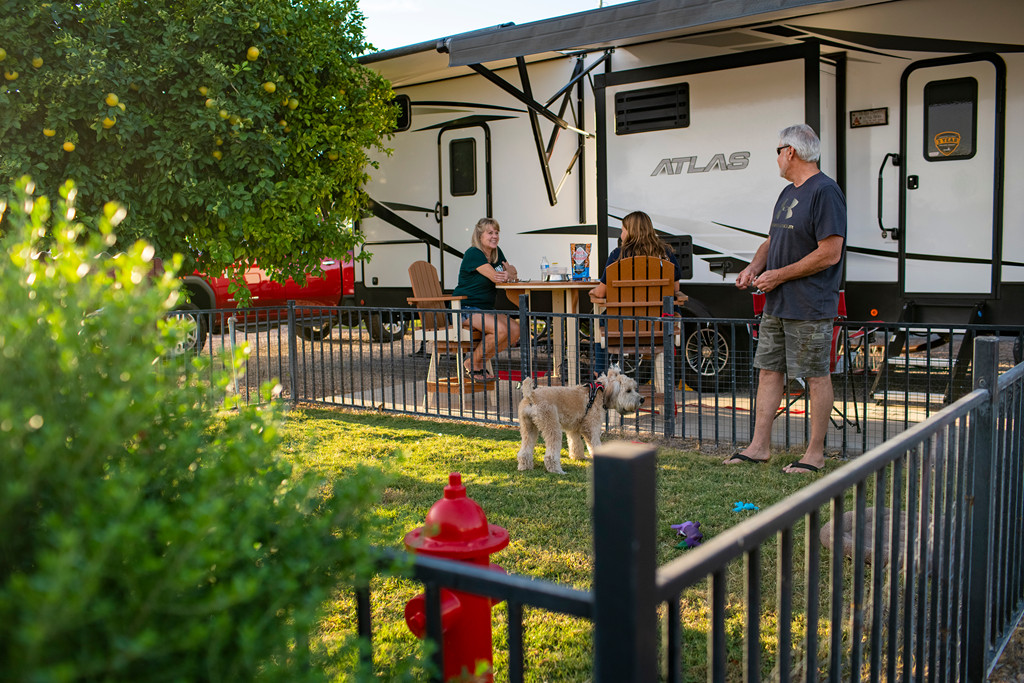
One of the most significant trends in RV travel is the inclusion of pets. Industry data suggests that approximately 43% of RVers travel with dogs. In response, KOA developed the KampK9 program, which mandates fenced, off-leash dog parks at its locations. More recently, the brand introduced "Paw Pen" sites—private, fenced enclosures within an individual campsite, allowing pets to roam freely outside the RV without being tethered.
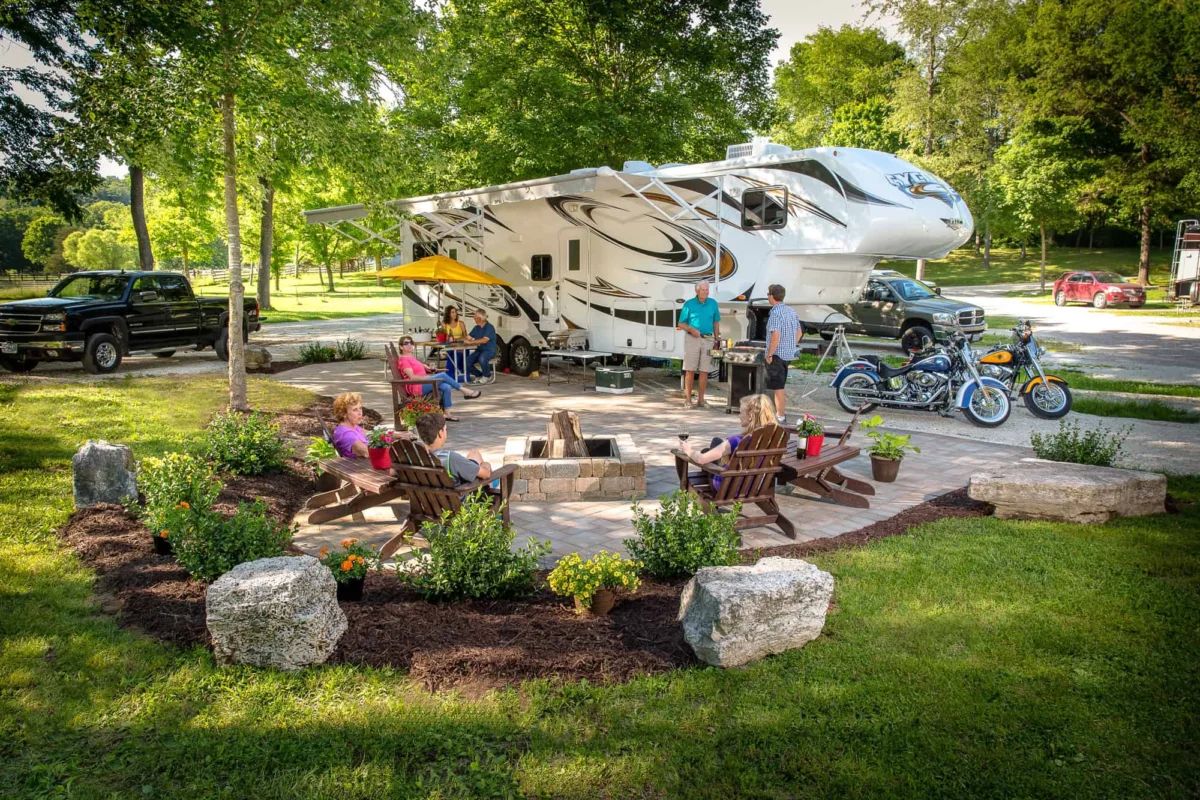
Furthermore, the "KOA Patio" site has redefined the premium camping experience. These sites replace the traditional dirt or gravel pad with an extended masonry or concrete patio, high-quality outdoor furniture, and upgraded fire features. This move toward "glamping" or luxury camping reflects a consumer willingness to pay a premium for comfort and aesthetics in a wilderness setting.
Digital Integration and the Loyalty Ecosystem
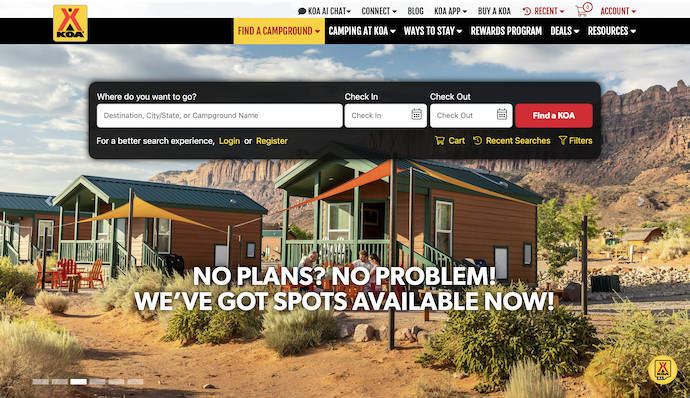
In an era of instant gratification, KOA has invested heavily in digital infrastructure. The company’s centralized booking platform provides real-time availability across its entire network, a feature that was historically difficult to find in the campground industry. The system allows users to filter by rig length, hookup type, and specific amenities, reducing the friction of travel planning.
To foster brand loyalty, the KOA Rewards program offers a structured incentive system. Members receive a 10% discount on nightly rates and accumulate points that can be redeemed for future stays. This data-driven approach allows KOA to track travel patterns and tailor its offerings to the specific behaviors of its most frequent guests. Industry analysts note that such loyalty programs are crucial for maintaining market share as newer, boutique outdoor hospitality brands enter the space.
Broader Economic and Environmental Implications
The expansion of the KOA network has significant implications for local economies, particularly in rural areas. A 500-site campground can bring thousands of visitors to a small town annually, supporting local grocery stores, fuel stations, and tourism operators. KOA’s presence often acts as an economic anchor, providing seasonal employment and tax revenue.
From an environmental perspective, the "Green Global Travel" movement has pushed organizations like KOA to adopt more sustainable practices. Many locations have implemented water conservation systems, LED lighting, and waste reduction programs. Furthermore, the very nature of RV travel, when managed responsibly, can have a lower carbon footprint than traditional international air travel and hotel stays, provided travelers adhere to "Leave No Trace" principles and utilize modern, fuel-efficient vehicles.
Conclusion: The Future of the Open Road
The success of KOA is a testament to the enduring appeal of the North American landscape and the human desire for mobility. By providing a standardized, reliable, and technologically advanced platform for RV camping, KOA has lowered the barrier to entry for millions of aspiring adventurers. As the industry continues to evolve with the introduction of electric RVs and increased demand for high-speed satellite internet in remote areas, the infrastructure provided by KOA will likely remain the foundation upon which the future of outdoor travel is built. Whether for a single night on a cross-country trek or a month-long seasonal retreat, the "yellow sign" continues to define the modern RV experience.

