

The traditional medical landscape regarding postpartum recovery has long emphasized rest and a cautious return to physical activity, often limiting recommendations to pelvic floor contractions, commonly known as Kegels. However, a growing body of evidence and a shift in clinical perspective are highlighting the necessity of a more robust, multi-faceted approach. Fitness professionals and corrective exercise specialists are increasingly advocating for the integration of structured resistance training and advanced respiratory mechanics to address the physiological changes that occur during and after pregnancy. This shift moves away from viewing the postpartum period as a state of fragility and instead approaches it as a phase requiring strategic rehabilitation and progressive loading.
The Shift in Postpartum Clinical Guidance
For decades, the standard advice for postpartum women was to wait for a six-week clearance from a physician before engaging in any exercise beyond walking. Once cleared, the focus remained narrow, primarily targeting the pelvic floor through isolated contractions. While the American College of Obstetricians and Gynecologists (ACOG) has updated its guidelines to encourage physical activity, the implementation of these guidelines in clinical and fitness settings has often lagged.
Current trends in sports medicine and physical therapy suggest that the "rest-only" approach may contribute to long-term issues such as pelvic organ prolapse (POP), diastasis recti abdominis (DRA), and chronic lower back pain. Experts like Dr. Sarah Duvall, founder of the Pregnancy & Postpartum Corrective Exercise Specialist program, argue that while Kegels serve a specific purpose, they are frequently over-utilized or used in isolation without addressing the broader biomechanical system. The emerging consensus is that the postpartum body requires a comprehensive re-integration of the "core canister"—a system involving the diaphragm, the abdominal wall, and the pelvic floor working in concert.
Physiological Foundations of the Postpartum Body
During pregnancy, the female body undergoes significant anatomical and hormonal changes. The growing uterus displaces internal organs and stretches the abdominal muscles, often leading to DRA, a separation of the rectus abdominis muscles. Simultaneously, the pelvic floor experiences increased pressure and, in the case of vaginal delivery, potential trauma or nerve damage. Hormones like relaxin increase ligamentous laxity, which can persist for months after childbirth, particularly during breastfeeding.

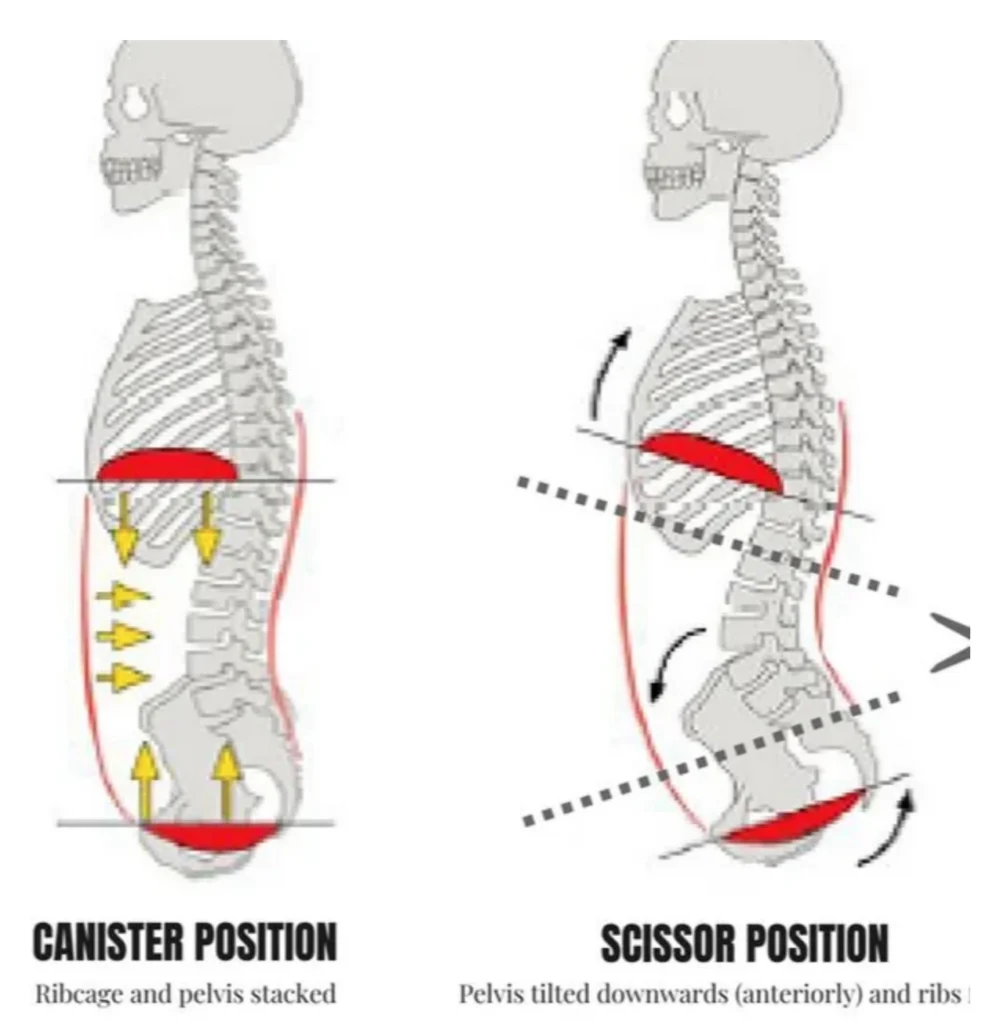
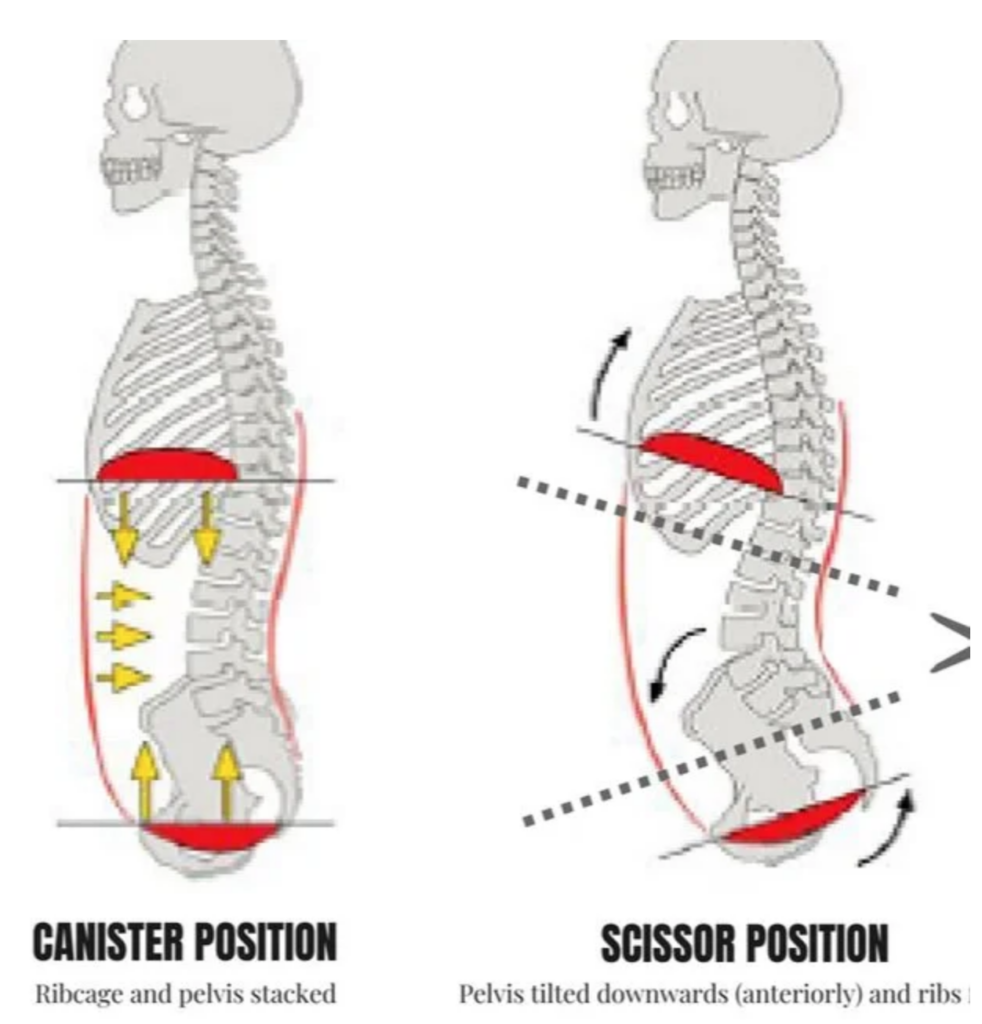
These changes often result in a "rib flare" or an "open scissors" posture, where the ribcage is tilted upward and the pelvis is tilted forward (anterior pelvic tilt). This misalignment disrupts the optimal functioning of the diaphragm and the pelvic floor. Strength training, when applied with a focus on alignment and pressure management, seeks to correct these postural shifts. By utilizing resistance, practitioners can help "cement" new, more efficient movement patterns that protect the pelvic floor while building the strength necessary for the demands of motherhood.
Beyond the Kegel: The Mechanics of the Pelvic Floor
While the Kegel exercise remains a valid tool for increasing awareness and initial strength of the pelvic floor muscles, its limitations are becoming more apparent. Research indicates that approximately 25% to 30% of women perform Kegels incorrectly, often "bearing down" instead of lifting, which can exacerbate pelvic floor dysfunction. Furthermore, an over-reliance on isolated contractions can lead to a "hypertonic" or overactive pelvic floor. A hypertonic pelvic floor is tight but weak, unable to relax or contract through a full range of motion, which can lead to pelvic pain and urinary urgency.
The modern approach emphasizes the "eccentric" or lengthening phase of the pelvic floor. Just as a bicep must be able to lengthen to function properly, the pelvic floor must be able to expand and relax. This is achieved through specific breathing techniques that coordinate the diaphragm with the pelvic floor. When a person inhales, the diaphragm should descend, and the pelvic floor should respond by expanding and descending slightly—a concept often described as moving the "ground floor of the house to the basement."
The Canister Model and Respiratory Integration
Central to the new paradigm of postpartum recovery is the "canister model." This model views the torso as a pressurized cylinder, with the diaphragm at the top, the pelvic floor at the bottom, and the transverse abdominis and multifidus forming the walls. For the system to manage intra-abdominal pressure (IAP) effectively during movement or lifting, the top and bottom of the canister must be stacked—a position where the ribcage is directly over the pelvis.
Positional breathing drills are the primary method for re-establishing this connection. A "360-degree inhale" involves expanding the ribcage in all directions, including the back and sides, which encourages the diaphragm to contract and relax properly. This is followed by a long, controlled exhale that encourages the pelvic floor to lift and the abdominal wall to engage without aggressive "bracing" or "bearing down." This mechanism is crucial for safely managing the pressure generated during strength training.

Chronology of Postpartum Physical Progression
The transition from immediate postpartum recovery to high-level strength training is a longitudinal process that generally follows four distinct phases:
- The Healing Phase (0-6 Weeks): The primary focus is on tissue healing and gentle mobility. Exercises are largely limited to diaphragmatic breathing and pelvic floor "pulses" to re-establish the mind-muscle connection.
- The Re-connection Phase (6-12 Weeks): Once medical clearance is obtained, the focus shifts to "knitting" the canister back together. This involves more complex breathing drills, such as the "deadbug" exercise, which challenges the ability to maintain a neutral spine and stacked ribcage while moving the extremities.
- The Functional Loading Phase (3-6 Months): Introduction of bodyweight movements that mimic daily activities, such as squats, hinges, and carries. The emphasis remains on the timing of the breath with the movement—inhaling on the descent to allow pelvic floor expansion and exhaling on the exertion to provide support.
- The Progressive Resistance Phase (6 Months+): The introduction of external loads, such as dumbbells, kettlebells, and eventually barbells. At this stage, the goal is to build absolute strength. This phase is essential because the physical demands of parenting—lifting a growing child, carrying heavy car seats, and managing household tasks—require significant force production.
Clinical Data and Efficacy of Strength Interventions
Supporting the push for more active postpartum recovery are various clinical studies. According to data published in the British Journal of Sports Medicine, women who participate in supervised pelvic floor muscle training are 17% less likely to report urinary incontinence in the late stages of pregnancy and the early postpartum period.
Furthermore, a study in the Journal of Women’s Health Physical Therapy found that strength training protocols that included heavy resistance (relative to the individual’s capacity) did not increase the risk of pelvic organ prolapse, provided that the participants were trained in proper pressure management techniques. On the contrary, building global strength in the glutes, hips, and back was shown to provide better structural support for the pelvic floor, reducing the symptomatic burden of prolapse.
Expert Perspectives and Professional Training Standards
The fitness industry has seen a rise in specialized certifications aimed at bridging the gap between physical therapy and general personal training. Organizations like the National Academy of Sports Medicine (NASM) and independent specialists like Tony Gentilcore and Dr. Sarah Duvall have emphasized that "postpartum is forever." This means that the biomechanical considerations of having given birth remain relevant whether a woman is six months or six years postpartum.
"Strength training is the part where we ‘cement’ the awareness into place," notes the prevailing philosophy among these specialists. The consensus among top-tier coaches is that "lifting shit"—a colloquial term for progressive resistance training—is not merely about aesthetics but about functional longevity. They argue that a woman who can safely deadlift 100 pounds is much less likely to injure her pelvic floor or back when lifting a 30-pound toddler from a car seat.
Long-term Health Implications and Broader Impact
The implications of this shift in postpartum care extend beyond individual physical health. By reducing the prevalence of chronic issues like incontinence and pelvic pain, active recovery protocols have the potential to decrease long-term healthcare costs. Urinary incontinence alone costs the U.S. healthcare system billions of dollars annually in treatments, surgeries, and supplies.
Moreover, there is a significant mental health component. Postpartum depression (PPD) and anxiety are closely linked to a woman’s sense of autonomy and physical well-being. Engaging in a structured strength program can provide a sense of agency, improve body image, and trigger the release of endorphins that mitigate depressive symptoms.
As the medical and fitness communities continue to collaborate, the standard of care for postpartum women is expected to evolve from a "wait and see" approach to a proactive, strength-based model. This evolution acknowledges that the demands of motherhood are athletic in nature and that the postpartum body, far from being fragile, is capable of remarkable adaptation and strength when provided with the correct biomechanical foundation.

