

In an era where time is a precious commodity, scientific consensus increasingly points towards compound exercises as the most effective and efficient method for individuals aiming to elevate their fitness levels. This approach, which engages multiple muscle groups and joints simultaneously, offers a potent solution for building functional strength, enhancing cardiovascular health, and optimizing metabolic rate within condensed workout sessions, proving significantly more impactful than traditional isolation-focused routines.
Understanding Compound Versus Isolation Exercises
At the core of modern strength and conditioning lies a fundamental distinction between two primary categories of exercises: compound and isolation. Isolation exercises, as their name suggests, target a single muscle group and typically involve movement at only one joint. Examples include bicep curls, triceps extensions, and leg extensions, which are often utilized in bodybuilding for muscle hypertrophy and aesthetic sculpting. While these exercises have their place in a comprehensive fitness regimen, their scope is limited to developing specific muscles in isolation.
Conversely, compound exercises are multi-joint movements that recruit numerous muscle groups to perform a single action. Think of a squat, which engages the quadriceps, hamstrings, glutes, and core, all while moving the hip, knee, and ankle joints. Other prime examples include deadlifts, bench presses, rows, and overhead presses. These movements mimic natural human motion patterns, fostering synergistic muscle activation and requiring greater coordination and balance. The fundamental difference lies in their functional application and the breadth of physiological responses they elicit.
The Evolution of Fitness and the Rise of Compound Movements
The landscape of fitness has undergone a significant transformation over the past century. Early 20th-century strongmen and athletes naturally gravitated towards compound movements, as these were the most direct routes to developing raw strength and power necessary for their feats. However, with the advent of specialized gym equipment and the rise of bodybuilding culture in the mid-20th century, there was a shift towards isolation exercises. The focus became on sculpting individual muscles, often neglecting the holistic interplay of the body’s kinetic chains.
By the late 20th and early 21st centuries, a counter-movement began to gain traction, driven by advancements in exercise science and a growing understanding of functional anatomy. Disciplines like CrossFit, athletic performance training, and general functional fitness emphasized movements that prepare the body for real-world activities, sports, and daily tasks. This resurgence brought compound exercises back into the spotlight, recognizing their superior capacity for developing integrated strength, stability, and endurance. The societal demand for efficient, results-driven workouts further solidified their position, as individuals sought to maximize their fitness gains in increasingly limited timeframes.
Scientific Efficacy and Multifaceted Benefits
The claims of superior efficiency for compound exercises are not anecdotal; they are firmly rooted in exercise physiology. Research consistently demonstrates that these multi-joint movements yield a more robust physiological response compared to their isolation counterparts.
One of the most significant advantages is enhanced calorie expenditure. Engaging multiple large muscle groups simultaneously demands more energy from the body, leading to a higher calorie burn during the workout. Furthermore, the intensity often associated with compound movements triggers a phenomenon known as EPOC (Excess Post-exercise Oxygen Consumption), or the "afterburn effect." This means the body continues to burn calories at an elevated rate for hours after the workout as it recovers, repairs tissues, and restores physiological balance. Studies, such as those referenced from ACE Fitness and PubMed, highlight the increased metabolic demand and overall energy expenditure of multi-joint exercises.
Beyond immediate calorie burn, compound exercises stimulate a more favorable hormonal response. Intense, full-body movements are known to elevate levels of growth hormone and testosterone, key anabolic hormones crucial for muscle growth and fat metabolism. This hormonal environment is highly conducive to building lean muscle mass, which in turn boosts basal metabolic rate, meaning the body burns more calories at rest.
The development of functional strength is another cornerstone benefit. By training muscles to work together across multiple joints, compound exercises improve coordination, balance, and proprioception. This translates directly into improved performance in sports, enhanced ease in daily activities like lifting groceries or climbing stairs, and a reduced risk of injury. A strong, integrated body is better equipped to handle dynamic, unpredictable movements.
Moreover, compound exercises contribute significantly to bone density. The mechanical stress placed on bones during weight-bearing compound movements signals the body to deposit more minerals, strengthening bone structure. This is particularly vital for preventing osteoporosis and maintaining skeletal health as one ages. The cardiovascular system also benefits, as the high intensity and large muscle recruitment elevate heart rate, improving cardiovascular endurance and overall heart health.
Accessibility and Practical Application: Bodyweight Compound Movements
A common misconception is that compound exercises necessitate heavy gym equipment. While barbells and dumbbells certainly amplify their effectiveness, many powerful compound movements can be performed using only bodyweight, making them incredibly accessible to a broad audience, regardless of location or financial constraints. This democratizes fitness, allowing individuals to achieve significant results from the comfort of their homes, a park, or even a small hotel room. The original article highlights this by stating, "You don’t need a gym or any equipment to get a full body workout that’s 3x more efficient than lifting weights at the gym." While the "3x" figure requires specific contextual data for absolute scientific validation, the principle of bodyweight compound exercises being highly efficient and effective without equipment is well-established.
Here are five foundational bodyweight compound exercises that exemplify this principle, offering a comprehensive full-body workout:
-
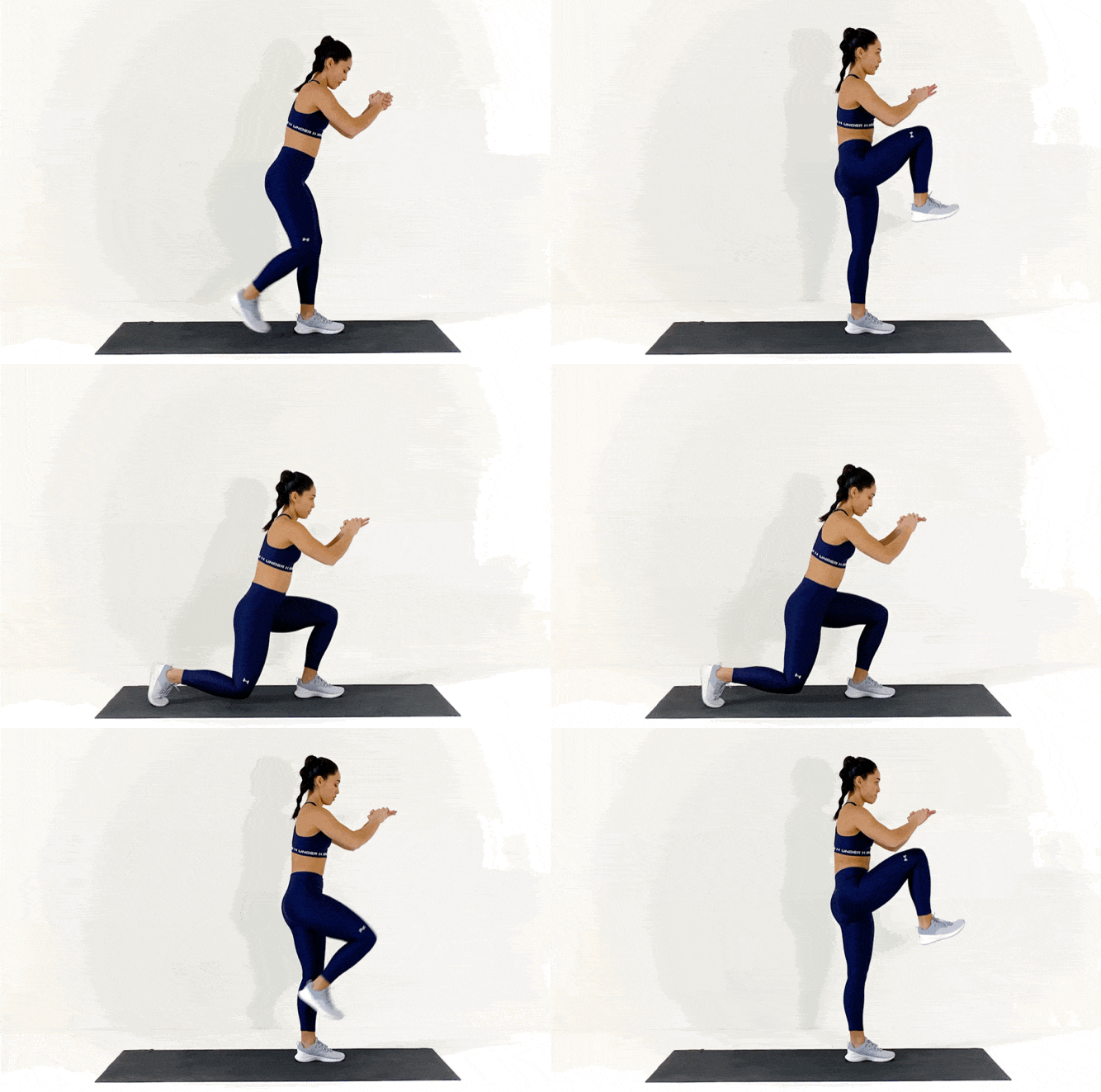
Reverse Lunge with a Knee Drive: This dynamic movement targets the quadriceps, glutes, and hamstrings of the working leg, while also engaging the hip flexors and core for stability and the knee drive.
- Execution: Start standing. Step one leg back into a lunge position, lowering until both knees are bent at approximately 90 degrees. Push off the back foot, driving the knee forward and up towards the chest, balancing on the standing leg. Return to the starting position or directly into another lunge.
- Muscle Groups: Glutes, quadriceps, hamstrings, hip flexors, core.
- Benefits: Improves balance, unilateral leg strength, and cardiovascular endurance. Adding dumbbells can increase resistance.
-
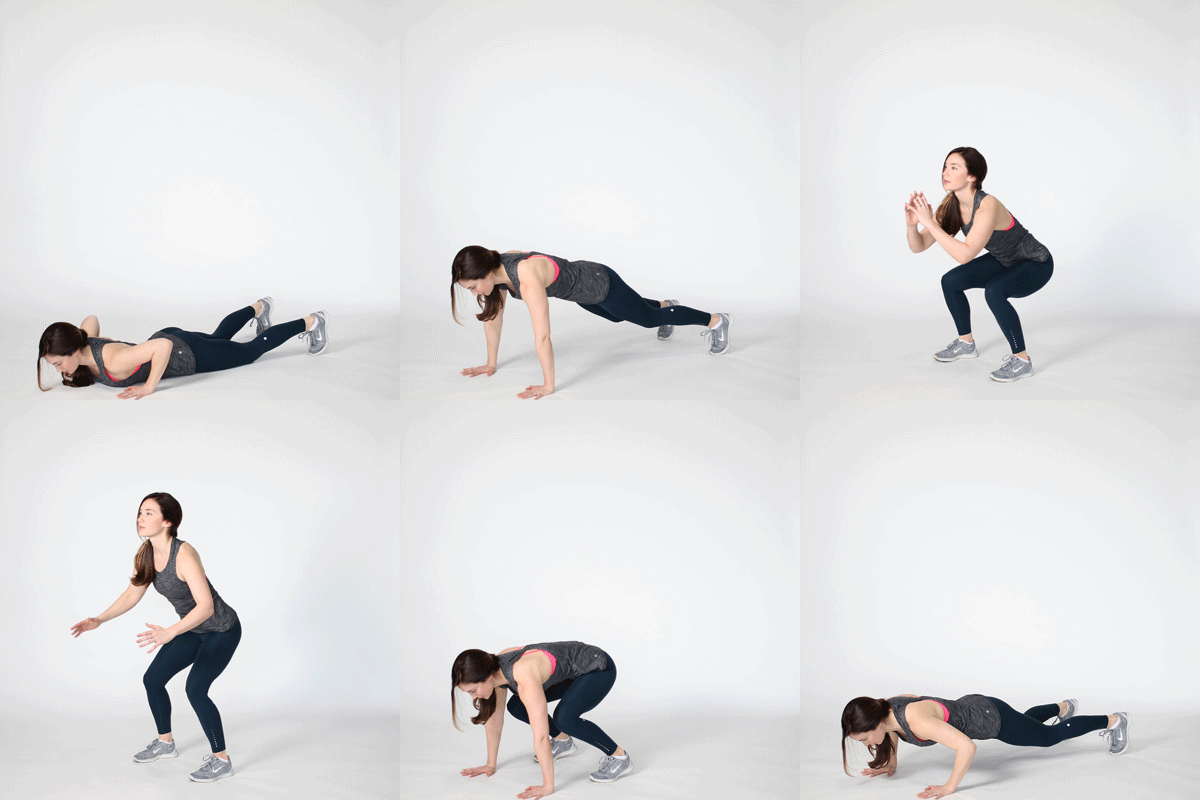
Burpees: Often considered the ultimate full-body conditioning exercise, burpees combine a squat, plank, push-up, and jump, providing both strength and significant cardiovascular benefits.
- Execution: Begin standing. Squat down and place hands on the floor. Kick feet back into a plank position. Perform a push-up. Jump feet back to hands. Explode upwards into a jump, reaching arms overhead.
- Muscle Groups: Chest, triceps, shoulders, quadriceps, hamstrings, glutes, core.
- Benefits: High-intensity interval training (HIIT) component, builds explosive power, full-body strength, and endurance. Core engagement throughout is crucial.
-
Single-Leg Bridge: This exercise primarily isolates and strengthens the glutes and hamstrings, while also challenging core stability and balance.
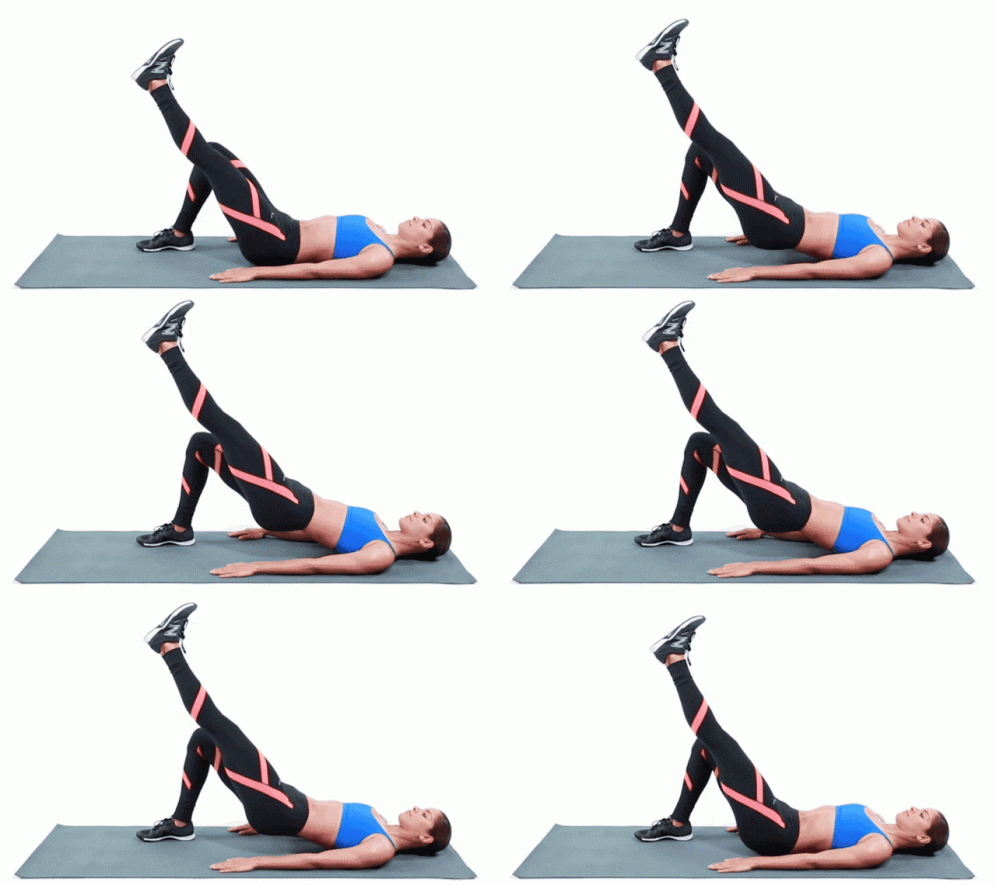
- Execution: Lie on your back with knees bent and feet flat on the floor, hip-width apart. Extend one leg straight up towards the ceiling. Engaging your glutes, lift your hips off the floor until your body forms a straight line from shoulders to the knee of the bent leg. Hold briefly, then slowly lower.
- Muscle Groups: Glutes, hamstrings, core, hip flexors.
- Benefits: Enhances unilateral glute and hamstring strength, improves hip stability, and reinforces posterior chain development. Aim for 10-12 repetitions per side.
-
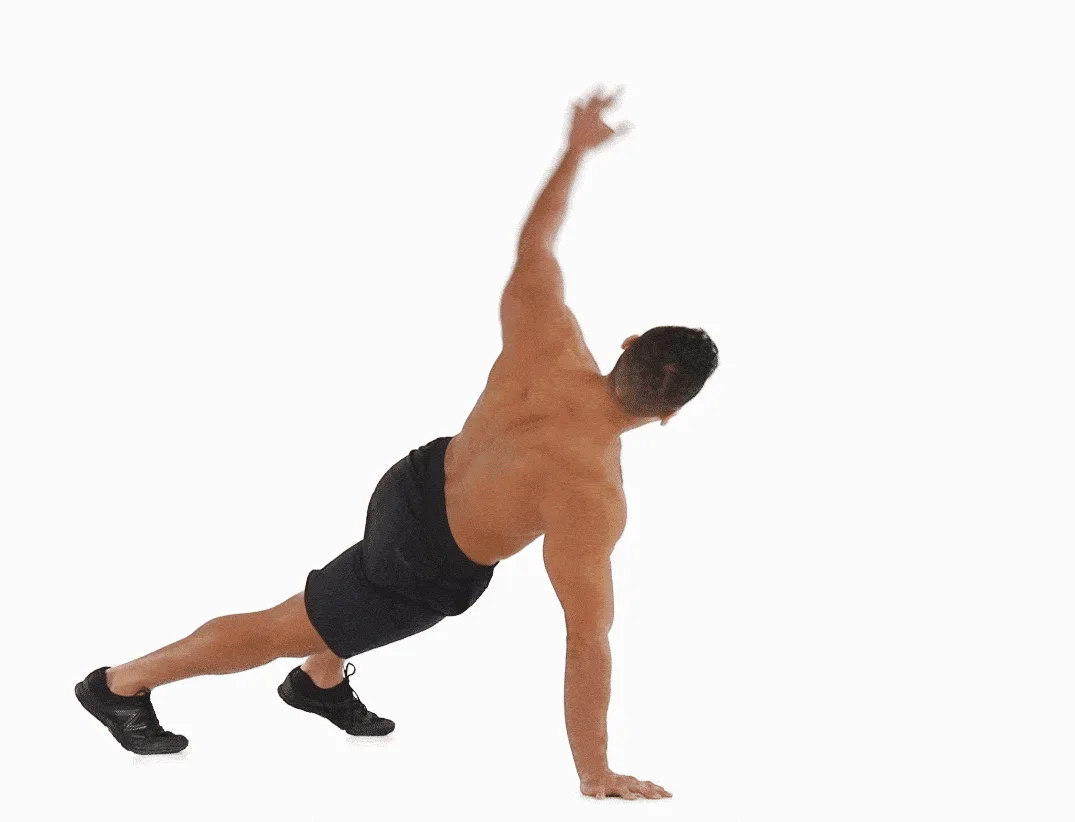
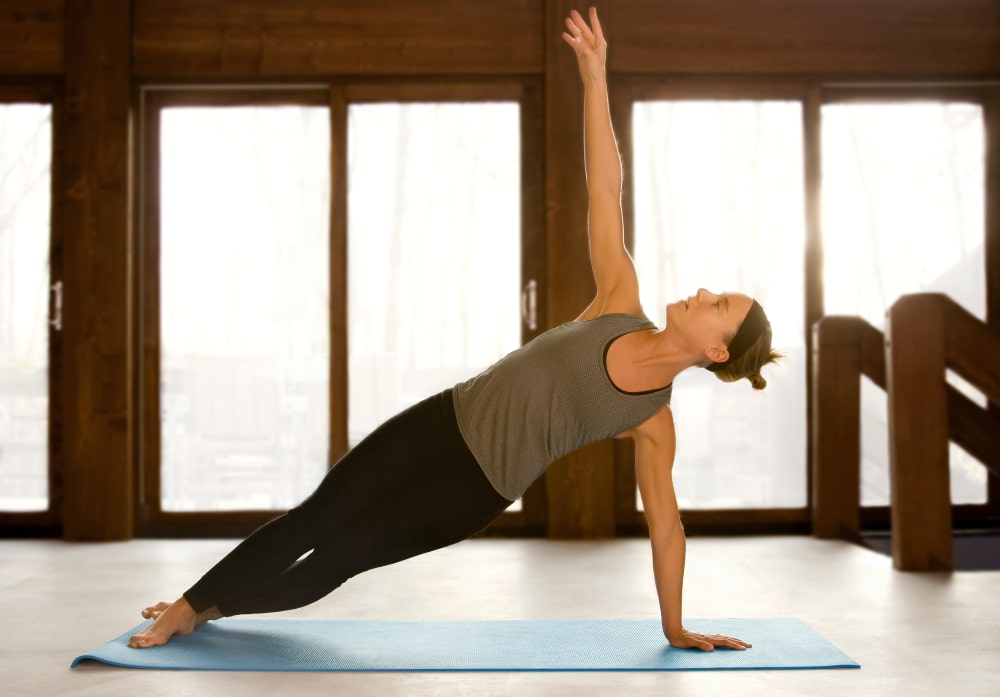
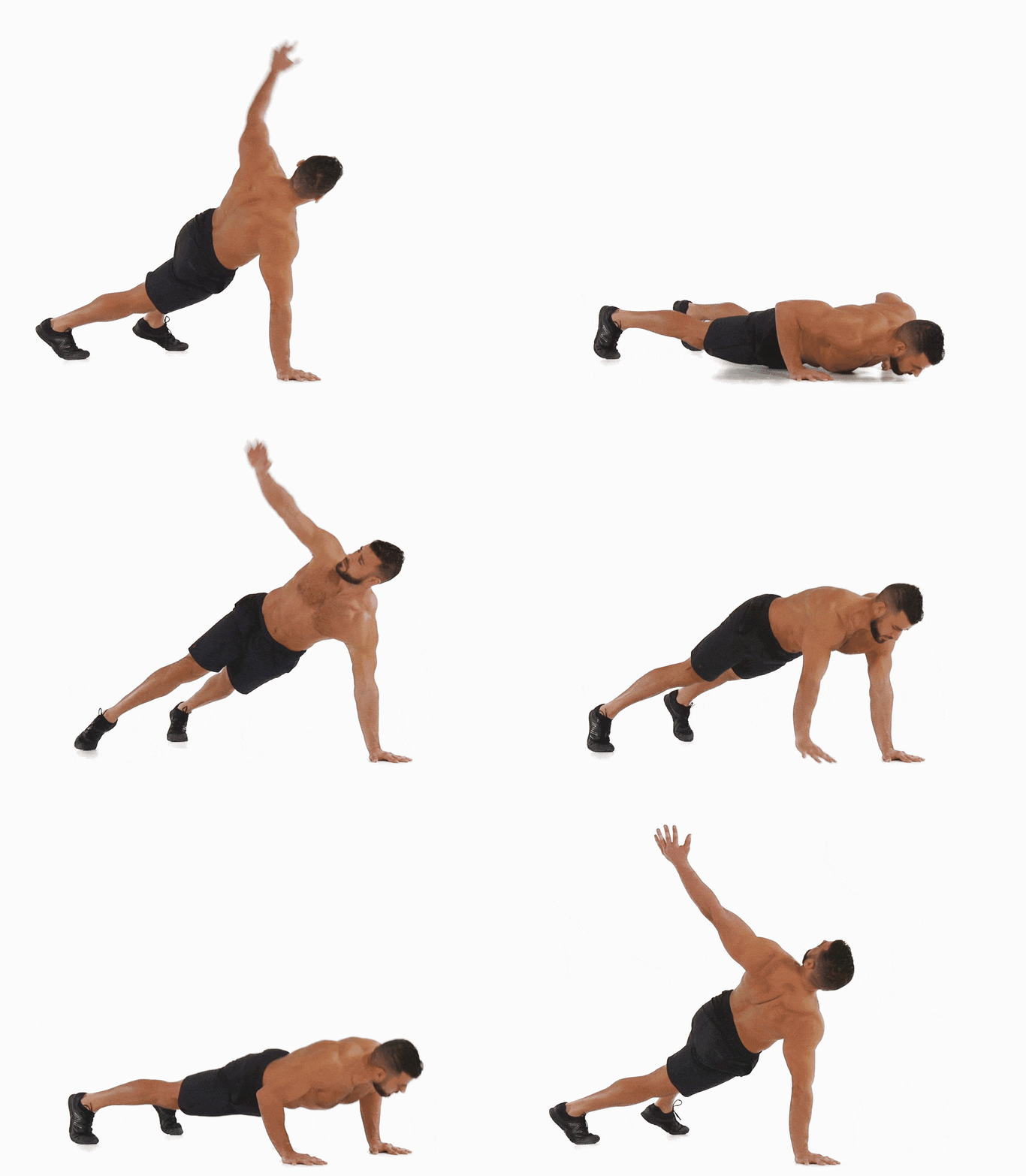
Push-Up and Rotate: This variation of the classic push-up adds a rotational element, engaging the shoulders, chest, and triceps, while intensely working the obliques and improving core rotational stability.
- Execution: Start in a push-up position. Perform one push-up. As you push back up, shift your weight to one hand and rotate your body, extending the other arm towards the ceiling in a side plank position. Return to the push-up position and repeat on the other side.
- Muscle Groups: Chest, shoulders, triceps, core (especially obliques), back stabilizers.
- Benefits: Builds upper body strength, dynamic core stability, and shoulder mobility. Maintain a tight core throughout.
-
Air Squat: A fundamental human movement, the air squat is a cornerstone compound exercise that strengthens the lower body and engages the core.
- Execution: Stand with feet shoulder-width apart, toes slightly out. Keeping your chest up and core engaged, push your hips back and bend your knees as if sitting in a chair. Lower until your thighs are parallel to the ground or as deep as comfortable while maintaining good form. Push through your heels to return to standing.
- Muscle Groups: Quadriceps, glutes, hamstrings, lower back, core.
- Benefits: Strengthens the entire lower body, improves mobility, and can enhance cardiovascular endurance when performed for high repetitions.
Safety Protocols and Professional Guidance
While the benefits of compound exercises are undeniable, proper form is paramount to maximizing effectiveness and preventing injury. Due to their multi-joint nature, incorrect execution can place undue stress on joints and ligaments.
- Prioritize Form Over Speed or Reps: Beginners should focus intently on mastering the movement pattern before increasing repetitions, sets, or adding external resistance. Utilizing mirrors or recording oneself can aid in self-correction.
- Progressive Overload: Once form is perfected, gradually increase the challenge by adding repetitions, sets, reducing rest times, or introducing external weights (e.g., dumbbells, resistance bands). This systematic increase in demand is essential for continued progress.
- Warm-up and Cool-down: Always begin a workout with a dynamic warm-up to prepare muscles and joints, and conclude with a static cool-down to improve flexibility and aid recovery.
- Listen to Your Body: Distinguish between muscle fatigue and pain. If an exercise causes sharp or persistent pain, stop immediately and assess your form or consult a professional.
- Professional Consultation: For those new to fitness, individuals with pre-existing conditions, or anyone seeking to optimize their training, working with a certified personal trainer is highly recommended. Trainers can provide personalized guidance on technique, program design, and progression, significantly reducing the risk of injury and accelerating results. Digital fitness platforms and online coaches can also offer valuable resources and structured programs.
Broader Implications for Public Health and Well-being
The emphasis on compound exercises carries significant implications beyond individual fitness goals, impacting public health and overall societal well-being. The time-efficient nature of these workouts makes physical activity more attainable for busy populations, potentially leading to higher adherence rates to exercise recommendations. This, in turn, can contribute to a reduction in lifestyle-related diseases such as obesity, type 2 diabetes, and cardiovascular conditions, thereby alleviating pressure on healthcare systems.
From a mental health perspective, engaging in intense physical activity like compound training has been shown to reduce stress, improve mood, and enhance cognitive function through the release of endorphins and other neurochemicals. The sense of accomplishment derived from mastering challenging movements also contributes to increased self-efficacy and confidence.
Furthermore, the accessibility of bodyweight compound exercises means that socioeconomic barriers to fitness are significantly lowered. Without the need for expensive gym memberships or specialized equipment, individuals from all backgrounds can pursue a path to better health, fostering more equitable access to physical well-being.
In conclusion, the scientific community’s endorsement of compound exercises as a cornerstone of effective fitness is well-founded. Their unparalleled efficiency in building functional strength, boosting metabolism, and enhancing overall physical and mental health positions them as an indispensable component of any modern fitness regimen. For those navigating the demands of contemporary life, embracing compound movements offers a powerful, accessible, and scientifically proven pathway to achieving and sustaining peak fitness.

