

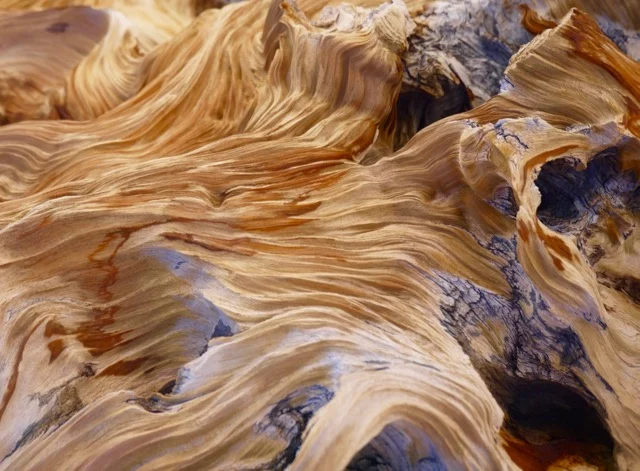
For the past eighteen months, a compelling exchange has unfolded between the esteemed writer, photographer, and devoted nature enthusiast, David Malinsky, and this publication. Central to this ongoing dialogue is Malinsky’s profound connection with the Great Basin Bristlecone Pines, ancient sentinels of the high alpine environment that he affectionately terms "Old Friends in High Places." This article delves into the essence of Malinsky’s recent communications, offering a glimpse into the deeply personal and philosophical insights he derives from his explorations of these majestic, enduring tree beings. His work transcends mere documentation; it is an invitation to contemplate the profound interconnectedness between humanity and the natural world, particularly through the lens of these venerable organisms.
The Genesis of an Appreciation: Malinsky’s Fascination with Bristlecones
David Malinsky’s sustained engagement with the Great Basin Bristlecone Pines (Pinus longaeva) is not a casual interest but a deeply cultivated passion. These trees, renowned for their extraordinary longevity and resilience, inhabit some of the harshest environments in North America, primarily the arid, high-altitude regions of the Great Basin. Their ability to survive for millennia in nutrient-poor soils, extreme temperatures, and relentless winds has long captivated scientists and naturalists alike. Malinsky’s perspective, however, leans towards the poetic and the philosophical, viewing these trees not just as biological specimens but as living testaments to time, endurance, and the profound wisdom of the natural world.
His correspondence reveals a meticulous observer and a thoughtful interpreter of the subtle narratives embedded within the landscape. The Great Basin Bristlecone Pine is not merely a subject for photography; it is a catalyst for introspection, prompting Malinsky to articulate complex ideas about human experience, purpose, and our relationship with the environment. The photographs accompanying his reflections serve as visual anchors, grounding his philosophical musings in the tangible beauty and stark grandeur of the high desert ecosystems where these ancient trees thrive.
The Philosophy of the Uncharted Path: Beyond the Bullseye
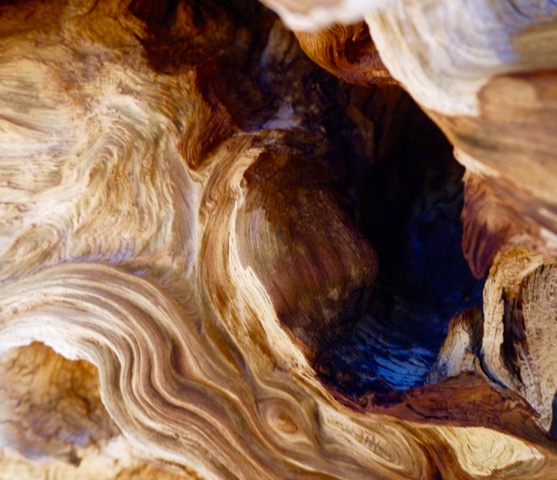
Malinsky’s reflections, shared through his communications, offer a compelling metaphor for approaching life’s challenges and opportunities. He posits that "daring to take a path towards what may be unknowable can be among the most noble pursuits of the human spirit." This sentiment contrasts the allure of predefined goals, which he likures to "known targets," with the potential for profound self-discovery found in venturing into the unknown. While achieving a "bullseye" offers tangible satisfaction, it also inherently limits further exploration, as the arrow’s trajectory is defined by its predetermined destination. Malinsky encourages a broader perspective, suggesting that the achievement itself, while significant, is but a "small piece of who you are."
This philosophy is deeply resonant with the Great Basin Bristlecone Pines themselves. These trees have adapted to thrive in environments where other life forms falter, often by growing in unconventional shapes, twisting and contorting in response to extreme conditions. Their survival is not a result of following a predictable, direct path, but rather a testament to their adaptability and their ability to find sustenance and growth in seemingly inhospitable circumstances. Malinsky’s writings imply that by not narrowing our focus too intently on a singular objective, we open ourselves to a richer, more nuanced experience of the world. "Without narrowing the focus on the bullseye," he writes, "there can be so much to see, much that will be missed if our sights are too confined." This encourages an expansive consciousness, capable of holding multiple perspectives and appreciating the interconnectedness of various elements within our experience.
The Journey of Self: Person and Place Converging
Malinsky further elaborates on the transformative power of embracing the unknown, suggesting that "it is in taking a path beyond established targets that you begin the journey of yourself." This journey, he explains, often begins with the perception of moving towards a specific "Where," but as one progresses, it inevitably transforms into a profound exploration of "Who." The distinction blurs as the individual and their surroundings become intrinsically linked. The sensation of internal growth and an increasing appreciation for the environment signal that one is on the cusp of a significant discovery, one that renders conventional maps obsolete.
This concept of personal and environmental convergence is vividly illustrated by the very nature of the Bristlecone Pines. These trees are inextricably linked to their high-altitude habitats. Their gnarled forms are sculpted by the wind, their resilient bark a testament to the harsh climate, and their roots anchor them deeply into the ancient, rocky soil. Malinsky suggests that as we embark on our own journeys of self-discovery, we too become more attuned to the environment that shapes us, and in turn, we shape it. This symbiotic relationship, he implies, is a continuous process of evolution for both the individual and Nature. The "path has no end, for both you and Nature are constantly evolving," a perspective that fosters trust and a joyful anticipation of the "labyrinths ahead."
Cultivating Trust: Embracing Darkness as Illumination
A crucial element in Malinsky’s philosophy is the development of trust – trust in Nature and trust in oneself. He posits that when one cultivates this trust, encounters with perceived "darkness" no longer inspire fear. Instead, this darkness is understood as a space "currently without illumination." By approaching such situations with an "open spirit," the path can lead to unexpected and intended destinations, ultimately revealing the individual as a source of light.
This notion of embracing darkness as an opportunity for illumination is particularly relevant when considering the ancient wisdom embodied by the Bristlecone Pines. These trees have witnessed millennia of change, enduring periods of glaciation, drought, and geological upheaval. Their ability to survive and even thrive through these challenging epochs speaks to an inherent resilience and a profound understanding of natural cycles. Malinsky’s message encourages a similar internal resilience, urging individuals to view challenges not as insurmountable obstacles but as potential pathways to growth and self-discovery. The image of the Bristlecone Pine, often found clinging to barren rock faces, serves as a potent symbol of finding life and strength in seemingly desolate environments.
Supporting Data and Context: The Scientific and Ecological Significance of Bristlecone Pines
David Malinsky’s profound connection to the Great Basin Bristlecone Pines is grounded in the trees’ extraordinary biological and ecological significance. These pines hold the record for the oldest known living organisms on Earth. The "Methuselah" tree, located in the White Mountains of California, was documented in 1957 and is estimated to be over 4,850 years old. Another specimen, discovered in 2012 and yet to be officially named, is estimated to be over 5,060 years old. This remarkable longevity provides invaluable data for dendrochronology, the scientific method of dating tree rings. Bristlecone pine ring records have been used to reconstruct past climate conditions with exceptional accuracy, extending back over 9,000 years. This data is critical for understanding long-term climate variability, past droughts, and the Earth’s climate history, offering vital context for contemporary climate change research.
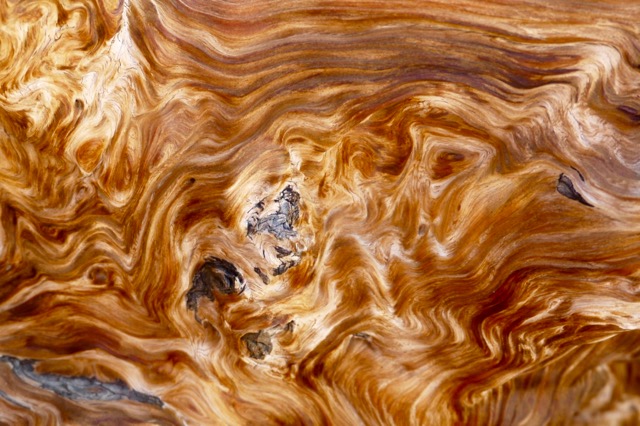
The harsh environments these trees inhabit – typically above 9,000 feet in arid, windswept regions of California, Nevada, and Utah – have shaped their unique survival strategies. They often grow in a krummholz form, characterized by stunted, twisted growth, a result of the relentless winds and limited growing seasons. Their wood is incredibly dense and resistant to decay, allowing dead sections of the tree to persist for centuries. This resilience is a direct adaptation to the challenging conditions, a testament to their evolutionary success. Malinsky’s "Old Friends in High Places" moniker is thus not merely poetic but an accurate reflection of their ancient stature and their elevated, often desolate, habitats.
Broader Impact and Implications: Inspiring a Deeper Ecological Consciousness
Malinsky’s reflections, disseminated through his communications and shared via platforms like this, have the potential to foster a deeper ecological consciousness among a wider audience. By translating the profound wisdom of ancient trees into relatable human experiences, he encourages a re-evaluation of our relationship with the natural world. The focus on the journey, trust, and embracing the unknown offers a philosophical framework that can resonate beyond the realm of environmentalism, impacting personal growth and decision-making.
The implications of Malinsky’s work extend to the growing field of ecopsychology, which explores the reciprocal relationship between the human psyche and the natural environment. His writings suggest that by connecting with ancient, resilient organisms like the Bristlecone Pines, individuals can gain new perspectives on their own lives, finding solace, inspiration, and a renewed sense of purpose. The invitation to join his listserve and engage in direct dialogue signifies a commitment to building a community of like-minded individuals, fostering collective learning and shared appreciation for the natural world. This collaborative approach, initiated by his personal correspondence, serves as a model for how individual passion can spark broader engagement and cultivate a more profound respect for the planet’s ancient inhabitants.
Conclusion: A Continuing Dialogue with Ancient Wisdom
David Malinsky’s ongoing correspondence offers a rich tapestry of thought, woven from his deep appreciation for the Great Basin Bristlecone Pines and his philosophical musings on the human journey. His evocative descriptions and insightful metaphors invite readers to look beyond the superficial and to embrace the wisdom inherent in the natural world. As he continues to explore and communicate his experiences, Malinsky provides a valuable bridge between the scientific marvel of these ancient trees and the profound personal and philosophical insights they can inspire. His work underscores the enduring power of nature to inform, guide, and transform us, urging us to step onto our own uncharted paths with courage, curiosity, and an open spirit.
For those interested in participating in this enriching dialogue and sharing their own perspectives, David Malinsky can be contacted directly via email at [email protected] to join his listserve. This invitation represents an opportunity to engage directly with a unique perspective on nature, resilience, and the unfolding journey of self.

