

The human body’s ability to effectively process and excrete potassium, a vital electrolyte, is intrinsically linked to the proper functioning of the kidneys. For individuals concerned about their potassium levels or at risk of imbalances, consulting a healthcare professional for kidney function testing is a prudent step. Emerging scientific understanding suggests that our evolutionary dietary patterns likely involved a significantly higher intake of potassium than is currently consumed or even recommended by modern guidelines. This shift is largely attributed to a widespread dietary transition, moving away from potassium-rich whole plant foods—such as fruits, vegetables, leafy greens, roots, and tubers—towards calorie-dense processed foods laden with unhealthy fats, sugars, and stripped of essential nutrients like potassium and fiber.
The Potassium-Sodium Balance: A Historical Perspective
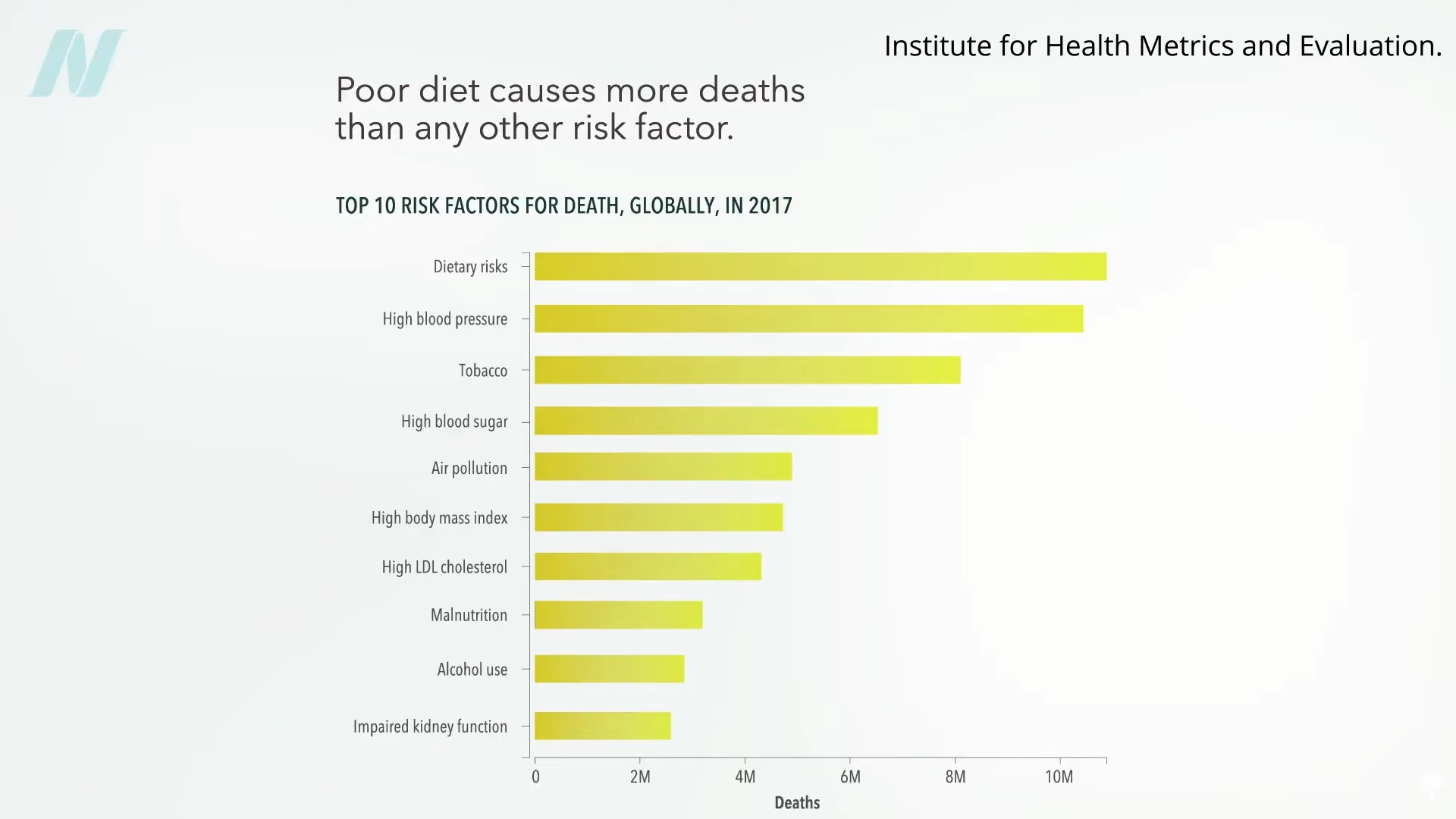
Historically, traditional diets, predominantly plant-based, naturally featured high potassium intake and low sodium intake. This equilibrium is increasingly recognized as crucial for maintaining cardiovascular health. In stark contrast, contemporary diets are often characterized by an inverse relationship: high sodium consumption and insufficient potassium. The consequences of this imbalance are profound, with high blood pressure emerging as the second leading global risk factor for mortality, responsible for over 10 million deaths annually. Unhealthy dietary patterns, in general, rank higher than any other modifiable risk factor for death worldwide, underscoring the critical role of nutrition in public health.
Rebalancing the Diet: The Role of Whole Plant Foods and Salt Substitutes
A significant avenue for improving this critical nutrient balance lies in increasing the consumption of whole, unprocessed plant foods. Greens and beans, in particular, are nutritional powerhouses, rich in potassium and instrumental in lowering blood pressure. However, for a substantial portion of the population grappling with excessive sodium intake and inadequate potassium consumption, the question arises: what about salt substitutes? Potassium chloride stands as the most prevalent salt substitute, offering a direct swap of sodium for potassium.
Scientific Evidence Supporting Potassium Chloride as a Blood Pressure Reducer
Robust scientific evidence supports the efficacy of potassium chloride in mitigating elevated blood pressure. A comprehensive meta-analysis, synthesizing data from over a dozen randomized controlled trials, demonstrated a significant reduction in blood pressure when sodium chloride was replaced with potassium chloride. Notably, even substitutes containing less than 30% potassium chloride yielded positive results. For most individuals, this concentration threshold also allows for imperceptible taste differences compared to regular salt, meaning the blood pressure-lowering benefits can be achieved without a compromise in palatability. This raises the intriguing question of how such benefits are realized with minimal sensory alteration.

Understanding the Safety Profile and Palatability of Potassium Chloride
The U.S. Food and Drug Administration generally regards potassium chloride as "Generally Recognized as Safe" (GRAS). For healthy individuals, the primary consideration pertains to taste. Exclusive and complete substitution of sodium chloride with potassium chloride can, for some, introduce a bitter or metallic aftertaste. Personal experience suggests that the compatibility of potassium chloride varies significantly depending on the food item. While it may prove ideal for certain dishes and snacks, it can render others unpalatable. This sensory adaptation is often linked to prolonged dietary habits; for instance, transitioning away from high sodium intake can recalibrate the palate, making previously consumed salty foods less appealing and, conversely, allowing for a greater appreciation of the natural flavors of food. Anecdotal evidence suggests that while potassium chloride can effectively replace salt in many culinary applications, such as in pesto, its performance with certain flavor profiles, like sweetness enhancers, may be less successful.
The Kidney’s Role in Potassium Regulation and Supplementation Safety
The body’s capacity to manage potassium levels is largely governed by the kidneys. Healthy kidneys possess a remarkable ability to excrete excess potassium, preventing its accumulation to dangerous levels. This regulatory function extends to dietary sources of potassium. Research on potassium supplementation has also yielded reassuring findings. Studies have indicated no adverse effects from long-term potassium supplementation at doses as high as 3,000 mg per day. Furthermore, even when potassium intake is increased to approximately 15,000 mg daily, healthy kidneys maintain blood potassium levels within the normal range. This level of intake is consistent with the estimated potassium consumption of our ancestors, who relied heavily on potassium-rich plant foods.
Normal Potassium Levels and the Impact of Supplementation
The typical reference range for blood potassium levels is between 3.5 and 5.0 millimoles per liter (mmol/L). Levels approaching 6 mmol/L are considered concerning. However, even when individuals consume potassium supplements, such as the average of 2,000 mg per day used in salt substitute trials, blood potassium levels typically rise by only about 0.14 mmol/L. This minimal increase, for example, from 4.0 to 4.14 mmol/L, generally does not push levels into a dangerous zone for healthy individuals.
Extreme Dietary Habits and Potential for Hyperkalemia
While the body’s regulatory mechanisms are robust, there are limits. An exceptionally high and sustained intake of potassium-rich foods, such as consuming up to 20 bananas daily for an extended period, could theoretically elevate blood potassium levels above the 6 mmol/L threshold. Similarly, an extreme daily consumption of 10 pounds of carrots, often facilitated by juicing, could also lead to excessive potassium intake. These scenarios, however, represent highly atypical and often unhealthy dietary extremes, sometimes associated with misguided health regimens.
Historical Incidents and the Safety of Modern Salt Substitutes
Historical accounts highlight potential risks associated with early salt substitutes. A 1940s report documented lithium poisoning linked to the use of lithium chloride as a salt substitute. Fortunately, modern salt substitutes predominantly utilize potassium chloride. While rare cases of fatal potassium chloride overdose have been reported, such incidents typically involve intentional ingestion of very large quantities, such as more than a tablespoon, and are comparable to the acute toxicity of regular salt if consumed in similarly excessive amounts. Historically, even the ingestion of concentrated salt water was employed as a method of suicide, illustrating the potential dangers of acute, excessive salt intake regardless of its source.
Addressing the Risk for Individuals with Impaired Kidney Function
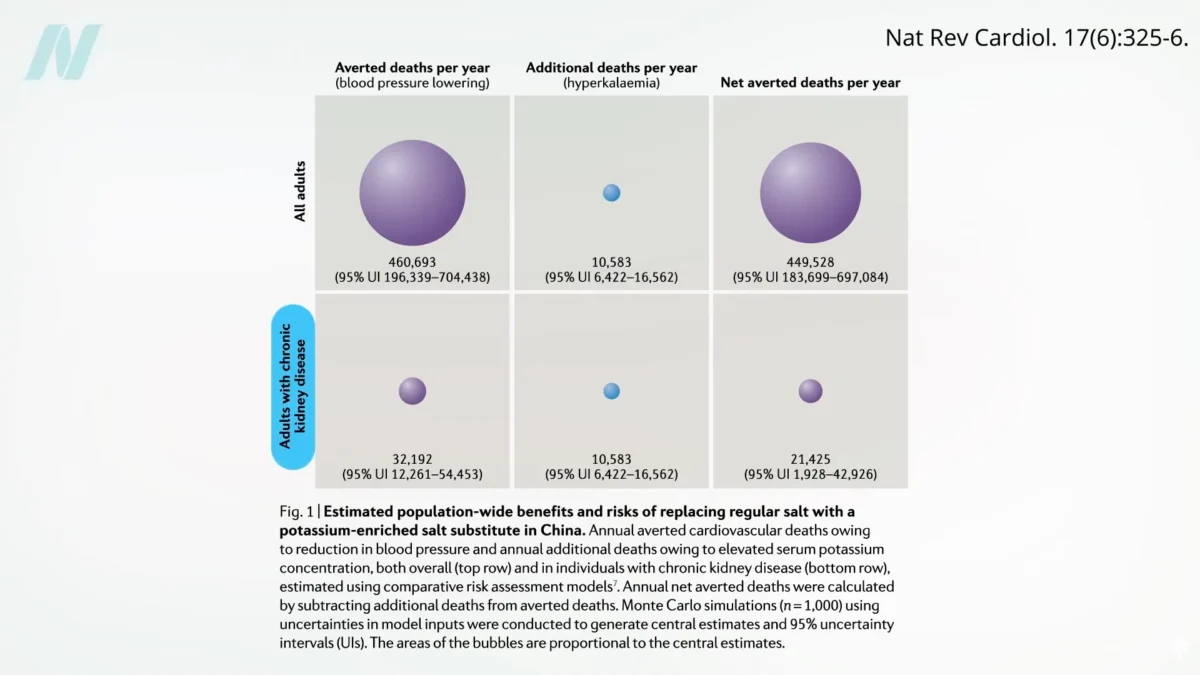
A critical consideration arises for a specific segment of the population: individuals with severely impaired kidney function. These individuals may face challenges in regulating potassium levels, making the use of potassium-based salt substitutes a potential concern. Conditions that can compromise kidney function and potassium regulation include pre-existing kidney disease, diabetes (which can lead to kidney damage), severe heart failure, and the use of medications that hinder potassium excretion. Older adults and individuals with adrenal insufficiency are also at higher risk. For anyone uncertain about their risk factors, a medical evaluation to assess kidney function is strongly advised.
The Evolving Paradigm in Kidney Disease Management
Historically, dietary recommendations for patients with kidney disease often included restrictions on fruits and vegetables due to their potassium content. However, this approach is undergoing a significant re-evaluation. The growing body of evidence supporting the benefits of a fundamentally plant-based diet, even for individuals with kidney conditions, is reshaping clinical practice. A whole-food, plant-based dietary pattern is increasingly recognized for its potential to ameliorate chronic kidney disease, slow its progression, and potentially delay the onset of kidney failure. Consequently, the restriction of dietary potassium is now more appropriately reserved for patients with documented hyperkalemia (blood potassium levels of 6 mmol/L or higher). Emerging research suggests that the key to managing and potentially halting the progression of chronic kidney disease may lie not in restricting produce, but in embracing it.
A Doctor’s Perspective on Potassium and Health
The profound impact of potassium in reducing mortality associated with high blood pressure, even among individuals with compromised kidney function, is a compelling area of ongoing research. While concerns regarding potassium accumulation in individuals with kidney disease are valid, the potential life-saving benefits of using potassium chloride salt substitutes, even in this population, may outweigh the risks, as suggested by comparative analyses. This underscores the need for nuanced, individualized dietary recommendations rather than blanket restrictions.
Doctor’s Note: In the event of a health crisis, immediate assistance is available through the National Suicide Prevention Lifeline, which operates 24 hours a day, seven days a week, at 800-273-8255.
This article represents the concluding segment of a three-part series. Readers are encouraged to explore the preceding installments: "The Mineral Intake Recommendations Only 1 in 6,000 U.S. Adults Meet" and "Are Potassium Chloride Salt Substitutes Worth Trying?" for a comprehensive understanding of mineral nutrition and dietary strategies.

