

August 13, 2026 – A novel metric, the micromort, is gaining traction as a tool to help individuals and healthcare professionals better understand and communicate the risks associated with various activities, from everyday choices to complex medical interventions. A micromort, defined as a one-in-a-million chance of dying, offers a standardized unit for comparing seemingly disparate risks, providing a more intuitive grasp of danger than abstract percentages or anecdotal comparisons.
The Challenge of Risk Perception
For decades, communicating the magnitude of risk associated with medical procedures and life choices has been a persistent challenge. Patients often struggle to comprehend the statistical implications of potential dangers, leading to misunderstandings and anxiety. Dr. Michael Greger, M.D., FACLM, a proponent of the micromort concept, highlights this issue: "Patients might say things like, ‘I could die just as easily crossing the road,’ when discussing surgical risks, indicating a fundamental disconnect in their understanding of risk magnitudes." This gap in comprehension is not limited to medical contexts but extends to everyday activities, where the true danger of certain pursuits may be underestimated.
The traditional approach of using analogies, while helpful, can still fall short. For instance, while a 1-in-100,000 chance of not waking up from anesthesia is comparable to the risk of an expert skydive, grasping the scale of such a risk remains difficult for many. The abstract nature of very small probabilities, like those associated with rare medical complications, can be hard to visualize. The concept of a micromort aims to bridge this gap by providing a consistent and universally applicable unit of measurement.

Defining the Micromort: A Unit of One Millionth
A micromort (mM) represents a one-in-a-million probability of death. To put this into perspective, a single micromort is akin to flipping a coin and getting heads 20 consecutive times, or slightly less likely than drawing a royal flush in a game of poker. While these comparisons offer a sense of the improbability, the true power of the micromort lies in its utility for comparative analysis.
For example, driving a distance of 100 miles in the United States carries an approximate risk of one micromort. This benchmark allows for direct comparison with other activities. Scuba diving, for instance, is estimated to carry a risk of five micromorts per dive. This means that a single scuba dive is statistically equivalent to driving 500 miles. Such comparisons enable a clearer understanding of relative dangers, moving beyond subjective interpretations of risk.
Applications Across the Spectrum of Human Activity
The application of micromorts extends to a wide array of activities, revealing surprising insights into the relative risks we encounter daily.
Medical Interventions and Their Risks
Medical procedures, often perceived as inherently risky, can be quantified using micromorts, allowing for informed decision-making.
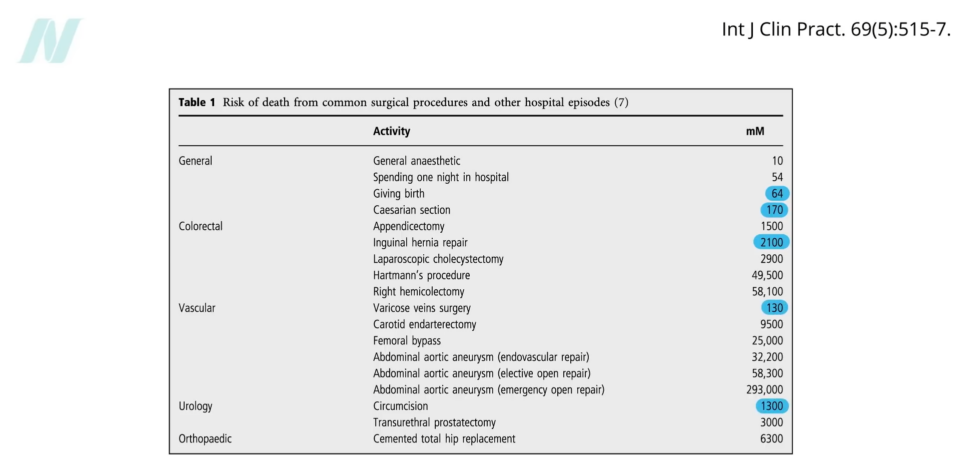
- Childbirth: The act of giving birth naturally carries a certain risk, comparable to driving the distance from New York to Los Angeles and back. However, a Caesarean section significantly increases this risk, being more than twice as dangerous as a vaginal birth.
- Surgical Procedures: Even seemingly minor surgeries can have substantial associated risks. A hernia repair, for instance, carries a mortality risk equivalent to that of skydiving 200 times. Varicose vein surgery and circumcision, while elective for many, also carry non-negligible micromort risks that can be compared to other activities.
- Anesthesia: While the initial analogy of skydiving for the risk associated with anesthesia is used, a deeper dive into specific procedures reveals nuances. The risk of not waking up from anesthesia is approximately 1 in 100,000, which is 10 micromorts. This is a significant figure when compared to other daily risks.
Everyday Activities and Unforeseen Dangers
The micromort framework also sheds light on the risks inherent in common activities that may be underestimated:
- Driving: As a baseline, driving 100 miles equates to one micromort. This highlights the cumulative risk associated with regular travel.
- Adventure Sports: While often perceived as high-risk, the micromort values can offer a more nuanced perspective. Rock climbing, for example, has a risk profile that can be compared to other activities. However, horseback riding is found to be approximately four times deadlier than rock climbing. Base jumping, often considered one of the most dangerous activities, is significantly riskier than coal mining.
- Travel: Air travel and train travel are often considered comparable in terms of risk over the same distance. However, motorcycle riding is considerably more dangerous, estimated to be about 50 times deadlier than riding in a car. Cycling, while beneficial for health, is also riskier than driving in the short term, with an estimated 10 times the risk of driving in the immediate vicinity.
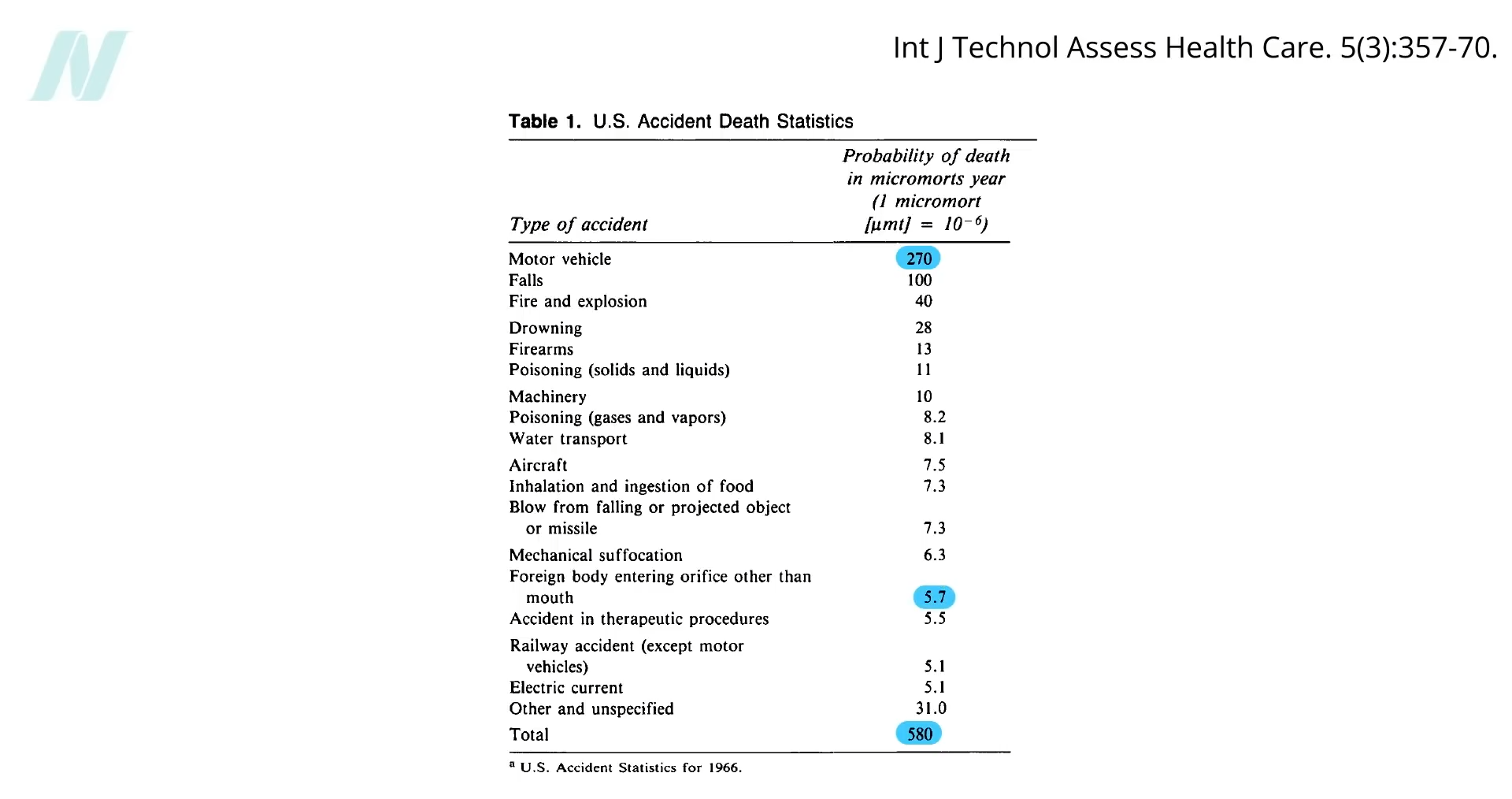
- Accidental Deaths: A significant portion of our daily risk comes from accidental deaths. On average, individuals face approximately a one-in-a-million chance of dying from an accident each day. Car crashes account for roughly half of this risk in the United States. Other hazards include accidents involving foreign objects entering orifices other than the mouth, which carries a risk of about 1 in 200,000 per year for Americans.
High-Risk Activities and Medical Treatments
When examining extreme activities and intensive medical treatments, the micromort scale provides a stark comparison:
- Mount Everest Expeditions: Climbing Mount Everest is a perilous endeavor, estimated to be about 30 times riskier than coal mining.
- Cancer Treatments: The risks associated with chemotherapy and radiation therapy for head and neck cancers are substantial. These treatments carry a higher risk than enduring rock climbing for 500 years, driving 5 million miles, or skydiving 5,000 times.
The Context of Breast Implants and Cancer Risk
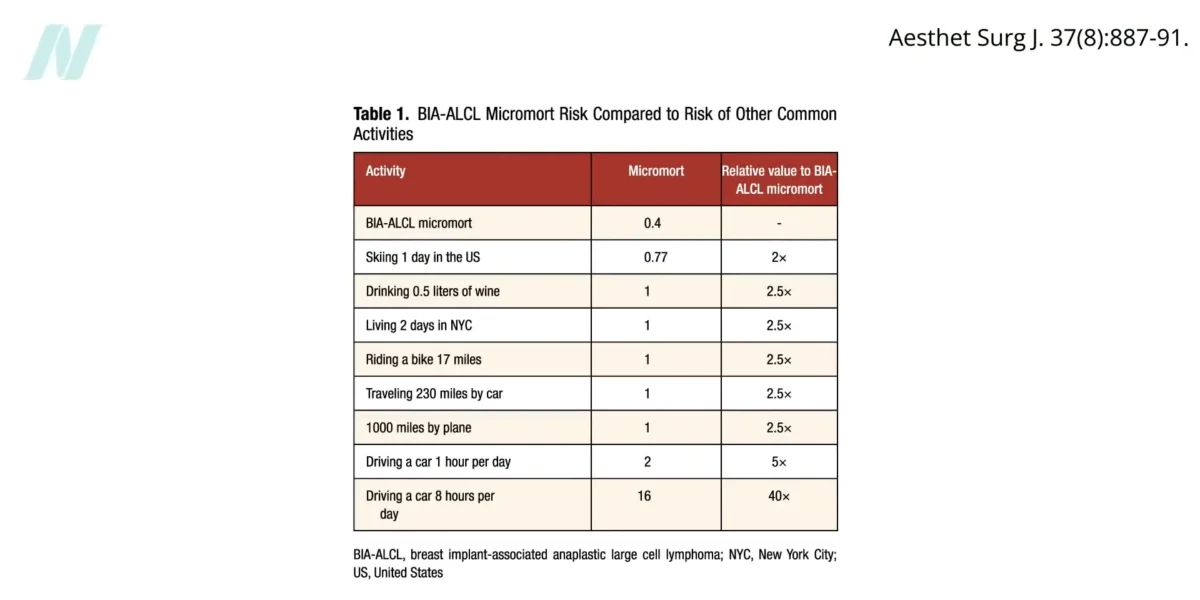
A notable application of the micromort concept is in contextualizing the risks associated with medical devices. Certain types of breast implants have been linked to a rare form of cancer, breast implant-associated lymphoma. While the prospect of developing cancer is understandably frightening for the millions of women with implants, the micromort scale offers a way to place this risk in perspective.
The risk of dying from this specific type of cancer associated with breast implants is, surprisingly, less than the risk incurred by a single day of skiing. This comparison does not diminish the seriousness of the condition but provides a quantifiable measure that can aid in informed decision-making and alleviate undue anxiety. The discussion around such risks often involves weighing the potential outcomes, and the micromort metric offers a data-driven approach to this evaluation.
Broader Implications and Future Applications
The micromort unit offers significant potential for improving public health literacy and informing policy decisions. By providing a common language for risk, it can empower individuals to make more informed choices about their health and safety.
- Public Health Campaigns: Educational campaigns could utilize micromort data to highlight the relative dangers of various behaviors, from unhealthy dietary choices (which have associated micromort risks related to chronic diseases) to engaging in risky activities.
- Medical Decision-Making: Clinicians can use micromorts to explain the risks and benefits of different treatment options to patients, fostering a more collaborative and transparent patient-doctor relationship.
- Regulatory Oversight: Regulatory bodies could leverage micromort data to assess the safety of new medical devices, pharmaceuticals, and public safety measures.
The Role of Prevention
Dr. Greger emphasizes the importance of prevention, noting that physicians themselves are a significant contributor to mortality rates, often through medical errors or iatrogenic causes. Understanding the risks associated with medical interventions, as quantified by micromorts, underscores the critical role of preventative healthcare and lifestyle choices in overall well-being. The information presented highlights that many risks, even those associated with elective procedures or the use of medical devices, can be compared to more common, everyday activities, thus providing a valuable framework for risk assessment and management.
The micromort, though a simple concept, offers a powerful tool for demystifying risk and promoting a more rational approach to health and safety in an increasingly complex world. Its continued adoption and application promise to enhance understanding and empower individuals with clearer, data-driven insights into the probabilities of life and death.

