


The Buddha taught that the ego mind that cherishes the self is the same mind that gives birth to the enlightened, or bodhi, mind. With awareness and discernment, this self-cherishing ego can become our reference for cherishing others. This is called sympathetic understanding. By first recognizing our own restless energy and intolerance, we can see how strong such habits can be. And we can develop a more sympathetic understanding of others who react in the same way.
This profound insight, articulated by Mindrolling Jetsün Khandro Rinpoche in a recent address on spiritual teachings, offers a transformative perspective on the human condition. Rather than viewing the ego solely as an obstacle to spiritual progress, Rinpoche suggests a path where its inherent tendencies can be skillfully redirected to cultivate genuine compassion. This approach, rooted in the Mahayana tradition, emphasizes introspection and direct experience as the cornerstones of spiritual development, moving beyond mere intellectual comprehension of complex concepts like bodhichitta.
The core of Rinpoche’s teaching revolves around the concept of "sympathetic understanding," which arises from recognizing our own internal landscape. By observing our own reactions, particularly our "restless, impatient energy that aspires to our own happiness alone," we gain a crucial insight into the similar struggles faced by others. This self-awareness, honed through careful introspection and discrimination, allows us to see that the self-cherishing tendencies we experience are not unique to us but are a universal aspect of sentient beings.

The Transformative Power of Introspection
Rinpoche illustrates this point with a personal anecdote. After months of extensive travel and teaching, Rinpoche found himself complaining to a teacher about issues with students and practitioners. The teacher’s simple, yet potent, question—"Do you really like the people you work with?"—served as a catalyst for deep self-examination. The surprising realization that while dislike was absent, a genuine liking was also lacking, underscored the importance of cultivating a basic level of positive regard for those around us. This experience highlighted that before one can aspire to demonstrate compassion for all sentient beings, a foundational step of cultivating a sympathetic attitude, recognizing the shared nature of human experiences, is essential. This realization, Rinpoche explains, is the precursor to developing genuine empathy and compassion.
The process of developing this sympathetic attitude, which ultimately blossoms into compassion, begins with actively training the mind to truly see and listen to others. By doing so, one can gain a deeper understanding of their hopes, fears, and insecurities, recognizing their fundamental sameness with our own. This requires a degree of courage to confront the pain and suffering that lie beneath superficial appearances—the anxieties and insecurities that often remain hidden behind societal niceties and carefully constructed facades. It is through this unvarnished observation that the pervasive influence of self-cherishing on our actions and reactions becomes undeniably clear.
Modern Society’s Emphasis on Appearance
Rinpoche critically examines the influence of modern societal trends on our capacity for genuine connection and understanding. Contemporary societies, Rinpoche observes, have become exceptionally skilled at "covering up and packaging things very beautifully." The focus often shifts from the intrinsic quality of the content to the allure of its presentation. This relentless pursuit of aesthetic perfection can subtly manipulate our perceptions, leading us to overlook the inner struggles of others. When individuals present a seemingly polished exterior, there is a risk of assuming that all is well internally, thereby neglecting to acknowledge or appreciate the silent battles they might be waging. This overreliance on superficial appearances creates a significant impediment to developing a truly sympathetic attitude and hinders a profound understanding of suffering.
The article further addresses the common tendency to understand suffering through intellectual means, such as reading books. While acknowledging that personal experiences of suffering—such as illness, divorce, or loss—are valid, Rinpoche cautions that this does not automatically equate to an open mind and heart to the vast and diverse spectrum of suffering experienced by other sentient beings globally. The inherent nature of existence, samsara, is characterized by suffering, yet this fundamental truth is often obscured by the allure of "beautiful packaging." This distorted perspective can lead to an unhealthy absorption in the "bubbles of our own experiences," which, in turn, exacerbates intolerance towards others. Instead of fostering a broad, sympathetic understanding, individuals may find themselves perpetually chasing fleeting pleasures, losing sight of the interconnectedness and the imperative of harmonious coexistence.

The Fourfold Path to Sympathetic Understanding
To counter these tendencies and cultivate a profound sense of sympathetic understanding, Rinpoche outlines a practical, four-step approach:
- Let sympathetic understanding knock: This initial step involves acknowledging the subtle prompts of empathy and connection that arise within us, however faint they may seem. It is the recognition that an opportunity for understanding is presenting itself.
- Open the door and let it enter: This stage requires an active willingness to receive these prompts. It means setting aside preconceived notions and judgments, and creating mental space for the experience of empathy to take root.
- Welcome it and allow it to rest: Once invited in, sympathetic understanding needs to be nurtured. This involves consciously embracing the feeling, allowing it to settle within one’s awareness without immediate analysis or dismissal. It is about creating a space for this understanding to become comfortable.
- Aspire to hold sympathy for others within your heart: This final step is the cultivation of a sustained intention. It is the conscious commitment to carry this sympathetic awareness forward, allowing it to inform one’s interactions and perspectives, and to become a guiding principle in one’s life.
In practical application, Rinpoche elaborates on these steps. When a thought or experience of empathy arises, it is crucial to fully welcome it into one’s consciousness. This means opening the "doors of your heart and mind wide enough" to genuinely grasp the struggles of another sentient being. Failure to do so, Rinpoche warns, can lead to a life confined within a "bubble of selfishness," where genuine compassion remains an abstract concept, devoid of transformative power.
True compassion, therefore, is characterized by allowing introspection and understanding to "knock on the door of your heart." It is an active invitation, a welcoming of this understanding as one would a cherished guest. By allowing this awareness to rest and become comfortable within the mindstream, it evolves into a deeper comprehension of others’ aspirations for happiness and their desire to be free from suffering. This process facilitates a natural transition from self-cherishing to the cherishing of others, enabling all experiences within the vastness of the mind to be met with "grace and elegance of kindness."
Aspiration Bodhichitta: The Foundation of Compassion
The accomplishment of these four steps is referred to as "aspiration bodhichitta"—the profound wish for the happiness of all sentient beings. Rinpoche emphasizes that these moments of personal aspiration for happiness and freedom from suffering, coupled with the experiences of hope, fear, happiness, and suffering, serve as powerful tools for deepening one’s awareness of others. By recognizing the universal nature of these experiences, one lays the groundwork for sympathetic understanding. When one’s own ego-cherishing tendencies become a reference point for understanding and cherishing others, this marks the nascent stage of bodhi mind, the mind of a bodhisattva.
Crucially, Rinpoche asserts that the journey on the bodhisattva path does not commence without the ego. The self-cherishing ego is an inherent part of our being, but its energy can be "moved in the right direction." This same ego can become the invaluable reference point for comprehending the ego-cherishing of all sentient beings. When the ego’s natural propensities are channeled constructively, one learns to navigate away from the causes of suffering and towards genuine happiness for oneself and for others. In essence, the process of "training the mind" involves redirecting its focus, thereby liberating it from the roots of suffering.
Contemplation: Cultivating Empathy from Within
The article concludes with a powerful contemplative exercise, likening the process to a "perfectly clean and beautiful lotus that grows from a muddy pond." It encourages practitioners to utilize their own experiences of self-cherishing ego as a lens through which to understand others. By acknowledging one’s own struggles in the pursuit of happiness and freedom from suffering, one can recognize the shared nature of these endeavors in all sentient beings. Similarly, personal intolerance towards perceived threats to one’s happiness can serve as a profound reference point for understanding the intolerance of others. The significance of one’s own hopes and fears can illuminate the complex interplay of others’ aspirations and anxieties, and the inherent pain associated with a mind that is not directed towards its true well-being.
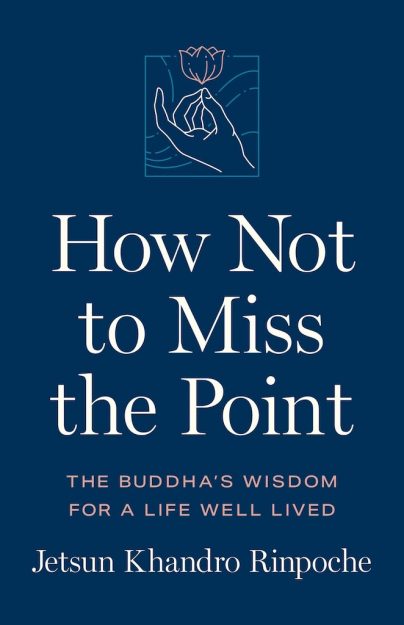
This teaching, drawn from Rinpoche’s book, How Not to Miss the Point: The Buddha’s Wisdom for a Life Well Lived, offers a practical and profound framework for transforming innate self-centeredness into universal compassion. The implications of this teaching are far-reaching, suggesting that the path to profound spiritual realization and a more harmonious society lies not in eradicating the ego, but in skillfully redirecting its energy through mindful introspection and a deep, empathetic understanding of our shared human experience. The ongoing dialogue surrounding spiritual development continues to explore these nuanced perspectives, underscoring the enduring relevance of ancient wisdom in addressing contemporary challenges.

