

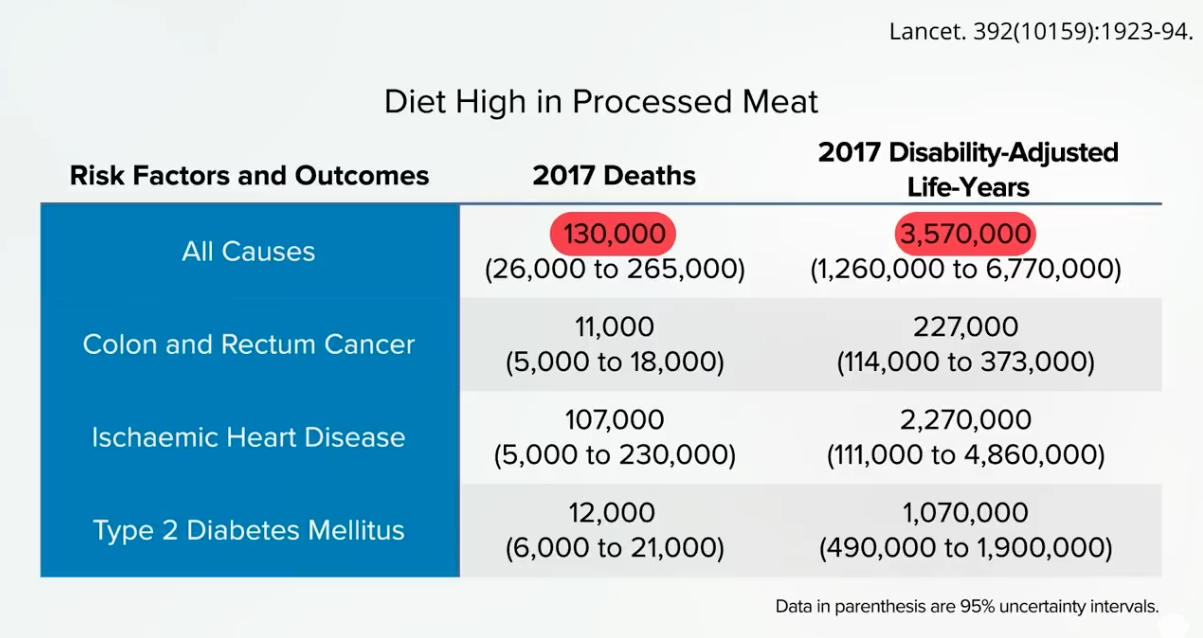
The seemingly innocuous choice between a bean burrito and a meaty one could hold significant implications for long-term health, according to a growing body of scientific evidence. While often overlooked in favor of more immediate health concerns, the consumption of processed meats, such as bacon, ham, hot dogs, lunch meat, and sausage, is linked to a substantial global health burden, contributing to hundreds of thousands of deaths annually from heart disease, cancer, and diabetes. This reality translates into millions of lost healthy years of life worldwide, a stark reminder that dietary choices have far-reaching consequences.
The Scale of the Problem: Global Burden of Disease
The Global Burden of Disease Study, a comprehensive and influential research effort, has illuminated the profound impact of dietary patterns on global mortality. The findings underscore that diets rich in processed meats are a significant risk factor, exacerbating conditions like heart disease, which remains a leading cause of death globally. Beyond cardiovascular ailments, the link between processed meat consumption and increased risk of certain cancers, as well as the development and progression of diabetes, has been increasingly solidified. These chronic diseases not only shorten lifespans but also significantly diminish the quality of life, leading to extensive periods of ill health and disability.
The sheer magnitude of this health crisis is staggering. Projections indicate that over 100,000 lives are lost each year directly attributable to diets high in processed meats. This figure represents a stark warning about the cumulative impact of everyday food choices on a global scale. The millions of healthy years of life lost annually represent a significant economic and social cost, impacting productivity, healthcare systems, and the overall well-being of populations. Understanding the granular impact of these risks is crucial for informed decision-making, both at an individual and societal level.
Quantifying Risk: The Concept of Microlives
To better grasp the individual impact of lifestyle choices, the concept of "microlives" offers a powerful tool for risk communication. Developed to make chronic health risks comparable, a microlife is defined as a reduction of 30 minutes from one’s life expectancy. This unit provides a tangible way to visualize the cumulative effect of seemingly small daily habits.
For instance, an individual in their early twenties, with an average of 57 years of life remaining, possesses approximately one million half-hour increments of life. Engaging in activities or consuming substances that reduce this expectancy by one microlife means sacrificing 30 minutes of potential life. This framework allows for direct comparisons between various risk factors. The analogy is drawn to acute risks, measured in "micromorts" (a one-in-a-million chance of sudden death), highlighting that while some risks are immediate, others, like dietary habits, have a more gradual but equally significant impact on longevity.
The utility of the microlife concept becomes apparent when comparing seemingly disparate risks. For example, consuming a pint of strong beer is estimated to shorten life expectancy by the same amount as smoking a single cigarette. This parallel underscores how chronic, lifestyle-related behaviors can accumulate to substantial reductions in lifespan. The stark comparison serves to reframe everyday choices, prompting individuals to reconsider habits that might otherwise be dismissed as minor.
The Meat of the Matter: Processed Meats and Their Toll
The association between meat consumption and health outcomes has been a subject of intense scientific scrutiny for decades. While red meat has garnered considerable attention, processed meats, due to their inherent characteristics and preparation methods, often present a more concentrated risk. These products frequently contain high levels of sodium, nitrates, and saturated fats, all of which are independently linked to adverse health effects.

A significant body of research, including analyses of studies published in prestigious journals like the Annals of Internal Medicine, has explored the impact of reducing red and processed meat intake. While a panel associated with these publications controversially suggested that reductions in red and processed meat consumption might not yield significant health benefits, subsequent analyses and critical reviews of their own data indicated a potential for a 13% lower risk of premature death associated with such reductions. This discrepancy highlights the complexities of scientific interpretation and the potential for methodological limitations to influence conclusions.
Examining the Evidence: The NutriRECS Papers and Their Aftermath
The NutriRECS (Nutrition and Lifestyle Evidence Consortium) meat papers, published in the Annals of Internal Medicine in late 2019, generated considerable debate and controversy within the scientific and public health communities. The panel, comprised of researchers from various institutions, reviewed existing evidence on the health effects of red and processed meat consumption. Their conclusions, which suggested that most adults should continue their current intake of red and processed meats, diverged sharply from established dietary guidelines and the prevailing scientific consensus.
The methodology employed by the NutriRECS panel came under intense scrutiny. Critics pointed to several key limitations, including the panel’s decision to disregard a significant portion of the existing scientific literature and their use of a framework that prioritized patient preferences over established public health recommendations. Furthermore, the panel’s interpretation of the evidence, particularly regarding the magnitude of risk reduction associated with decreased meat consumption, was questioned.
This controversy underscores the challenges in translating complex scientific evidence into clear and actionable public health advice. It also highlights the influence of external factors, such as industry funding and pre-existing biases, on research interpretation and dissemination. The subsequent backlash from numerous health organizations and researchers emphasized the need for rigorous, unbiased, and comprehensive approaches to dietary guidance.
Broader Implications: Public Health Recommendations and Industry Influence
The debate surrounding the NutriRECS papers has had significant implications for public health policy and dietary recommendations. Established health organizations, including the World Health Organization (WHO), the American Heart Association, and the American Institute for Cancer Research, continue to recommend limiting the consumption of red and processed meats due to their association with increased risks of chronic diseases.
The Union of Concerned Scientists, in a report addressing dietary guidelines, estimated that if Americans could reduce their processed meat intake to as little as one ounce per week, thousands of cancer deaths could be averted annually. This projection emphasizes the population-level impact of dietary shifts and the potential for widespread public health benefits.
The controversy also brings to light the ongoing influence of various industries on dietary science and public health messaging. The meat industry, in particular, has a long history of funding research and lobbying efforts aimed at shaping public perception and policy. This dynamic raises important questions about transparency, conflicts of interest, and the integrity of the scientific process when it intersects with commercial interests.
The Plant-Based Alternative: A Path to Longevity
In contrast to the risks associated with processed meats, a wealth of evidence supports the health benefits of plant-based dietary patterns. Research consistently demonstrates that diets rich in fruits, vegetables, whole grains, nuts, and legumes are associated with improved health outcomes and increased longevity.
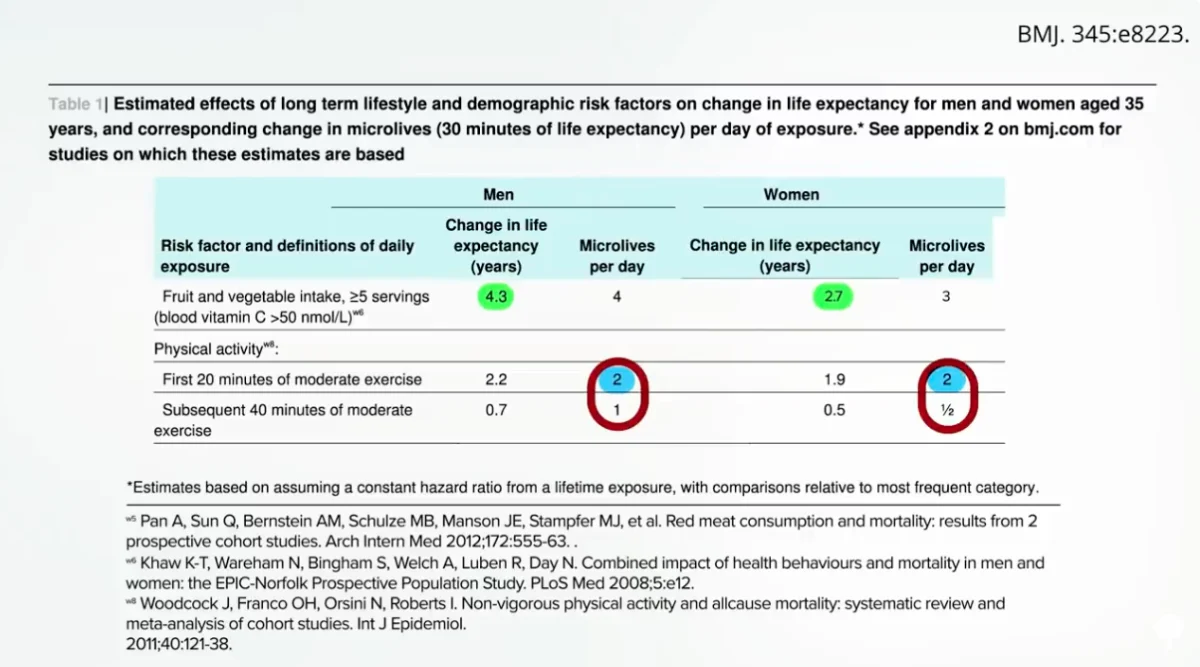
For example, consuming at least five servings of fruits and vegetables daily has been shown to add an average of four years to men’s lifespans and three years to women’s. This benefit can be up to twice as significant as daily exercise. Even more compelling is the return on investment from exercise: 20 minutes of physical activity can add an hour to one’s life expectancy, representing a three-to-one return. Engaging in an hour of exercise daily can yield even greater benefits, effectively allowing individuals to gain more time than they invest.
The implications of these findings are profound. For individuals concerned about their health and longevity, shifting towards a diet centered on minimally processed plant foods offers a powerful and evidence-based strategy. This approach not only mitigates the risks associated with processed meats but also actively promotes well-being and extends healthy lifespans.
Expert Opinions and Calls for Caution
Leading figures in the health and nutrition field have voiced strong opinions regarding the recent debates and the established evidence. Dr. Dean Ornish, a pioneer in lifestyle medicine and founder of the Lifestyle Heart Trial, has been a vocal critic of the NutriRECS papers, emphasizing that the panel’s conclusions disregarded a substantial body of research, including his own seminal work.
Ornish’s Lifestyle Heart Trial demonstrated that a plant-based diet and comprehensive lifestyle program could not only halt but even reverse the progression of severe coronary heart disease. In contrast, a control group that made modest reductions in meat consumption, similar to the recommendations in the Annals review, experienced a continued worsening of their atherosclerosis.
"I take solace," Ornish stated, "in knowing that the light drives out the darkness. But, these days, the light has to be very bright indeed. Caveat emptor. Don’t be fooled. Your life may depend on it." This powerful statement serves as a cautionary note to the public, urging them to critically evaluate health claims and to rely on robust, long-term scientific evidence when making dietary decisions.
Conclusion: Embracing a Healthier Future
The evidence overwhelmingly suggests that a significant shift away from processed and red meats towards plant-centric dietary patterns is crucial for both individual and global health. The concept of microlives provides a compelling framework for understanding the cumulative impact of dietary choices on longevity. While the scientific discourse surrounding specific studies may be complex, the overarching message from established health organizations and a vast body of research remains consistent: prioritizing fruits, vegetables, whole grains, and legumes is a cornerstone of a healthy and long life.
As Dr. Walter C. Willett and colleagues, including the chair of nutrition at Harvard, noted in their commentary on the NutriRECS recommendations, these papers "suffer from important methodological limitations and involve misinterpretations of nutritional evidence." They strongly advocate that "dietary guidelines should continue to emphasize dietary patterns low in red and processed meats and high in minimally processed plant foods such as fruits and vegetables, whole grains, nuts, and legumes."
Ultimately, the decision of what to eat rests with individuals. However, armed with a deeper understanding of the scientific evidence and the potential impact of dietary choices, consumers can make more informed decisions. Opting for a bean burrito over a meaty one, or significantly reducing processed meat intake, are not merely minor dietary adjustments; they are proactive steps towards safeguarding long-term health and embracing a more vibrant and extended life. The choice, quite literally, can add years to your life.

