

Recent scientific inquiries are shedding light on the multifaceted dietary applications of onions, moving beyond their culinary staple status to explore their potential therapeutic roles in managing weight, regulating cholesterol levels, and addressing the complexities of Polycystic Ovary Syndrome (PCOS). While preliminary studies have suggested intriguing correlations, a closer examination of the research reveals a nuanced picture, underscoring the need for rigorous scientific validation before definitive conclusions can be drawn regarding the efficacy of specific onion-based interventions.
Investigating Onion Powder’s Impact on Body Fat
The notion that a minuscule daily dose of onion powder could significantly impact body composition has been a subject of recent scientific investigation. A study titled "Effect of Steamed Onion (ONIRO) Consumption on Body Fat and Metabolic Profiles in Overweight Subjects" explored this hypothesis. Researchers employed steamed onions, chosen for their reduced pungency and aroma, to facilitate their integration into a placebo-controlled study design. These steamed onions were then dried and processed into a fine powder. Participants were administered a remarkably small quantity – approximately one-eighth of a teaspoon (300 mg) per day – in capsule form. The premise was that such a minimal intake would be unlikely to elicit substantial physiological changes, making it an ideal candidate for testing the subtle effects of onion compounds.
The initial findings, as reported in the study’s abstract, appeared promising. Advanced imaging techniques, including Dual-energy X-ray Absorptiometry (DEXA) scans, indicated a statistically significant reduction in overall body fat mass among participants. Furthermore, Computed Tomography (CT) scans revealed a notable decrease in the areas occupied by total body fat, visceral fat, and subcutaneous fat. These results, on the surface, suggested a potent, albeit subtle, effect of onion powder on fat reduction.
However, a deeper dive into the study’s methodology and data analysis reveals a more complex scenario. The author of the original piece, referencing their own extensive research and publications, including the book "How Not to Diet," pointed out that the abstract’s compelling narrative did not fully align with the statistical significance of the findings when compared to the placebo group. Upon closer inspection of the DEXA scan data, no significant change in fat mass was observed in the control group receiving placebo capsules. While the group consuming the onion powder did experience a loss of approximately 7 grams of fat, this was not statistically significant when directly contrasted with the placebo group. This suggests that the observed fat loss, while present, could be attributed to random variation rather than a direct effect of the onion powder.
Similarly, the CT scan results, while showing a greater reduction in fat in the onion powder group – five times more overall fat and over thirty times more visceral fat – also failed to achieve statistical significance when compared to the placebo. This critical distinction implies that the observed differences could be a result of chance, meaning the onion powder’s efficacy in reducing these specific types of body fat, at this dosage, could not be definitively proven by this study.
Further Exploration and Limitations in Weight Loss Research
Undeterred by the initial findings’ limitations, subsequent research continued to explore the potential of onion consumption for weight management. A more recent study investigated the effects of a considerably higher daily intake of onion powder – approximately four teaspoons (9 g) – on body fat. This study, too, concluded that the onion powder did not significantly accelerate the loss of visceral, total, or subcutaneous fat when compared to a placebo. Intriguingly, the placebo in this particular study also consisted of four teaspoons (9 g) of onion powder, albeit of a different type (yellow versus white onions). The researchers noted that both types of onions appeared to contribute to a reduction in abdominal body fat, with no significant difference observed between the yellow and white onion varieties.

While these studies, when considered in isolation, might lead some to consider incorporating small amounts of onion powder into their diet due to its perceived lack of harm, the current evidence base is insufficient to confidently assert its effectiveness for weight loss. The consistent failure to achieve statistically significant results compared to placebo, even with varying dosages and methodologies, highlights a critical gap in the scientific understanding of onion’s direct impact on body fat reduction. The implications for individuals seeking dietary solutions for weight management are that while onions are a healthy component of a balanced diet, relying on them as a sole or primary intervention for fat loss is not currently supported by robust scientific evidence.
Onions and Polycystic Ovary Syndrome (PCOS): A Complex Relationship
Beyond weight management, the potential benefits of onions are being examined in the context of Polycystic Ovary Syndrome (PCOS), a prevalent endocrine disorder affecting 5% to 10% of women of reproductive age. PCOS is characterized by a range of symptoms, including irregular menstrual cycles, and is strongly associated with insulin resistance, placing affected individuals in a pre-diabetic state. The challenges in managing PCOS are often compounded by the side effects of conventional medications, prompting a search for effective dietary interventions.
The rationale for investigating onions in PCOS stems from existing research on onion extracts. Studies in animal models have demonstrated that onion extracts can improve blood sugar control and insulin sensitivity in diabetic rats. Crucially, human studies have shown that onion consumption can reduce blood sugar levels in individuals with diabetes. Given that women with PCOS exhibit decreased insulin sensitivity, there is a logical premise for exploring whether onions could offer similar benefits for this population.
To assess this, researchers have examined studies on the metabolic effects of onions. One study, "Metabolic Effects of Onion and Green Beans," involved participants with diabetes who consumed either a small onion (60 g) daily or an equivalent diet supplemented with a substantial amount of green beans (600 g). Both dietary interventions showed positive results, with the onion group experiencing a roughly 10% reduction in blood sugar levels compared to a control diet, while green beans led to an approximate 15% reduction. This suggests that onions possess some capacity to influence blood glucose metabolism, at least in individuals with diabetes.
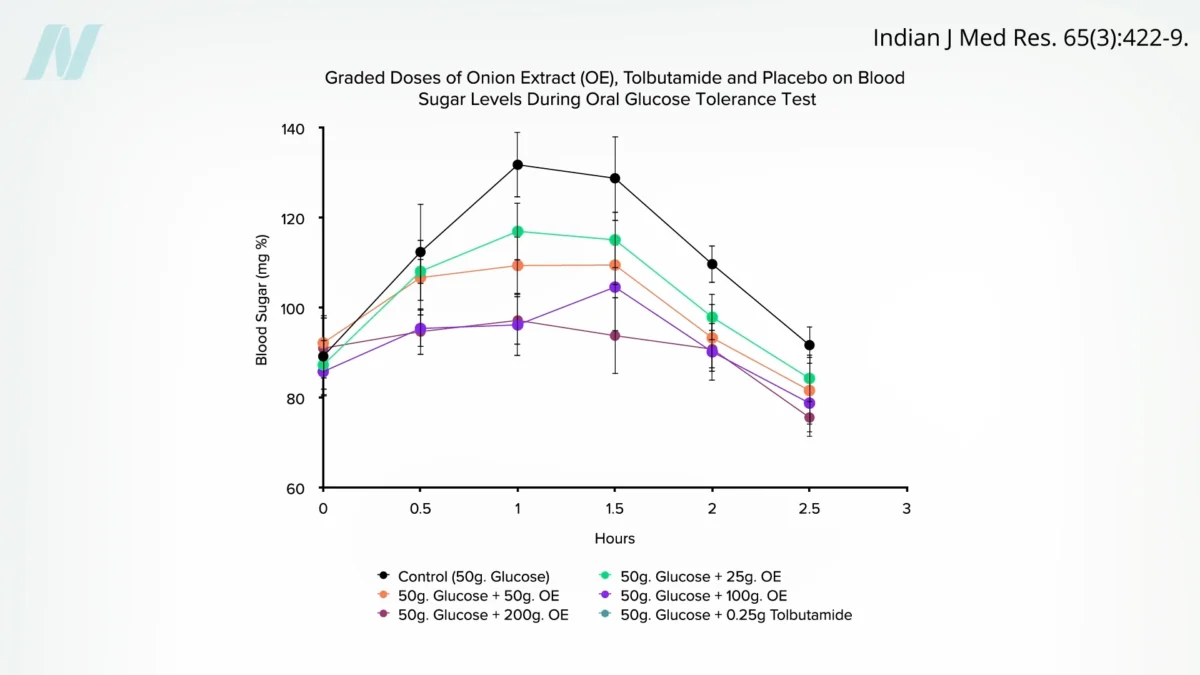
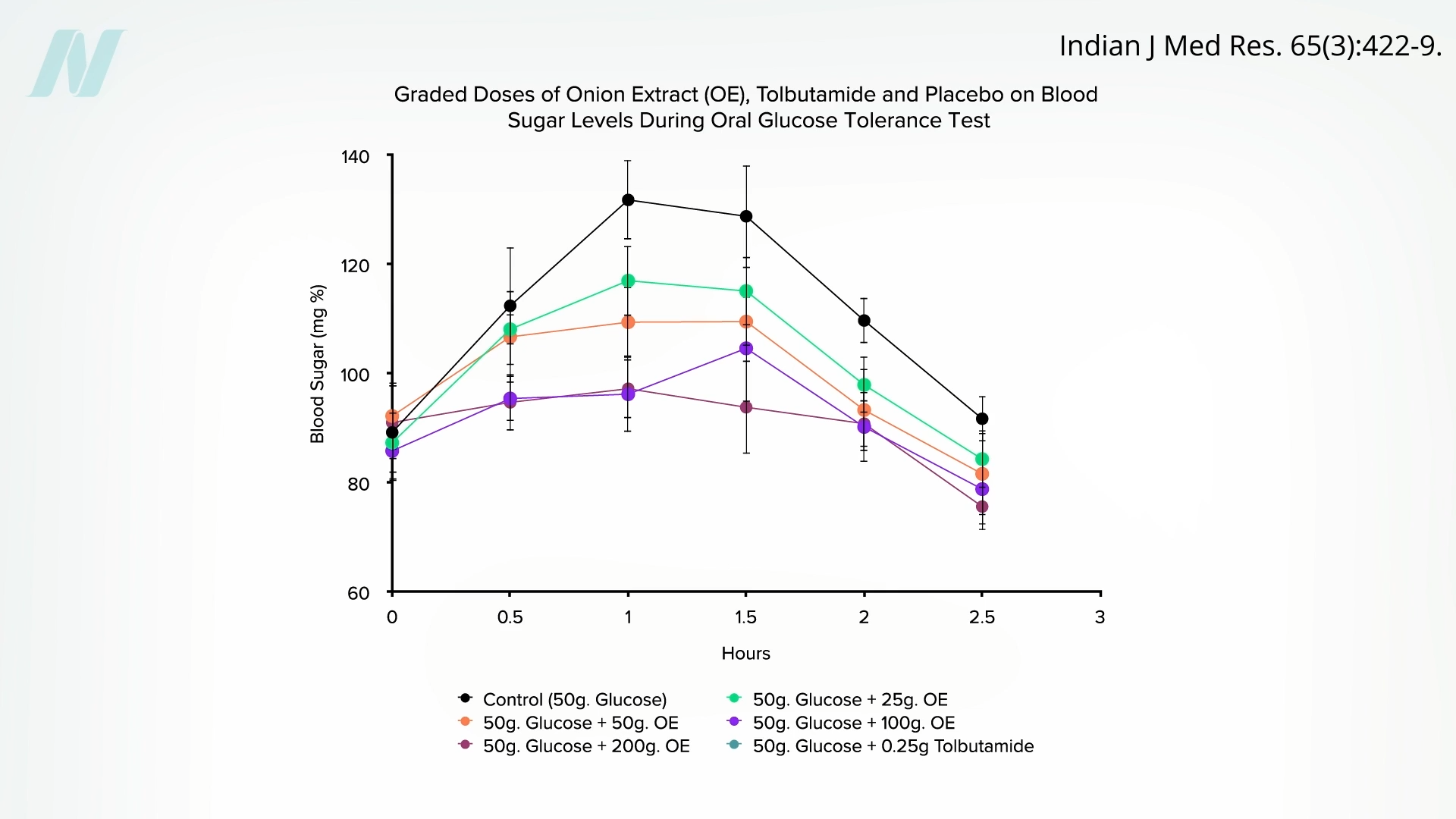
Further research has explored whether onions can mitigate the sharp spikes in blood sugar that occur after consuming sugar. In a study where participants consumed a significant amount of corn syrup (50 g), a pronounced surge in blood sugar levels was observed. However, when the same amount of sugar was consumed alongside increasing doses of onion extract, the subsequent blood sugar spike was significantly blunted. This effect was comparable to that observed when an antidiabetic drug was administered, indicating a potent glucose-stabilizing effect of onion compounds under specific conditions. The mechanism behind this blunting effect appears to involve the modulation of the body’s response to glucose challenges.
Another study investigated the impact of onion extract on blood sugar levels when combined with adrenaline, a hormone known to elevate blood glucose. The results indicated that onion extract significantly dampened the blood sugar increase typically induced by adrenaline, suggesting its potential role in counteracting hormonal influences on glucose metabolism.
Evaluating Onion’s Efficacy in PCOS Patients: Mixed Findings
Despite these promising findings regarding blood sugar regulation in broader populations, the direct application of onions to manage PCOS has yielded less conclusive results. A comprehensive review of existing literature, including a Cochrane Library analysis, found no significant differences in blood sugar levels or other markers of insulin resistance between PCOS patients who consumed high-onion diets and those who consumed low-onion diets. Furthermore, no differences were observed in inflammatory markers between these groups.
This lack of statistically significant improvement in insulin sensitivity and inflammation markers among PCOS patients consuming higher amounts of onions presents a challenge to the hypothesis that onions are a direct dietary solution for managing these core aspects of the syndrome. However, the study acknowledged that women with PCOS face a significantly elevated risk not only for diabetes but also for cardiovascular disease, with high cholesterol being a major contributing factor.
Onions and Cholesterol Management: A Historical Perspective and Emerging Data
The link between PCOS and an increased risk of high cholesterol is particularly concerning, as heart disease remains the leading cause of death among women. Emerging research suggests that consuming raw red onions may have a beneficial effect on cholesterol levels. One study indicated a modest drop in LDL (low-density lipoprotein) cholesterol – approximately 5 mg/dL – in individuals who consumed more onions. However, this reduction was not statistically significant when compared to a control group that consumed fewer onions.
Historical research, dating back approximately 50 years, provides a more striking, albeit anecdotal, illustration of onions’ potential to mitigate the impact of dietary fat on cholesterol. In one experiment, participants who consumed nearly an entire stick of butter (100 g) experienced a significant increase in cholesterol levels within hours. However, when the same amount of butter was consumed alongside a third of a cup (50 g) of either raw or boiled onion, the cholesterol spike was substantially blunted, rising by only 9 points or 3 points, respectively. While this study underscores the importance of moderation in dietary fat intake – advising against consuming excessive amounts of butter – it also hints at a protective effect of onions against acute cholesterol elevation from fatty meals.
Broader Implications and Future Directions
The ongoing scientific exploration into the health benefits of onions highlights their potential, yet emphasizes the critical need for rigorous, large-scale clinical trials to confirm specific therapeutic effects. While the current evidence is insufficient to recommend specific onion-based interventions for weight loss or definitive management of PCOS-related insulin resistance, the data on cholesterol modulation and blood sugar stabilization in broader populations warrants further investigation.
The complexity of conditions like PCOS, which involve a delicate interplay of hormonal, metabolic, and inflammatory factors, necessitates a comprehensive approach to treatment. Dietary interventions, including the incorporation of nutrient-dense foods like onions, can play a supportive role within a broader health management strategy. However, it is crucial for individuals to consult with healthcare professionals for personalized advice and to avoid relying on single foods as a panacea for complex health challenges. The journey to fully understand and harness the therapeutic potential of onions is ongoing, promising further insights into their role in promoting human health.

