

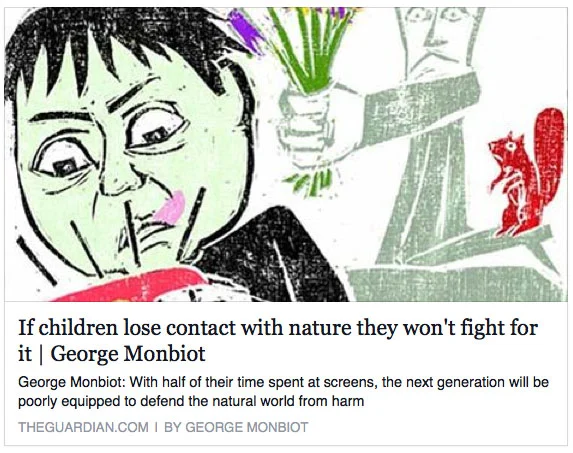
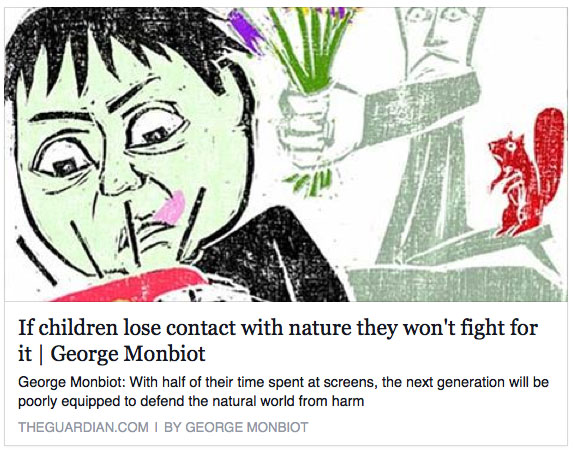
The assertion that children losing contact with nature will diminish their future commitment to environmental advocacy, as articulated by George Monbiot in a prominent UK Guardian commentary, has ignited a vital discourse regarding the evolving relationship between youth and the natural world. While Monbiot’s central thesis resonates with many concerned observers, the framing of the issue, particularly its apparent attribution of blame to the pervasive influence of digital screens, has drawn nuanced counterarguments from those who believe this perspective overlooks significant contributing factors and potential digital solutions. This analysis delves into the complexities of this debate, exploring the multifaceted challenges to children’s nature engagement and examining how digital platforms, often cast as villains, might paradoxically offer pathways to reconnection.
The Shifting Landscape of Childhood and Nature Engagement
George Monbiot’s article, published in November 2012, highlighted a growing concern among environmentalists and educators: a perceived disconnection between contemporary children and the natural environment. The piece posited that this detachment, exacerbated by increased screen time, could lead to a generation less invested in protecting the planet. Monbiot’s argument, widely shared and discussed, tapped into a deep-seated anxiety about the long-term implications of modern childhood lifestyles.
However, the assertion that on-screen engagement is the primary culprit has been met with contention. Critics argue that this viewpoint simplifies a complex societal shift. The decline in direct nature contact for children is not solely attributable to the internet or video games. Instead, it is the result of a confluence of large-scale social and environmental changes that have fundamentally altered the freedoms and opportunities available to young people. These include increased urbanization, a decline in accessible green spaces in many communities, heightened parental safety concerns leading to reduced unsupervised outdoor play, and shifts in educational priorities that sometimes sideline experiential learning in nature.
Data from various studies underscore this trend. For instance, reports from organizations like the National Trust in the UK have documented a significant decrease in the amount of time children spend playing outdoors compared to previous generations. A 2017 report by the Children’s Society found that only one in four children aged 8-15 regularly played outside, a stark contrast to earlier decades. This decline is not confined to the UK; similar patterns have been observed in North America and other developed nations. The reasons are multifaceted, often involving perceived risks associated with outdoor play, a lack of safe and accessible natural spaces, and the allure of indoor, technologically mediated activities.
The "Prickly" Desert and the Birth of Nature Passion
One perspective that challenges the simplistic blaming of screens comes from individuals whose own deep connection to nature was forged through less conventional means. Amy Lenzo, writing on the ecopsychology.org platform, offers such a viewpoint. Lenzo recounts growing up as an introvert in the Arizona desert, a landscape where nature, while undeniably present, could be perceived as "prickly" and less overtly inviting than lush forests. Her own profound passion for the natural world, she states, was initially cultivated not through direct, rugged outdoor exploration, but through the pages of books.
This personal narrative highlights a crucial point: the pathway to nature connection is not monolithic. For some, initial engagement and fascination might be sparked by mediated experiences, such as reading about the natural world, observing documentaries, or even engaging with educational content online. Lenzo argues that contemporary digital platforms, far from being solely detrimental, can serve as powerful conduits for igniting this initial spark of curiosity and wonder in children. The "books" of today, she suggests, have evolved into multi-media experiences that can draw children into the "mystery and magic" of the natural world with even greater efficacy than traditional print.
The Indispensable Role of Direct Nature Engagement
Despite the potential of digital tools, the fundamental importance of direct, tangible interaction with the natural world is widely acknowledged and, by many, considered irreplaceable. There is a broad consensus that encouraging children to venture outdoors, to feel the earth beneath their feet, to observe the intricate details of flora and fauna, and to experience the sensory richness of natural environments is paramount. This direct engagement fosters a visceral understanding and appreciation that theoretical knowledge alone cannot replicate.
The intrinsic link between personal experience and environmental stewardship is a cornerstone of conservation psychology. The principle that "we protect what we know and love" is a deeply ingrained tenet. When individuals, particularly children, develop a personal relationship with nature, they are more likely to develop a sense of responsibility and a desire to safeguard it. This emotional and experiential bond is a powerful motivator for environmental activism and sustainable practices later in life.
Furthermore, the restorative and grounding effects of nature on human well-being are increasingly recognized. In an era marked by rising rates of stress, anxiety, and mental health challenges among youth, spending time in nature offers a vital antidote. It provides opportunities for physical activity, sensory stimulation, imaginative play, and a sense of peace and balance. Studies on "nature deficit disorder," a term popularized by Richard Louv, suggest that insufficient exposure to nature can have negative consequences for children’s physical, psychological, and cognitive development.
Reimagining Digital Engagement for Nature Connection
The central argument presented by Lenzo, and echoed by a growing number of educators and technologists, is that rather than solely lamenting the ubiquity of screens, we should focus on how these digital tools can be leveraged to foster nature connection. The argument is not to replace direct experience with virtual one, but to use the digital realm as a bridge, a supplementary tool, and a communication platform that can enhance and extend our relationship with the natural world.
This approach requires a conscious effort to imbue online engagement with nature-centric values. This can manifest in several ways:
- Mindful Online Presence: Encouraging users, especially young ones, to remain embodied and aware of their physical surroundings even when engaging online. This means recognizing that online interactions are with real human beings situated within specific environments.
- Sensory Language and Imagery: Utilizing language and visual content that evokes the sensory experiences of nature. This includes descriptive writing that appeals to sight, sound, smell, touch, and taste, as well as high-quality photography and videography that captures the essence of natural landscapes and organisms.
- Bridging the Virtual and the Real: Using online platforms to organize real-world nature activities, share knowledge about local ecosystems, or document personal nature discoveries. For example, citizen science projects that use smartphone apps to collect data on biodiversity can simultaneously engage users with technology and the natural world.
- Educational Content: Developing engaging and accurate digital content about nature that goes beyond passive consumption, encouraging exploration and critical thinking. This could include interactive games, virtual reality experiences that simulate natural environments, or educational series that highlight ecological principles.
Broader Implications and the Path Forward
The debate surrounding children’s connection to nature, amplified by Monbiot’s commentary and subsequent responses, has significant implications for environmental policy, education, and public health.
Policy Implications: Acknowledging the multifaceted nature of nature disconnection could lead to more comprehensive policy interventions. This might include urban planning that prioritizes accessible green spaces, funding for nature-based educational programs, and initiatives that promote safe outdoor play. Simply focusing on restricting screen time without addressing systemic issues of access and safety would be insufficient.
Educational Implications: Educators are increasingly exploring ways to integrate technology meaningfully into nature education. This could involve using digital tools for research, documentation, and communication, while still emphasizing hands-on experiences. The challenge lies in finding a balance that leverages the strengths of both digital and analog approaches.
Public Health Implications: The recognized benefits of nature for mental and physical well-being suggest that fostering nature connection is not just an environmental issue, but a public health imperative. Encouraging outdoor activity and engagement with the natural world can be a proactive strategy for promoting holistic health in children and adolescents.
The question of how to cultivate a generation of environmental stewards is complex and requires a nuanced understanding of the forces shaping childhood today. While George Monbiot’s concern about the erosion of nature connection is valid, the focus on digital screens as the sole antagonist may be overly simplistic. As perspectives like Amy Lenzo’s suggest, the digital landscape, when approached with intention and creativity, can serve as a powerful ally in the mission to reconnect children with the natural world, ultimately fostering a deeper love and commitment to its preservation. The future of environmental advocacy may well depend on our ability to harness the tools of the present to inspire a lifelong appreciation for the planet we all inhabit.

