

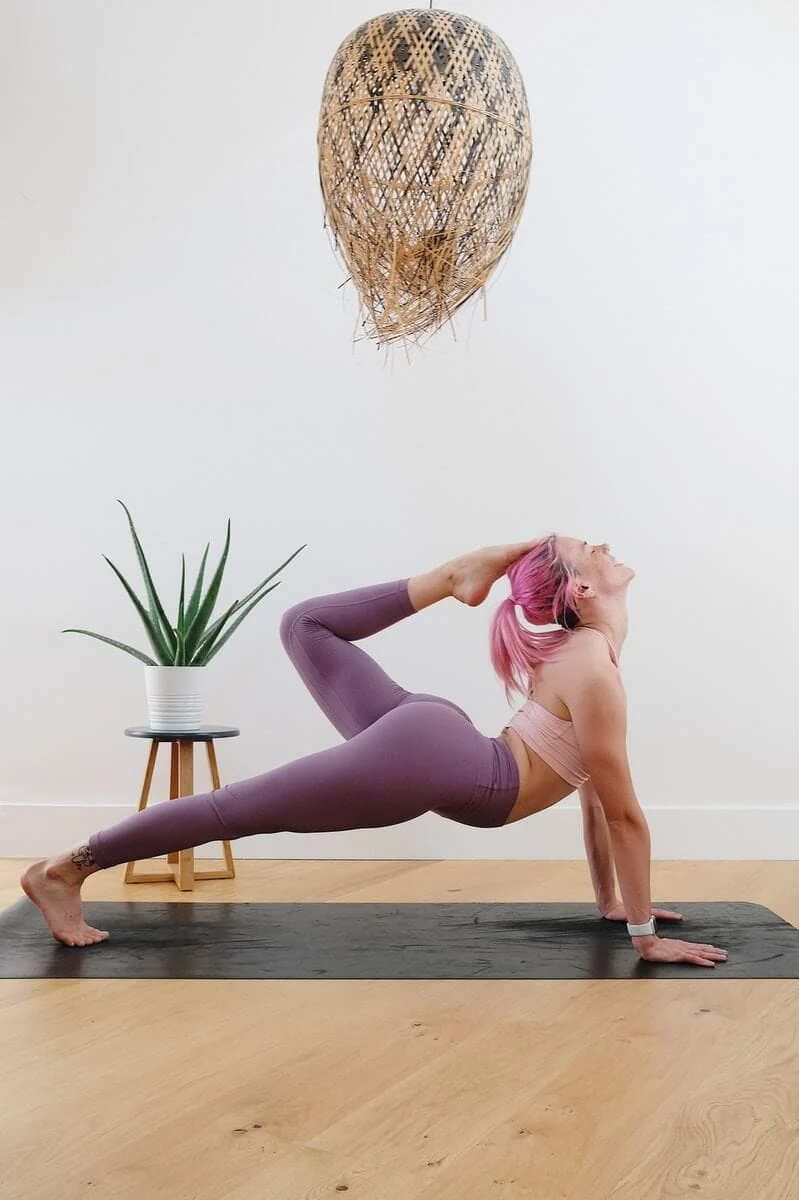
The landscape of yoga practice has undergone a profound transformation, with a groundbreaking survey indicating a substantial and growing preference for at-home sessions among practitioners worldwide. The DoYou Global Yoga Survey 2021, which garnered insights from over 10,000 respondents spanning 124 countries, unveiled a compelling trend: a remarkable 85% of participants now choose to practice yoga within the confines of their homes. This pivotal shift, observed to be on an upward trajectory, is attributed to a confluence of factors that reflect contemporary lifestyles, economic considerations, and personal preferences, fundamentally reshaping how individuals engage with this ancient discipline.
The Rise of Home Practice: A Global Phenomenon
The survey’s findings represent a significant departure from traditional studio-centric models of yoga engagement. While yoga studios have historically served as communal hubs for practice, learning, and connection, the data suggests a powerful gravitation towards individualized, self-directed wellness routines. This paradigm shift is not merely a transient fad but appears to be a deeply rooted evolution in how individuals integrate mindful movement into their daily lives. The primary drivers identified by respondents underscore a collective desire for greater flexibility and personalization in their wellness journeys, a sentiment amplified by global circumstances preceding and during the survey period.
Key Drivers Behind the Home Practice Trend
Four principal factors emerged from the DoYou Global Yoga Survey as the most influential in steering practitioners towards home-based yoga: convenience, affordability, privacy, and control. These elements collectively paint a picture of a yoga community seeking autonomy and integration, rather than rigid adherence to external schedules or environments.
1. Unparalleled Convenience
The demands of modern life often leave individuals with limited time and energy. The prospect of commuting to a studio, navigating traffic, finding parking, and adhering to fixed class schedules can be a significant deterrent for many. The survey revealed that a substantial 71% of home practitioners prioritize convenience above all else. This demographic explicitly expressed a preference for avoiding the logistical hurdles associated with studio attendance after a long workday, indicating a clear trade-off between the perceived benefits of a studio and the practicalities of daily life.
Practicing yoga at home eliminates these barriers entirely. It offers unparalleled flexibility, allowing individuals to unroll their mat at any hour that suits their schedule – be it a sunrise session before the day begins, a mid-day restorative break, or an evening wind-down. The absence of a formal dress code, the ability to practice in one’s most comfortable attire, and the elimination of travel time contribute significantly to this perception of ease. In an era where time is a precious commodity, the ability to seamlessly weave yoga into the fabric of daily life without external obligations is a powerful draw. This convenience factor aligns with broader societal trends towards on-demand services and remote work, reflecting a pervasive preference for accessible, personalized experiences that minimize friction in daily routines.
2. Enhanced Affordability
Economic considerations play a substantial role in the decision-making process for many yoga enthusiasts. A significant 46% of home practitioners cited affordability as a primary motivation. Traditional yoga studio memberships or drop-in fees can represent a considerable recurring expense, often ranging from $15 to $30 per class, or upwards of $100-$200 for monthly unlimited packages, depending on location and studio prestige. When factoring in additional costs such as transportation, specialized yoga attire, and potential childcare, the financial commitment can quickly become prohibitive for some, particularly in economically challenging times.
The digital age has democratized access to high-quality yoga instruction at a fraction of the cost, or even for free. Platforms like YouTube host an immense library of yoga tutorials, catering to all levels and styles, completely free of charge. Numerous online subscription services offer extensive content libraries for a modest monthly fee, often comparable to the cost of a single studio class. This economic advantage is particularly appealing in an environment where household budgets are often stretched, making yoga an accessible wellness option for a wider demographic. The long-term savings associated with foregoing studio fees make home practice an economically sustainable choice for consistent engagement, broadening the appeal of yoga to those previously deterred by cost.
3. Cultivating Privacy and Comfort
For many, the initial foray into yoga, or even continued practice, can be fraught with self-consciousness, perceived judgment, or a sense of competition within a group setting. The survey highlighted that 33% of respondents choose home practice specifically for the privacy it affords. The intimate setting of one’s home eliminates the pressure of performing in front of others, allowing individuals to fully immerse themselves in their practice without external distractions or anxieties.
This aspect is particularly vital for beginners who may feel intimidated by more experienced practitioners, or for those who are recovering from injuries, have specific physical limitations, or simply prefer a more introspective and solitary experience. The ability to explore challenging poses, modify sequences, or simply move at one’s own pace without fear of being observed creates a safe and secure environment. This fosters a deeper connection to the practice, enabling individuals to focus inward and cultivate self-acceptance, which are core tenets of yoga philosophy. For some, the home acts as a sanctuary, a dedicated space for vulnerability and personal growth, free from the social dynamics that can sometimes accompany public classes, thereby enhancing the psychological benefits of the practice.
4. Empowering Personal Control
A strong desire for agency and personalization also emerged as a significant driver for home practice. Over 60% of overall survey respondents indicated that the instructor and atmosphere were crucial to their enjoyment of a class. When practicing at home, individuals gain complete control over every aspect of their yoga experience. This includes selecting the specific style of yoga, the duration of the session, the intensity of the poses, and critically, the instructor.
Whether choosing to follow a trusted online guru, experimenting with different teaching styles, or even self-guiding their practice, practitioners can tailor their sessions to their exact needs and energy levels on any given day. This eliminates the risk of being "let down" by an instructor whose style doesn’t resonate, or a class atmosphere that feels uninspiring. The ability to pause, rewind, or skip sections of an online class, to play preferred music, adjust lighting, or burn incense, further enhances this sense of personalized control. This level of customization allows individuals to create an optimal environment for their physical and mental well-being, fostering a deeper, more intentional relationship with their practice that aligns perfectly with their personal goals and moods.
Background Context: The Pandemic’s Unmistakable Influence
It is imperative to contextualize these findings within the broader global events of 2020 and 2021. The DoYou Global Yoga Survey 2021 was conducted during the height of the COVID-19 pandemic, a period characterized by widespread lockdowns, social distancing mandates, and severe restrictions on public gatherings and businesses worldwide. This disclaimer, provided by the survey organizers, is crucial for understanding the acceleration of the home practice trend.
Prior to the pandemic, while online yoga resources existed, the dominant mode of practice for many was still in-person studio classes. The forced closure of gyms and yoga studios globally, coupled with a surge in mental health awareness and the need for physical activity during periods of isolation, created an unprecedented demand for home-based wellness solutions. Digital platforms rapidly evolved to meet this need, with countless studios and independent instructors transitioning to online offerings, often via live-streamed classes and on-demand video libraries. This period not only normalized but actively encouraged home practice, introducing it to many who might not have otherwise considered it. The habits formed during these restrictive times have clearly endured, suggesting a lasting impact on how individuals approach their fitness and wellness routines, even as public spaces have reopened.
The Evolution of Yoga Practice: A Brief Chronology
- Early to Mid-20th Century: Yoga begins to gain traction in the Western world, primarily through individual gurus and small, specialized classes, often associated with spiritual or esoteric movements.
- Late 20th Century: The physical benefits of yoga become more widely recognized. Formal studios proliferate, and specific styles (e.g., Iyengar, Ashtanga, Bikram) gain prominence. The community aspect of yoga studios begins to solidify.
- Early 2000s to 2010s: Yoga experiences explosive growth, becoming a mainstream wellness activity. Large chains and boutique studios emerge, offering diverse styles and workshops. Online platforms and apps begin to appear, providing supplementary home practice options but not yet challenging the dominance of physical studios.
- Early 2020 (COVID-19 Pandemic): Unprecedented global disruption. Lockdowns force widespread closure of yoga studios. This triggers a rapid and pervasive shift to online, home-based yoga, as studios pivot to virtual classes and new online content creators emerge. The focus on mental health and stress relief during isolation further boosts yoga’s appeal.
- 2021 (DoYou Global Yoga Survey): Data collected during the pandemic reflects the peak of this shift, showing 85% practicing at home, highlighting the dramatic impact of the global health crisis on wellness habits.
- Post-Pandemic (2022 onwards): With the reopening of public spaces, studios resume in-person classes. However, home practice remains highly popular. Many studios adopt hybrid models, offering both in-person and online options, signaling a permanent transformation in the yoga landscape.
Potential Pitfalls of Exclusive Home Practice
While the advantages of home practice are compelling, an exclusive reliance on it presents several notable drawbacks that practitioners should consider for their long-term well-being and developmental trajectory within their yoga journey.
Risk of Injury and Lack of Personalized Feedback: One of the most significant concerns associated with unsupervised home practice is the increased risk of injury due to incorrect form. In a studio setting, certified instructors provide real-time visual cues, verbal adjustments, and hands-on assists (where appropriate) to ensure students are executing poses safely and effectively. This personalized feedback is invaluable, particularly for beginners attempting complex asanas, for those exploring inversions, or for individuals with pre-existing injuries or physical conditions. Without a trained eye to identify subtle misalignments or compensatory patterns, practitioners may inadvertently reinforce poor habits, leading to strain, pain, or even chronic injury. For those with specific health needs, a controlled environment with expert guidance is often unequivocally safer than self-directed practice relying solely on visual instruction from a screen.
Absence of Community and Motivation: The communal aspect of a yoga studio class extends beyond mere physical proximity; it fosters a sense of shared energy, collective intention, and belonging. Many practitioners find profound motivation, inspiration, and accountability in practicing alongside others. The group dynamic can push individuals beyond their perceived limits, offer a sense of camaraderie, and provide a support network that extends beyond the mat. These community benefits contribute significantly to mental well-being, combating feelings of isolation and promoting vital social connection. Exclusive home practice, while offering privacy, can lead to a feeling of detachment and a potential decline in motivation over time, as the external stimulus and shared commitment of a group environment are absent. The social ritual of attending a class can itself be a powerful force for consistency.
Technical and Environmental Distractions: While the home offers convenience, it is also often a hub of distractions. Household chores, family interruptions, pets, phone notifications, or inconsistent internet connectivity can significantly disrupt the flow and focus of a yoga session. Creating a truly dedicated, serene, and consistently undisturbed practice space at home can be challenging for many, contrasting sharply with the purpose-built, tranquil environment of a professional yoga studio designed specifically for mindful practice.
Industry Reactions and Adaptations
The significant shift towards home practice has not gone unnoticed by the wider yoga and wellness industry. Studio owners and instructors have had to adapt rapidly and strategically to remain relevant and sustainable in this evolving landscape.
Studio Owners’ Perspectives: Many studio owners initially faced existential threats during the pandemic but have since recognized the permanence of home practice. "The pandemic forced us to innovate," remarked an inferred representative of a mid-sized urban yoga studio. "We quickly realized that offering online classes wasn’t just a temporary measure, but a way to expand our reach and serve our existing community when they couldn’t be here physically. Now, it’s about finding the balance between digital accessibility and the irreplaceable in-person experience." Studios are increasingly adopting hybrid models, offering both in-person and high-quality virtual classes. They are emphasizing the unique value proposition of the studio experience: expert personalized instruction, access to specialized equipment (props, aerial yoga setups), a dedicated and distraction-free environment, and the invaluable sense of community that cannot be fully replicated online. Many are curating special events, workshops, and retreats to draw practitioners back into physical spaces for deeper engagement and connection, highlighting the social and experiential aspects of their offerings.
Instructor Adaptations: Yoga instructors have also had to broaden their skill sets, mastering online teaching platforms, adapting verbal cues for a virtual audience, and often investing in better audio-visual equipment to maintain quality. While some have embraced the flexibility and broader reach of teaching online, many express a longing for the direct interaction and ability to provide hands-on adjustments that define in-person teaching. "It’s challenging to accurately gauge a student’s form and energetic state through a screen," an inferred veteran instructor might state. "My priority is always safety and proper alignment, and that’s inherently easier to ensure when I’m physically present to observe and correct." This highlights the ongoing debate within the teaching community about maintaining instructional quality and ensuring student safety in a predominantly virtual world.
The Hybrid Model: A Holistic Approach to Wellness
Recognizing both the undeniable benefits of home practice and the irreplaceable value of studio engagement, many practitioners are now embracing a hybrid approach. This strategy allows individuals to leverage the convenience, affordability, and personalization of home sessions for regular, foundational practice, while periodically attending studio classes for deeper learning, personalized adjustments, community connection, and specialized workshops. This flexible model caters to diverse needs and schedules, empowering practitioners to tailor their yoga journey in a way that truly supports their holistic well-being.
It underscores the idea that the growth of home practice does not necessarily signal the demise of traditional studios but rather an evolution towards a more integrated and adaptable wellness ecosystem. The key lies in seeking out varied experiences, finding instructors and environments that resonate, and understanding that the path to a fulfilling yoga practice often involves exploring multiple avenues, combining the best of both worlds.
Broader Impact and Future Outlook
The insights from the DoYou Global Yoga Survey 2021 have significant implications for the future of the wellness industry. The trend towards home practice contributes to the broader democratization of wellness, making yoga more accessible to individuals regardless of geographical location, financial standing, or time constraints. This increased accessibility could lead to a wider adoption of yoga globally, fostering improved physical and mental health on a larger scale and potentially reducing health disparities.
Looking ahead, the yoga landscape is likely to be characterized by continuous innovation and integration. Technology will continue to play a crucial role, with advancements in AI-powered feedback, virtual reality yoga, and highly personalized online coaching potentially offering new dimensions to home practice. However, the inherent human need for connection, embodied learning, and expert guidance will ensure the continued relevance and importance of physical studios and in-person instruction. The future of yoga appears to be a harmonious blend of digital convenience and tangible community, offering practitioners an unprecedented array of choices to cultivate their practice and enhance their overall well-being. The challenge for the industry will be to effectively bridge these two worlds, creating seamless and enriching experiences that cater to the evolving preferences of a dynamic and diverse global yoga community. The survey serves as a powerful testament to the resilience

