

The RV industry has seen a significant demographic shift over the past decade, moving from a niche retirement activity to a mainstream travel preference for families and remote workers. According to the RV Industry Association’s 2024 demographic profile, approximately 8.1 million American households now own an RV, while an additional 16.9 million people expressed a strong intent to join the community within the next year. This growth has placed a premium on high-quality, reliable campsites that offer full utility hookups and modern amenities, a demand that KOA has sought to meet through a strategic tri-brand classification system.
Historical Evolution of the KOA Network
The origins of Kampgrounds of America date back to 1962, a pivotal year for American road travel. Founded by Dave Drum in Billings, Montana, the first KOA was established to provide a convenient stop for travelers heading to the Seattle World’s Fair. Drum recognized that as the Interstate Highway System expanded, motorists required consistent, clean, and safe places to stay that were more developed than traditional primitive campsites.
Over the subsequent six decades, the company evolved from a single riverside property into a massive franchise network. The 1970s and 80s saw the introduction of more robust amenities, such as swimming pools and convenience stores, while the 21st century has focused on digital integration and luxury "glamping" options. This evolution reflects a broader trend in the hospitality industry where travelers expect the comforts of home—such as high-speed Wi-Fi and reliable power—even when situated in remote wilderness areas.
Strategic Segmentation: Journey, Holiday, and Resort
To assist travelers in selecting the appropriate environment for their specific needs, KOA categorized its 500+ locations into three distinct brands. This segmentation allows the company to manage expectations and provide specialized services based on the duration and intent of the traveler’s stay.
KOA Journey
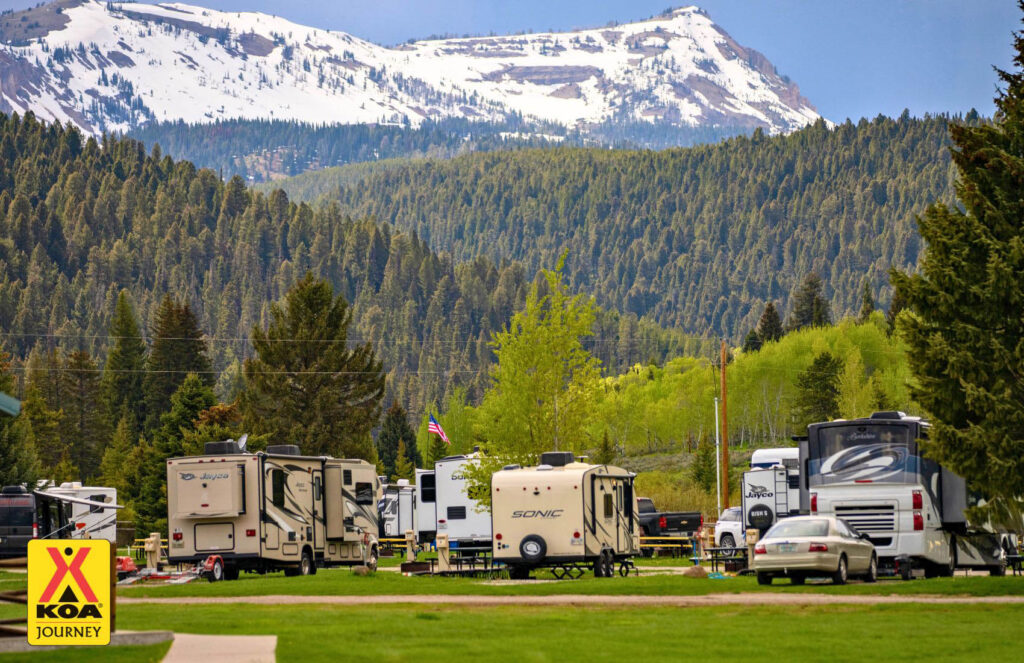
Designed primarily for the "Cross-Country Voyager," KOA Journey locations are strategically situated near major highways. These sites emphasize efficiency and ease of access. Key features include long pull-through sites that allow large rigs to enter and exit without unhooking tow vehicles, well-lit environments for late-night arrivals, and streamlined check-in processes. They serve as the modern equivalent of the roadside motel, providing essential services for those on long-distance transit.
KOA Holiday
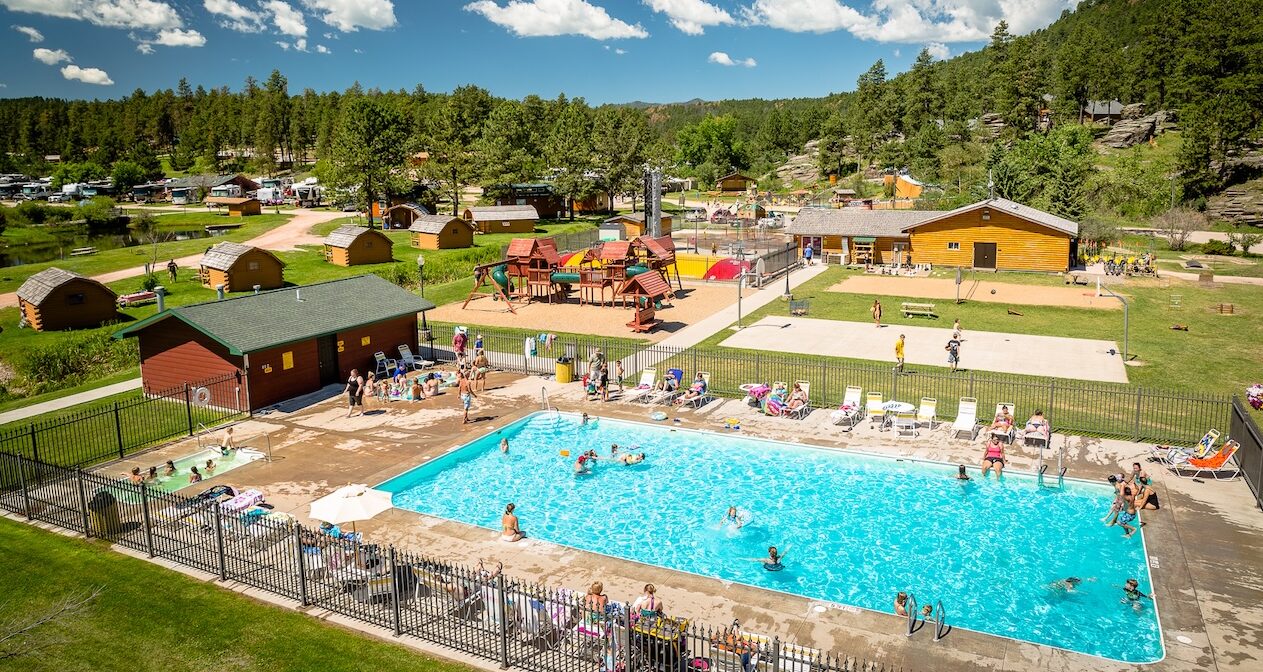
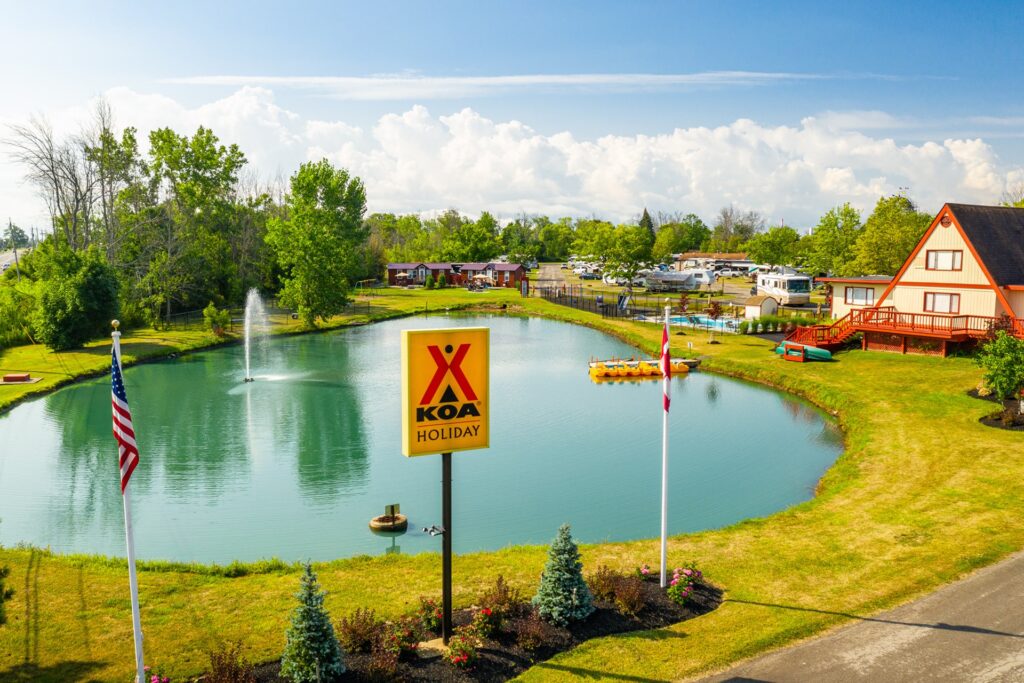
The "Weekend Warrior" and the "Family Vacationer" typically gravitate toward KOA Holiday locations. These are destination-oriented campgrounds that serve as a base camp for exploring local attractions, such as national parks or historical landmarks. They offer expanded amenities, including upgraded patio sites, organized group activities, and robust recreational facilities. The infrastructure at these locations is designed to support multi-day stays where the campground itself is part of the vacation experience.
KOA Resort
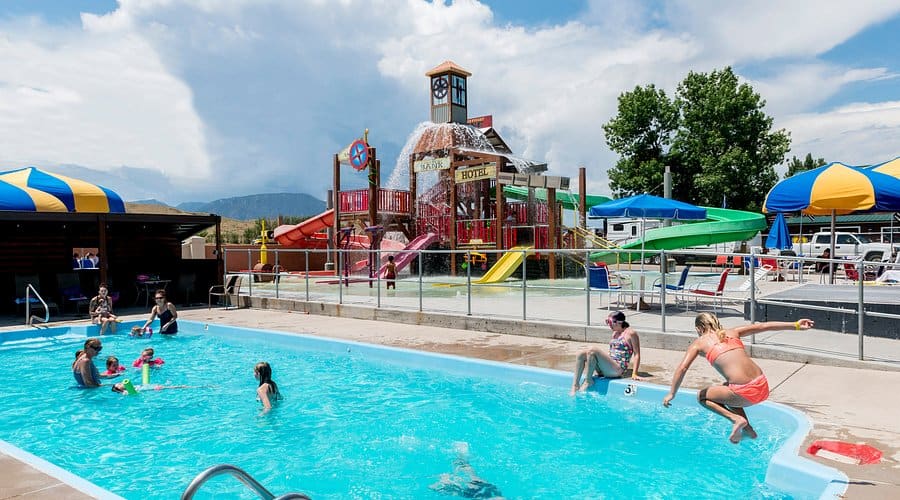
Representing the pinnacle of the network’s offerings, KOA Resorts are designed for "Snowbirds" and luxury travelers seeking an all-inclusive experience. These locations often feature resort-style pools, on-site dining options, staff-led recreation programs, and extensive landscaping. They are frequently located in high-demand vacation corridors and cater to those who intend to remain in one location for weeks or months at a time.
Infrastructure and Technical Specifications
A critical component of modern RV camping is the "hookup," which refers to the connection of the vehicle to external utilities. KOA has invested heavily in ensuring their sites meet the diverse electrical and plumbing requirements of modern rigs, which have grown increasingly complex.
Electrical Service and Amperage
Modern RVs, particularly large Class A motorhomes and fifth wheels, often require 50-amp electrical service to power multiple air conditioning units and high-end appliances. Older or smaller rigs may only require 30-amp or 20-amp service. KOA’s booking system allows users to filter for specific amperage, ensuring that travelers do not arrive at a site that cannot support their vehicle’s power draw.
Full vs. Partial Hookups
The distinction between hookup types is a primary factor in campsite pricing and availability.
- Full Hookups: These sites provide city water, electrical service, and a sewer connection directly at the pitch. This allows travelers to use their onboard bathrooms and kitchens without the need to visit a central dump station.
- Partial Hookups: Typically offering water and electricity but lacking a sewer connection, these sites are common for smaller trailers or those staying for shorter durations.
- Dry Camping/No Hookups: While less common at KOA locations, some sites offer no utilities for "boondocking" enthusiasts who prefer to rely on their vehicle’s internal batteries and water tanks.
Site Geometry: Pull-Through vs. Back-In
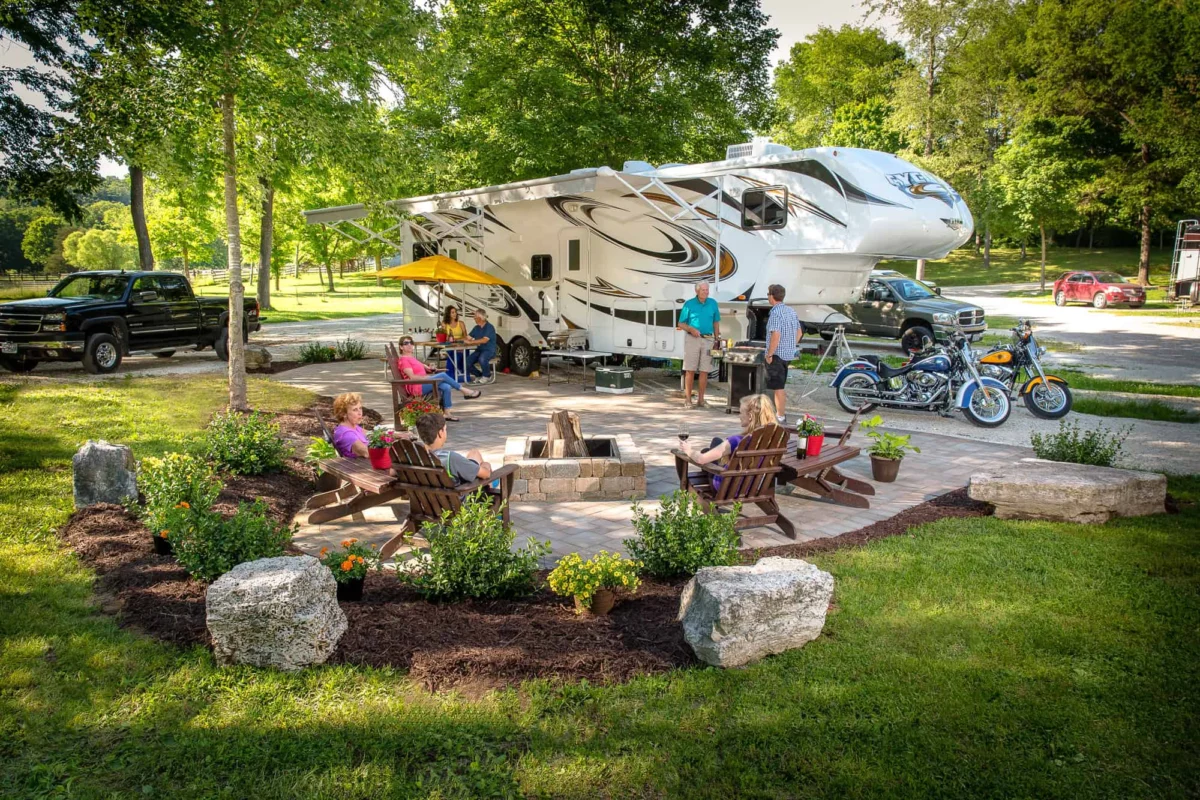
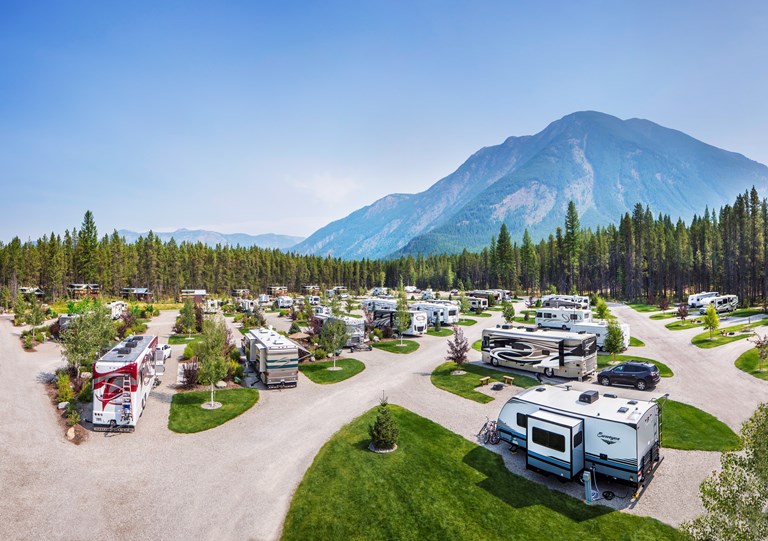
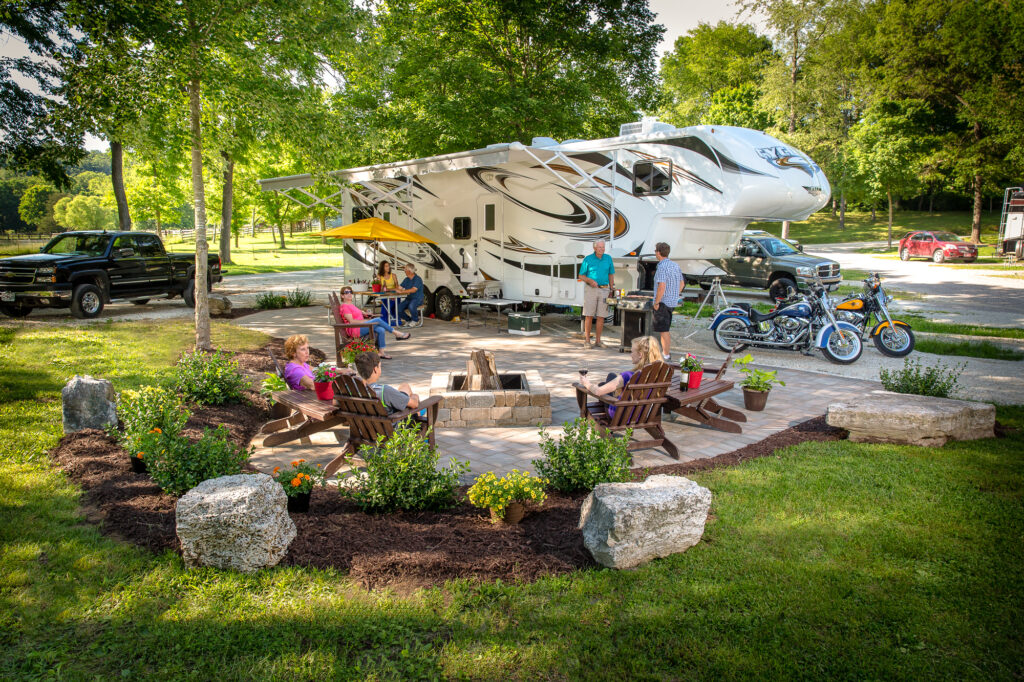
Logistics play a major role in the RV experience. Pull-through sites are highly coveted by drivers of large rigs (up to 45 feet) because they eliminate the need for complex backing maneuvers. Conversely, back-in sites are often situated on the perimeter of the campground, offering increased privacy and views of natural features like lakes or forests. KOA has also introduced "Patio Sites," which include paved areas, high-quality outdoor furniture, and dedicated fire pits, catering to the growing "glamping" market.
The Pet-Friendly Pivot and Modern Amenities
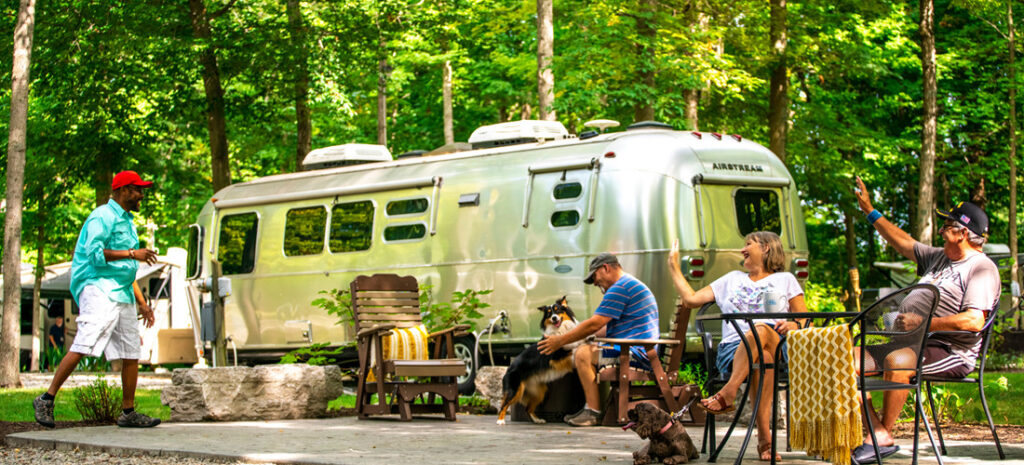
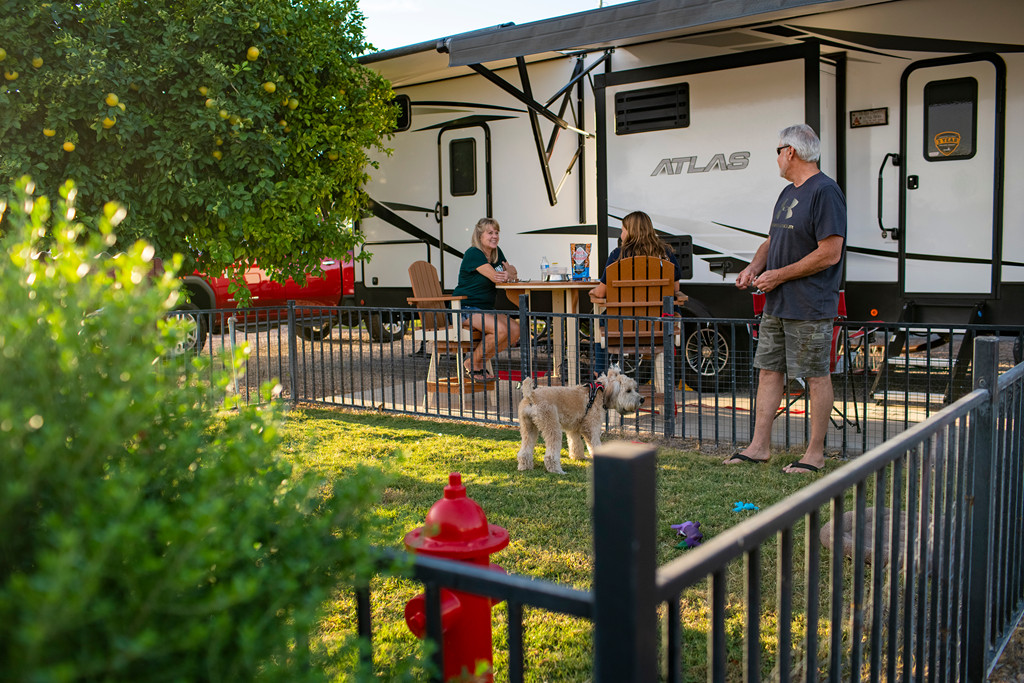
Data suggests that approximately 43% of RV travelers consider pet-friendly facilities a non-negotiable requirement when choosing a campground. In response, KOA launched the KampK9 program, which mandates fenced, off-leash dog parks at its locations. More recently, the company introduced "Paw Pen" sites, which feature private, fenced enclosures attached directly to the individual RV pitch, allowing pets to roam safely without a leash while their owners relax outside.
Beyond pet facilities, the standard amenity package at a KOA includes laundry rooms, clean shower facilities, and "Yellow Shirt" hospitality—a reference to the signature uniforms worn by staff members trained in local concierge services. The inclusion of high-speed Wi-Fi has also become a standard expectation, particularly as the "work-from-anywhere" movement has encouraged professionals to trade traditional offices for mobile lifestyles.
Economic Implications and the Rewards Ecosystem
The growth of the KOA network has significant implications for local economies. Campground guests contribute to the revenue of nearby gas stations, grocery stores, and tourist attractions. To foster brand loyalty in a competitive market, the KOA Rewards program provides a structured incentive system. Members receive a 10% discount on nightly rates and accumulate points that can be redeemed for future stays. This loyalty data allows the company to track travel patterns and adjust franchise support based on shifting regional demands.
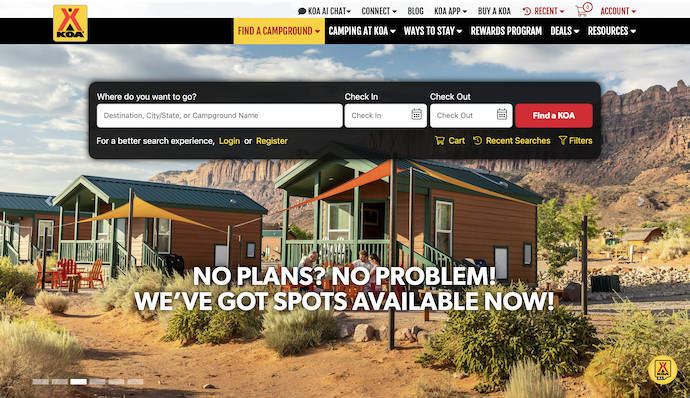
The booking process itself has been digitized to mirror the airline and hotel industries. Real-time availability, transparent pricing without hidden fees, and detailed site descriptions allow travelers to plan complex multi-state itineraries with high precision.
Environmental Stewardship and Health Benefits
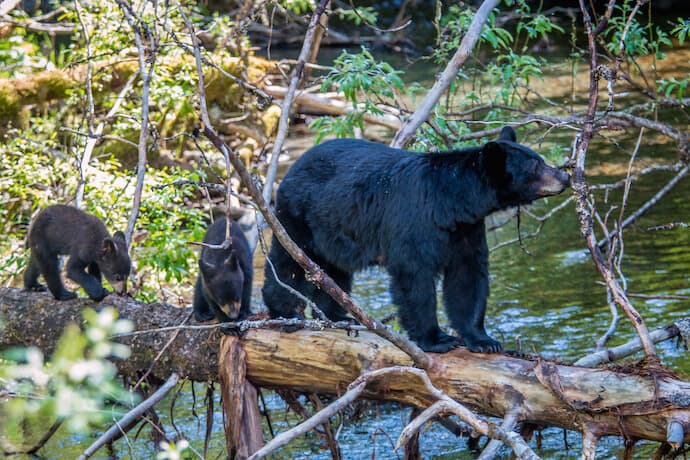
While RV travel involves the use of fossil fuels, the camping industry has increasingly focused on environmental responsibility. KOA encourages "Responsible Camping" through initiatives that promote waste reduction, the use of biodegradable chemicals in holding tanks, and the protection of local flora and fauna.
Furthermore, the psychological and physical health benefits of nature-based travel are well-documented. Exposure to natural light and the reduction of urban noise pollution have been linked to improved sleep cycles and lower cortisol levels. By providing an accessible gateway to the outdoors, KOA serves as a bridge between urban living and the restorative qualities of the natural world.
Future Outlook and Industry Analysis
The future of RV camping at KOA appears linked to the integration of sustainable technology. As electric RVs begin to enter the market, the demand for high-capacity charging stations at campgrounds will likely become the next major infrastructure hurdle. Industry analysts expect that KOA will lead the transition by retrofitting existing pedestals to accommodate both vehicle charging and traditional RV power needs.
Additionally, the trend toward "experiential travel" suggests that campgrounds will continue to evolve into holistic outdoor hospitality hubs. The blurring lines between traditional hotels and campgrounds are expected to drive further investment in premium amenities and unique lodging options, such as converted cabooses or luxury yurts, alongside traditional RV sites.
In conclusion, Kampgrounds of America has successfully navigated the transition from a 1960s roadside necessity to a sophisticated hospitality network. By focusing on standardized quality, technological integration, and a deep understanding of the diverse needs of the modern RVer, the organization remains a central pillar of the North American tourism industry. Whether for a single night on the way to a destination or as a permanent seasonal home, KOA’s infrastructure provides the essential framework for the modern nomadic experience.

