

Wells Gray Park, a vast expanse of protected wilderness nestled within the Caribou Mountains of British Columbia, Canada, stands as a testament to the raw, untamed beauty of the natural world. This sprawling sanctuary, encompassing mountains, pristine lakes, and dense forests, is a vibrant ecosystem teeming with diverse wildlife, from majestic bears and elusive moose to a rich array of avian species and abundant fish populations. It is also, notably, home to over 30 distinct species of mosquito, a characteristic feature of its boreal environment. However, it is the park’s extraordinary abundance of waterfalls that truly defines its character. Owing to a unique geological history spanning millennia, Wells Gray Park boasts approximately 39 named major waterfalls, complemented by countless smaller, unnamed cascades that punctuate its rugged terrain. Among these natural wonders, Helmcken Falls commands particular attention. This colossal waterfall ranks as the fourth largest in Canada, an awe-inspiring spectacle that plunges an astonishing three times the height of the world-renowned Niagara Falls, offering a profound encounter with nature’s immense power and artistry.
The Majesty and Geological Significance of Helmcken Falls
Helmcken Falls, situated on the Murtle River in Wells Gray Provincial Park, is a breathtaking testament to the erosive power of water and the unique geological processes that shaped British Columbia’s interior. The falls have a total drop of 141 meters (463 feet), with the upper cascade measuring 33 meters (108 feet) and the main plunge a staggering 108 meters (355 feet). This impressive height makes it the third-highest waterfall in British Columbia and a significant natural landmark.
The geological formation of Wells Gray Park and its numerous waterfalls, including Helmcken, is intrinsically linked to the region’s volcanic past and subsequent glacial activity. The area is characterized by extensive lava flows from ancient shield volcanoes, which, over time, have been carved and shaped by powerful rivers. The Murtle River, like many others in the park, flows over these basaltic layers. The differential erosion rates between the harder basalt caprock and the softer underlying rock layers have contributed to the formation of dramatic cliffs and steep cascades. Glacial meltwaters during and after the last ice age further intensified these erosional forces, carving out valleys and widening riverbeds, setting the stage for the spectacular waterfalls we see today.
The sheer volume of water that cascades over Helmcken Falls, particularly during the spring melt, creates a thunderous roar that can be heard from a considerable distance. The mist generated by the impact of the water on the pool below often forms rainbows on sunny days, adding to the ethereal beauty of the scene. The surrounding environment, characterized by dense coniferous forests, provides a verdant backdrop to the falls, enhancing their visual impact and creating a sanctuary for a variety of plant and animal life.
Experiencing the Waterfall: A Gateway to Contemplation
The experience of witnessing a powerful waterfall like Helmcken is often profound, inviting contemplation of natural forces and the transient nature of existence. The sheer force of the water, the constant roar, and the pervasive mist create an immersive sensory experience that can be both exhilarating and humbling. It is within this environment that one can truly grasp the concept of a waterfall not merely as a geological feature, but as a dynamic, living entity. The very word "waterfall" speaks to a relationship: the point where a specific river, at a particular moment, meets a specific geological feature. It represents water in its most dynamic and powerful form, a momentary, yet awe-inspiring, manifestation of its ceaseless journey downstream.
This observation extends to a broader philosophical perspective. When we expand our temporal horizon, it becomes clear that all phenomena, including ourselves, are temporary events, akin to a waterfall. A waterfall, in this context, is the fleeting shape water assumes in its descent. Similarly, a tree is a temporary form taken by sunlight, water, and specific chemical elements over centuries. Animals, including humans, are transient configurations of food, water, and air, existing for less than a century. The waterfall, therefore, can be interpreted as a vivid, instantaneous narrative of life itself – a story written in a moment of immense energy and transformation.
The Deceptive Calm Before the Cascade: Lessons in Transition
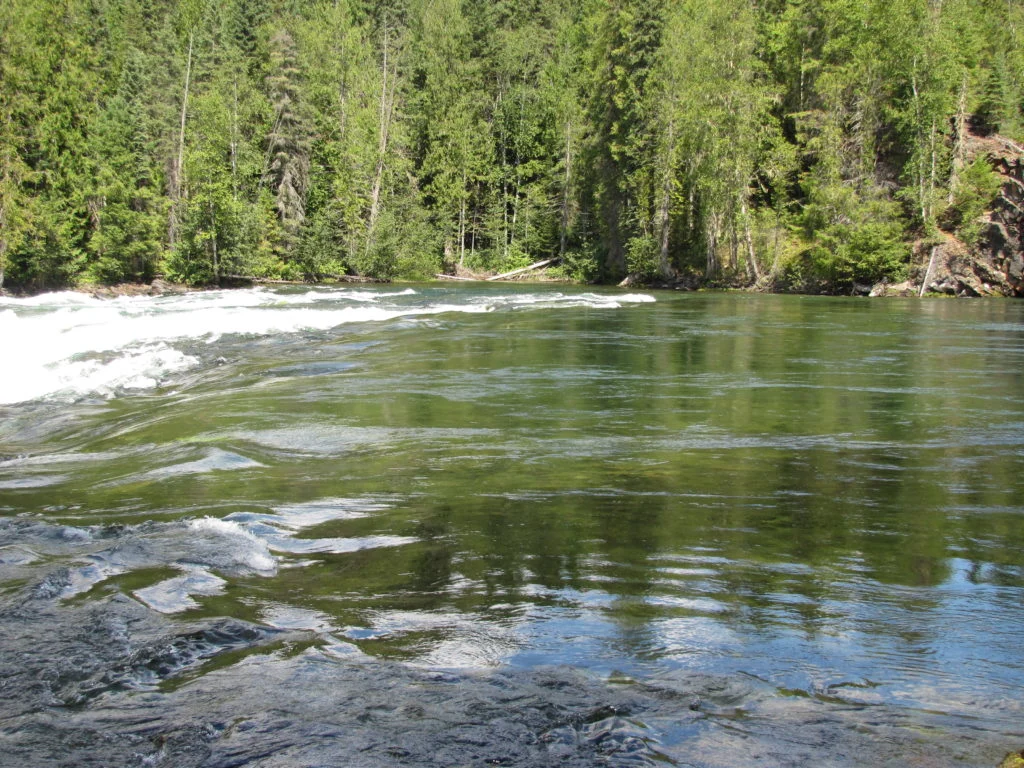
A striking characteristic often observed at many waterfalls is the deceptive serenity of the water upstream from the precipice. The surface can appear smooth, placid, and tranquil, offering little hint of the tumultuous power that lies just ahead. The current may accelerate almost imperceptibly, the water gathering momentum from a seemingly calm expanse, before suddenly plunging over the edge in a paroxysm of energy, chaos, and breathtaking beauty. This phenomenon offers a potent metaphor for transitions in both natural systems and human affairs.
In human life, aging can sometimes mirror this pattern. Life may proceed smoothly for a period, with a sense of steady progress. However, as individuals approach old age or confront illness, their biological systems can begin to falter at an accelerating rate, much like a river nearing a waterfall. The decline, initially subtle, can become increasingly rapid, leading to a period of significant challenge and change.
On a societal level, the analogy can be equally relevant. The pace of technological innovation and social change has been steadily accelerating over decades, often perceived as a gradual, smooth progression. However, societies, like rivers, can reach a point where the accumulated momentum leads to a threshold. Once crossed, this threshold can usher in a period of rapid, even chaotic, transformation. Developments that once seemed distant or abstract can suddenly become immediate realities, demanding swift adaptation and potentially leading to unforeseen disruptions.
Those who are further upstream in this metaphorical river might still perceive their circumstances as stable and predictable, unaware of the approaching maelstrom. Yet, for those closer to the edge, the signs of impending change—the subtle shifts in currents, the growing roar of the approaching cascade—may become discernible. The ability to listen with an alert mind, to recognize these subtle indicators before they become overwhelming, is crucial for navigating these transitions. It allows individuals and societies to potentially "swim to the safety of the bank," to adapt and prepare rather than be swept away by the irresistible force of change.
Wells Gray Park: A Biodiversity Hotspot and Ecological Preserve
Beyond its spectacular waterfalls, Wells Gray Provincial Park is a vital ecological preserve that supports a rich tapestry of biodiversity. The park encompasses a diverse range of ecosystems, from old-growth cedar-hemlock forests to subalpine meadows and alpine tundra. This environmental heterogeneity supports a wide array of flora and fauna.
Flora: The park is characterized by extensive coniferous forests dominated by western red cedar, western hemlock, and amabilis fir. In higher elevations, subalpine fir and Engelmann spruce become more prevalent, giving way to alpine meadows rich in wildflowers during the summer months. The park’s diverse soil types and microclimates contribute to a varied understory, supporting numerous species of mosses, ferns, and shrubs.
Fauna: Wells Gray is a crucial habitat for numerous mammal species. Large mammals such as black bears, grizzly bears, moose, deer, and mountain goats are commonly found within the park. The park’s numerous lakes and rivers are home to various fish species, including rainbow trout, Dolly Varden, and kokanee salmon, which in turn support populations of piscivorous birds like ospreys and eagles. Birdlife is abundant, with over 200 species recorded, including various woodpeckers, thrushes, warblers, and raptors. The park’s insect life is also diverse, with mosquitoes being a notable, if sometimes unwelcome, component of the ecosystem.
Conservation Efforts and Challenges: Wells Gray Provincial Park was established in 1939 and expanded over the years to its current size of over 5,250 square kilometers. Its designation as a provincial park underscores a commitment to protecting its natural heritage. However, like many protected areas, it faces ongoing challenges. These include managing human impact from tourism, preventing the spread of invasive species, and adapting to the effects of climate change, which can alter habitat suitability and species distribution. Ongoing monitoring and research are essential for understanding these impacts and developing effective conservation strategies.
Official Perspectives and Management of Natural Resources
The management of Wells Gray Provincial Park falls under the purview of the British Columbia Ministry of Environment and Climate Change Strategy, through BC Parks. Park officials are tasked with balancing visitor access and enjoyment with the imperative of ecological preservation. This involves developing and maintaining trails, providing educational resources, and implementing regulations to minimize human impact.
Statements from BC Parks often emphasize the importance of respecting wildlife and natural processes. Information provided to visitors typically includes guidelines on waste disposal, campfire safety, and wildlife viewing etiquette. The ministry also engages in scientific research and monitoring programs to assess the health of park ecosystems and inform management decisions. For instance, initiatives may focus on tracking wildlife populations, monitoring water quality in lakes and rivers, and studying the impact of climate change on vegetation.
The geological and ecological significance of Helmcken Falls and the broader Wells Gray region are recognized as key assets. Efforts are made to highlight these features through interpretive programs and signage, aiming to educate visitors about the natural processes that have shaped the landscape and the importance of conservation. The park’s designation as an important natural area also contributes to its role in regional ecotourism, generating economic benefits for surrounding communities while simultaneously necessitating careful management to avoid over-tourism.
Broader Implications: Nature as a Teacher
The insights gleaned from observing Helmcken Falls and its surrounding environment extend far beyond the realm of natural history. They offer a profound framework for understanding life, change, and our place within the larger ecological system. The "lessons in nature" that the original text refers to are not mere poetic observations; they represent a deep ecological wisdom that can inform our approach to personal well-being, societal development, and our relationship with the planet.
Ecological Literacy: Understanding the dynamics of a waterfall—the interplay of geological forces, water flow, and the ephemeral nature of its form—enhances ecological literacy. It teaches us about interconnectedness, the continuous cycles of creation and dissolution, and the immense power inherent in natural systems. This understanding is critical in an era of unprecedented environmental challenges, fostering a sense of responsibility and encouraging sustainable practices.
Resilience and Adaptation: The ability of natural systems to adapt and endure, even in the face of dramatic change, offers valuable lessons in resilience. The river that flows over Helmcken Falls has navigated countless geological epochs, its path shaped and reshaped by powerful forces. This demonstrates that change is not always destructive; it can also be a catalyst for new forms and greater strength. For individuals and societies, this perspective can foster a more adaptive mindset, encouraging us to view challenges not as insurmountable obstacles, but as opportunities for growth and transformation.
Mindfulness and Presence: The experience of being present at a waterfall, with its sensory richness and immediate impact, cultivates mindfulness. It draws us out of our abstract thoughts and into the direct experience of the moment. This heightened awareness can translate into a greater appreciation for the natural world and a deeper connection to our surroundings. It also encourages us to be more attuned to the subtle signals of change in our own lives and in the world around us, as suggested by the metaphor of the river approaching the falls.
In conclusion, Wells Gray Park and its majestic Helmcken Falls serve as more than just a stunning natural spectacle. They are living classrooms, offering profound insights into the fundamental principles of nature and life itself. By understanding the geological forces that shaped these landscapes, the biodiversity they sustain, and the metaphorical lessons they impart, we can cultivate a deeper appreciation for the natural world and a more informed approach to navigating the complexities of our own existence and the future of our planet. The roar of the falls, the mist on our faces, and the sheer power on display are not just sensory experiences; they are profound reminders of our interconnectedness with nature and the enduring wisdom it holds.

