

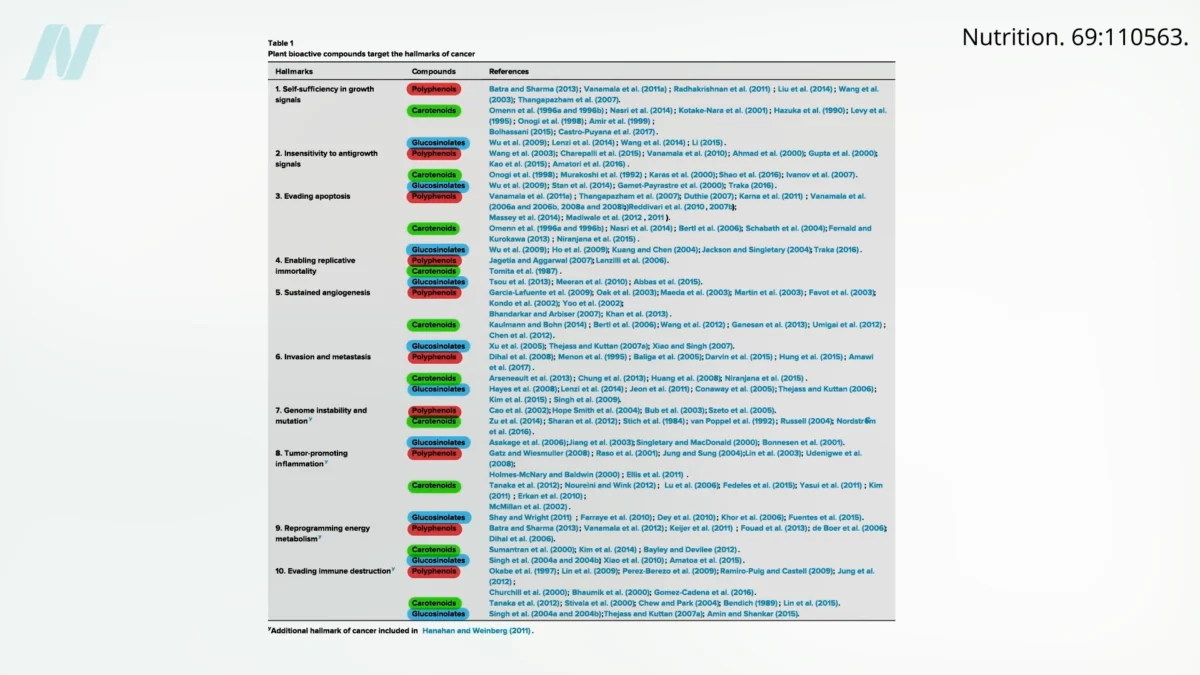
The persistent struggle against cancer, a disease that has claimed millions of lives globally, is increasingly being viewed through a new lens: the profound impact of diet and nutrition. For decades, the dominant paradigm in cancer research and treatment has been the development of pharmaceutical interventions, a focus that, according to a growing body of scientific evidence and expert opinion, may have overshadowed more fundamental preventative strategies. The prevailing sentiment among some researchers is that a significant shift in focus from "cures" to "prevention" is not only warranted but essential for making meaningful progress against this complex group of diseases.
A Historical Perspective: The War on Cancer and Its Outcomes
The contemporary push for comprehensive cancer prevention strategies is underscored by the historical context of the "War on Cancer." In 1971, President Richard Nixon declared an all-out war on cancer, allocating significant federal funding and galvanizing research efforts. The aim was to eradicate cancer through scientific advancement and medical intervention. However, nearly 55 years later, while treatments have undoubtedly improved and survival rates for certain cancers have seen gains, deaths from many common cancers in the United States have remained stubbornly high. This enduring challenge has led some to question the efficacy of the established research priorities.
This critique centers on the allocation of resources. A substantial portion of cancer research funding has historically been directed towards finding cures, often through pharmaceutical development, rather than investing heavily in understanding and mitigating the root causes of the disease. This disparity in focus, some argue, has resulted in a skewed approach that addresses the symptoms and later stages of cancer rather than its origins.
Understanding Cancer’s Latency: A Crucial Paradigm Shift
A critical aspect of this evolving perspective is the understanding of cancer’s long latency period. As noted by researchers, common epithelial cancers – including lung, colorectal, breast, prostate, pancreatic, and ovarian cancers – which account for the majority of cancer-related deaths, do not develop overnight. Instead, they often have a preclinical phase that can span two decades or more. This means that the cellular changes that ultimately lead to detectable cancer begin long before any symptoms manifest or a diagnosis is made.
This prolonged incubation period challenges the common perception of being "healthy" until cancer is clinically evident. The analogy of a barn with smoldering hay before it erupts into flames aptly illustrates this point: a seemingly healthy state can mask underlying, progressive disease processes. This understanding is pivotal because it suggests that interventions aimed at preventing cancer should ideally commence well before the appearance of overt symptoms.

The Rise of Chemoprevention and Its Limitations
In light of the limitations of a solely cure-focused approach, the concept of chemoprevention has gained traction. This strategy involves the use of pharmaceutical drugs to prevent cancer or reduce the risk of recurrence. The pharmaceutical industry has demonstrated considerable success in promoting chemoprevention for cardiovascular diseases and strokes through the widespread use of medications like statins and blood thinners. This success has naturally led to discussions about applying similar drug-based preventative strategies to cancer, with the idea of individuals taking daily medication for life to ward off the disease.
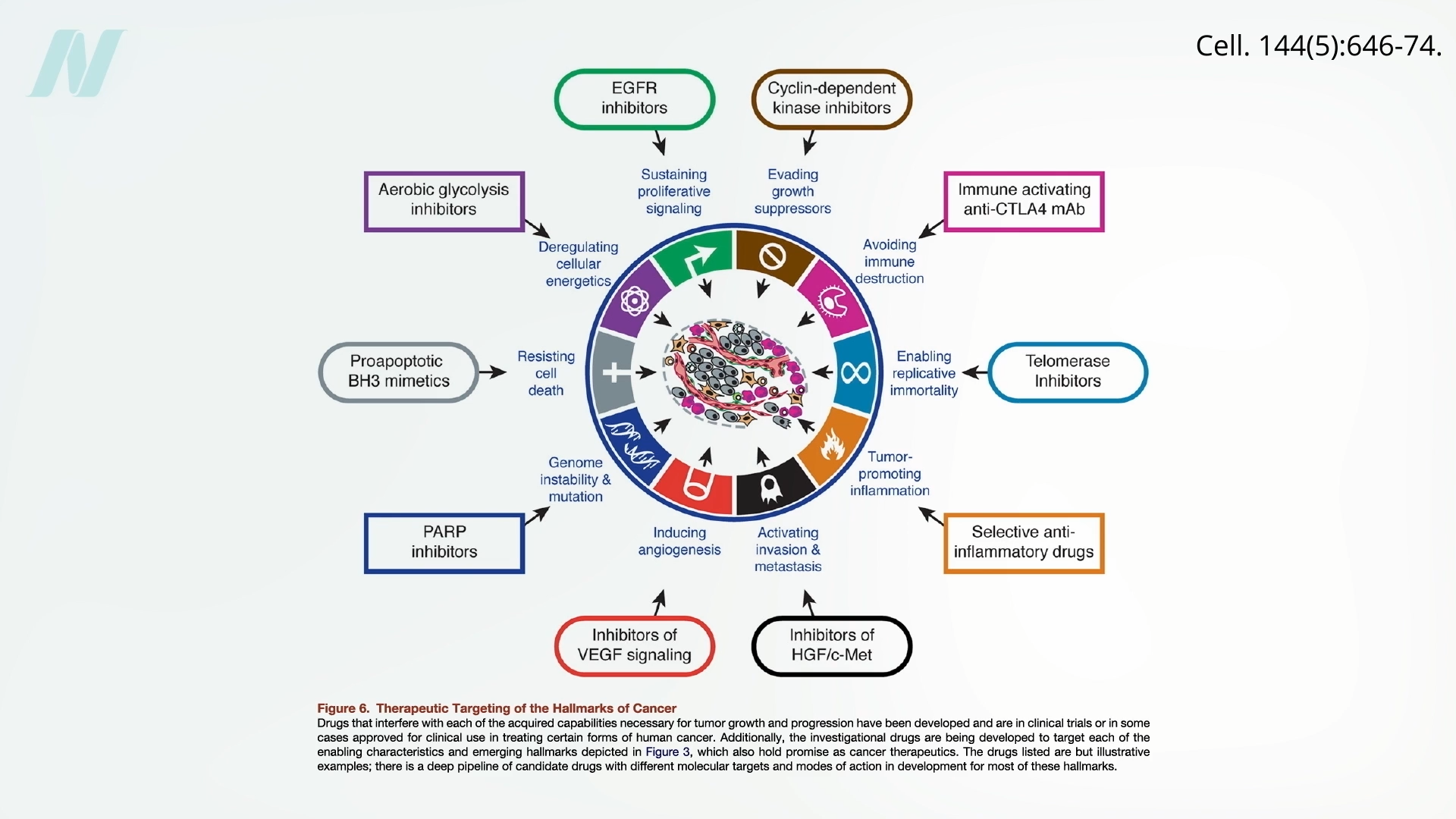
However, the complexity of cancer, with its more than 200 distinct types, presents a significant hurdle for single-drug chemoprevention. While drugs can be designed to target specific molecular pathways involved in cancer development, cancer itself is characterized by a multitude of cellular abnormalities, often referred to as the "hallmarks of cancer." These hallmarks, identified and refined over years of research and cited tens of thousands of times in the biomedical literature, represent fundamental capabilities that cancer cells acquire.
The Ten Hallmarks of Cancer: A Biological Framework
The established hallmarks of cancer provide a comprehensive biological framework for understanding how normal cells transform into malignant ones. These hallmarks, which are shared across virtually all cancer types, include:
- Sustaining proliferative signaling: Cancer cells deregulate signals that promote cell growth and division.
- Evading growth suppressors: They disable mechanisms that normally inhibit cell proliferation.
- Resisting cell death: Cancer cells develop the ability to avoid programmed cell death (apoptosis).
- Enabling replicative immortality: They overcome the normal limitations on cell division, allowing for unlimited proliferation.
- Inducing angiogenesis: Cancer tumors stimulate the formation of new blood vessels to supply themselves with nutrients and oxygen.
- Activating invasion and metastasis: They gain the ability to invade surrounding tissues and spread to distant sites in the body.
- Deregulating cellular energetics: Cancer cells reprogram their metabolism to support rapid growth and proliferation.
- Avoiding immune destruction: They develop mechanisms to evade detection and elimination by the immune system.
- Genome instability and mutation: Cancer cells accumulate genetic alterations that drive their evolution and heterogeneity.
- Tumor-promoting inflammation: Chronic inflammation can contribute to cancer development and progression.
The development of drugs to counteract each of these hallmarks individually is a monumental task, and drugs typically target only one or a few of these characteristics. This inherent limitation of pharmaceutical approaches highlights the need for strategies that can address multiple hallmarks simultaneously.
The Power of Plants: A Natural Multitarget Approach
This is where the role of diet and nutrition, specifically the consumption of whole plant foods, emerges as a compelling alternative and complementary strategy. Proponents of a plant-based approach argue that plant foods are uniquely equipped to address the multifaceted nature of cancer. Unlike targeted pharmaceuticals, fruits, vegetables, grains, and legumes contain a vast array of bioactive compounds, often referred to as phytochemicals. These compounds work in concert, providing a "cocktail" of therapeutic agents that can target multiple hallmarks of cancer simultaneously.
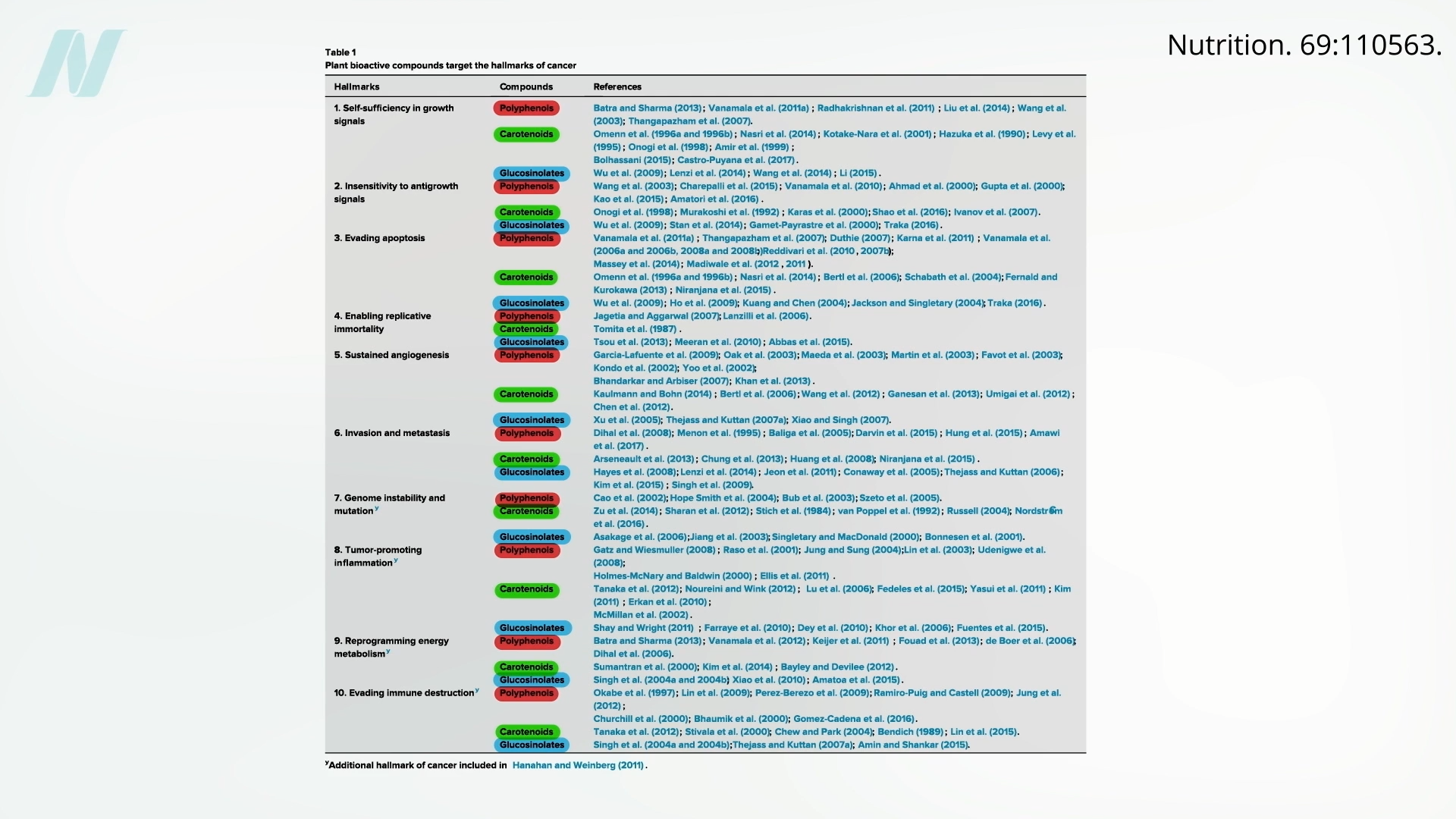
Research into the compounds found in common plant foods such as berries, leafy greens, and broccoli has revealed their potential to influence various hallmarks of cancer. For instance, compounds in these foods have demonstrated the ability to:
- Inhibit cell proliferation and induce apoptosis.
- Block angiogenesis.
- Prevent invasion and metastasis.
- Modulate cellular metabolism.
- Enhance immune surveillance.
- Repair DNA damage and reduce mutations.
- Reduce inflammation.
The Ideal Chemopreventive Agent: Plants Fit the Bill
When considering the ideal characteristics of a chemopreventive agent, whole plant foods emerge as remarkably suitable candidates. An ideal agent would be:
- Selective: Targeting cancerous or precancerous cells while sparing healthy cells.
- Side-effect-free: Lacking adverse reactions that often accompany pharmaceutical interventions.
- Broad-spectrum: Effective against a wide range of cancer types.
- Convenient: Easily incorporated into a daily diet.
- Accessible: Readily available to most populations.
- Affordable: Cost-effective for widespread adoption.
Plants, consumed as whole foods, meet all these criteria. Their bioactive compounds have a remarkable ability to differentiate between healthy and aberrant cells, exert minimal or no toxicity to normal tissues, and their broad spectrum of action is attributed to their complex synergistic interactions. Furthermore, they are naturally abundant, easily integrated into daily meals, and represent a cost-effective means of cancer prevention for a global population.
Beyond Single Nutrients: The Concept of Food Synergy
A significant aspect of nutritional science that is gaining renewed attention is the concept of "food synergy." Historically, much of nutritional research has focused on the impact of single dietary components – vitamins, minerals, or isolated phytochemicals. While this reductionist approach has yielded valuable insights into the role of specific nutrients, it may not fully capture the complex interplay of compounds found in whole foods.
Food synergy posits that the whole food, with its thousands of interacting substances, can be greater than the sum of its individual parts. This concept is vividly illustrated by studies examining the combined effects of multiple plant compounds. For example, research has shown that when individual phytochemicals, which may have limited efficacy on their own, are combined at concentrations achievable through dietary intake, they can synergistically suppress cancer cell proliferation, inhibit invasion and migration, and induce cell death.
One compelling study involved treating breast cancer cell lines with a "phytochemical supercocktail" derived from broccoli, grapes, soybeans, and turmeric. Individually, these compounds had a negligible impact on cancer cells. However, when administered together, they dramatically suppressed breast cancer cell proliferation by over 80%, effectively halted the spread of cancer, and ultimately led to the complete eradication of the malignant cells. Crucially, these effects were achieved without any detrimental impact on normal, noncancerous cells. This finding underscores the profound potential of harnessing the collective power of plant-based compounds.
Implications for Public Health and Policy
The mounting evidence supporting the role of plant-based diets in cancer prevention has significant implications for public health strategies and policy. It suggests a fundamental reevaluation of current approaches, which often emphasize pharmaceutical interventions and may not adequately promote dietary strategies.
Official recommendations from reputable organizations, such as the World Cancer Research Fund (WCRF), which has conducted extensive reviews of diet and cancer research, have long emphasized the importance of plant-based foods. These recommendations typically advocate for:
- Reducing consumption of alcohol, sugary drinks, red meat, and processed foods.
- Centering the diet around whole grains, vegetables, fruits, and legumes.
This shift towards a food system-based approach to cancer prevention, rather than a pill-based one, is supported by decades of epidemiological studies and laboratory research.
Broader Impact and Future Directions
The implications of prioritizing plant-based nutrition for cancer prevention extend beyond individual health. It can contribute to more sustainable food systems, reduce the burden on healthcare resources, and empower individuals with accessible and effective tools for disease management.
Further research is needed to fully elucidate the complex mechanisms of food synergy and to optimize dietary recommendations for specific cancer types and risk profiles. However, the existing evidence strongly suggests that a dietary pattern rich in whole plant foods is a cornerstone of a robust cancer prevention strategy.
In conclusion, the scientific understanding of cancer is evolving, highlighting the critical role of preventative measures. While pharmaceutical advancements continue to play a vital role in cancer treatment, the foundational strategy for prevention increasingly points towards the power of plants. By shifting our focus and resources towards promoting plant-rich diets, we may unlock a more effective and sustainable path towards reducing the global burden of cancer. The call to action is clear: to embrace a diet that centers on the vibrant and protective bounty of the plant kingdom, not just as a dietary choice, but as a critical component of public health and disease prevention.

