

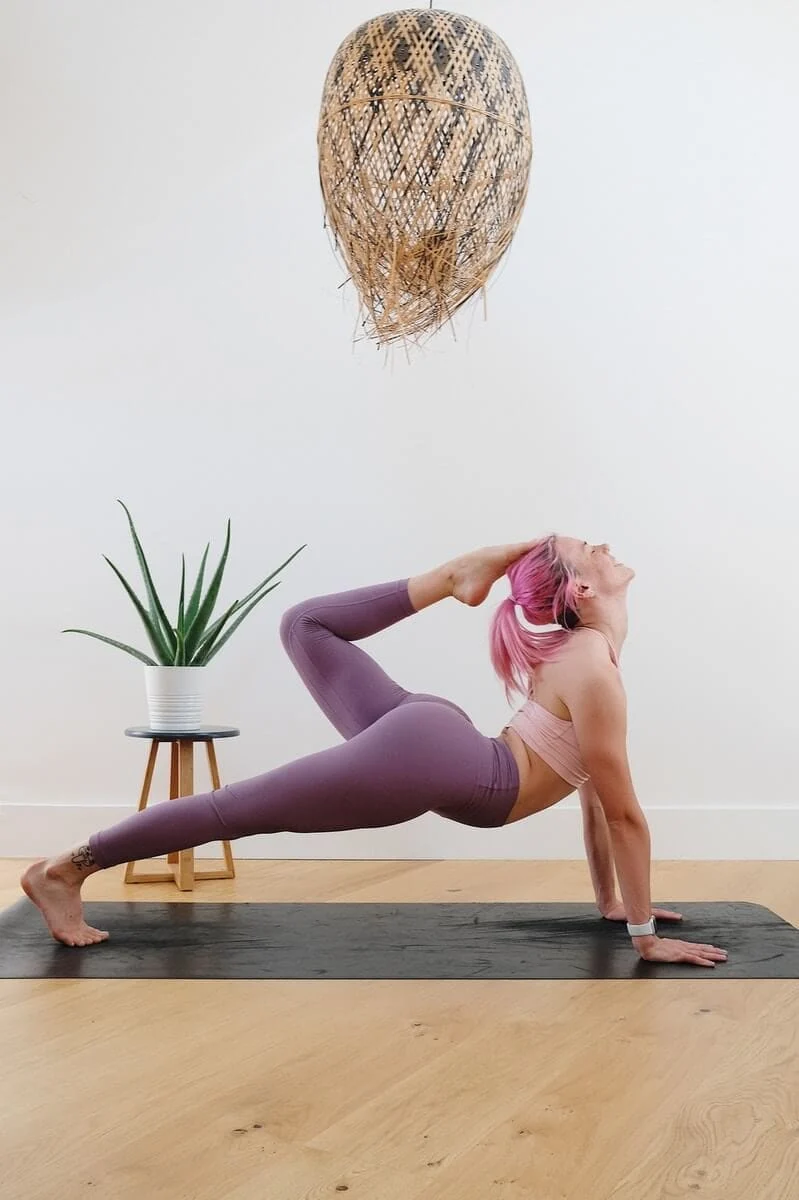
A comprehensive analysis of the global yoga landscape, conducted by DoYou, has unveiled a significant and potentially enduring transformation in how individuals engage with their practice. The DoYou Global Yoga Survey 2021, which garnered responses from over 10,000 practitioners across 124 countries, indicates a pronounced shift towards home-based yoga, a trend profoundly influenced by recent global events and evolving lifestyle preferences. The findings suggest that convenience, affordability, privacy, and personal control are now paramount factors shaping participation, challenging the long-standing dominance of traditional studio settings.
Unpacking the DoYou Global Yoga Survey 2021 Data
The survey’s most striking revelation is that an overwhelming 85% of respondents reported practicing yoga at home. This figure represents a substantial proportion of the global yoga community, underscoring a widespread adoption of self-directed practice. While the survey’s timing during the height of the COVID-19 pandemic (as explicitly noted in its disclaimer) undeniably played a catalytic role, the underlying motivations identified by respondents point to systemic shifts that may persist well beyond the immediate health crisis. The survey meticulously explored the reasons behind this preference, distilling them into four primary drivers that collectively paint a picture of a more personalized and accessible future for yoga.
The Catalytic Role of the COVID-19 Pandemic
To fully comprehend the magnitude of this shift, it is essential to contextualize the survey within the unprecedented global health crisis that defined 2020 and 2021. Prior to the pandemic, while online yoga content existed, the primary mode of practice for many was through dedicated studios, gyms, and wellness centers. These physical spaces offered structured classes, expert instruction, specialized equipment, and a vital sense of community.
The onset of the COVID-19 pandemic in early 2020 triggered widespread lockdowns, social distancing mandates, and the forced closure of non-essential businesses, including yoga studios, across the globe. This abrupt cessation of in-person classes left millions of practitioners without their regular routines and instructors. In response, both practitioners and instructors rapidly pivoted to digital platforms. Live-streamed classes, pre-recorded tutorials, and subscription-based online yoga platforms experienced an exponential surge in demand. The DoYou Global Yoga Survey 2021, conducted within this period of forced adaptation and innovation, captured a snapshot of a yoga community undergoing a rapid, involuntary, yet ultimately transformative, digital migration. This context is crucial for understanding why home practice became not just an option, but for many, the only viable means to maintain their yoga regimen.
Key Drivers of the Home Yoga Revolution
The survey identified four principal factors underpinning the widespread embrace of home yoga:
1. Unprecedented Convenience (71% of Home Practitioners)
Convenience emerged as the leading motivation, cited by 71% of those who practice yoga at home. Modern life, characterized by demanding work schedules, family commitments, and increasing commute times, often leaves individuals with limited windows for personal wellness activities. The prospect of traveling to a studio, navigating traffic or public transport, changing into workout attire, and adhering to fixed class schedules can be a significant deterrent. Home practice eliminates these logistical hurdles entirely. Practitioners can engage in yoga at any time that suits them – whether it’s an early morning session before work, a midday break, or a late-night wind-down. The freedom to practice in one’s pajamas, casual clothes, or even nude, as some respondents humorously noted, underscores a level of comfort and ease unattainable in a public studio. This flexibility allows yoga to seamlessly integrate into daily routines, making it a more sustainable practice for many. Industry analysts suggest this focus on convenience reflects a broader societal trend towards on-demand services and personalized scheduling across various sectors.
2. Enhanced Affordability (46% of Home Practitioners)
Cost-effectiveness was another significant driver, with 46% of home practitioners citing it as a primary reason. Studio memberships can be a considerable expense, often ranging from $50 to over $200 per month, depending on location and studio prestige. This cost can be prohibitive for many, especially when factoring in additional expenses such as transportation, specialized yoga attire, and premium equipment. In stark contrast, the digital landscape offers a spectrum of highly affordable or even free alternatives. YouTube, for instance, hosts an immense library of free yoga tutorials, led by instructors of varying styles and experience levels. Beyond free content, numerous online platforms offer subscription models that are significantly cheaper than most studio memberships, typically ranging from $10 to $30 per month. This democratisation of access, particularly appealing during periods of economic uncertainty, has made yoga attainable for a much broader demographic, allowing individuals to maintain their practice without undue financial strain. The accessibility offered by lower-cost options aligns with growing consumer demand for value-driven wellness solutions.
3. The Sanctuary of Privacy (33% of Home Practitioners)
For 33% of respondents, the privacy afforded by home practice was a crucial determinant. Yoga, particularly for beginners or those grappling with body image issues, can evoke feelings of self-consciousness, comparison, or even judgment in a group setting. The perceived pressure to perform complex poses, maintain perfect form, or simply keep pace with more experienced practitioners can create a barrier to entry or enjoyment. Practicing in the solitude of one’s home removes these external pressures, fostering a safe and secure environment for exploration and self-discovery. This privacy allows individuals to experiment with poses, make mistakes, and focus entirely on their internal experience without the gaze or perceived scrutiny of others. It enables a deeper, more intimate connection with the practice, free from competitive undertones that some might associate with public classes. This aspect is particularly vital for those using yoga as a therapeutic tool or for managing stress and anxiety, where a private, controlled environment can enhance the healing process.
4. Empowering Personal Control (Over 60% of Overall Poll Respondents)
The desire for control over one’s practice resonated strongly, with over 60% of respondents in the overall poll indicating that the instructor and atmosphere were crucial to their class enjoyment. Home practice grants practitioners absolute autonomy. They can choose their instructor (whether a YouTube guru, an app-based program, or their own self-guided flow), the specific style of yoga, the duration of the session, the intensity, and even the ambient music or lighting. This level of personalization ensures that each practice session aligns perfectly with their current mood, energy levels, physical needs, or specific goals for that day. Unlike a studio class where the sequence and pace are predetermined, home practitioners can modify poses, pause when needed, or delve deeper into areas of personal interest. This empowerment minimizes the risk of disappointment with an unsuitable class or instructor, fostering a consistently positive and effective yoga experience tailored to individual preferences.
Challenges and Mitigations: The Downsides of Solo Practice
While the advantages of home practice are compelling, the survey also implicitly highlights its inherent pitfalls. One of the most significant concerns revolves around safety and proper form. Without the immediate, expert feedback of a trained instructor, individuals performing complex or challenging poses risk developing incorrect alignment, which can lead to inefficient practice or, more critically, injury. This risk is amplified for practitioners with pre-existing injuries or specific physical conditions, who require personalized modifications and guidance that are difficult to self-administer effectively.
Yoga instructors and physical therapists often emphasize the importance of real-time adjustments and personalized cues that can only be provided by someone observing the body in motion. While advanced online platforms are exploring AI-driven feedback mechanisms and virtual private sessions offer a closer approximation, these technologies have yet to fully replicate the nuanced, intuitive guidance of an in-person teacher. This gap underscores the enduring value of professional instruction, particularly for mastering foundational techniques and navigating advanced postures safely.
The Loss of Community and Shared Energy
Another often-cited downside of exclusive home practice is the potential loss of community and the unique energy generated in a group setting. Yoga studios traditionally serve as community hubs, fostering social connections, shared experiences, and a sense of collective purpose. The communal aspect of breathing, moving, and meditating alongside others can be profoundly uplifting, offering a mood boost and a feeling of belonging that solitary practice cannot fully replicate.
The absence of this shared energy and social interaction can lead to feelings of isolation for some, diminishing the holistic benefits of yoga that extend beyond the physical postures. While online communities and forums have emerged to fill this void, the tangible, in-person connection remains a significant draw for many practitioners who value the social dimensions of their wellness journey.
Industry Response and Adaptation
The shift towards home practice has necessitated significant adaptations across the yoga industry. Traditional brick-and-mortar studios, initially facing existential threats during lockdowns, have largely pivoted to hybrid models. Many now offer a blend of in-person classes, live-streamed sessions, and on-demand content, allowing them to retain existing members and attract new ones who prefer flexibility. This adaptation has required substantial investment in technology, training for instructors in virtual teaching methodologies, and a re-evaluation of pricing structures.
Online yoga platforms and applications have experienced unprecedented growth, expanding their content libraries, improving user interfaces, and integrating features like personalized recommendations and progress tracking. This competitive landscape has pushed innovation, making high-quality online instruction more accessible than ever before. Yoga instructors, too, have had to evolve, many becoming independent content creators, building personal brands online, and navigating the complexities of digital engagement and monetization.
Timeline of a Transformation
- Pre-2020: Yoga practice predominantly studio-centric. Gradual, niche adoption of online resources. Focus on in-person community and expert guidance.
- March 2020 – Mid-2021: Global lockdowns force rapid digital migration. Yoga studios pivot to online classes. Explosion of free and subscription-based online content. The DoYou Global Yoga Survey 2021 is conducted, capturing this period of intense transformation.
- Mid-2021 Onwards: Reopening of physical spaces. Emergence of hybrid models combining in-person and online offerings. Continued growth of online platforms. Practitioners increasingly adopt a flexible approach, integrating both home and studio practices based on convenience and specific needs.
Implications for the Future of Yoga
The findings of the DoYou Global Yoga Survey 2021, while reflecting a pandemic-influenced landscape, point towards several long-term implications for the future of yoga:
- Hybrid Models as the New Standard: The "why not do both?" philosophy is likely to become the prevailing norm. Practitioners will increasingly leverage the flexibility of home practice for daily consistency while seeking studio classes for expert adjustments, community engagement, and the experience of unique atmospheres. Studios that fail to offer hybrid options may struggle to remain competitive.
- Increased Accessibility and Diversification: The lower cost and greater convenience of home practice will continue to democratize yoga, making it accessible to individuals previously constrained by financial barriers, geographical limitations, or time constraints. This broader reach could lead to a more diverse practitioner base globally.
- Evolution of Instruction: Yoga instructors will need to be proficient in both in-person and virtual teaching methodologies. The demand for clear, concise virtual cues, high-quality digital content, and potentially personalized online coaching will grow. This may also foster niche online communities centered around specific instructors or styles.
- Innovation in Wellness Technology: Expect continued innovation in fitness technology, with virtual reality, augmented reality, and AI-powered feedback systems becoming more sophisticated in guiding home practice, potentially bridging the gap in personalized feedback.
- Economic Reconfiguration: The yoga industry’s economic landscape will continue to reconfigure, with increased competition between traditional studios and digital platforms. Studios may need to emphasize their unique value propositions, such as specialized workshops, personalized attention, and curated community events, to thrive alongside accessible online options.
Conclusion
The DoYou Global Yoga Survey 2021 provides compelling evidence of a significant paradigm shift in global yoga practice. While the COVID-19 pandemic undoubtedly accelerated this transition, the underlying drivers of convenience, affordability, privacy, and personal control are deeply rooted in contemporary lifestyles and consumer preferences. The future of yoga appears to be a dynamic ecosystem, characterized by a flexible, hybrid approach that integrates the best aspects of both home and studio practice. This evolving landscape promises greater accessibility and personalization for practitioners worldwide, while challenging the industry to innovate and adapt to these new demands, ensuring that the transformative benefits of yoga remain widely available and effectively delivered.

