

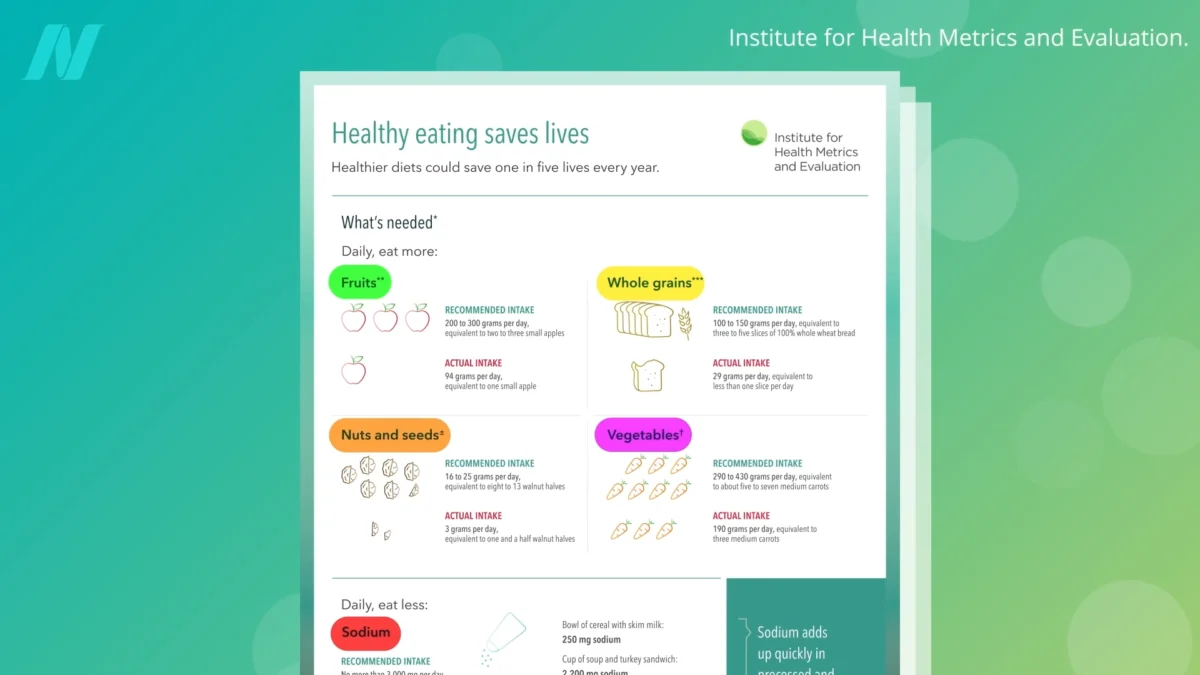
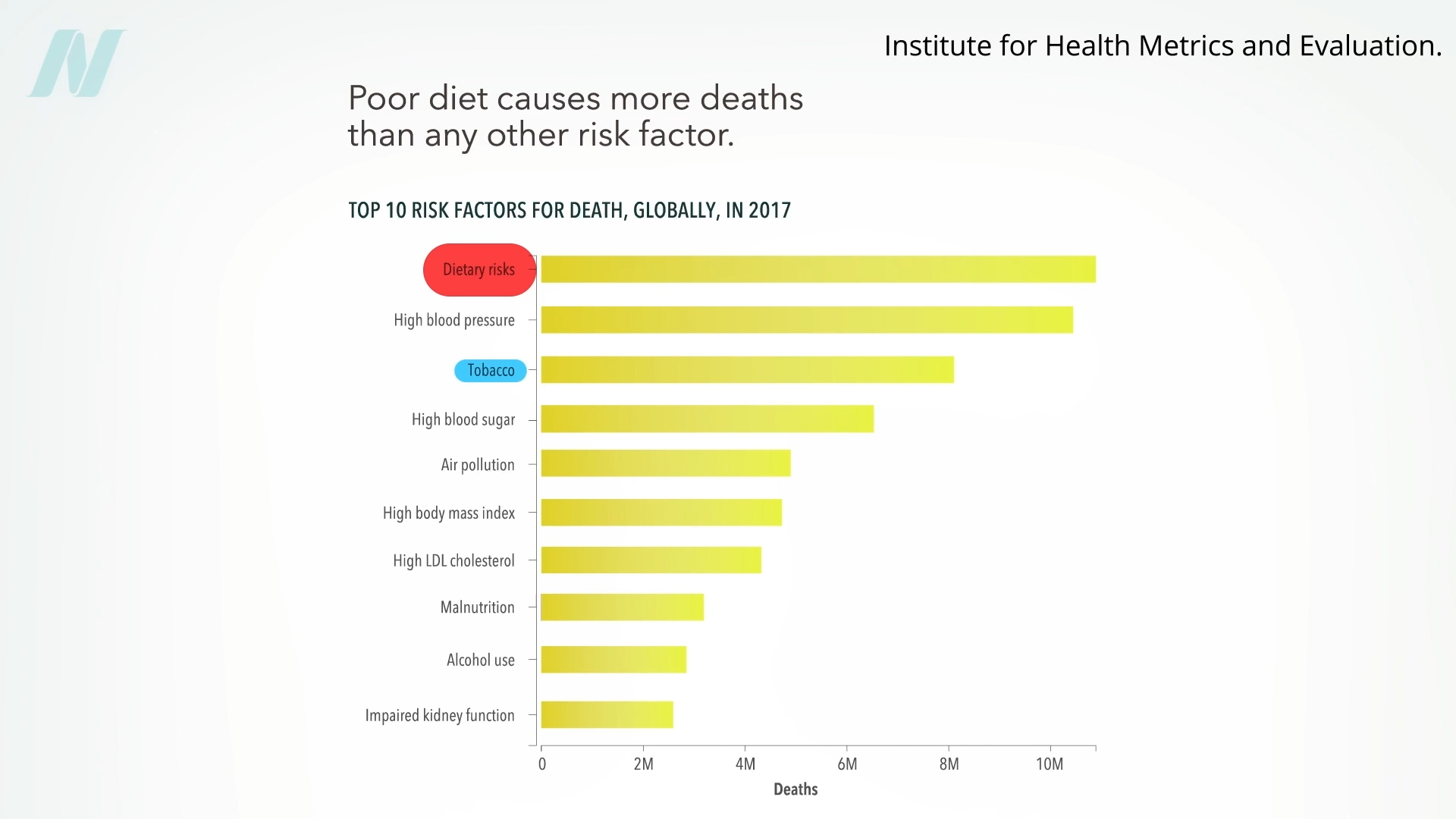
A groundbreaking study, hailed as the most extensive investigation into risk factors for death in human history, has spotlighted the profound impact of diet on longevity, revealing that poor dietary habits contribute to more fatalities globally than even cigarette smoking. While cigarettes claim approximately 8 million lives annually, the collective toll of humanity’s suboptimal eating patterns is significantly higher, a stark reality underscored by comprehensive data analyses. This finding, detailed in extensive research, shifts the focus of public health concerns from individual high-profile risks to the pervasive, yet often underestimated, consequences of everyday food choices.
The Deadly Dozen: Identifying Key Dietary Detriments
The research, meticulously compiled, identifies not merely individual unhealthy foods but rather critical deficiencies and excesses within the broader dietary landscape as the primary culprits behind premature mortality. Beyond sensationalized culprits like processed meats, sugary snacks, or sodas, the five most detrimental dietary factors identified are: insufficient consumption of fruits, whole grains, and vegetables; excessive intake of salt; and a lack of nuts and seeds. This nuanced understanding moves beyond demonizing single food items, instead emphasizing the importance of balanced dietary patterns rich in whole, plant-based foods and mindful of sodium levels.
The association between nut consumption and reduced mortality is not a novel concept; prior interventional trials have consistently demonstrated significant health benefits. These studies have shown that incorporating nuts into one’s diet can lead to improved arterial function, a critical factor given that cardiovascular diseases remain a leading cause of death worldwide. Beyond cardiovascular health, nuts have been linked to a cascade of other positive physiological effects, including enhanced blood sugar regulation, lowered cholesterol levels, potent anti-inflammatory properties, reduced oxidative stress, and a beneficial impact on the gut microbiome by feeding beneficial gut bacteria. The question that emerges from this wealth of evidence is whether these benefits are universal across all types of nuts or specific to certain varieties, and crucially, how these findings translate to processed nut products.
Unpacking the Peanut Butter Paradox: A Deep Dive into the NIH-AARP Study
To address the specific question of peanut butter’s role in longevity, researchers turned to the National Institutes of Health-AARP (NIH-AARP) Diet and Health Study. This monumental prospective study, initiated in the 1990s, tracked the health and dietary habits of over half a million individuals, making it the largest such investigation ever undertaken. The study’s vast dataset provided an unprecedented opportunity to examine the long-term health outcomes associated with various dietary components, including nut and peanut butter consumption.
The findings from the NIH-AARP study revealed a significant protective association between overall nut consumption and a reduced risk of all-cause mortality. Individuals who regularly consumed nuts exhibited a tendency towards longer lifespans, experiencing lower mortality rates from a spectrum of diseases. This included reductions in deaths attributed to cancer, cardiovascular disease, liver disease, respiratory conditions, kidney disease, and even infectious causes, suggesting a broad-ranging positive impact on immune function and overall resilience.
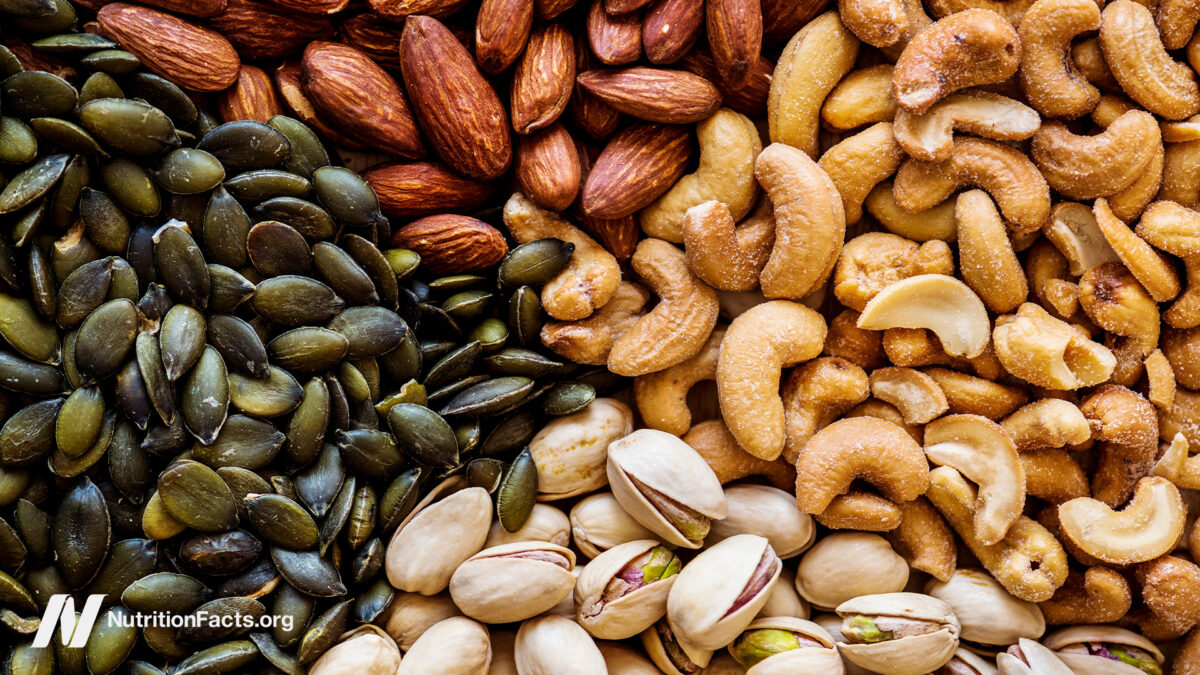
However, a striking divergence emerged when the data was analyzed for peanut butter consumption. Despite the widespread popularity of peanut butter, particularly in the United States where it accounts for approximately half of all peanut consumption, the study found no similar association with decreased mortality. This absence of a protective effect for peanut butter, while nuts as a whole demonstrated clear benefits, prompted a deeper investigation into the underlying reasons for this discrepancy.
Exploring Potential Explanations for the Divergence
Several hypotheses have been put forth to explain why peanut butter might not confer the same longevity benefits as whole nuts. One initial consideration was the lifestyle factors associated with peanut butter consumers. Researchers meticulously controlled for variables such as meat consumption, smoking habits, exercise levels, and alcohol intake. They also accounted for educational attainment and the intake of fruits and vegetables. Even after adjusting for these confounding factors, the protective association for peanut butter remained absent. This suggests that the difference is unlikely to be explained by an aggregation of other unhealthy lifestyle choices among peanut butter consumers, nor by a simple substitution of healthier foods for less healthy ones, although the potential influence of added sugar in accompaniments like jelly was noted as a possible, though not statistically controlled for, factor.
Another avenue of inquiry focused on the processing of peanuts into peanut butter. The transformation from whole peanuts to a spreadable product often involves the addition of ingredients such as trans fats, oils, salt, and sugars. While it is true that some commercially available peanut butters contain these additives, the researchers also acknowledged that whole nuts are frequently consumed with added oil, sugar, and salt, particularly in processed snack forms. Therefore, the processing itself, in isolation, might not be the sole determinant of the observed difference.
Botanically, peanuts are legumes rather than true nuts. However, scientific literature and meta-analyses of relevant studies have indicated that whole peanuts, distinct from peanut butter, do exhibit nut-like health benefits. This further isolates the issue to the transformation into peanut butter rather than the inherent properties of the peanut itself.
The Crucial Role of Cellular Structure and Nutrient Bioavailability
A compelling explanation for the observed disparity lies in the physical form of the food. Even in nut butters that are meticulously prepared without added salt, oil, or sugar, a critical element is lost: the intact cellular structure of the nuts and seeds. As detailed in extensive dietary research, when nuts and seeds are consumed whole or chopped, even after thorough chewing, they release a wealth of nutrients. Furthermore, these intact structures provide beneficial prebiotic fibers that nourish the gut microbiome. When nuts are ground into a butter, this cellular integrity is disrupted. The precise impact of this disruption on nutrient delivery and the resulting prebiotic effects remains an area of ongoing scientific interest, leading to questions about whether variations in peanut butter texture, such as chunky versus smooth, might even influence these outcomes.
The implication of this finding is significant for dietary recommendations. The evidence strongly supports the regular consumption of nuts, preferably in their raw, unsalted, and untoasted forms. Opting for whole or chopped nuts over nut butters appears to be the most effective strategy for maximizing the health benefits associated with these nutrient-dense foods. Consuming nuts at least three times per week is recommended to enhance the prospects of a longer and healthier life.
Expert Perspectives and Broader Implications
Health experts, echoing the findings of the NIH-AARP study and related research, emphasize the multifaceted benefits of incorporating whole nuts into a balanced diet. Dr. Michael Greger, a physician and author known for his work in preventive medicine, highlights the distinct advantages of whole nuts, particularly varieties like walnuts, which have been shown to have profound positive effects on arterial function. His research further explores the nuanced relationship between nuts and weight management, debunking common misconceptions about their potential to cause obesity and presenting evidence that supports their role in healthy weight maintenance.
The implications of this research extend to public health policy and individual dietary choices. It underscores the need for clear, evidence-based dietary guidelines that differentiate between whole foods and their processed counterparts. While nuts offer a powerful tool for disease prevention and longevity, the less beneficial association with peanut butter suggests a need for greater awareness regarding the processing and potential additive content of such products. Consumers are encouraged to scrutinize labels and prioritize minimally processed options.
The overarching message from this extensive body of research is clear: dietary choices have a profound and measurable impact on health outcomes and lifespan. By understanding the specific benefits of whole foods like nuts and the potential drawbacks of processed alternatives, individuals can make more informed decisions to support their long-term well-being. The ongoing pursuit of dietary knowledge, driven by large-scale studies and meticulous analysis, continues to illuminate the path towards a healthier future, one where informed eating habits are recognized as a cornerstone of longevity and vitality.

