

The age-old question of whether consuming certain foods can counteract the detrimental effects of unhealthy eating has long been a subject of public health interest. New research, building upon extensive studies into cardiovascular health, suggests that while avoiding processed and high-fat foods remains paramount, specific dietary choices can indeed offer a degree of protection for arterial function, particularly in the immediate aftermath of consuming less-than-ideal meals. This exploration delves into the scientific evidence highlighting the impact of plant-based foods, nuts, and berries on vascular health, offering insights into their potential to buffer the acute consequences of dietary indulgences.
The Vegetarian Advantage: A Foundation of Arterial Health
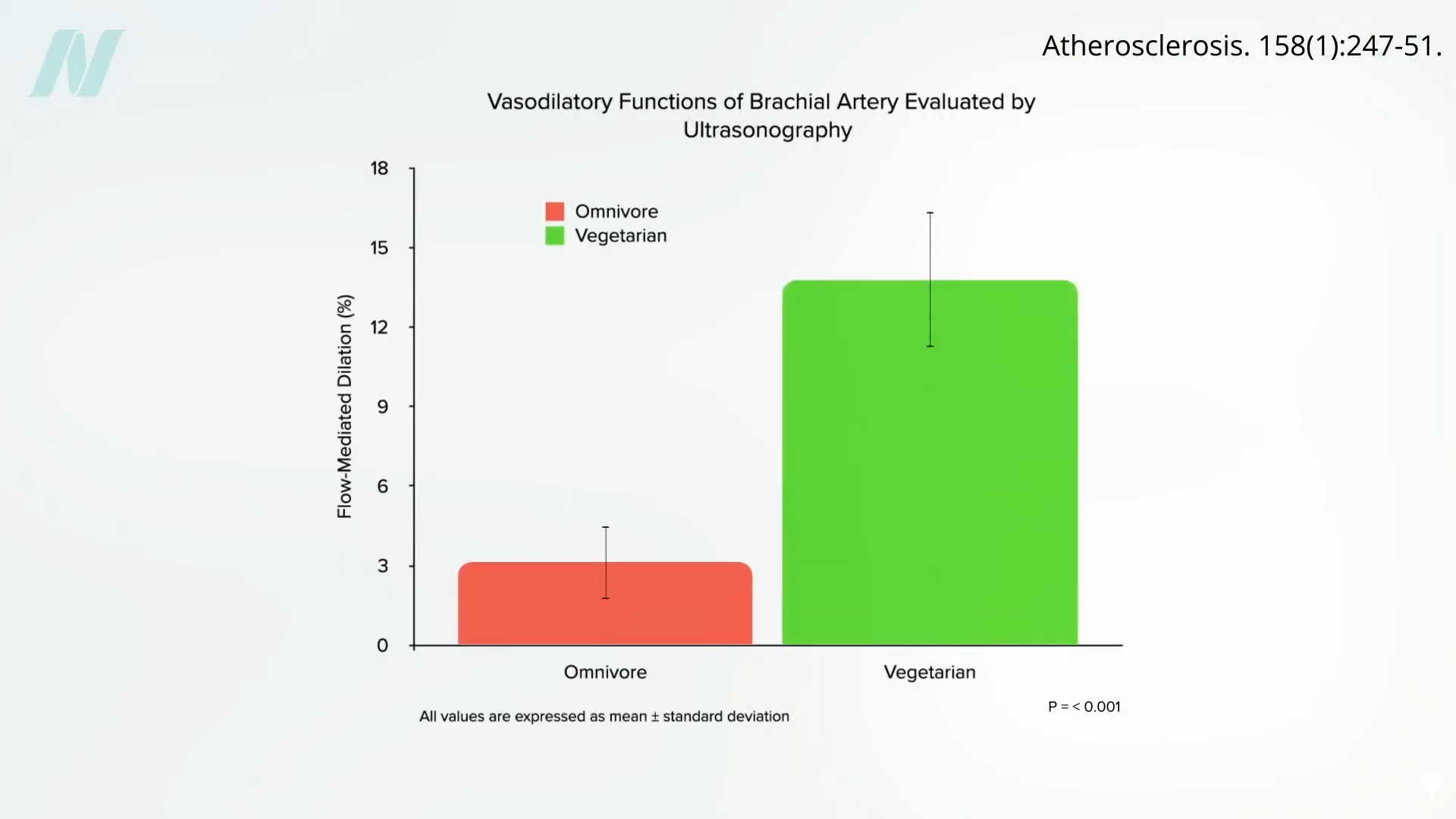
A compelling body of evidence consistently points to the superior arterial health observed in individuals adhering to vegetarian diets. A notable study, referenced in recent analyses, directly compared the artery function of vegetarians and meat-eaters. The findings revealed a significant, fourfold improvement in the ability of vegetarian arteries to dilate and facilitate blood flow. This disparity remained evident even after researchers meticulously controlled for a multitude of confounding factors.
Controlled Study Highlights Significant Differences
The study’s rigor was a critical component in isolating the dietary impact. Researchers accounted for common lifestyle differences between vegetarians and meat-eaters, such as age, smoking habits, body mass index, and the prevalence of conditions like diabetes, high cholesterol, and high blood pressure. Even when recruiting participants with similar physical characteristics and baseline health metrics – specifically, healthy, non-smoking individuals who were slim and possessed comparable blood pressure and cholesterol levels – the vegetarian cohort demonstrated markedly better arterial function.
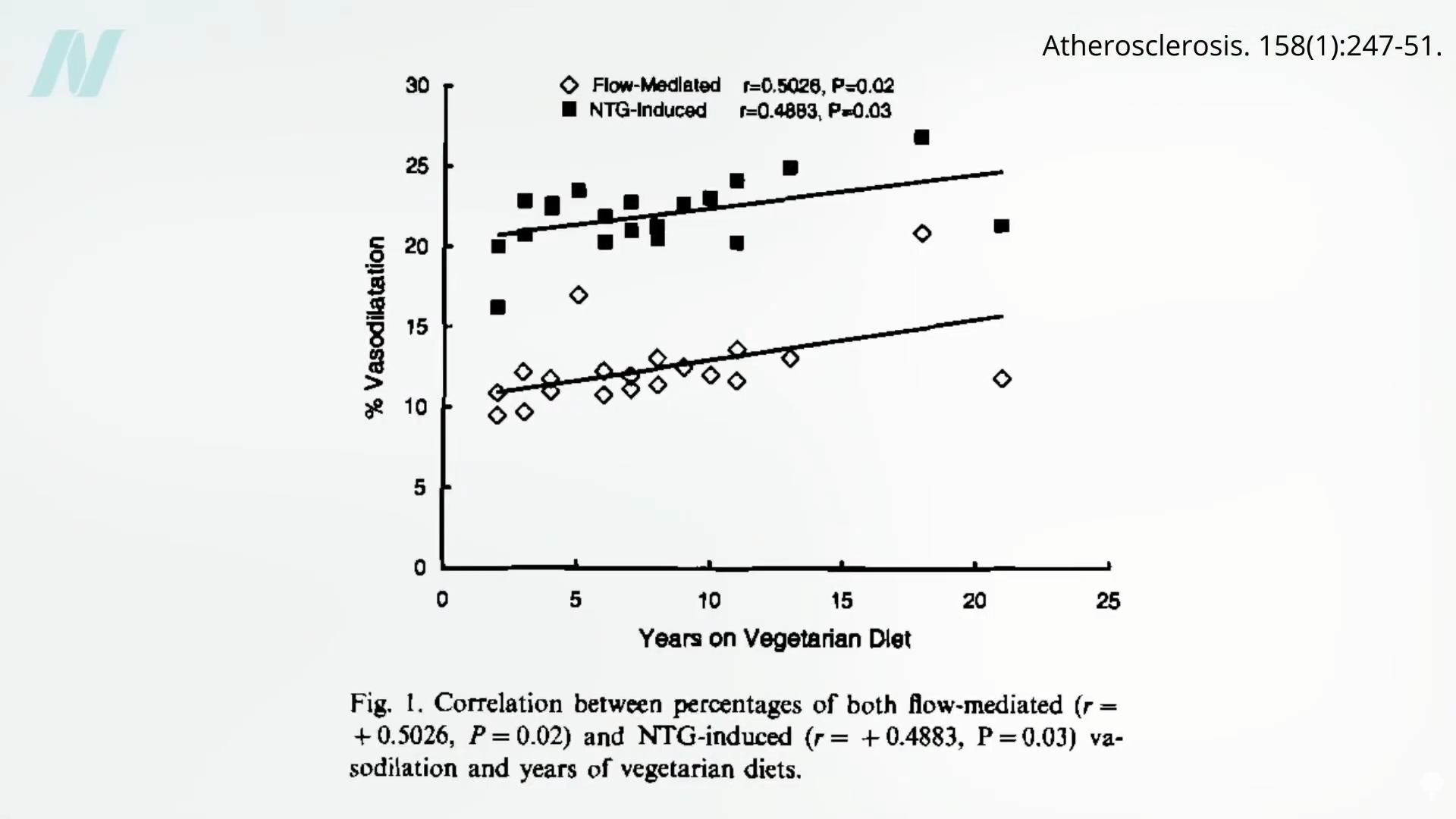
Furthermore, the study revealed a dose-response relationship: the longer an individual abstained from meat consumption, the greater the improvement in their arterial function. Rather than arterial health declining with age, as is typically observed, it actually improved with extended adherence to a meat-free diet. This observation strongly suggests that vegetarian diets, independent of other lifestyle factors, exert a direct beneficial influence on the vascular system, potentially explaining the lower rates of atherosclerosis and cardiovascular mortality seen in these populations.

The Role of Food Components
The researchers posed a crucial question: is the benefit solely derived from the absence of meat’s negative effects, or is it also attributable to the increased consumption of whole, nutrient-dense plant foods? The data suggests a dual mechanism. While the elimination of animal fats and other potentially harmful components of meat is undoubtedly a contributing factor, the active inclusion of beneficial plant-based foods appears to play a significant role. For instance, vegetarians tend to consume, on average, an additional serving of vegetables daily, a practice linked to numerous health advantages.
Decoding the Impact: From Fast Food to Whole Foods
The immediate physiological response to food consumption is a critical area of research. Studies comparing the effects of different meal compositions on arterial function have yielded intriguing results.
Fatty Meals and Arterial Compromise
One investigation pitted a high-fat, animal-based meal (an Egg McMuffin, Sausage McMuffin, and hash brown patties) against a sugary cereal meal (Frosted Flakes). Within hours of consuming the fatty fast-food option, significant impairment of artery function was observed. Conversely, the sugary cereal, while not ideal, did not elicit the same immediate negative vascular response. This initial finding pointed towards fat as the primary culprit. However, further analysis suggests that it may be specifically animal fat that poses the greatest immediate threat.
The Protective Power of Nuts
In contrast to the detrimental effects of animal fats, high-fat whole plant foods like nuts have demonstrated a different impact. A comprehensive review of randomized controlled trials examining the effect of nut consumption on arterial function revealed that regular intake of nuts leads to significant, long-term improvements in vascular health. This suggests that the type of fat and the accompanying nutrient profile are critical differentiating factors.
Nutritional Nuances: Not All Nuts Are Created Equal
The analogy of fruits holds true for nuts as well: some offer greater benefits than others. Research has explored the capacity of different nuts to counteract the artery-crippling effects of a decidedly unhealthy meal, such as a salami sandwich. While walnuts demonstrated a protective effect, almonds did not appear to offer the same degree of mitigation. This highlights the importance of specific phytonutrient profiles and fatty acid compositions within different nut varieties. Walnuts, often lauded for their omega-3 content and antioxidant properties, emerged as a standout performer in this context, akin to blueberries among berries.
Berries: Nature’s Arterial Allies
Berries, particularly blueberries, raspberries, and acai berries, have garnered considerable attention for their potent antioxidant and anti-inflammatory properties, which are believed to contribute to their vascular benefits.
Blueberries: A Significant Boost
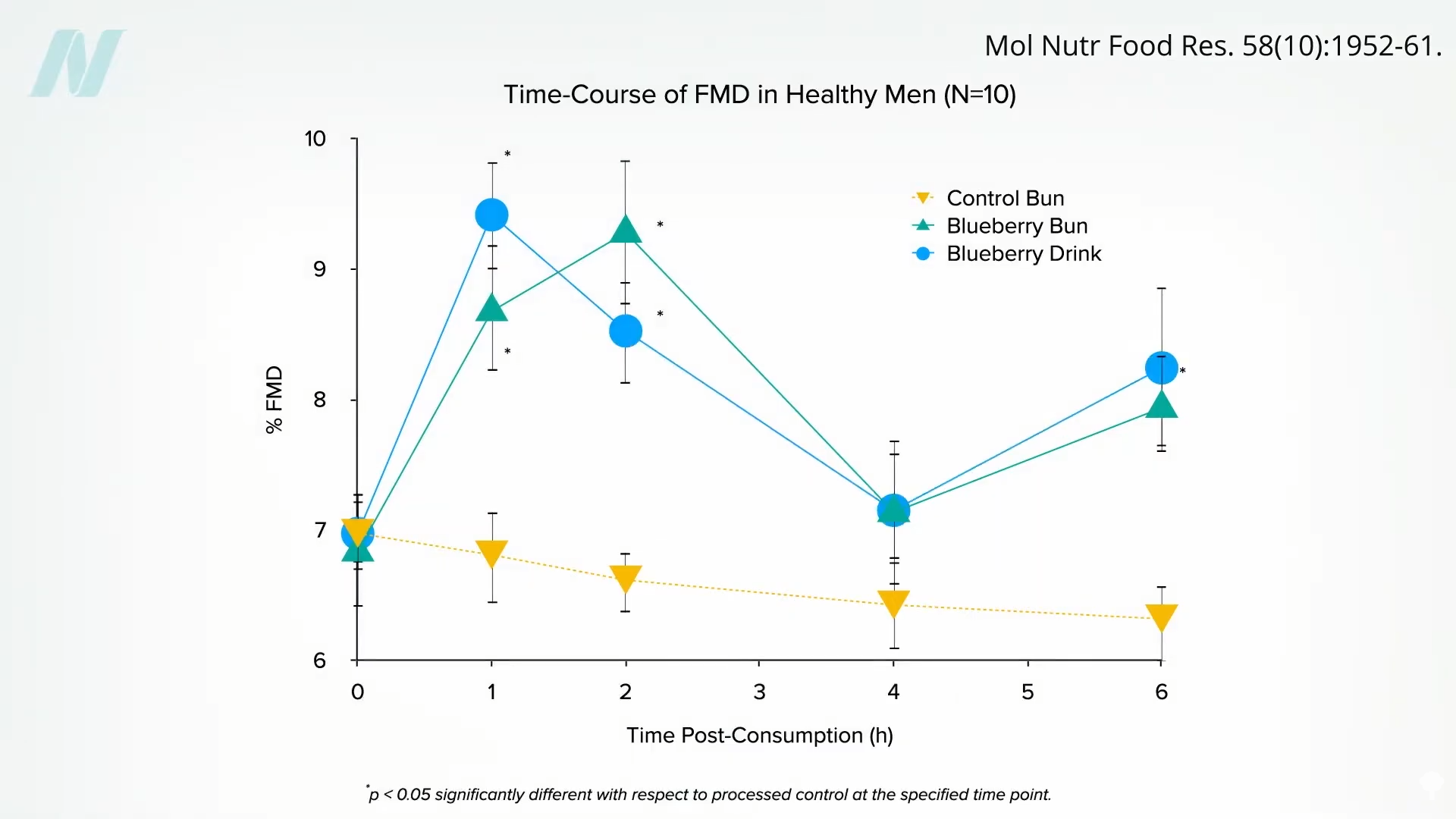
A controlled crossover trial investigated the effects of blueberries on arterial function. Participants consumed a standard bun made with white flour, eggs, butter, and salt – a composition high in sugar and refined carbohydrates. This meal led to a gradual decline in artery function over a six-hour period. However, when approximately one cup of wild blueberries was added to the same bun, a substantial improvement in artery function was observed, nearly negating the negative impact of the bun alone. This effect was comparable to what would be expected if the blueberries were simply mixed with water, underscoring their intrinsic vascular benefits.
Strawberries and Acai: Mixed Results
The protective capacity of strawberries was tested in conjunction with a high-calorie breakfast featuring cheese blintzes, whipped cream, syrup, eggs, and bacon. In this instance, the strawberries were unable to fully counteract the arterial dysfunction induced by such a heavy meal, suggesting that the magnitude of the unhealthy component can overwhelm even beneficial foods.
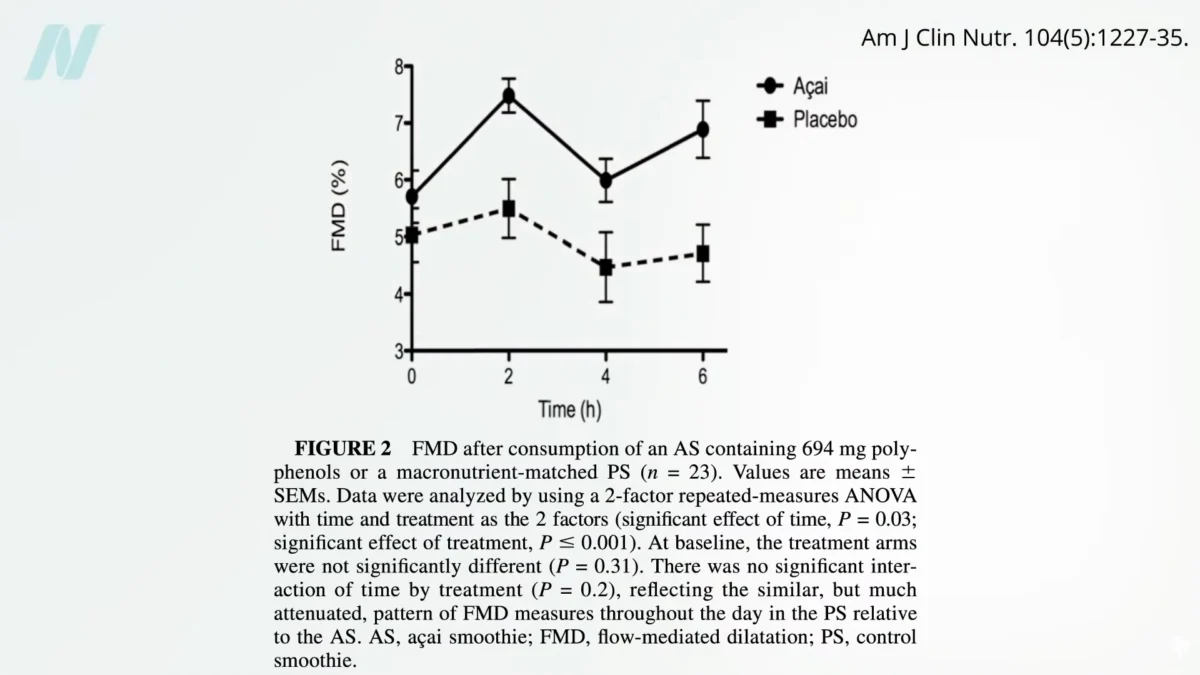
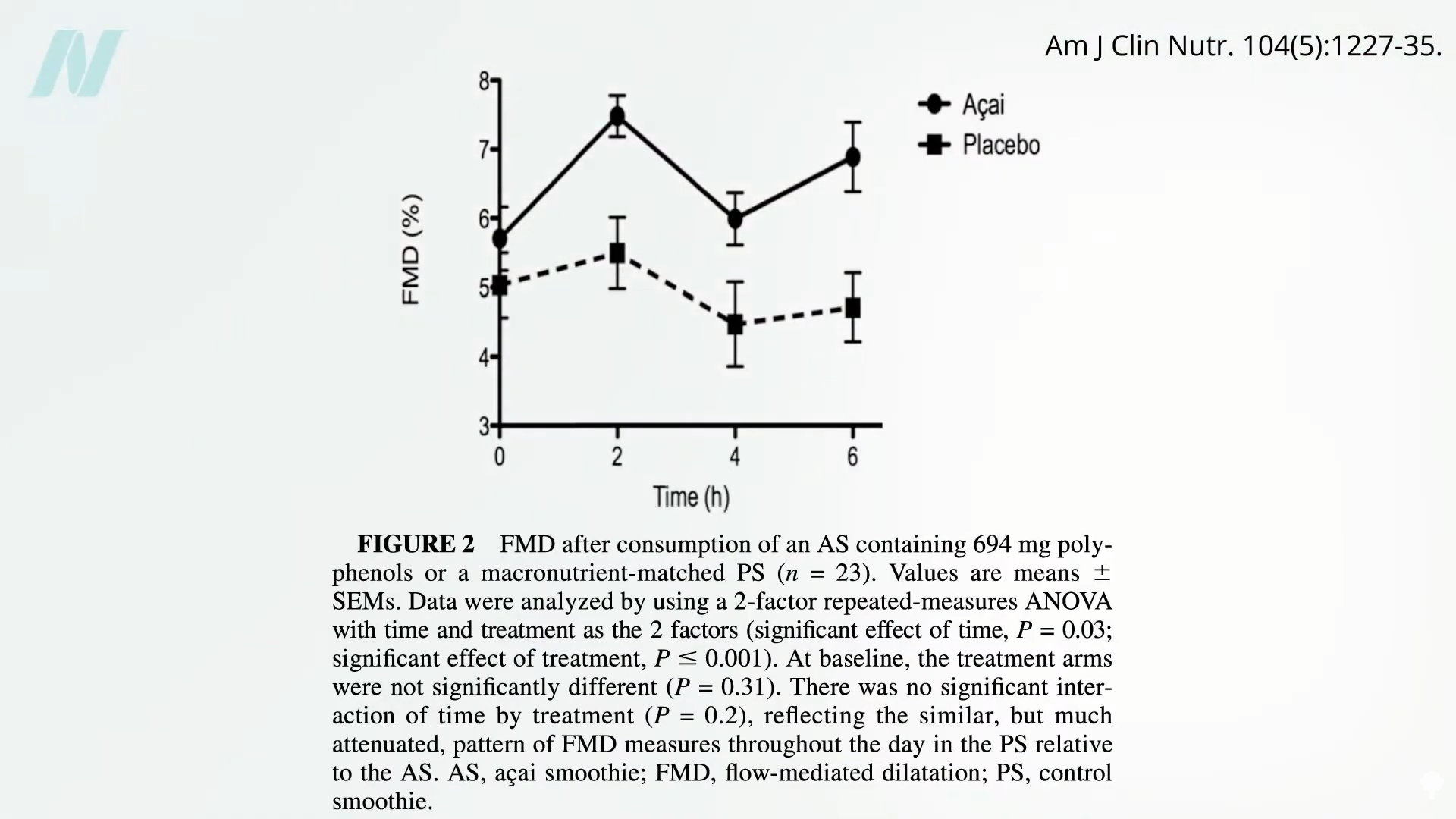
Acai berries, however, showed promise. A study comparing acai berry smoothies against a control smoothie of similar fat content demonstrated that the acai smoothie significantly rehabilitated arterial function. Even when the control smoothie was colored to mimic the acai version, the functional improvement was attributed to the acai itself.
Raspberries: Sustained Protection
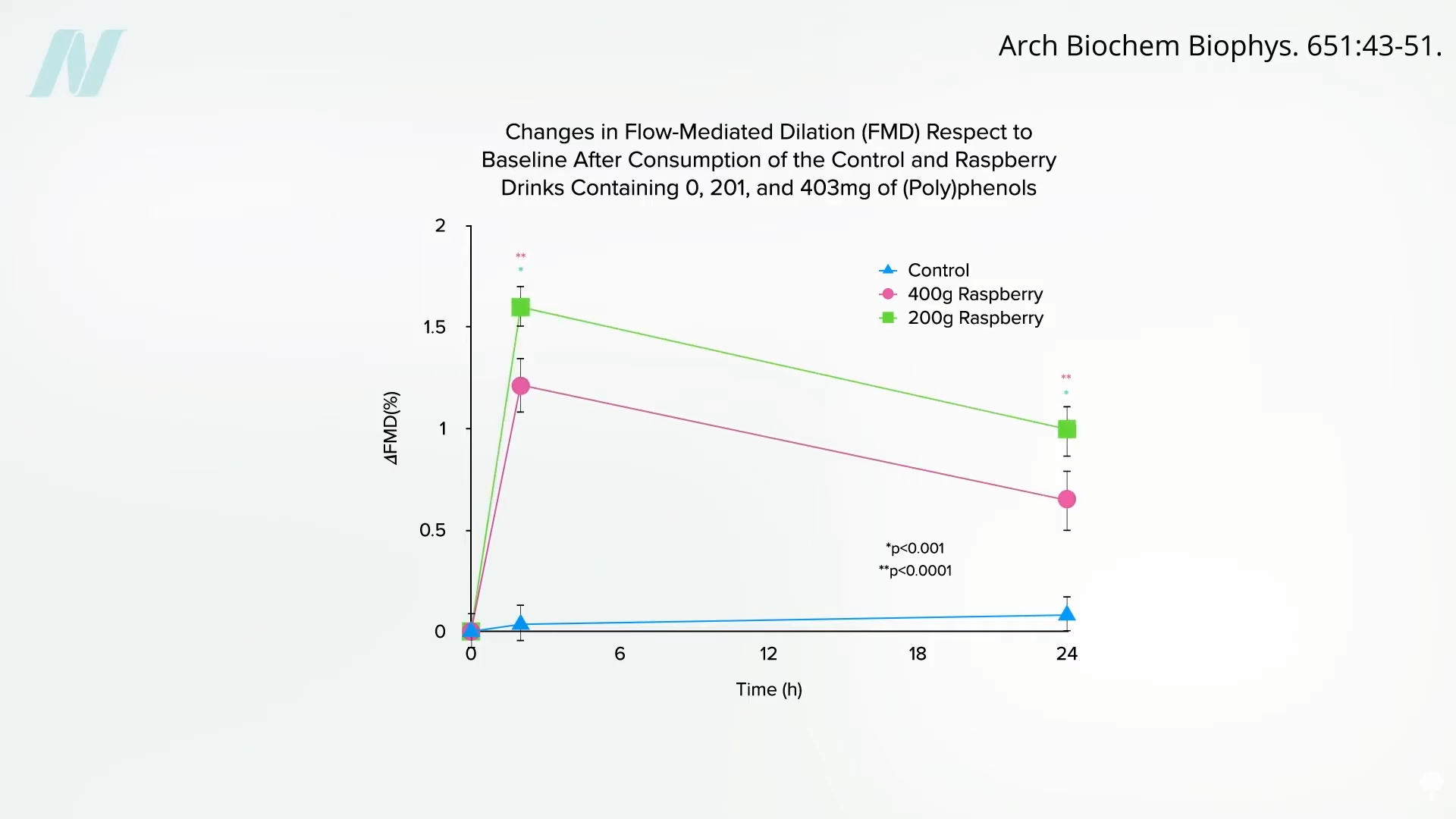
A rigorous double-blind, randomized controlled trial focused on red raspberries. Participants consumed either a raspberry smoothie or a placebo drink. The placebo had no effect on artery function. However, both raspberry smoothie formulations (varying in the amount of raspberries) led to notable improvements in arterial function, persisting for up to 24 hours. While the immediate improvement in artery function was modest, around 1%, at a population level, such small but consistent improvements are associated with a significant reduction in the risk of cardiovascular events like heart attacks and strokes. The study also indicated a plateau effect, where benefits did not increase substantially beyond a certain dosage, similar to observations with blueberries.
Juices and Their Limitations: The Whole Fruit Advantage
While whole berries demonstrate clear benefits, the impact of their juice counterparts requires careful consideration.
Cranberry Juice: A Concentrated Effect
Research on cranberry juice revealed a dose-dependent improvement in artery function. Higher concentrations of cranberry juice (50% and above) showed sustained positive effects for several hours post-consumption. However, these studies primarily involved the consumption of berry juice in isolation, without the context of an artery-damaging meal.
The Challenge of Combating High-Fat Meals
When berry juice was tested in combination with a high-fat meal, the results were less encouraging. A cocktail of various berry juices, including grapes, blueberries, strawberries, lingonberries, and black aronia berries, failed to demonstrate a significant protective effect against the artery dysfunction induced by a high-fat meal. This suggests that while berry juices may offer some benefits when consumed alone, their capacity to counteract the acute effects of unhealthy, high-fat meals is limited, especially when compared to whole berries.
Orange Juice: A Surprising Lack of Efficacy
The impact of orange juice on arterial function, particularly when consumed with a high-fat meal, has been a subject of investigation. In one study, participants consumed ham and cheese croissants alongside water, orange juice, green tea, or red wine. Orange juice, along with green tea and red wine, proved ineffective in mitigating the negative arterial response to the croissants.
More concerningly, a separate study indicated that drinking orange juice with a fatty meal, such as bacon and cheese muffins, could potentially exacerbate the situation. Researchers observed that the orange juice led to a prolonged period of elevated fat levels in the blood. This phenomenon may be attributed to the body’s preferential burning of the rapidly absorbed free sugars in the juice, which are not contained within the cellular structure as they are in whole fruit. This suggests that the rapid influx of sugars from juice may divert the body’s metabolic focus away from processing fats efficiently.
Broader Implications and Future Directions
The cumulative evidence from these studies offers a nuanced perspective on dietary choices and their impact on vascular health. While the most robust and consistent benefits are derived from a predominantly whole-food, plant-based diet, understanding how to mitigate the occasional unavoidable unhealthy meal is also valuable.
The Power of Prevention
The overarching message remains clear: prevention is paramount. Minimizing the consumption of high-fat, processed foods is the most effective strategy for maintaining optimal arterial health. The studies on vegetarian diets provide a strong foundation for this approach, demonstrating the profound and long-lasting benefits of a plant-centric eating pattern.
Strategic Food Choices for Mitigation
For those instances where an unhealthy meal is consumed, incorporating specific foods may offer a degree of protection. Nuts, particularly walnuts, and a variety of berries, consumed in their whole form, have demonstrated the ability to positively influence arterial function. The research highlights that these foods are rich in antioxidants, fiber, and healthy fats, which contribute to their vascular benefits.
The Whole vs. Juice Debate
The distinction between whole fruits and their juices is critical. While juices can deliver concentrated nutrients, they often lack the fiber and protective matrix of whole fruits. This can lead to rapid sugar absorption and potentially altered metabolic responses, as seen with orange juice in high-fat meal contexts. Therefore, prioritizing whole fruits and berries over their juice counterparts is generally recommended for maximizing health benefits.
Doctor’s Note: A Series on Dietary Impact
This exploration is part of a larger discourse on the impact of diet on health. Previous segments have delved into how single meals can affect arteries and lungs, and the potential of exercise to counteract high-fat meals. This ongoing series aims to provide evidence-based insights into making informed dietary choices for long-term cardiovascular well-being.
Conclusion
The scientific literature consistently supports the notion that diet plays a pivotal role in cardiovascular health. While a foundation of plant-based eating offers the most significant and sustainable protection, specific foods like nuts and berries can act as valuable allies, helping to buffer the immediate negative arterial effects of occasional indulgences. Continued research in this area will undoubtedly further illuminate the intricate relationship between our food choices and the health of our vascular system, empowering individuals to make more informed decisions for a healthier future.

