

A significant new study, spanning over two decades and involving nearly 90,000 participants, has identified a surprisingly accessible dietary intervention that may profoundly support healthy aging, encompassing cognitive sharpness, physical strength, and sustained independence. Researchers have found that incorporating a few daily servings of flavonoid-rich foods into one’s diet can significantly mitigate the risks associated with frailty, physical decline, and mental health deterioration as individuals age. This discovery offers a promising, evidence-based approach to enhancing quality of life in later years.
Groundbreaking Research Uncovers the Power of Flavonoids in Longevity
The findings, published in a prominent scientific journal and building upon extensive longitudinal data, suggest that a dietary pattern rich in flavonoids—naturally occurring plant compounds found abundantly in fruits, vegetables, teas, and even wine—can act as a powerful ally in the aging process. The study meticulously tracked participants aged 60 and above for up to 24 years, analyzing their dietary habits through detailed food frequency questionnaires and correlating this information with reported health outcomes. The research aimed to move beyond the known antioxidant and anti-inflammatory benefits of flavonoids to investigate their direct impact on the multifaceted aspects of aging.
A Two-Decade Deep Dive into Diet and Aging
The cornerstone of this research is a comprehensive analysis drawing from two major, long-term health studies. This robust dataset allowed scientists to observe trends and correlations over an extended period, providing a more reliable picture of how dietary choices influence the aging trajectory. Participants regularly reported on their energy levels, physical capabilities, and overall mood, providing a qualitative and quantitative measure of their well-being. The sheer scale of the study—nearly 90,000 individuals—lends significant statistical power to its conclusions.
Key Findings: Quantifiable Benefits for Women and Men
The study revealed distinct yet compelling benefits for both genders, highlighting the universal applicability of a flavonoid-rich diet.
For women, the research indicated a remarkable association between higher flavonoid intake and a reduced risk of age-related decline:
- Frailty: Women consuming the most flavonoid-rich foods experienced a significantly lower incidence of frailty, a condition characterized by decreased physical resilience and increased vulnerability to stressors.
- Physical Decline: A similar protective effect was observed regarding the loss of physical function, suggesting that these compounds may help maintain muscle mass, mobility, and overall physical capacity.
- Mental Health: While the primary benefits for women were observed in the physical domain, the study also noted a positive correlation with mental well-being.
In men, the most pronounced and consistent benefit emerged in the realm of mental health:
- Cognitive Function: The data strongly suggests that higher flavonoid intake is linked to a reduced risk of cognitive decline, helping to maintain mental acuity, memory, and executive functions.
- Mood and Well-being: Men who incorporated more flavonoid-rich foods into their diets also reported improved mood and a greater sense of overall psychological well-being.
The Impact of Increased Intake and Dietary Shifts
Crucially, the study also examined the effects of increasing flavonoid intake over time. Participants who consciously enhanced their consumption of these beneficial compounds saw even greater improvements. For women, adding just three additional servings of flavonoid-rich foods per day was associated with a 6% to 11% lower risk across all measured aging outcomes. This finding underscores the principle that even incremental dietary improvements can yield substantial long-term health dividends.

Identifying the Champion Foods: Where to Find Your Flavonoids
The research pinpointed specific food categories that were most strongly associated with these positive aging outcomes. These "heavy lifters" are readily available and can be easily integrated into daily meals:
- Berries: A consistent star player in numerous health studies, berries such as blueberries, strawberries, raspberries, and blackberries are packed with various types of flavonoids, including anthocyanins, which give them their vibrant colors.
- Black Tea: A popular beverage worldwide, black tea is a rich source of theaflavins and thearubigins, potent flavonoids known for their antioxidant properties.
- Apples: These common fruits offer a good dose of flavonoids, particularly in their skins, contributing to both digestive and overall health.
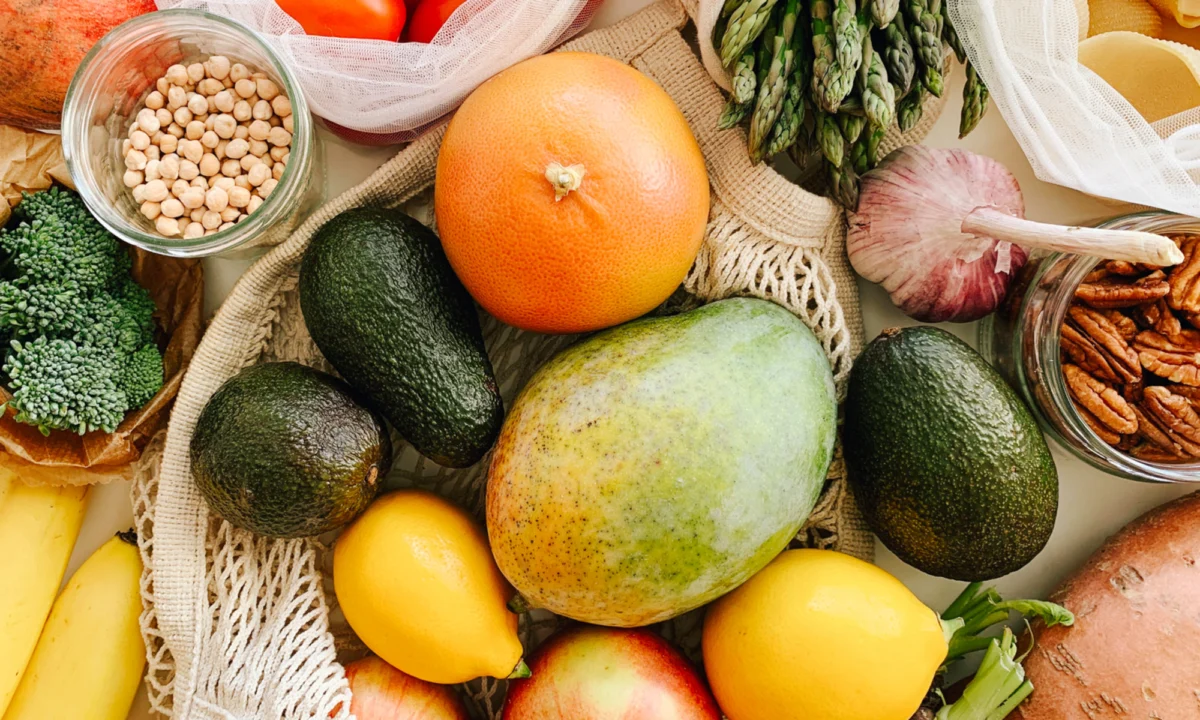
- Citrus Fruits: Oranges, grapefruits, lemons, and limes are excellent sources of flavanones and other flavonoid compounds that have been linked to various health benefits, including cardiovascular and cognitive support.
These foods were linked to a reduced risk across all three major aging concerns: frailty, loss of physical ability, and mental decline. The study indicated that even modest increases, approximately half a serving per day of these specific foods, demonstrated measurable improvements in health outcomes over time, reinforcing the idea that consistent, small changes can lead to significant long-term advantages.
The Multifaceted Mechanisms of Flavonoid Action
Flavonoids exert their protective effects through a variety of biological pathways that are particularly relevant to the aging process:
- Potent Antioxidant Activity: Flavonoids are renowned for their ability to neutralize harmful free radicals, unstable molecules that can damage cells and contribute to oxidative stress, a key driver of aging and age-related diseases. By scavenging these radicals, flavonoids help protect cellular integrity.
- Anti-inflammatory Effects: Chronic inflammation is another hallmark of aging and a significant contributor to many degenerative conditions. Flavonoids can modulate inflammatory pathways, helping to reduce systemic inflammation and its detrimental effects on tissues and organs.
- Improved Blood Vessel Function: Some flavonoids, particularly those found in berries and tea, have been shown to enhance endothelial function, the health of the inner lining of blood vessels. This can lead to better blood flow, lower blood pressure, and a reduced risk of cardiovascular diseases, which are often exacerbated with age.
- Neuroprotection: Certain flavonoids can cross the blood-brain barrier and directly interact with brain cells. They may promote the growth of new neurons, enhance synaptic plasticity (the brain’s ability to form new connections), and protect existing brain cells from damage, thereby supporting cognitive function.
- Metabolic Regulation: Flavonoids may also play a role in regulating metabolism, potentially improving insulin sensitivity and helping to manage blood sugar levels, which are critical for preventing metabolic disorders common in aging populations.
Practical Strategies for Increasing Flavonoid Intake
The beauty of this research lies in its practical applicability. Achieving the benefits of flavonoids does not necessitate drastic dietary overhauls or the consumption of expensive, exotic superfoods. The study emphasizes that simple, consistent additions can make a significant difference. Here are some actionable ways to boost your daily flavonoid intake:
- Start Your Day with Berries: Add a handful of mixed berries to your morning oatmeal, yogurt, or smoothie.
- Swap Your Beverage: Opt for a cup of black tea instead of a sugary drink or even coffee, if appropriate for your caffeine intake.
- Snack Smart: Enjoy an apple as a mid-morning or afternoon snack. A whole apple with the skin provides a good dose of fiber and flavonoids.
- Incorporate Citrus: Squeeze fresh lemon or lime juice into your water, use it in salad dressings, or enjoy segments of oranges and grapefruits as a refreshing treat.
- Add Color to Meals: Incorporate a variety of colorful fruits and vegetables into your daily meals. Think red bell peppers, purple cabbage, dark leafy greens, and other richly pigmented produce.
- Bake with Apples: Use apples in your baking, such as in muffins, pies, or crumbles, for a healthier dessert option.
- Fresh vs. Processed: While some flavonoids are present in processed foods, consuming whole fruits and vegetables generally provides a more complete nutritional profile and higher concentrations of these beneficial compounds.
Broader Implications for Public Health and Individual Well-being
The implications of this research extend beyond individual dietary choices. For public health initiatives, it provides strong evidence to support campaigns promoting the consumption of fruits, vegetables, and tea as fundamental components of a healthy aging strategy. The relative affordability and widespread availability of these flavonoid-rich foods make this a highly equitable approach to promoting longevity and improving the quality of life for a diverse population.
From an analytical perspective, this study reinforces the growing body of evidence that highlights the profound impact of diet on long-term health outcomes. It moves the conversation beyond merely preventing disease to actively promoting a state of well-being and vitality throughout the aging process. The focus on functional outcomes—frailty, physical ability, and mental health—directly addresses the concerns that most individuals have about growing older and maintaining their independence.
The Takeaway: Investing in a Healthier Future
Ultimately, the message from this comprehensive study is clear and empowering: aging well is not solely determined by genetics or chance. It is significantly influenced by consistent, accessible lifestyle habits that support both the body and the brain over time. By consciously incorporating a few daily servings of flavonoid-rich foods—such as berries, black tea, apples, and citrus fruits—individuals are not just making healthier food choices; they are making a tangible investment in a future that promises to be stronger, sharper, and more independent. This simple, yet powerful, dietary strategy offers a pathway to a more vibrant and fulfilling later life.

