

For over a century, the practice of fasting has been recognized not only for its potential to combat mental fatigue but also for its profound implications in extending healthy lifespans. Emerging scientific research now suggests that a key biological player in this longevity equation might be Fibroblast Growth Factor 21 (FGF21), a hormone increasingly characterized as a "systemic enhancer of longevity." While prolonged fasting and rigorous exercise are known to elevate FGF21 levels, a growing body of evidence points to specific dietary adjustments as powerful, accessible means to achieve similar, if not more sustainable, benefits. This exploration delves into how our dietary choices, particularly concerning carbohydrate and protein intake, can significantly influence FGF21 production and, consequently, our metabolic health and potential for a longer, healthier life.
The Science of FGF21: A Longevity Hormone
FGF21 is a metabolic regulator that plays a critical role in various physiological processes, including glucose and lipid metabolism, energy balance, and stress resistance. Its designation as a "longevity hormone" stems from its demonstrated ability to promote beneficial metabolic adaptations that are strongly correlated with extended healthspan and lifespan across different species. Studies have consistently shown that increased FGF21 levels are associated with improved insulin sensitivity, reduced inflammation, enhanced fat burning, and protection against age-related diseases.
Historically, the scientific community has investigated the effects of caloric restriction and intermittent fasting on metabolic health and longevity. As far back as the early 20th century, observations were made regarding the salutary effects of fasting on both cognitive function and overall healthspan. The current understanding of FGF21’s role provides a potential molecular explanation for these historical observations, bridging the gap between ancient wisdom and modern scientific discovery.
Carbohydrate Intake: Fueling FGF21 Production
Contrary to some popular low-carbohydrate dietary trends, research indicates that increasing the intake of starchy foods can significantly boost FGF21 levels. This effect is particularly pronounced when these carbohydrates are derived from whole, unprocessed sources. The mechanism behind this phenomenon is thought to be related to the production of short-chain fatty acids (SCFAs), such as butyrate, by gut bacteria that ferment dietary fiber. Butyrate, a primary energy source for colonocytes, has been shown to directly stimulate FGF21 production.
Supporting Data: Studies have revealed that consuming substantial amounts of starchy foods leads to a marked increase in circulating FGF21 levels. The healthiest sources of these carbohydrates are generally considered to be whole grains, legumes (beans, lentils, peas), and starchy vegetables. These foods are rich in dietary fiber, which is fermented by the gut microbiome to produce beneficial SCFAs like butyrate. This intricate interplay between dietary fiber, gut bacteria, and FGF21 production underscores the importance of a fiber-rich diet for metabolic well-being.
Timeline and Chronology: The understanding of FGF21’s role has evolved over the past few decades. Initial research focused on its role in metabolism and its induction by fasting. More recent studies, emerging in the last decade, have specifically investigated the impact of macronutrient composition on FGF21 levels, revealing the significant influence of carbohydrates.
Analysis of Implications: The implication here is that a diet rich in complex carbohydrates, particularly from whole food sources, can actively promote the production of a hormone associated with longevity and metabolic health. This challenges the conventional wisdom that often demonizes carbohydrates and suggests a more nuanced approach to dietary recommendations, emphasizing the quality and source of carbohydrates consumed.

Protein Intake: The Power of Restriction
Perhaps one of the most compelling dietary strategies for elevating FGF21 levels involves the modulation of protein intake, specifically through restriction. While protein is essential for numerous bodily functions, the typical Western diet often features an excess of protein, particularly from animal sources. Research indicates that reducing protein intake, even to levels still considered adequate by general recommendations, can lead to significant increases in FGF21.
Supporting Data: A study involving men who habitually consumed over 100 grams of protein daily, with some consuming as much as 112 grams, demonstrated remarkable changes when their intake was reduced to 64 grams per day – still above the recommended 56 grams for men. In this group, FGF21 levels in the blood essentially doubled. Remarkably, these individuals experienced increased fat loss despite consuming approximately 300 more calories per day. This phenomenon suggests that by moderating protein intake, the body may shift towards increased fat metabolism, a state often sought after for weight management and metabolic improvement.
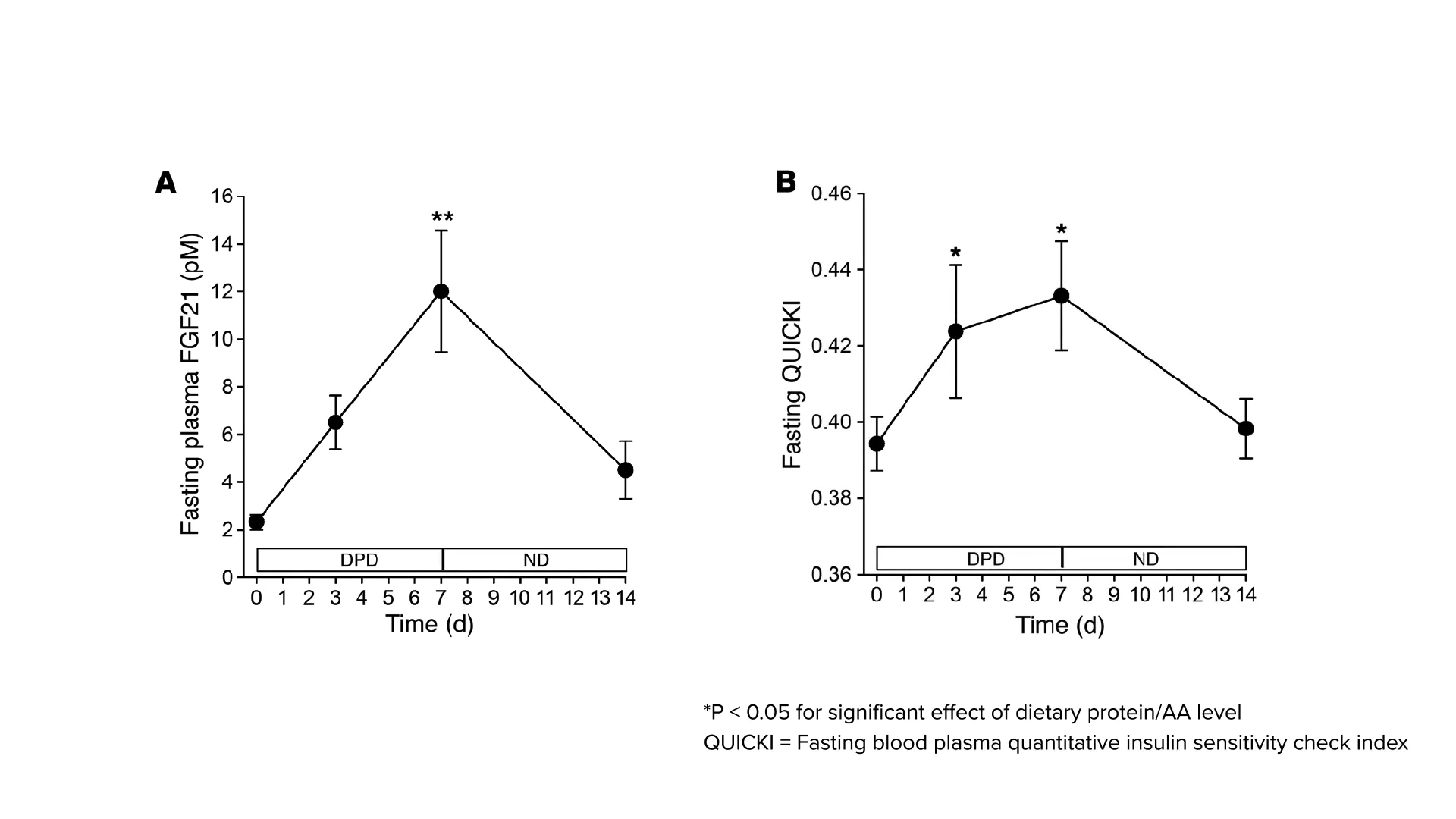
Further research has corroborated these findings. A study where men reduced their protein intake to 73 grams per day observed a sixfold increase in FGF21 levels within a single week. This was accompanied by a significant improvement in insulin sensitivity, a crucial marker of metabolic health and a predictor of reduced risk for type 2 diabetes. These studies collectively suggest that dietary protein dilution, bringing intake down to recommended levels, can promote metabolic health through pathways influenced by FGF21.
Analysis of Implications: The impact of protein restriction on FGF21 levels has profound implications for public health. Given that many populations, particularly in Western countries, consume protein in excess of their physiological needs, a simple dietary adjustment – reducing intake to recommended levels – could yield substantial health benefits. This includes not only enhanced FGF21 production but also improved metabolic markers like insulin sensitivity and potentially greater efficiency in fat utilization. This suggests that "playing down protein to play up metabolism" through FGF21 is a viable and evidence-based strategy.
Background Context: The concept of protein restriction as a health strategy is not entirely new. Historically, certain traditional diets, such as those of the Okinawans, who were among the longest-living and healthiest populations globally, featured a relatively low percentage of calories from protein (around 9%). This observation aligns with current findings on FGF21 and suggests that these dietary patterns may have contributed to their remarkable longevity through mechanisms involving this hormone.
Methionine Restriction: A Targeted Approach
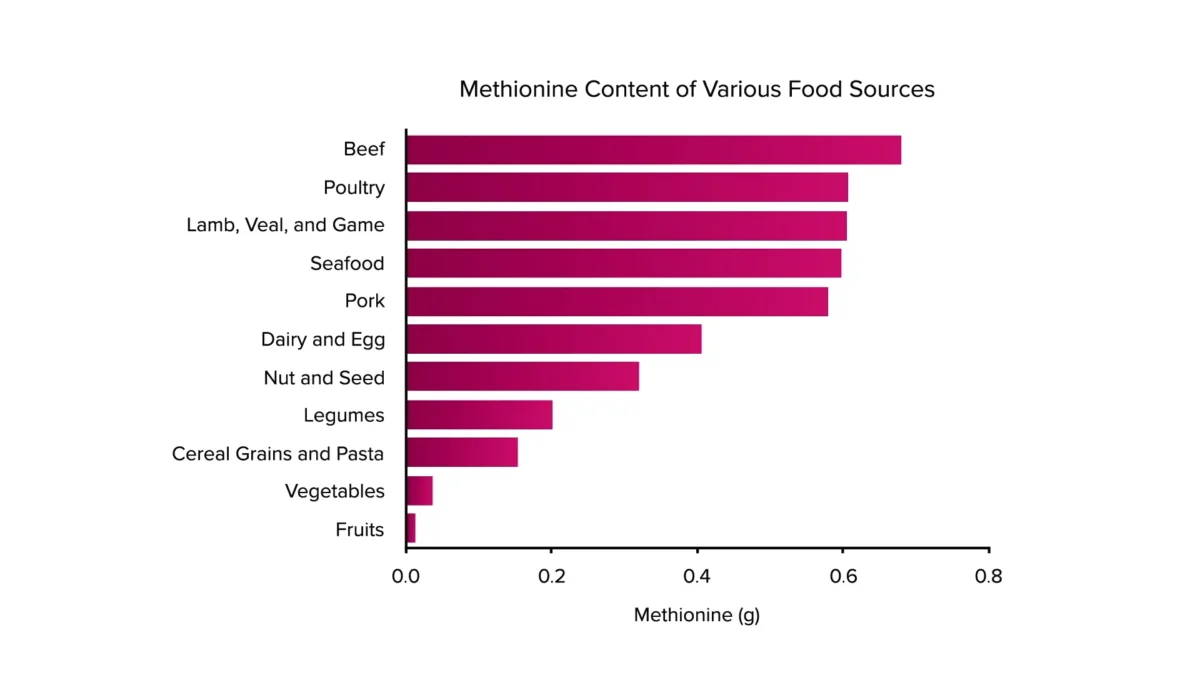
Within the broader context of protein modulation, the restriction of specific amino acids, particularly methionine, has emerged as a potent strategy for boosting FGF21. Methionine is an amino acid found predominantly in animal proteins. Consequently, reducing the consumption of animal-based foods is an effective way to achieve methionine restriction.
Supporting Data: Research indicates that methionine restriction significantly increases FGF21 levels, leading some scientists to refer to it as "the most important mediator of metabolic reprogramming in methionine restriction." The highest concentrations of methionine are found in meats, while legumes such as beans, split peas, chickpeas, and lentils contain considerably less methionine – approximately three times less than meat.
Analysis of Implications: This finding provides a specific dietary target for individuals looking to enhance FGF21 production. By consciously limiting the intake of high-methionine animal proteins and prioritizing plant-based protein sources, individuals can leverage methionine restriction as a powerful tool for metabolic enhancement and potentially for disease prevention. This aligns with the growing body of evidence supporting plant-based diets for their health benefits.
Plant-Based Diets and FGF21: A Synergistic Relationship
The cumulative evidence strongly suggests that whole food, plant-based diets are not only associated with improved metabolic health but may also directly contribute to higher FGF21 levels. The protective effects attributed to these diets against chronic diseases such as heart disease, diabetes, and certain cancers, which have previously been explained by factors like cholesterol reduction, may also be mediated, in part, by FGF21.
Supporting Data: A study directly investigated circulating FGF21 levels in individuals consuming plant-based diets compared to omnivores. The results demonstrated markedly higher FGF21 levels in vegans. Furthermore, when omnivores transitioned to vegetarian diets, their FGF21 levels increased significantly. In one instance, after just four meat-free days, FGF21 levels surged by an impressive 232%. This substantial increase highlights the rapid and potent effect of eliminating meat from the diet on FGF21 production.
Background Context: The exceptional health outcomes observed in populations consuming whole food, plant-based diets, such as the documented reversal of coronary artery disease by Dr. Dean Ornish and Dr. Caldwell Esselstyn, have long been a subject of scientific interest. While cholesterol reduction is a key benefit, the magnitude of these improvements suggested other protective mechanisms at play. The discovery of FGF21’s role offers a compelling explanation for some of these extraordinary results, suggesting that the quantity and quality of protein, alongside reduced intake of methionine, are critical factors.
Analysis of Implications: The findings linking plant-based diets to higher FGF21 levels provide a potential molecular explanation for the remarkable health benefits associated with these dietary patterns. This could mean that the protection against a range of chronic diseases, from cardiovascular disease to obesity and potentially even certain cancers and autoimmune conditions, is facilitated by FGF21’s metabolic and cellular effects. This reinforces the recommendation for whole food, plant-based diets not just as a strategy for weight management but as a comprehensive approach to enhancing longevity and overall well-being.
Integrating FGF21 Strategies into Daily Life
The scientific consensus is converging on the understanding that while extreme measures like prolonged fasting can elevate FGF21, more accessible and sustainable dietary strategies can achieve similar, beneficial outcomes.
Key Dietary Recommendations:
- Embrace Complex Carbohydrates: Prioritize whole grains, legumes, and starchy vegetables as primary sources of dietary energy. These foods provide fiber essential for SCFA production, which in turn supports FGF21 synthesis.
- Moderate Protein Intake: Aim to consume protein within the recommended daily allowances rather than exceeding them. For most adults, this means focusing on quality and moderation, rather than high-volume consumption, especially from animal sources.
- Consider Protein Quality: Be mindful of the methionine content of proteins. Reducing intake of high-methionine animal proteins and increasing consumption of plant-based proteins like beans, lentils, and peas can be a targeted strategy.
- Prioritize Whole Foods: Whole food, plant-based diets, characterized by their rich fiber content and lower methionine levels, appear to be a powerful way to naturally boost FGF21.
Broader Impact and Implications: The growing body of research on FGF21 and its dietary modulators offers a significant paradigm shift in our understanding of nutrition and longevity. It suggests that simple, evidence-based dietary adjustments can have profound effects on our metabolic health and may contribute to extending our healthy lifespans. This knowledge empowers individuals to make informed choices that can positively impact their long-term health outcomes, potentially reducing the burden of chronic diseases and enhancing overall quality of life. The ongoing research into FGF21 promises to further illuminate the intricate connections between our diet, our biology, and our pursuit of a longer, healthier existence.

