

The early months of 2016 have presented two significant media moments that have resonated deeply within the discourse surrounding climate change, offering potent calls to action and grounds for optimism. The first, a widely acclaimed acceptance speech by actor Leonardo DiCaprio at the Academy Awards, and the second, a compelling TED Talk delivered by former U.S. Vice President Al Gore, have independently and collectively amplified critical messages about the escalating climate crisis and the potential for collective solutions. These interventions, originating from influential figures in entertainment and environmental advocacy respectively, have injected a renewed sense of urgency and possibility into public consciousness.
DiCaprio’s Oscar Speech: A Forceful Call to Action on Climate Change
On February 28, 2016, Leonardo DiCaprio accepted the Academy Award for Best Actor for his performance in the critically acclaimed film The Revenant. His acceptance speech, however, transcended the typical celebratory remarks, evolving into a powerful and impassioned plea for global action on climate change. DiCaprio, a long-time environmental advocate, seized the highly visible platform to articulate the severe threat posed by global warming, drawing on scientific consensus and personal observations.
Key Elements of DiCaprio’s Address:
- Urgency of Climate Change: DiCaprio did not shy away from the gravity of the situation, describing climate change as "the most urgent threat facing our entire species." He emphasized that the science is unequivocal and that immediate action is paramount.
- Call for Collective Response: He stressed the necessity of a united global effort, stating, "We need to work together, not just as a nation, but as a planet." This underscored the interconnectedness of nations and the shared responsibility in mitigating the crisis.
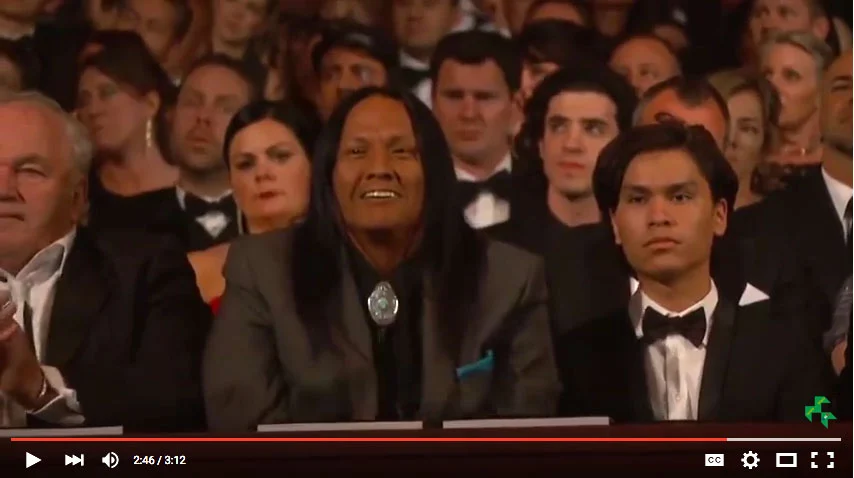
- Specific Call-Out for Indigenous Voices: A particularly poignant moment in his speech was his special acknowledgment of Indigenous peoples. DiCaprio highlighted that their "voices have been drowned out by the politics of greed," advocating for their inclusion and recognition in climate solutions. This directly addressed the disproportionate impact of climate change on many Indigenous communities and their historical stewardship of the environment.
- Connection to His Film: DiCaprio subtly linked his speech to the arduous production of The Revenant, which was filmed in remote, climatically affected locations. The film’s depiction of harsh natural environments served as a visceral backdrop to his message about a changing planet.
Background and Context:
DiCaprio’s speech occurred at a time when the effects of climate change were becoming increasingly undeniable. The year 2015 had been the hottest on record globally, with significant events such as unprecedented heatwaves, widespread droughts, and more intense storm systems. The Paris Agreement, adopted in December 2015, had just been signed, representing a landmark international commitment to limit global warming, but its implementation remained a critical challenge. DiCaprio’s speech served as a powerful reminder of the stakes involved in fulfilling these commitments.
Al Gore’s TED Talk: The Case for Optimism in Climate Action
Approximately two months prior to DiCaprio’s Oscars moment, on December 1, 2015, Al Gore delivered a TED Talk titled "The Case for Optimism on Climate Change." Building on decades of his work as an environmental advocate and his Nobel Peace Prize-winning efforts, Gore presented a nuanced yet hopeful perspective on the climate crisis. His talk aimed to counter the pervasive sense of despair often associated with climate change discussions, focusing instead on the progress being made and the potential for future innovation and solutions.
Key Elements of Gore’s Address:
- Acknowledging the Seriousness: Gore began by unequivocally acknowledging the ongoing severity of climate change and its tangible, detrimental effects worldwide. He presented data and examples of the continuing impact on ecosystems and human societies.
- Highlighting Progress and Innovation: The core of his message revolved around the significant advancements in renewable energy technologies, particularly solar and wind power. He showcased how these technologies are becoming increasingly cost-effective and widespread, driving a transition away from fossil fuels.
- Shifting Possibilities: Gore articulated how these technological and policy shifts are fundamentally altering what is possible in terms of climate mitigation and adaptation. He painted a picture of a future powered by sustainable energy, with cleaner air and more resilient communities.
- Visionary Leadership: As a former Vice President and a prominent figure in environmental activism for decades, Gore’s message carried considerable weight. His optimism was not based on wishful thinking but on a deep understanding of technological trends, policy developments, and growing global awareness.
Background and Context:
Al Gore has been a leading voice on climate change since the late 1980s. His 2006 documentary, An Inconvenient Truth, and subsequent book brought the issue to mainstream attention. His TED Talk in late 2015 was delivered as the world was gearing up for the COP21 climate summit in Paris, a period of intense diplomatic effort to forge a global climate agreement. Gore’s message of optimism was intended to bolster support for ambitious climate action and to inspire confidence in the feasibility of a sustainable future.
Supporting Data and Scientific Consensus
The urgency articulated by both DiCaprio and Gore is grounded in extensive scientific research. The Intergovernmental Panel on Climate Change (IPCC), the leading international body for assessing the science related to climate change, has consistently reported on the overwhelming evidence of human-induced warming.
- Temperature Anomalies: Data from NASA’s Goddard Institute for Space Studies (GISS) and other meteorological organizations consistently show a warming trend. For instance, 2015 was approximately 0.90 degrees Celsius (1.62 degrees Fahrenheit) above the 20th-century average, making it the warmest year since record-keeping began in 1880. Subsequent years have continued this trend.
- Greenhouse Gas Concentrations: Atmospheric concentrations of carbon dioxide (CO2), the primary greenhouse gas, have risen dramatically since the Industrial Revolution. In early 2016, CO2 levels were exceeding 400 parts per million (ppm), a threshold not seen in millions of years.
- Impacts: Scientific reports detail a wide range of observed impacts, including rising sea levels, melting glaciers and ice sheets, more frequent and intense heatwaves, changes in precipitation patterns, ocean acidification, and increased frequency of extreme weather events. The impacts are not uniform, with vulnerable populations and ecosystems bearing a disproportionate burden.
Broader Impact and Implications
The interventions by Leonardo DiCaprio and Al Gore, though distinct in their platforms and immediate contexts, share a common thread: amplifying critical messages about climate change to broad audiences.
Impact of DiCaprio’s Speech:
- Mainstream Visibility: The Oscars stage provides an unparalleled global audience. DiCaprio’s direct and forceful message brought the climate crisis to the attention of millions who may not actively follow environmental news.
- Lending Credibility: As a globally recognized figure, DiCaprio’s advocacy lends significant weight to the climate change narrative, potentially influencing public opinion and inspiring individual action.
- Highlighting Social Justice: His specific mention of Indigenous peoples brought an important social justice dimension to the climate conversation, underscoring the disproportionate impacts and the need for equitable solutions. This resonates with ongoing discussions about environmental justice.
Impact of Gore’s TED Talk:
- Countering Despair: In a field often characterized by dire warnings, Gore’s focus on optimism and solutions is crucial for maintaining momentum and engagement. It offers a pathway forward, suggesting that the challenges, while immense, are not insurmountable.
- Promoting Technological Solutions: By highlighting advancements in renewable energy, Gore implicitly encourages investment and policy support for these technologies, accelerating the transition to a low-carbon economy.
- Reinforcing Long-Term Advocacy: Gore’s continued engagement reinforces the importance of sustained, long-term commitment to environmental action. His message provides a historical perspective and a testament to the progress made over decades.
Synergistic Effect:
The proximity of these two influential communications created a powerful synergy. DiCaprio’s urgent call to action, coupled with Gore’s hopeful vision of achievable solutions, provided a comprehensive narrative arc for public discourse. DiCaprio’s speech acted as a stark warning, while Gore’s talk offered a roadmap and a reason to believe that the warning could be heeded.
Official and Related Party Reactions (Inferred)
While direct official statements responding to these specific communications might not always be readily available, the broader reactions from various stakeholders can be inferred:
- Environmental Organizations: Groups like the Sierra Club, Greenpeace, and the Natural Resources Defense Council would likely have lauded both speeches for their effectiveness in raising awareness and advocating for policy change. They would see these as valuable opportunities to mobilize their supporters and push for legislative action.
- Policy Makers: Politicians, particularly those who champion climate action, would likely have viewed these speeches as supportive of their efforts. They might have used these moments to underscore the public mandate for climate action. Conversely, those less inclined to prioritize climate action might have downplayed the significance or diverged from the messages.
- Scientific Community: While scientists primarily focus on data and peer-reviewed research, they would likely appreciate any efforts by public figures to accurately communicate the scientific consensus and the urgency of the issue. They would also be keen to ensure that the messages are factually grounded.
- Indigenous Leaders: Leaders and representatives from Indigenous communities would likely have welcomed DiCaprio’s acknowledgment, seeing it as a step towards greater recognition of their rights and their crucial role in environmental stewardship.
- Energy Sector: The fossil fuel industry and related lobbying groups might have reacted with skepticism or attempted to counter the messages, particularly those that advocate for a rapid transition away from fossil fuels. They might have emphasized economic concerns or highlighted the limitations of renewable energy.
Fact-Based Analysis of Implications
The widespread attention garnered by these two communications has several important implications for the climate change discourse:
- Democratization of Climate Messaging: When figures as prominent as an Oscar-winning actor and a Nobel Peace Prize laureate speak out, climate change transcends academic and activist circles, reaching a broader, more diverse audience. This democratization of the message is crucial for fostering widespread public engagement and support for solutions.
- Bridging Science and Popular Culture: The ability of figures like DiCaprio and Gore to translate complex scientific and policy issues into accessible, emotionally resonant messages is vital. It helps to bridge the gap between scientific understanding and public perception, making the issue more relatable and actionable.
- Catalyst for Policy and Investment: Increased public awareness and demand for action can translate into political pressure for stronger climate policies and increased investment in renewable energy and sustainable technologies. This can create a virtuous cycle of awareness, action, and innovation.
- Elevating Social Justice in Climate Dialogue: DiCaprio’s specific mention of Indigenous voices is a significant development. It highlights the intersectionality of climate change with issues of social justice, equity, and the rights of marginalized communities, pushing the conversation beyond purely environmental concerns.
- Sustaining Momentum: In the long and often challenging fight against climate change, moments of heightened public attention are critical for sustaining momentum. These communications serve as vital reminders of the stakes and the potential for positive change, helping to keep the issue at the forefront of public and political agendas.
In conclusion, the early part of 2016 witnessed two powerful media communications that significantly impacted the global conversation on climate change. Leonardo DiCaprio’s impassioned Oscar speech served as a stark and urgent warning, while Al Gore’s TED Talk offered a pragmatic and optimistic vision of solutions. Together, these interventions underscored the critical nature of the climate crisis, highlighted the need for collective action and equitable approaches, and provided a much-needed infusion of hope and inspiration for a sustainable future. Their lasting impact lies in their ability to mobilize public opinion, influence policy, and underscore the profound connection between environmental health, social justice, and the well-being of the planet.

