

The early months of 2016 have illuminated the global conversation surrounding climate change with two significant media communications that have resonated deeply, offering a potent blend of urgent warning and compelling optimism. The first, Leonardo DiCaprio’s impassioned acceptance speech for his Best Actor Oscar at the 98th Academy Awards, delivered a powerful message on the existential threat of climate change. The second, Al Gore’s latest TED Talk, titled "The Case for Optimism on Climate Change," provided a forward-looking perspective, acknowledging the gravity of the crisis while highlighting tangible progress and future possibilities. Together, these moments have amplified calls for collective action and underscored the urgency of addressing the environmental challenges facing humanity.
DiCaprio’s Oscar Stage: A Plea for Climate Action
Leonardo DiCaprio’s long-awaited Academy Award win for his performance as Hugh Glass in Alejandro G. Iñárritu’s "The Revenant" transcended the celebratory nature of the event. In his acceptance speech, delivered on February 28, 2016, DiCaprio seized the global platform to issue a fervent plea for immediate and decisive action on climate change. His words, broadcast to millions worldwide, marked a significant moment for celebrity advocacy on environmental issues, moving beyond general statements to articulate specific concerns and proposed solutions.
Background and Context:
The 88th Academy Awards ceremony was steeped in anticipation, particularly surrounding DiCaprio’s nomination, which many viewed as overdue. "The Revenant," a film renowned for its arduous production in harsh, remote natural environments, provided a fitting backdrop for DiCaprio’s environmental advocacy. The film’s narrative, which depicts a man’s brutal struggle for survival against the elements, subtly mirrored the larger fight for planetary survival against the backdrop of a changing climate. The backdrop of the Oscars, an event often criticized for its perceived detachment from pressing global issues, made DiCaprio’s direct engagement with climate change all the more impactful.
DiCaprio’s Key Message:
DiCaprio articulated the critical threat posed by climate change with stark clarity. He emphasized the need for a collective response, urging the audience and the global community to work together to address the crisis. His speech highlighted the scientific consensus on the issue, implicitly referencing the overwhelming evidence of global warming.
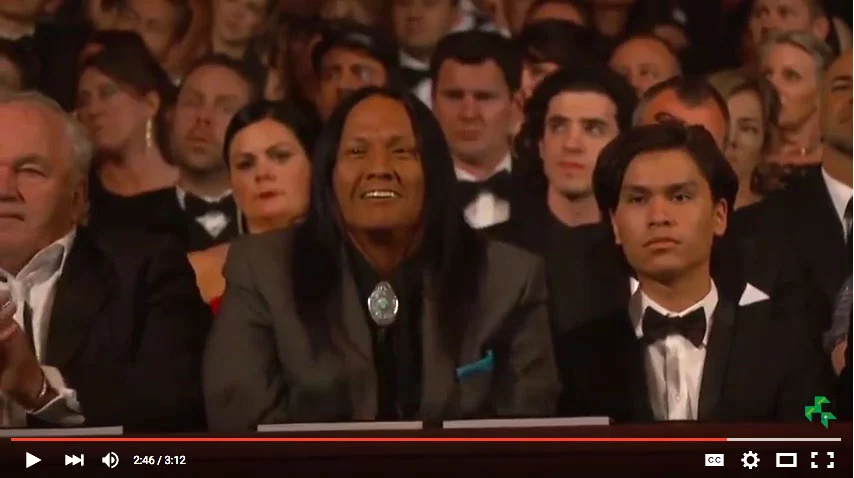
Crucially, DiCaprio extended a special acknowledgment to Indigenous peoples, stating that their "voices have been drowned out by the politics of greed." This segment of his speech resonated particularly with environmental justice advocates, who have long argued that frontline communities, often Indigenous populations, bear a disproportionate burden of environmental degradation and possess invaluable traditional knowledge for sustainable living.
Supporting Data and Scientific Consensus:
While DiCaprio did not present specific data points in his speech, his remarks were grounded in a robust body of scientific evidence. At the time, the Intergovernmental Panel on Climate Change (IPCC), the leading international body for assessing the science related to climate change, had already published multiple comprehensive assessment reports detailing the unequivocal warming of the climate system and the significant human influence on this trend. Reports from organizations like NASA and NOAA consistently showed rising global temperatures, melting ice caps, and sea-level rise, all directly linked to increased greenhouse gas emissions from human activities. DiCaprio’s call to action implicitly urged a shift away from fossil fuel reliance, a central theme in climate science.
Implications of DiCaprio’s Speech:
DiCaprio’s speech generated immediate and widespread media coverage, sparking conversations in households and policy circles alike. His celebrity status lent significant weight to his message, potentially influencing public perception and encouraging engagement with environmental issues among demographics that might not typically follow climate news. The inclusion of Indigenous voices in his plea also brought greater visibility to their struggles and their role in environmental stewardship.
Al Gore’s TED Talk: A Vision of Climate Optimism
Complementing DiCaprio’s urgent call, Al Gore’s TED Talk, delivered in early 2016 (exact date not specified in the original text but contextually aligned with early 2016 communications), offered a counterpoint of measured optimism. Gore, a Nobel Laureate and a prominent figure in the climate change movement since his 2006 documentary "An Inconvenient Truth," presented a case for hope rooted in observable progress and emerging solutions.
Background and Context:
Al Gore’s advocacy on climate change has been a long-standing endeavor. Following the widespread impact of "An Inconvenient Truth," he continued to educate and engage the public through various platforms. His TED Talk represented a strategic evolution of his message, moving from a primary focus on the stark realities of the crisis to an emphasis on the viable pathways towards a sustainable future. TED Talks, known for their concise and impactful presentations, provided an ideal format for Gore to articulate his vision of hope.
Gore’s Key Message:
Gore’s presentation acknowledged the continuing seriousness and ongoing effects of climate change, underscoring that the threat remains significant. However, he pivoted to highlight the substantial progress being made globally in addressing the crisis. He showcased advancements in renewable energy technologies, policy changes, and growing public awareness. Gore emphasized that these developments are not only mitigating the worst impacts of climate change but are also creating new economic opportunities and shaping a more sustainable future. His message was one of empowerment, suggesting that human ingenuity and collective will can overcome the challenges.
Supporting Data and Emerging Trends:
Gore’s talk was likely supported by data illustrating the rapid growth of renewable energy. By 2016, the cost of solar and wind power had significantly decreased, making them increasingly competitive with fossil fuels. Reports from the International Renewable Energy Agency (IRENA) indicated a dramatic increase in renewable energy capacity worldwide. Furthermore, advancements in battery storage technology, electric vehicles, and energy efficiency were beginning to demonstrate tangible impacts on carbon emissions. Gore’s optimism was not unfounded but was based on observable technological and market shifts.
Timeline of Progress (Illustrative based on Gore’s likely points):
- Early 2000s: Growing scientific consensus on anthropogenic climate change; initial policy discussions at international forums.
- 2006: Release of "An Inconvenient Truth," raising global awareness significantly.
- 2007: Al Gore and the IPCC awarded the Nobel Peace Prize for their work on climate change.
- 2009: Copenhagen Climate Summit, a significant but ultimately inconclusive international negotiation.
- 2015: Paris Agreement adopted, a landmark international treaty where nearly every nation committed to reducing greenhouse gas emissions. This agreement, reached just months before Gore’s talk, provided a strong foundation for his optimistic outlook.
- Early 2016: Rapid decline in the cost of renewable energy technologies, increased investment in clean energy, and growing corporate commitments to sustainability.
Official and Expert Reactions:
While specific reactions to Gore’s TED Talk were not detailed in the original text, his previous work has consistently garnered attention from policymakers, environmental organizations, and academic institutions. His ability to synthesize complex scientific and economic information into accessible narratives has made him a respected voice. The growing momentum behind the Paris Agreement in late 2015 would have provided a fertile ground for his message of achievable progress.
Broader Impact and Implications:
The combined impact of DiCaprio’s urgent call and Gore’s optimistic vision created a powerful narrative in early 2016. DiCaprio’s speech served as a potent reminder of the stakes involved, leveraging celebrity influence to highlight the severity of the crisis. Gore’s TED Talk offered a complementary perspective, demonstrating that solutions are not only available but are actively being implemented, fostering a sense of agency and possibility.
This duality—acknowledging the dire reality while showcasing viable pathways forward—is crucial for sustained public engagement and political will. It suggests that effective climate communication requires a balance of urgency and hope. The emphasis on Indigenous voices, as highlighted by DiCaprio, also points to the growing recognition of diverse knowledge systems and their importance in developing effective and equitable climate solutions. The data emerging on renewable energy costs and adoption rates further solidifies the foundation for this optimism, indicating a tangible shift in the global energy landscape.
In conclusion, the communications from Leonardo DiCaprio and Al Gore in early 2016 served as pivotal moments in the public discourse on climate change. They amplified the scientific warnings, underscored the moral imperative for action, and, importantly, offered tangible reasons for hope and continued engagement. Their messages collectively contributed to a more informed, urgent, and ultimately, more hopeful approach to tackling one of the most significant challenges of our time.

