

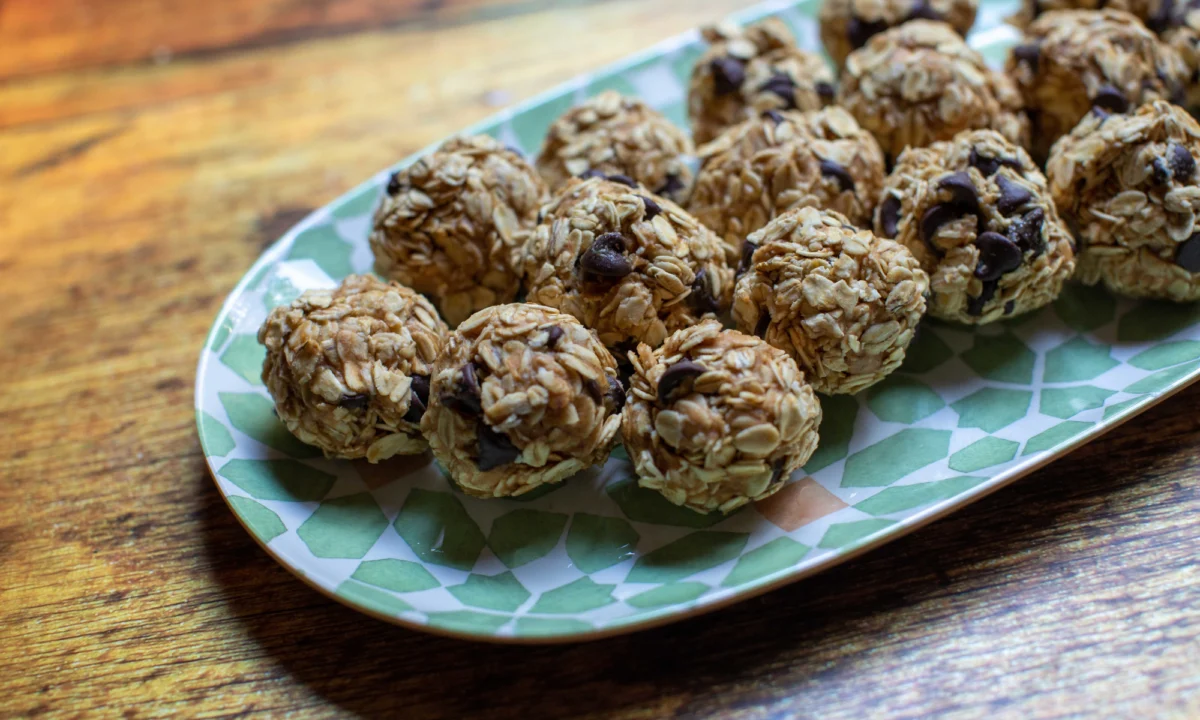
Registered dietitian and weight loss coach Lauren Hubert, M.S., R.D., a recognized authority in transforming body composition through strategic nutritional approaches, has unveiled a novel recipe designed to satisfy cravings while bolstering protein intake. Hubert, who has guided over 5,000 women in achieving significant changes in body composition, including effective fat loss and muscle gain, emphasizes that enjoyment of food is paramount to sustainable health transformations. Her latest creation, peanut butter cup protein balls, masterfully merges the universally beloved flavor combination of chocolate and peanut butter with the wholesome benefits of oats and a specialized protein powder. This recipe offers a dual-purpose solution, serving as an ideal snack or a guilt-free dessert option.
The genesis of this recipe stems from Hubert’s extensive experience in addressing common dietary challenges faced by individuals seeking to improve their health. Many popular sweet treats, particularly those featuring chocolate and peanut butter, are typically high in refined sugars and devoid of substantial protein, leading to a lack of satiety and a cycle of continued consumption. Hubert’s approach circumvents this by integrating nutrient-dense ingredients that provide both flavor and functional benefits.
Hubert’s Peanut Butter Cup Protein Balls: A Detailed Look
This recipe, yielding approximately 2-3 servings, requires a thoughtful selection of ingredients to achieve its balanced profile. While the original article snippet did not include the specific ingredient list and method, a comprehensive recipe would typically involve:
Key Ingredients (Hypothetical based on the description):
- Protein Powder: A high-quality, preferably unflavored or vanilla-flavored, protein powder is central. The article specifically mentions mindbodygreen’s Grass-Fed Whey Protein Isolate+, which provides approximately 25 grams of bioavailable protein per serving. The choice of protein powder significantly influences the final protein content and flavor.
- Nut Butter: Natural peanut butter or a peanut butter powder is essential for the signature flavor and healthy fats. Using peanut butter powder, as suggested by Hubert, can reduce overall fat content while intensifying the peanut butter taste and boosting protein.
- Oats: Rolled oats or quick oats serve as a binder and provide complex carbohydrates and dietary fiber, contributing to satiety and sustained energy release.
- Natural Sweetener: Ingredients like dates, honey, maple syrup, or a sugar-free alternative can be used to achieve the desired sweetness without relying on refined sugars.
- Flavor Enhancers: Vanilla extract, cinnamon, and a pinch of salt are crucial for elevating the overall taste profile, particularly when paired with a quality vanilla protein powder.
- Optional Add-ins: Mini chocolate chips, cocoa powder, or chopped nuts can be incorporated for added texture and flavor complexity.
Preparation Method (Hypothetical):
- Combine Dry Ingredients: In a mixing bowl, whisk together the protein powder, oats, and any dry flavor enhancers like cinnamon.
- Incorporate Wet Ingredients: Add the peanut butter (or reconstituted peanut butter powder), natural sweetener, and vanilla extract. Mix thoroughly until a cohesive dough forms. If the mixture is too dry, a small amount of water or milk can be added. If too wet, more oats or protein powder can be incorporated.
- Add Mix-ins: Gently fold in chocolate chips or other desired add-ins.
- Form Balls: Roll the mixture into bite-sized balls, approximately 1 to 1.5 inches in diameter.
- Chill: Place the protein balls on a parchment-lined baking sheet and refrigerate for at least 30 minutes to allow them to firm up.
- Storage: Store the finished protein balls in an airtight container in the refrigerator for consumption throughout the week.
Hubert’s Strategic Nutritional Insights
The underlying principle behind Hubert’s recipe is the strategic integration of protein into commonly craved treats. She consistently educates her clients on the multifaceted benefits of adequate protein intake, particularly in the context of weight management and body composition improvement.
"I personally like making around 16-18 balls from this recipe," Hubert advises. "Store in the fridge and eat them as you go [through the week] for a healthy high-protein, fiber-friendly carb to pair with whatever you’re eating at breakfast to round out a meal, or a balanced snack mid-day." This practical advice underscores the recipe’s versatility and its role in a structured eating plan.
The Notable Health Benefits of Protein-Rich Snacks
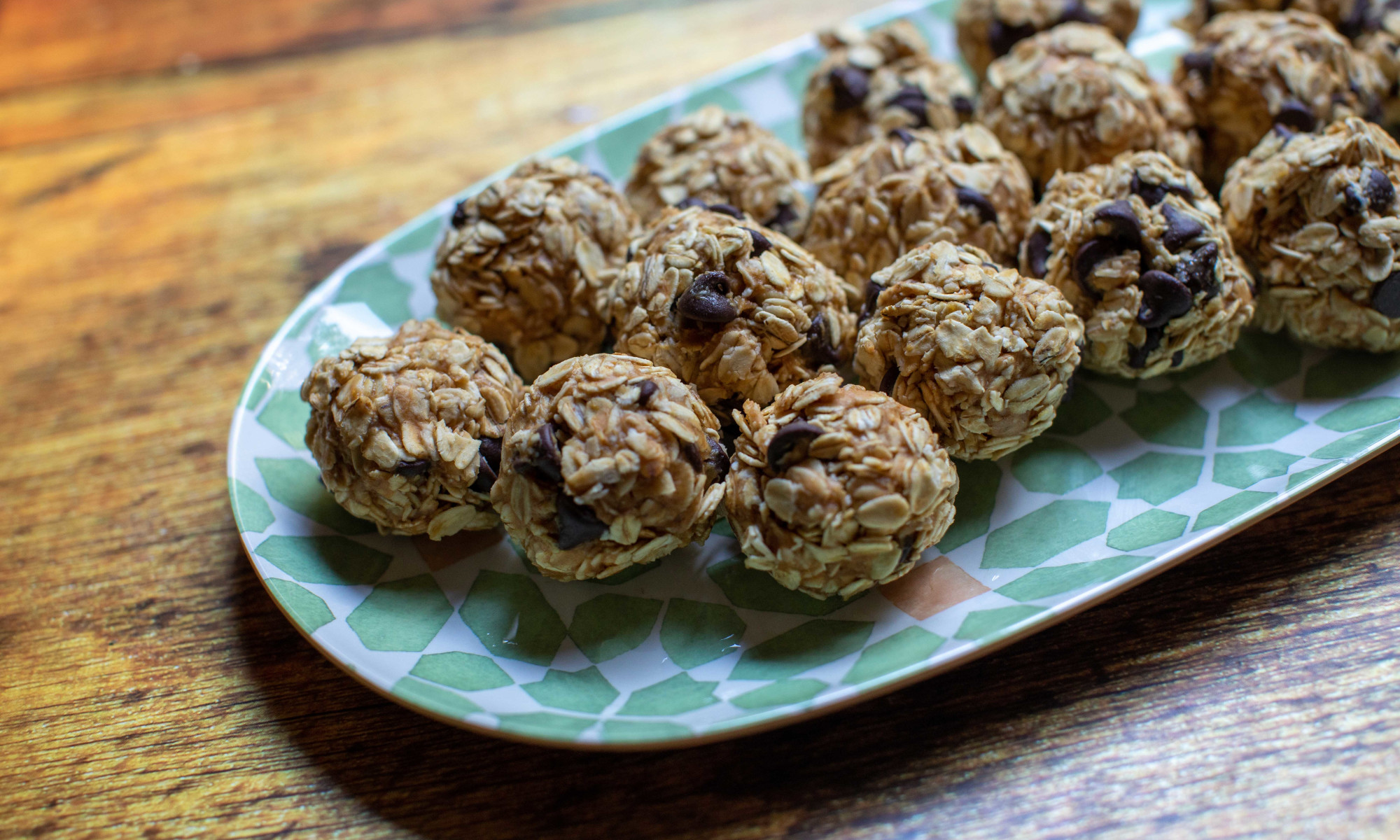
The nutritional advantages of Hubert’s peanut butter cup protein balls extend beyond mere indulgence. By focusing on protein, the recipe directly addresses key physiological mechanisms that influence satiety, metabolism, and overall body composition.
Protein’s Role in Satiety and Appetite Regulation:
Protein is known to be the most satiating macronutrient. Studies published in journals such as the American Journal of Clinical Nutrition have consistently demonstrated that protein-rich meals lead to greater feelings of fullness compared to carbohydrate or fat-rich meals. This effect is mediated by hormonal signals, including the suppression of ghrelin (the hunger hormone) and the increase in satiety hormones like peptide YY (PYY) and glucagon-like peptide-1 (GLP-1). For individuals aiming to manage their weight, incorporating protein into snacks can be a powerful tool to curb overeating and reduce overall calorie intake.
Metabolic Impact of Protein:
The thermic effect of food (TEF) refers to the energy expended by the body to digest, absorb, and metabolize nutrients. Protein has the highest TEF among the macronutrients, meaning the body burns more calories processing protein than it does carbohydrates or fats. Research indicates that protein can account for 10-35% of the calories consumed. By increasing protein intake, individuals can subtly elevate their metabolic rate, contributing to greater calorie expenditure over time. This metabolic advantage is particularly beneficial for those seeking to increase fat loss.
Body Composition and Muscle Synthesis:
Adequate protein intake is fundamental for muscle protein synthesis, the process by which muscle tissue is built and repaired. For individuals engaged in strength training or seeking to improve their body composition, sufficient protein is essential for muscle growth and maintenance. Maintaining lean muscle mass is critical for a healthy metabolism, as muscle tissue is metabolically active and burns more calories at rest than fat tissue. Hubert’s emphasis on protein directly supports these goals, enabling clients to achieve a more favorable body composition characterized by increased lean mass and reduced body fat. The Grass-Fed Whey Protein Isolate+ used in this recipe is a particularly effective source due to its rapid absorption and high concentration of essential amino acids, including branched-chain amino acids (BCAAs), which are crucial for muscle repair and growth.
Blood Sugar Management:
High-protein diets have also been linked to improved blood sugar control. Protein has a minimal impact on blood glucose levels compared to carbohydrates, and its inclusion in meals can help to slow the absorption of glucose from other foods. This leads to more stable blood sugar levels, preventing sharp spikes and subsequent crashes that can trigger cravings and energy fluctuations. For individuals with insulin resistance or type 2 diabetes, incorporating protein-rich snacks can be a valuable strategy for managing their condition.
The Flavor Profile: A Deeper Dive
The allure of peanut butter and chocolate is undeniable, a culinary pairing that evokes comfort and satisfaction for many. However, the success of Hubert’s recipe lies not just in the combination of these classic flavors, but in how they are enhanced and balanced by the other ingredients.
The Vanilla Enhancement:
Hubert highlights the role of mindbodygreen’s Grass-Fed Whey Protein Isolate+ in elevating the flavor. The vanilla notes inherent in the protein powder, combined with organic vanilla extract, create a nuanced sweetness that complements the richness of the peanut butter and the depth of the chocolate. This is a crucial distinction from many commercially available protein products that often rely on artificial sweeteners or stevia, which can impart an undesirable aftertaste. The natural sweetness and subtle vanilla undertones contribute to a more sophisticated and enjoyable flavor experience, making the protein balls feel like a genuine treat rather than a medicinal supplement.
The Chocolate Component:
The flexibility in the amount of chocolate added allows for personalization. For those who find themselves drawn to a more intense chocolate experience, as the author notes their own temptation to dip the balls in melted chocolate, the recipe offers a foundation that can be amplified. This adaptability ensures that the recipe can cater to varying palates and preferences, further enhancing its appeal and adherence.
The Importance of Quality Ingredients:
The selection of high-quality ingredients is paramount. Natural peanut butter, for instance, typically contains only peanuts and perhaps a touch of salt, avoiding added sugars and hydrogenated oils found in some conventional brands. Oats provide fiber and sustained energy, while natural sweeteners offer a less drastic impact on blood sugar compared to refined sugars. The grass-fed whey protein isolate+ itself is sourced from cows that are not treated with hormones or antibiotics, and the processing aims to preserve its nutritional integrity. This commitment to quality ingredients not only improves the nutritional profile but also contributes to a superior taste and texture.

Broader Implications and Context
Lauren Hubert’s recipe for peanut butter cup protein balls is more than just a culinary innovation; it represents a broader shift in how individuals approach healthy eating. In an era where convenience foods and sugary snacks are readily available, creating accessible, delicious, and nutritionally sound alternatives is crucial for long-term health success.
The Rise of Functional Foods:
The trend towards functional foods—foods that offer health benefits beyond basic nutrition—is growing. Protein-fortified snacks fall squarely into this category. Consumers are increasingly seeking out products that not only satisfy their taste buds but also contribute to specific health goals, such as weight management, muscle building, and improved energy levels. Hubert’s recipe taps into this demand by providing a homemade option that rivals the nutritional benefits of many store-bought protein bars and bites, often at a lower cost and with greater control over ingredients.
Addressing Dietary Restrictions and Preferences:
While the current recipe focuses on whey protein, the principles can be adapted for other dietary needs. For individuals who are vegan or lactose intolerant, plant-based protein powders (such as pea, brown rice, or a blend) could be substituted. Adjustments to liquid content might be necessary to achieve the desired dough consistency. This adaptability makes the concept of protein-enhanced, craveable snacks accessible to a wider audience.
The Role of Registered Dietitians in Recipe Development:
The involvement of registered dietitians like Lauren Hubert in developing recipes is invaluable. RDs possess the scientific knowledge to create foods that are not only palatable but also nutritionally optimized. They understand the interplay of macronutrients and micronutrients and how they impact the body. This expertise ensures that recipes like Hubert’s are grounded in sound nutritional science, offering tangible health benefits rather than being mere culinary trends. Hubert’s success with thousands of clients attests to the efficacy of her evidence-based approach.
Challenges and Considerations:
While the benefits are significant, certain considerations are important. The caloric density of nuts and nut butters means that portion control is still key, even with healthy fats. The author’s own contemplation of adding melted chocolate, while appealing, would increase the sugar and calorie content, reinforcing the need for mindful consumption. Individuals with specific allergies (e.g., nuts, gluten if oats are not certified gluten-free) must carefully select ingredients. Furthermore, as with any dietary changes or supplement use, consulting with a healthcare provider is recommended, especially for pregnant or breastfeeding individuals or those with underlying health conditions.
Conclusion: A Model for Healthy Indulgence
Lauren Hubert’s peanut butter cup protein balls offer a compelling solution for those seeking to indulge their sweet cravings without compromising their health goals. By expertly blending the satisfying flavors of chocolate and peanut butter with the functional benefits of protein and fiber, this recipe serves as a testament to the idea that healthy eating does not require deprivation. The emphasis on quality ingredients, strategic macronutrient balance, and practical application highlights the innovative approach of modern nutrition professionals in creating sustainable and enjoyable dietary patterns. As consumers continue to prioritize health and wellness, recipes like these, born from the expertise of registered dietitians, are poised to become staples in balanced and fulfilling diets. The ability to create such nutrient-dense treats at home empowers individuals to take control of their nutrition, making healthy choices not only achievable but also undeniably delicious.

