

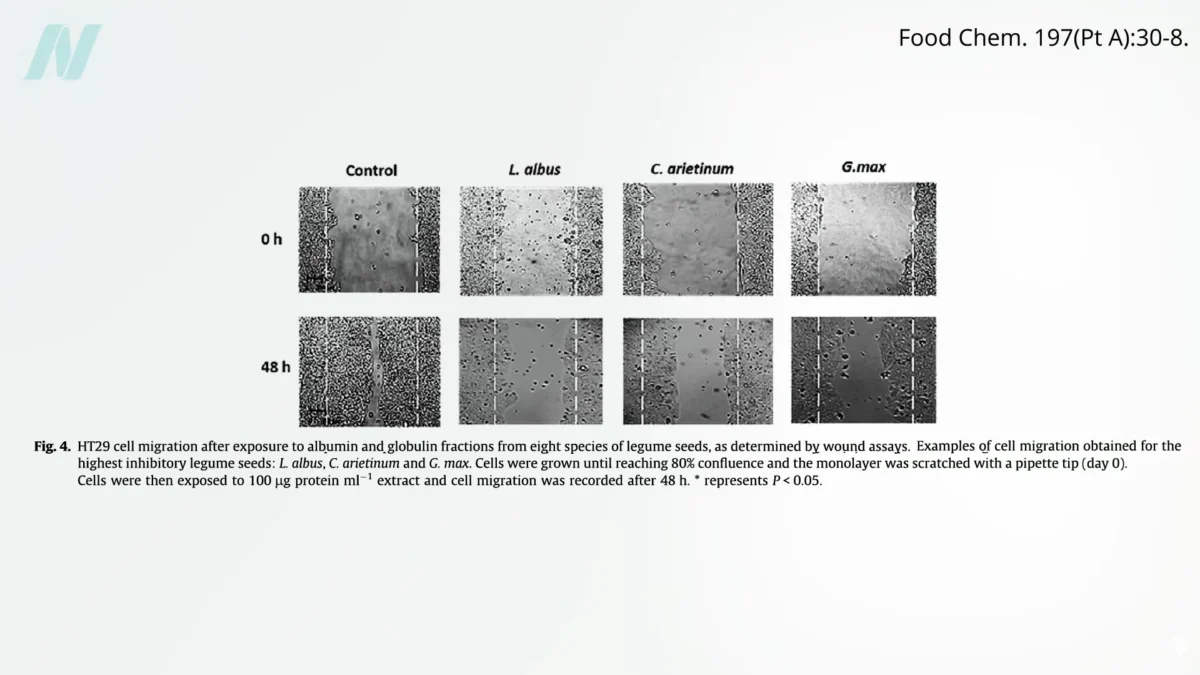
The escalating global burden of cancer, projected to rise by approximately 70% over the next two decades, presents a formidable challenge to healthcare systems worldwide. Despite substantial investments in advanced chemotherapy regimens, the prevailing approach often focuses on managing the consequences of cancer rather than addressing its fundamental drivers. This reality underscores the critical need for preventative and supportive strategies, with mounting evidence pointing towards the significant chemopreventive and anticancer properties inherent in the bioactive compounds found within whole, plant-based foods. Among these dietary powerhouses, legumes have emerged as particularly potent inhibitors of matrix metalloproteinases (MMPs), a class of enzymes intrinsically linked to cancer’s invasive and metastatic capabilities.
The current landscape of cancer treatment, while innovative, is grappling with limitations. Billions are allocated annually to sophisticated chemotherapy drugs, yet the predicted surge in cancer cases suggests a systemic challenge that current interventions are not fully equipped to address. The difficulty in developing chemopreventive drugs due to side effects and prohibitive costs further amplifies the importance of dietary interventions. Scientific consensus increasingly supports the notion that a diet rich in plant-based foods, characterized by minimal animal product consumption, offers substantial protective benefits against cancer. This dietary paradigm includes an array of nutrient-dense foods such as fruits (especially berries), vegetables (particularly leafy greens), legumes, nuts and seeds (with flaxseeds being notably beneficial), alliums like onions and garlic, mushrooms, herbs and spices (with turmeric receiving considerable attention), and green tea as a healthful beverage.
The Imperative to Target Cancer Metastasis
The efficacy of conventional chemotherapy in achieving meaningful patient outcomes is also a subject of ongoing debate. Reports indicate that cancer drugs can significantly impair a patient’s quality of life without consistently extending survival. This raises crucial questions about the value proposition of expensive treatments that may offer little to no tangible benefit. The pharmaceutical industry’s focus on developing new cancer drugs has been a hallmark of modern medicine, but critics argue for a reorientation of resources towards addressing the most lethal aspects of cancer. Specifically, the phenomenon of metastasis—the spread of cancer cells from the primary tumor to distant sites—is responsible for approximately 90% of cancer-related deaths. Therefore, any strategy that effectively targets this process holds immense promise for improving patient prognoses.
Plant-Based Phytochemicals: A Natural Defense Against Metastasis
Emerging research has provided compelling evidence that phytochemicals—bioactive compounds found in plants—possess the ability to interfere with nearly every stage of the invasion-metastasis cascade. This cascade is a complex, multi-step process through which cancer cells break away from the primary tumor, travel through the body, and establish secondary tumors in new locations. While much of this research has been conducted in vitro (in laboratory settings), the implications for human health are profound.

Matrix metalloproteinases (MMPs) play a pivotal role in facilitating this metastatic journey. These enzymes act like molecular scissors, breaking down the extracellular matrix—the structural scaffolding that surrounds cells. This enzymatic activity enables cancer cells to degrade surrounding tissues, invade blood and lymphatic vessels, and ultimately disseminate throughout the body. Consequently, controlling MMP activity represents a critical target for inhibiting cancer spread.
Legumes: A Promising Dietary Intervention
The pharmaceutical industry has attempted to develop synthetic MMP inhibitor drugs. While these agents demonstrated efficacy in animal models, they often proved to be toxic and caused severe side effects in human trials, leading to their discontinuation. This failure highlights the potential advantage of exploring natural compounds that can achieve similar inhibitory effects with a more favorable safety profile.
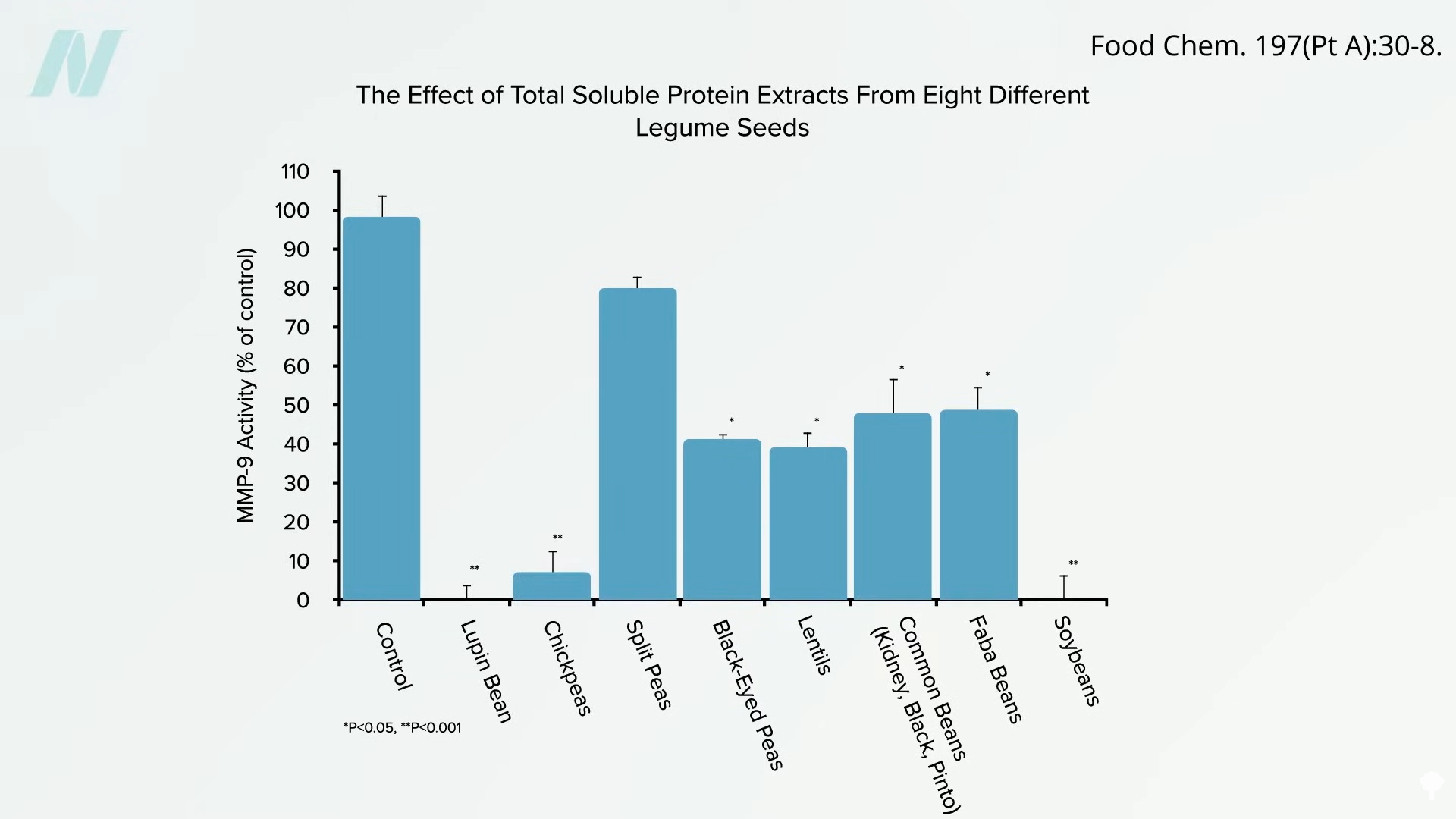
Legumes, including beans, split peas, chickpeas, and lentils, contain specialized proteins that have demonstrated the capacity to reduce MMP activity. Recognizing this, researchers have embarked on studies to identify which types of legumes are most effective in this regard. A comprehensive study evaluated the MMP-inhibiting potential of eight different legume varieties: lupin beans, chickpeas, split peas, black-eyed peas, lentils, common beans (such as kidney, black, and pinto beans), fava beans, and soybeans.
The findings revealed a significant variation in inhibitory capacity among these legumes. In the absence of legume-derived proteins, matrix metalloproteinase activity was observed at approximately 100%. The addition of proteins from split peas showed minimal impact. However, black-eyed peas, lentils, common beans, and fava beans were found to reduce enzyme activity by over 50%. The most striking results were observed with lupin beans, chickpeas, and soybeans, which collectively suppressed MMP activity by more than 90%. These findings suggest that incorporating these specific legumes into the diet could offer a potent, natural mechanism for curbing cancer’s metastatic potential.
In Vitro Evidence: Slowing Cancer Cell Migration
To further investigate the practical implications of these findings, researchers conducted experiments simulating cancer cell migration. In a laboratory setting, human colon cancer cells were plated, and a strip was created in the center using a razor blade. In the absence of any intervention, the cancer cells rapidly converged to fill this gap within 48 hours, demonstrating their aggressive migratory behavior.
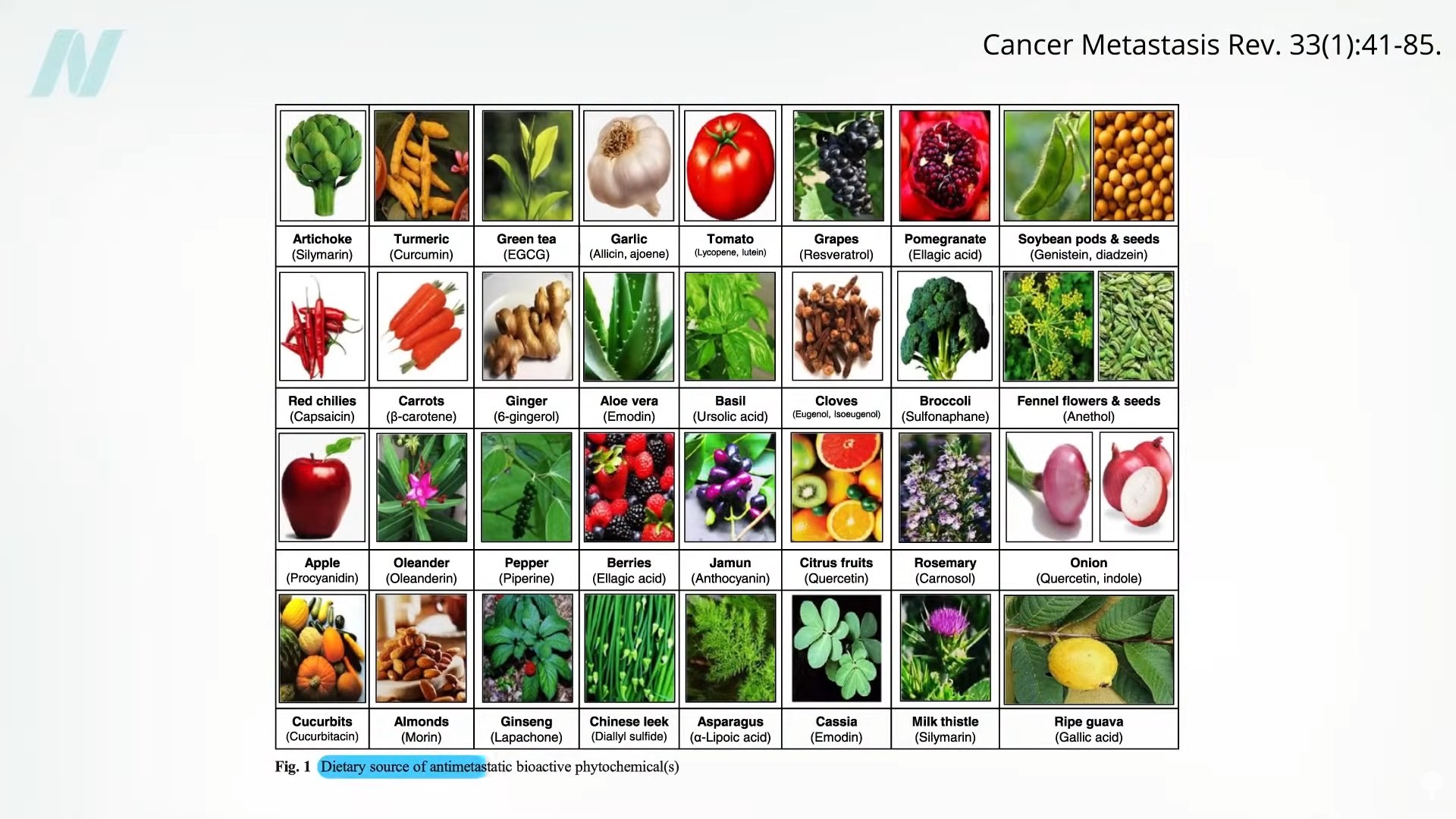
However, when proteins extracted from lupin beans, chickpeas, or soybeans were introduced, the cancer cells exhibited a marked struggle to close the distance. This observation provided compelling visual evidence that these legume-derived compounds can indeed impede the movement and invasion of cancer cells, directly supporting their antimetastatic properties.
The Impact of Cooking on Bioactive Compounds
A crucial question arising from these in vitro studies is whether the beneficial anti-cancer proteins in legumes are degraded by cooking. This is a significant consideration for dietary recommendations, as most legumes are consumed after cooking. To address this, researchers specifically examined soybeans, a well-studied legume, and found that the matrix metalloproteinase inhibitors within them remained active even after the cooking process. While further research may be needed for other legume varieties, this finding suggests that cooked legumes can retain their potent MMP-inhibiting capabilities.
Broader Implications for Cancer Prevention and Health
The observed effect of legumes on MMP activity has far-reaching implications for cancer prevention. Studies have shown that regular consumption of legumes is associated with a reduced risk of colorectal cancer. While it is hypothesized that these bean proteins might exert their protective effect locally within the colon, their systemic impact on metastasis, as demonstrated by MMP inhibition, cannot be overlooked.
Furthermore, individuals adhering to vegetarian diets generally exhibit significantly lower levels of matrix metalloproteinases. While this observation has been partly attributed to lower levels of systemic inflammation—a common factor in non-smokers as well—it underscores a broader association between plant-based eating patterns and reduced MMP activity. This is particularly noteworthy because MMPs are not solely implicated in cancer metastasis; they are also involved in other serious health conditions, including autoimmune diseases and cardiovascular disease.
The "machete-like" action of MMPs can contribute to the rupture of atherosclerotic plaques in diseased arteries, which are often inflamed and filled with cholesterol. The well-established link between plant-based diets and reduced cardiovascular disease risk may, in part, be explained by the concurrent reduction in MMP activity and inflammation. Similarly, the decreased cancer risk observed in individuals consuming predominantly plant-based diets, especially those who are strictly vegetarian, can be further understood through the lens of MMP inhibition.
A Holistic Approach to Cancer Management
The evidence presented underscores a paradigm shift in how we approach cancer. While conventional treatments remain vital, the power of nutrition, particularly through the incorporation of specific whole plant foods like legumes, offers a complementary and potentially preventative strategy. The ability of legumes to inhibit MMPs, key enzymes in cancer metastasis, presents a compelling case for their inclusion in dietary recommendations for cancer prevention and support.
The research into legume-derived MMP inhibitors represents a significant step forward in understanding how dietary components can directly influence complex biological processes related to cancer progression. As we continue to unravel the intricate mechanisms by which food impacts health, the role of legumes in a proactive approach to cancer management is becoming increasingly clear and scientifically validated.
This ongoing exploration into the antimetastatic properties of legumes, alongside other plant-based foods, offers a beacon of hope in the fight against cancer. By harnessing the power of nature’s pharmacy, we can move beyond simply "mopping up the mess" and begin to effectively "turn off the faucet" of cancer’s most deadly manifestations.
Doctor’s Note:
Further exploration into the broader implications of diet on cancer can be found in related resources, including videos such as "Fighting the Ten Hallmarks of Cancer with Diet" and detailed discussions on combating cancer metastasis. The scientific understanding of how specific foods influence complex disease pathways is continually evolving, highlighting the critical intersection of nutrition and oncology.

