

Wells Gray Provincial Park, a vast expanse of protected wilderness nestled within the Caribou Mountains of British Columbia, Canada, serves as a breathtaking testament to the raw power and delicate beauty of the natural world. This sprawling sanctuary, renowned for its dramatic mountain vistas, pristine lakes, and ancient forests, harbors a rich tapestry of wildlife, including iconic species like bears and moose, a diverse avian population, abundant fish stocks, and, perhaps less romantically but equally significant, over thirty species of mosquito. Yet, it is the park’s unparalleled abundance of waterfalls that truly defines its character, with its unique geological history contributing to the formation of approximately 39 named major waterfalls and an innumerable number of smaller cascades. Among these natural wonders, Helmcken Falls stands as a colossal spectacle, ranking as the fourth-largest waterfall in Canada and dwarfing even the mighty Niagara Falls by a factor of three in height.
The Majesty of Helmcken Falls
Helmcken Falls, a crown jewel of Wells Gray Provincial Park, plunges an astonishing 141 meters (463 feet) from the Murtle River into a deep canyon below. Its immense volume and sheer height create a thunderous roar that can be heard for miles, a visceral reminder of nature’s untamed power. The falls are a result of the Murtle River carving its path through ancient lava flows, a geological process that has sculpted the landscape over millennia. The sheer force of the water, particularly during the spring melt when river flows are at their peak, is awe-inspiring. Studies on river dynamics and erosion in such environments indicate that waterfalls like Helmcken are active geological agents, continuously reshaping the surrounding terrain. The constant erosion at the base of the falls, coupled with the relentless power of the water, creates a dynamic and ever-evolving natural monument. The park itself encompasses over 5,250 square kilometers (2,027 square miles), making it one of British Columbia’s largest provincial parks, and a crucial corridor for wildlife movement and biodiversity preservation.
Waterfalls as Living Beings: A Philosophical Perspective
The experience of standing in the vicinity of a powerful waterfall like Helmcken offers more than just a visual and auditory spectacle; it provides a profound opportunity for contemplation. Observing the wild cascade of a river, inhaling the fine mist that drifts from the turbulent waters, and feeling the earth vibrate with its roar, one can readily perceive a waterfall not merely as a geological feature, but as a vibrant, dynamic entity. The very word "waterfall" speaks volumes about interconnectedness and ephemeral existence. It signifies the singular event where a specific river encounters a particular geographical location, manifesting as an immensely powerful and breathtaking form that water assumes for a fleeting moment in its perpetual journey downstream.
This observation extends beyond the immediate sensory experience. When we expand our temporal perspective, it becomes evident that all phenomena, including ourselves, are essentially temporary occurrences, akin to a waterfall. Just as a waterfall represents a momentary configuration of water, a tree is the form that sunlight, water, and specific chemical elements coalesce into for several centuries. Similarly, animals, including human beings, are temporary embodiments of sustenance, hydration, and respiration, existing for less than a century. In this context, a waterfall becomes a potent metaphor for life itself, a narrative of existence written in an instant, highlighting the transient yet impactful nature of all things.
The Deceptive Calm Before the Storm: Nature’s Parallels
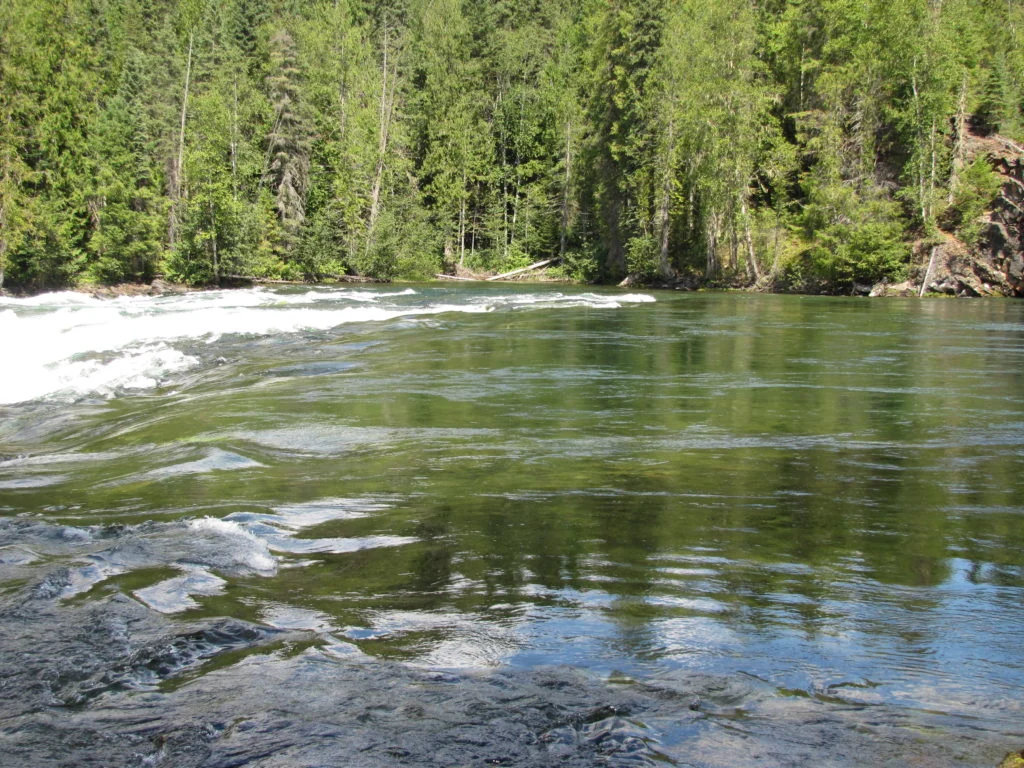
A striking characteristic often observed at many waterfalls is the deceptively smooth, placid, and tranquil state of the water preceding the dramatic plunge. This serene surface offers little to no premonition of the imminent chaos, danger, and overwhelming power that lies just beyond. From the quietude of a lake or a calm stretch of river, the current gradually accelerates, often imperceptibly, until the water suddenly surges over the precipice in a paroxysm of energy, disorder, and raw beauty. This phenomenon serves as a potent allegory for various aspects of human experience and societal dynamics.
Societal Echoes: Navigating Change and Uncertainty
The parallels between the serene upstream waters and the tumultuous cascade can be extended to the human condition. As individuals progress through life, particularly with advancing age, life can proceed with relative smoothness. However, this equilibrium can be disrupted by unforeseen circumstances such as illness or the natural decline associated with old age, leading to an increasingly rapid failure of bodily systems. This mirrors the accelerating current of a river approaching a waterfall.
On a broader societal scale, the analogy becomes even more pronounced. The pace of technological advancement and social change appears to be in a state of gradual and steady acceleration, much like the river flowing towards its dramatic descent. It is plausible that societies, like rivers, may reach a critical threshold where the accumulated momentum of change triggers a cascade into a state of significant upheaval or chaos. Those individuals or segments of society positioned "downstream" of this impending change might already be caught in the maelstrom, experiencing its disorienting effects, while those further "upstream" may still perceive their circumstances as safe and stable, oblivious to the approaching turbulence.
The Imperative of Alertness: Heeding Nature’s Warnings
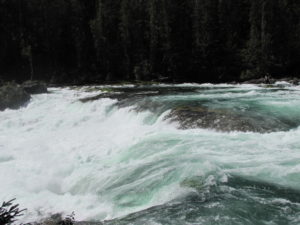
The critical lesson embedded within this natural phenomenon lies in the importance of mindful observation and proactive engagement. Just as a wise observer can discern the subtle signs of an approaching waterfall – the growing roar, the subtle acceleration of the current – so too can alert individuals and societies perceive the subtle indicators of impending significant change or crisis. By cultivating an "alert mind," one can attune to the growing sounds of disruption and the accelerating currents of societal transformation. This heightened awareness allows for the possibility of responding to these signals before being overwhelmed by the ensuing chaos. It is a call to listen intently to the subtle whispers of nature and societal shifts, enabling a potential pivot towards a safer, more stable "bank" before being swept away by the torrent.
The Ecological Significance of Wells Gray Provincial Park
Wells Gray Provincial Park is not merely a collection of stunning waterfalls; it is a vital ecosystem supporting a remarkable array of biodiversity. The park’s varied topography, from alpine meadows to dense old-growth forests and extensive wetlands, creates numerous ecological niches. The Murtle River, the lifeblood of Helmcken Falls, supports a healthy population of fish, including salmon and trout, which in turn are a crucial food source for bears and other predators. The park’s commitment to conservation ensures the protection of these intricate food webs and the habitats they depend upon. The presence of over 30 species of mosquitoes, while perhaps an annoyance to visitors, is indicative of a healthy wetland ecosystem, serving as a vital food source for numerous bird species and playing a role in pollination. The geological history of the region, marked by volcanic activity and glacial erosion, has also shaped the unique soil compositions and water chemistries that contribute to the park’s rich flora.
Conservation Efforts and Visitor Impact
The management of Wells Gray Provincial Park involves a delicate balance between preserving its natural integrity and providing opportunities for public enjoyment and education. Parks Canada and the British Columbia Ministry of Forests, Lands, Natural Resource Operations and Rural Development, which oversee the park’s operations, implement various strategies to minimize human impact. These include designated trails, camping regulations, and educational programs that highlight the ecological significance of the park’s features, including its waterfalls. Efforts are made to protect sensitive areas from erosion and disturbance, ensuring that the natural processes that create and sustain these wonders are allowed to continue unimpeded. The park’s infrastructure, including access roads and viewing platforms, is designed to be as unobtrusive as possible while still allowing visitors to safely experience the majesty of its natural attractions.
Broader Implications: Nature as a Teacher
The lessons derived from observing Helmcken Falls and other natural phenomena extend far beyond an appreciation of natural beauty. They offer profound insights into the fundamental principles of existence, change, and resilience. In a world increasingly characterized by rapid technological and societal shifts, understanding these natural metaphors can provide a framework for navigating uncertainty and fostering adaptability. The contemplation of a waterfall’s ephemeral yet powerful existence encourages a recognition of our own transient nature, fostering a sense of humility and an appreciation for the present moment. Furthermore, the understanding that even the most serene environments can harbor immense power underscores the importance of respect for the natural world and a cautious approach to its manipulation. The ongoing study of ecopsychology, which explores the relationship between human beings and the natural environment, often draws upon such observations to promote well-being and a deeper connection to the planet. The continuous flow and transformative power of water, as exemplified by Helmcken Falls, serves as an enduring reminder of nature’s capacity for both creation and destruction, and the interconnectedness of all living systems. The park, therefore, is not just a recreational destination but a living laboratory for understanding the fundamental forces that shape our world and our place within it.

