

A comprehensive global survey has unveiled the prevailing preferences for yoga styles across continents, providing invaluable insights into the evolving landscape of this ancient practice. The DoYou Global Yoga Survey, involving a remarkable 10,000 participants from 124 distinct countries, offers a definitive snapshot of current trends, highlighting the diverse motivations and approaches individuals adopt in their yoga journeys. The findings reveal a clear hierarchy of popularity, with Vinyasa Flow leading the charge, closely followed by Hatha Yoga and a significant appreciation for restorative practices. This extensive dataset serves as a crucial resource for practitioners, instructors, and the broader wellness industry, illuminating not just what styles are most commonly practiced, but also the underlying reasons for their global appeal.
Background: The Significance of the DoYou Global Yoga Survey
The DoYou Global Yoga Survey, a landmark initiative by DoYou.com, was conceptualized to bridge a critical knowledge gap in the global yoga community. While anecdotal evidence and regional popularity polls have long existed, a comprehensive, international study of this scale was unprecedented. Launched with the primary objective of mapping the global yoga landscape, the survey aimed to quantify participation across various styles, understand practitioner demographics, and identify key motivations for engaging with yoga. Its methodology, encompassing a vast respondent pool of 10,000 individuals spanning 124 countries, ensured a truly global representation, moving beyond Western-centric views to capture a diverse range of cultural and individual preferences.
The timing of such a survey is particularly pertinent in an era where wellness practices are gaining unprecedented traction worldwide. As yoga transitions from a niche spiritual discipline to a mainstream fitness and health pursuit, understanding consumer behavior and preferences becomes vital for the sustained growth and adaptation of the industry. For DoYou.com, a leading online platform dedicated to yoga and wellness, conducting this survey was a natural extension of its mission to inform and connect the global yoga community. The aggregated data offers not just a list of popular styles, but also hints at broader trends in health consciousness, stress management, and the search for holistic well-being in a rapidly changing world. By providing concrete data on participation, the survey empowers yoga studios to tailor their offerings, instructors to specialize their training, and individuals to make informed choices about their practice.
Unpacking the Trends: A Deep Dive into Popular Yoga Styles
The survey’s findings present a compelling narrative about the contemporary practice of yoga, showcasing a blend of dynamic, foundational, and therapeutic approaches that resonate with practitioners worldwide.
1. Vinyasa Flow: The Global Leader (57% of Respondents)
Emerging as the undisputed favorite, Vinyasa Flow was cited as the primary yoga style by a remarkable 57% of respondents. Its widespread appeal is largely attributed to its dynamic nature, characterized by fluid transitions between poses synchronized with the breath. This creates a "flow state" that many find both physically invigorating and mentally engaging. Vinyasa is an umbrella term, encompassing a spectrum of practices from gentle flows to more vigorous sequences like Power Yoga and Ashtanga. Its inherent flexibility and creative potential allow instructors to design classes that cater to diverse fitness levels and intentions, making it highly adaptable and accessible.
The benefits of Vinyasa are multifaceted. Physically, it offers an excellent cardiovascular workout, building strength, endurance, and flexibility. The continuous movement helps to warm the muscles efficiently, facilitating deeper stretches and reducing the risk of injury. Mentally, the emphasis on breath-synchronized movement can be profoundly meditative, helping to quiet the mind and reduce stress. Unlike some traditional styles, Vinyasa is often perceived as less overtly spiritual, appealing to individuals seeking a robust physical exercise regimen with immediate, tangible bodily benefits. Its capacity for customization means a Vinyasa class can be tailored to be as challenging or as gentle as desired, further solidifying its position as the top choice for a global audience. "The popularity of Vinyasa Flow reflects a modern desire for an active, engaging practice that delivers both physical results and a sense of mental clarity," noted a DoYou.com spokesperson. "Its adaptability has allowed it to transcend cultural boundaries and become a cornerstone of global yoga."
2. Hatha Yoga: The Enduring Foundation (42% of Respondents)
Securing the second spot, Hatha Yoga was chosen as the preferred style by 42% of participants. Often considered the traditional root from which many contemporary styles have branched, Hatha typically involves holding poses for longer durations, with a strong emphasis on proper alignment and fundamental techniques. This slower pace allows practitioners to cultivate a deeper awareness of their bodies, breath, and posture.
Hatha yoga is an ideal entry point for beginners, providing a solid foundation in basic poses and breathing exercises (pranayama). Its focus on deep stretching and mindful engagement makes it highly beneficial for improving flexibility, joint mobility, and overall body awareness. While less physically intense than Vinyasa, Hatha is by no means easy, requiring sustained effort and concentration to maintain poses. It fosters a sense of calm and introspection, offering a therapeutic practice that can alleviate muscle tension and promote relaxation. Its enduring popularity speaks to a continued appreciation for foundational principles and a less hurried approach to physical and mental well-being.
3. Restorative Yoga: The Art of Deep Relaxation (29% of Respondents)
Sharing the third position with Power Yoga, Restorative Yoga was favored by 29% of respondents. This style is characterized by its gentle nature, utilizing props such as bolsters, blankets, and blocks to fully support the body in a handful of passive poses held for extended periods. The primary aim of Restorative Yoga is to induce deep relaxation, activate the parasympathetic nervous system, and facilitate healing.
In a world increasingly plagued by chronic stress and burnout, the appeal of Restorative Yoga is profound. It offers a sanctuary for the mind and body, allowing practitioners to release tension, calm the nervous system, and recharge. Poses like supported forward folds and gentle twists are designed to be effortless, promoting a sense of surrender and ease. It is often recommended for individuals recovering from illness or injury, experiencing high stress levels, or simply seeking a profound sense of tranquility. The survey results suggest a growing global recognition of the importance of active rest and recovery in maintaining overall health. "The rise of Restorative Yoga underscores a collective understanding that true wellness isn’t just about exertion, but also about intentional rest and rejuvenation," commented a wellness analyst. "It’s a vital counterpoint to the high-demand modern lifestyle."
4. Power Yoga: Intensity Meets Mindfulness (29% of Respondents)
Also garnering 29% of the vote, Power Yoga stands as a testament to the desire for a physically challenging yoga practice. As a direct descendant of Vinyasa Flow, Power Yoga adopts its fluid, breath-synchronized movement but amplifies the intensity. Classes are often faster-paced, incorporate more challenging poses, and may hold positions for longer durations to build muscular strength and endurance.
Power Yoga appeals to those seeking a vigorous workout that also incorporates the mental benefits of yoga. It’s an athletic style, often drawing practitioners from other fitness disciplines who appreciate the blend of strength training, cardiovascular exercise, and flexibility. The rigorous nature of Power Yoga can lead to significant improvements in physical fitness, including enhanced stamina, core strength, and overall body toning. Its popularity reflects a global trend towards high-intensity interval training (HIIT) and functional fitness, integrated with the mindful movement and breath awareness inherent in yoga.
5. Ashtanga Yoga: The Discipline of Sequence (25% of Respondents)

Practiced by 25% of respondents, Ashtanga Yoga offers a highly structured and disciplined approach. As a specific form of Vinyasa, Ashtanga is characterized by a prescribed sequence of poses that are performed in the exact same order every time, linking movement with breath (Tristhana method). This consistent methodology allows practitioners to deepen their practice through repetition and memorization, fostering profound concentration and self-awareness.
The fixed sequence of Ashtanga makes it an ideal practice for those who thrive on routine and measurable progress. It is physically demanding, building immense strength, flexibility, and stamina. The predictability of the sequence allows practitioners to turn their attention inward, moving beyond the intellectual challenge of learning new poses to explore the subtler aspects of their practice. Often practiced in a "Mysore style" setting, where students work independently through the sequence at their own pace within a group, Ashtanga cultivates self-reliance and dedication.
6. Yin Yoga: Targeting Deep Connective Tissues (17% of Respondents)
With 17% of respondents preferring it, Yin Yoga offers a complementary approach to more dynamic, muscle-focused ("yang") styles. Similar to Restorative Yoga in its long holds, Yin Yoga differs in its intent: it targets the body’s deep connective tissues—fascia, ligaments, joints, and bones—rather than the muscles. Poses are typically held for three to five minutes, or even longer, with muscles relaxed, allowing gravity and time to gently stretch and compress these deeper tissues.
Yin Yoga is renowned for increasing flexibility, improving joint health, and enhancing circulation in connective tissues. It is also a profoundly meditative practice, demanding significant concentration and patience as practitioners sit with discomfort and stillness. Its increasing popularity suggests a growing understanding of the importance of fascia health and a desire for practices that promote mental resilience and inner quiet. It serves as an excellent balance for athletes or individuals with active lifestyles, preventing injury and promoting recovery.
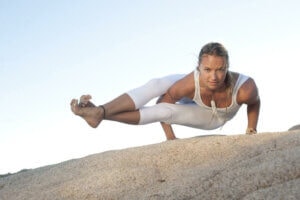
7. Bikram/Hot Yoga: The Heated Challenge (10% of Respondents)
Practiced by 10% of respondents, Bikram and other forms of Hot Yoga involve performing a series of poses in a heated room, typically between 35°C and 42°C (95°F and 108°F). Bikram Yoga, specifically, follows a rigid sequence of 26 poses and two breathing exercises. More generic "Hot Yoga" classes offer similar heated environments but with varied sequences and styles.
Proponents of Hot Yoga often cite benefits such as enhanced flexibility (due to warmed muscles), detoxification through sweating, and improved cardiovascular health. The intense heat adds an extra layer of challenge, demanding heightened focus and mental fortitude. However, proper hydration before, during, and after class is paramount to prevent dehydration and heat-related issues. The enduring appeal of Hot Yoga points to a segment of the yoga community that embraces extreme conditions as part of their physical and mental conditioning.
8. Iyengar Yoga: The Precision of Alignment (8% of Respondents)
Rounding out the top preferences, Iyengar Yoga was chosen by 8% of respondents. A subset of Hatha Yoga, Iyengar places paramount importance on precise anatomical alignment in every pose. This methodical approach often involves the extensive use of props—such as blocks, blankets, straps, and chairs—to help students achieve correct alignment, support their bodies, and experience poses more fully, regardless of their flexibility or strength.
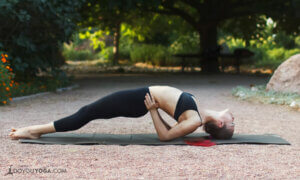
Iyengar Yoga is celebrated for its therapeutic benefits, often used in rehabilitation and for addressing specific physical conditions. The focus on detail and holding poses for longer periods builds strength, stability, and deep body awareness. It’s a practice that cultivates patience, discipline, and a profound understanding of the body’s mechanics. Its practitioners appreciate the intellectual rigor and the meticulous instruction that characterize this style, offering a path to deeper self-knowledge through precision.
Broader Implications and the Evolving Yoga Landscape
The findings of the DoYou Global Yoga Survey offer profound insights into the current state and future trajectory of yoga worldwide. The dominance of Vinyasa Flow and Hatha Yoga underscores a global preference for practices that balance physical exertion with foundational principles. However, the significant representation of Restorative, Power, Ashtanga, Yin, Bikram/Hot, and Iyengar yoga styles highlights a diverse and sophisticated understanding of yoga’s potential.
This data suggests that the global yoga community is not monolithic but rather a vibrant tapestry of individuals seeking various benefits—from intense physical conditioning and stress reduction to deep relaxation and therapeutic healing. The strong showing of styles focused on recovery and introspection (Restorative, Yin) alongside dynamic, challenging practices (Vinyasa, Power, Ashtanga) points to a holistic approach to wellness. Practitioners are increasingly seeking balance in their routines, using different styles to address varying physical and mental needs throughout their week or even their lives.
For the yoga industry, these trends carry significant implications. Studios and instructors must be prepared to offer a wider array of classes to cater to diverse demands. The proliferation of online platforms, like DoYou.com, further democratizes access to these varied styles, allowing individuals in remote areas or those with limited local options to explore a rich spectrum of practices. This customization also suggests a maturation of the yoga market, where practitioners are more informed and discerning about their choices, moving beyond a "one-size-fits-all" mentality.

Moreover, the survey subtly reflects broader societal shifts towards mindful living and preventive healthcare. As individuals grapple with the pressures of modern life, yoga, in its myriad forms, offers accessible tools for managing stress, improving physical health, and fostering mental well-being. The continued global adoption and diversification of yoga styles indicate its enduring relevance as a practice that can adapt to cultural contexts while retaining its core principles of unity of mind, body, and spirit.
Expert Perspectives on Global Yoga Trends
"The DoYou Global Yoga Survey clearly illustrates that yoga is not just a trend, but a deeply ingrained global phenomenon," stated a representative from DoYou.com. "The sheer volume of participants from so many countries underscores the universal appeal of yoga’s benefits. We are particularly excited to see the strong performance of Vinyasa, which reflects a desire for dynamic movement, alongside the continued reverence for Hatha and the growing embrace of restorative practices. This data will be instrumental in guiding content creation and community engagement for years to come."
A leading wellness consultant, commenting on the survey’s implications, added, "What we’re witnessing is a sophisticated evolution of yoga. People aren’t just looking for a workout; they’re looking for tailored experiences that meet specific physical, mental, and emotional needs. The diversity in popularity, from the athletic rigor of Power Yoga to the profound stillness of Yin, indicates that yoga has successfully integrated itself into the broader wellness conversation as a versatile tool for self-care and personal development. This global data provides a powerful roadmap for how studios and instructors can best serve their communities."
In conclusion, the DoYou Global Yoga Survey provides a compelling and data-driven affirmation of yoga’s diverse and dynamic nature. From the invigorating flows of Vinyasa to the meticulous alignment of Iyengar, and the deep relaxation of Restorative practices, there truly is a yoga style for every individual and every intention. The ongoing evolution and global embrace of these varied forms underscore yoga’s timeless capacity to adapt, heal, and inspire. As practitioners continue to explore the vast landscape of yoga, studies like this remain crucial in illuminating the paths they choose and the collective wisdom they gather along the way.

