

In an era where time is a premium, the pursuit of optimal physical fitness often faces the formidable challenge of limited schedules. However, recent scientific consensus and ongoing research in exercise physiology unequivocally point towards compound exercises as the most potent and efficient strategy for individuals seeking to elevate their fitness levels. This method, rooted in engaging multiple muscle groups and joints simultaneously, offers a multifaceted approach to strength, endurance, and overall well-being, significantly outperforming traditional isolation-based routines in terms of time efficiency and caloric expenditure.
Understanding the Mechanics: Compound vs. Isolation Exercises
At the core of any effective fitness regimen lies a fundamental distinction between two primary categories of exercises: compound and isolation. Isolation exercises, as their name suggests, concentrate on strengthening a single muscle group by moving only one joint. Examples include bicep curls, tricep extensions, and leg extensions. While these movements have their place in bodybuilding for targeted hypertrophy or rehabilitation for specific muscle weaknesses, their scope is limited when considering overall functional strength and metabolic efficiency.
Compound exercises, by contrast, involve movement across multiple joints and engage several muscle groups simultaneously. Think of a squat, which activates the quadriceps, hamstrings, glutes, and core, or a push-up, which works the chest, shoulders, triceps, and core. This multi-joint, multi-muscle activation is what underpins their superior efficacy. The body is designed to move synergistically, with muscle groups cooperating to perform complex actions, and compound exercises mirror this natural functionality, leading to more practical strength gains.
The Proven Efficacy: Unpacking the Benefits
The advantages of integrating compound movements into a workout routine are extensive and scientifically validated. Far beyond simply saving time, these exercises deliver a cascade of physiological benefits that contribute to more rapid and sustainable fitness outcomes.
-
Unparalleled Efficiency and Caloric Expenditure: Research consistently demonstrates that compound exercises burn significantly more calories both during and after a workout compared to isolation exercises. This is primarily due to the greater muscle mass engaged, demanding more energy from the body. Studies have indicated that well-structured compound exercise routines can be up to 3.5 times more efficient in calorie burning than traditional gym workouts focusing on isolated movements. This heightened energy demand extends post-exercise through a phenomenon known as Excess Post-exercise Oxygen Consumption (EPOC), often referred to as the "afterburn effect." EPOC means your body continues to burn calories at an elevated rate for hours as it recovers and repairs muscle tissue, making compound movements a powerful tool for weight management and fat loss.
-
Enhanced Functional Strength and Coordination: Functional strength refers to the strength needed to perform daily activities and athletic movements effectively and safely. Compound exercises inherently build functional strength because they train muscles to work together in coordinated patterns, mimicking real-life movements like lifting, pushing, pulling, and squatting. This integrated approach not only makes everyday tasks easier but also significantly improves athletic performance across various sports by fostering better neuromuscular coordination and balance.
-
Superior Hormonal Response: Multi-joint exercises stimulate a greater release of key anabolic hormones, including growth hormone (GH) and testosterone, which are crucial for muscle protein synthesis, tissue repair, and fat metabolism. A study published in the Journal of Strength and Conditioning Research highlighted how exercises engaging larger muscle groups and greater overall muscle mass elicit a more significant acute hormonal response, leading to superior muscle growth and strength adaptations over time.
-
Increased Muscle Mass and Bone Density: By recruiting a larger number of muscle fibers, compound exercises provide a potent stimulus for muscle hypertrophy (growth). The heavier loads often associated with compound movements also place greater stress on bones, which, in turn, stimulates bone remodeling and increases bone mineral density. This is a critical benefit for long-term skeletal health and preventing conditions like osteoporosis, particularly as individuals age.
-
Improved Cardiovascular Health: Many compound exercises, especially when performed in a circuit or with minimal rest, elevate heart rate significantly, providing a robust cardiovascular workout alongside strength training. This dual benefit contributes to improved heart health, increased stamina, and better overall cardiorespiratory fitness, blurring the lines between traditional cardio and strength training.
-
Injury Prevention: By strengthening the entire kinetic chain and improving joint stability through integrated movements, compound exercises can significantly reduce the risk of injuries. They help correct muscle imbalances and teach the body to move efficiently under load, protecting joints and ligaments from undue stress.
The Scientific Foundation: A Deeper Dive
The scientific understanding of exercise physiology has evolved considerably. Early fitness paradigms often prioritized isolation exercises, influenced by bodybuilding culture aiming for specific muscle definition. However, a shift towards functional fitness and performance-based training, supported by extensive biomechanical and metabolic research, has brought compound movements to the forefront.
For instance, research by Andrews E. (2015) and others, often cited by organizations like ACE Fitness, emphasizes the efficiency and comprehensive benefits of compound movements. The principles of progressive overload, specificity, and adaptation are magnified through compound exercises. The body’s central nervous system also plays a larger role in coordinating these complex movements, leading to neurological adaptations that improve strength and motor control. The "3.5x more efficient" claim, while an approximation, stems from comparative studies on energy expenditure and muscle activation during multi-joint vs. single-joint exercises over a given time period, factoring in EPOC and hormonal responses.
Practical Application: Key Bodyweight Compound Exercises
One of the most appealing aspects of compound exercises is that many of them can be performed without any equipment, making them accessible to virtually anyone, anywhere. A full-body workout leveraging these movements can be incredibly effective, proving that you don’t need a gym to achieve significant fitness gains. Here are five foundational bodyweight compound exercises that can form the cornerstone of an efficient routine:
-
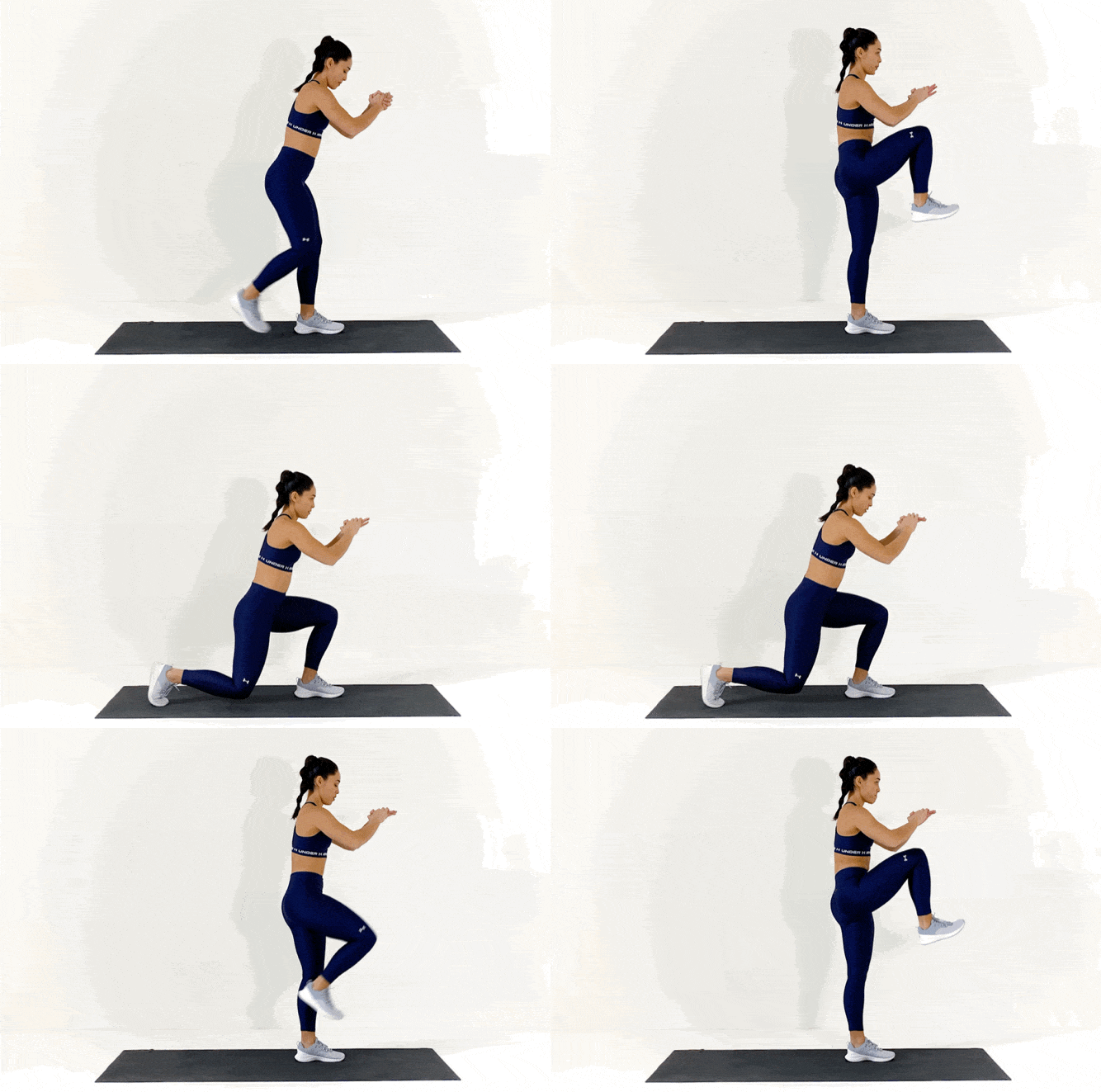
Reverse Lunge With a Knee Drive: This dynamic exercise targets the glutes, quadriceps, hamstrings, and calves, while the knee drive adds a powerful core and hip flexor component, improving balance and coordination.
- Execution: Start standing, step one leg back into a lunge position, ensuring the front knee is stacked over the ankle. Lower until both knees are bent at approximately 90 degrees. Drive through the front heel to return to standing, simultaneously bringing the back knee forward and up towards the chest in a controlled, explosive motion. Return to the starting position and repeat on the same side or alternate.
- Pro Tip: For increased challenge, hold light dumbbells or resistance bands.
-
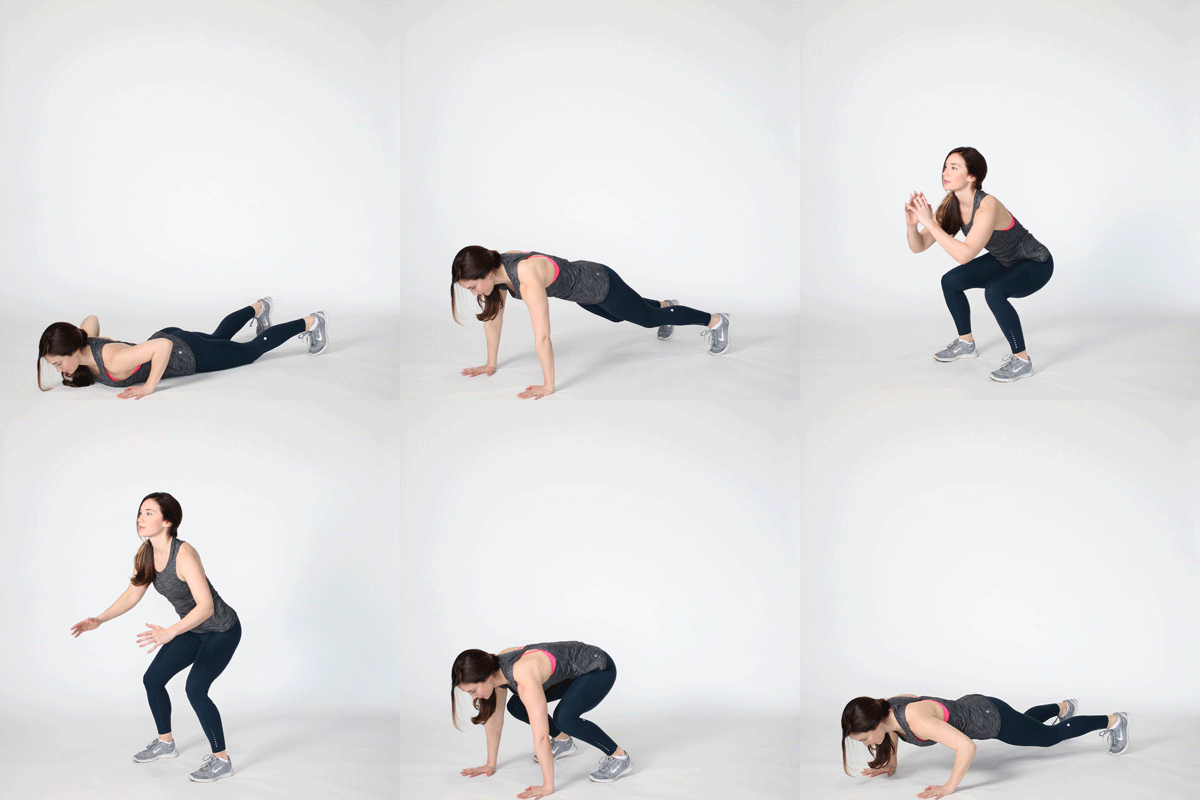
Burpees: Often hailed as the ultimate full-body compound exercise, burpees combine a squat, push-up, and jump into one fluid movement, engaging almost every major muscle group in the body, including the chest, shoulders, triceps, quadriceps, hamstrings, glutes, and core. They are also highly effective for cardiovascular conditioning.
- Execution: Begin standing. Squat down and place your hands on the floor. Kick your feet back into a plank position, immediately performing a push-up. Jump your feet back towards your hands, then explosively jump up, reaching your arms overhead.
- Pro Tip: Focus on smooth transitions between each phase to maintain momentum and elevate heart rate.
-
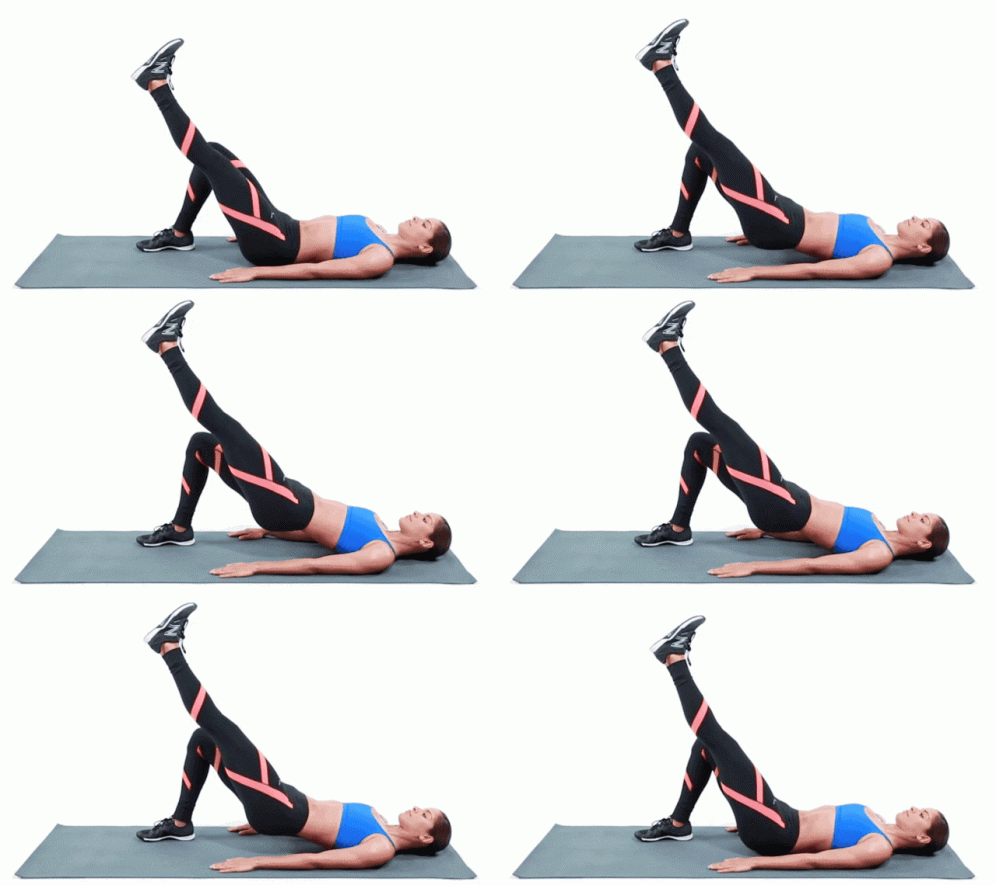
Single-Leg Bridge: This exercise primarily targets the glutes and hamstrings, while also engaging the core for stability. Performing it on one leg significantly increases the challenge and unilateral strength.
- Execution: Lie on your back with knees bent and feet flat on the floor, hip-width apart. Extend one leg straight up towards the ceiling. Press through the heel of the grounded foot, lifting your hips off the floor until your body forms a straight line from shoulders to the knee of the grounded leg. Squeeze your glutes at the top. Slowly lower back down.
- Pro Tip: Maintain a stable pelvis throughout the movement, avoiding any tilting or rotation. Aim for 10-12 repetitions on each side.
-
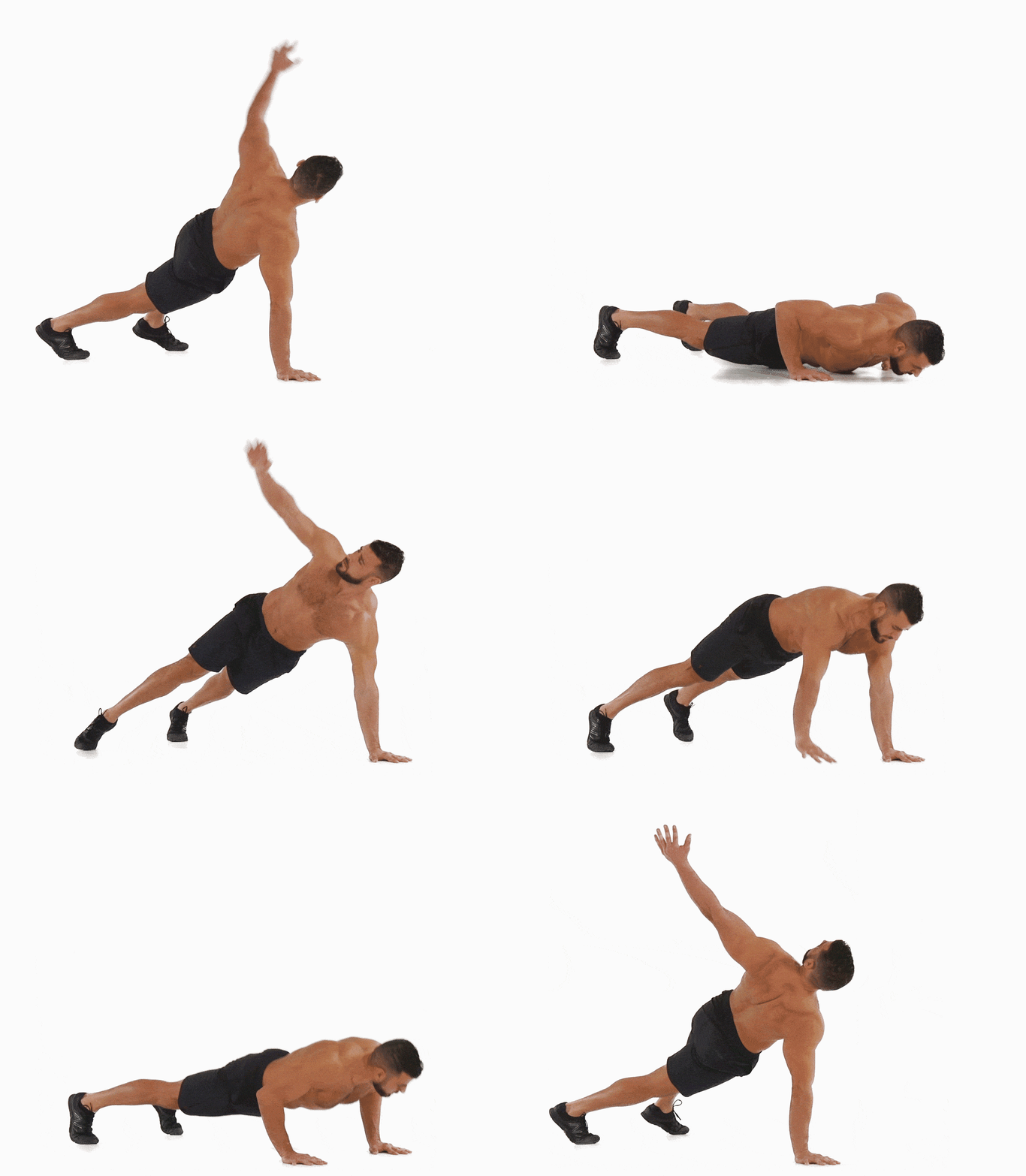
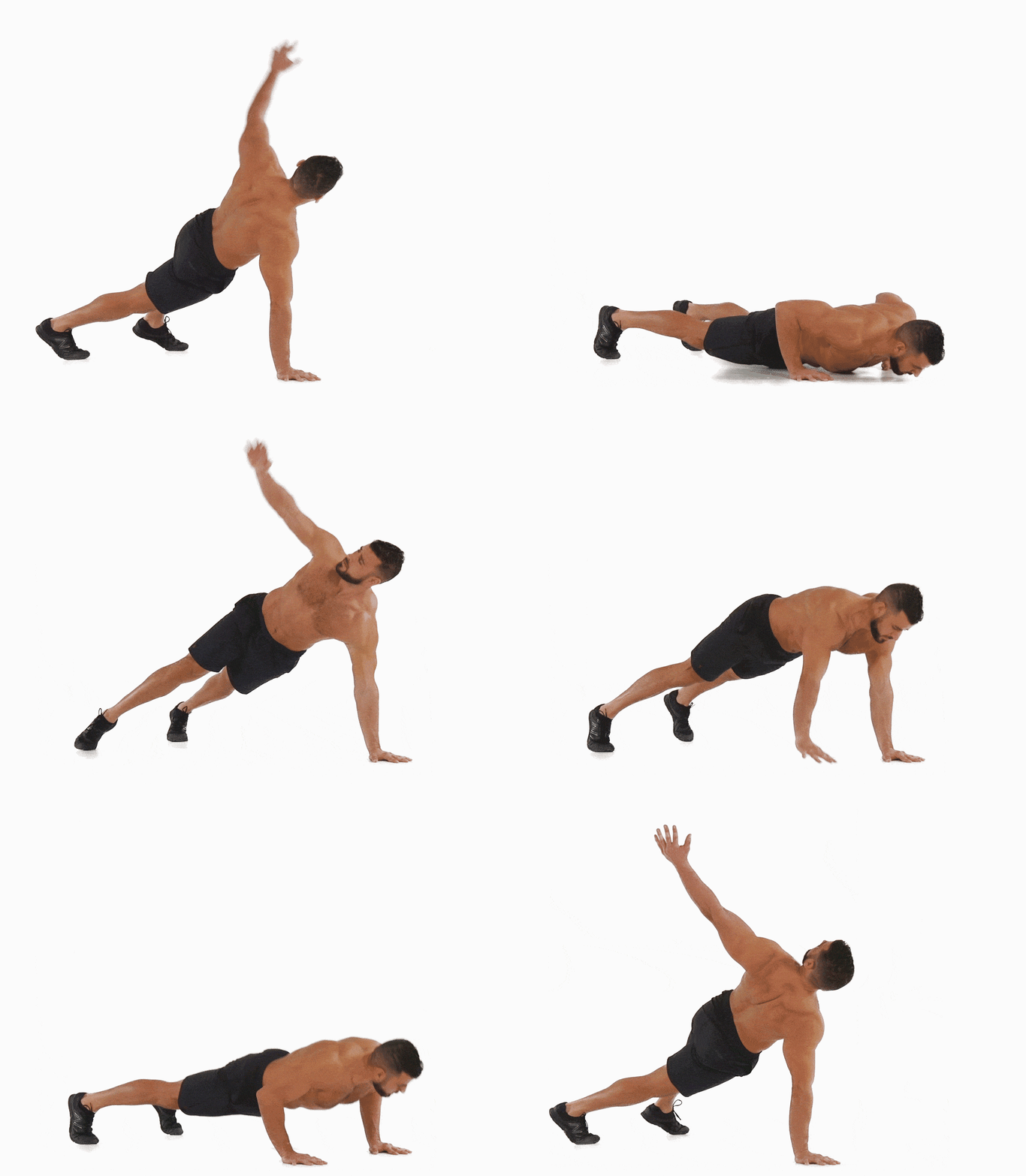
Push-Up and Rotate: This variation of the classic push-up intensifies core engagement and adds a rotational element, working the chest, shoulders, triceps, and obliques.
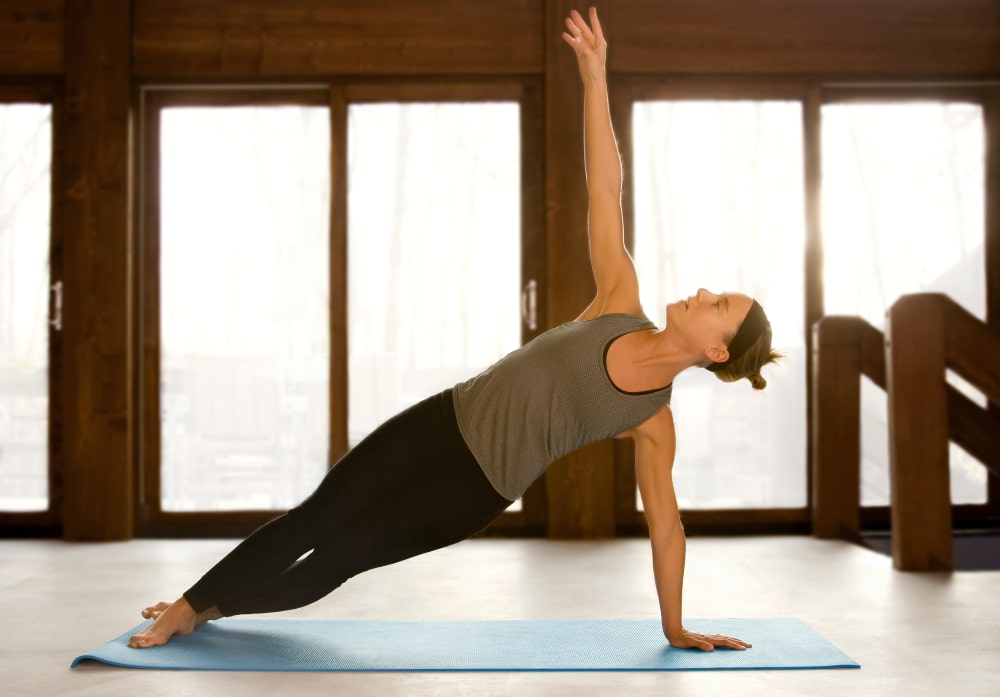
- Execution: Start in a push-up position, hands slightly wider than shoulder-width apart. Perform a push-up. As you push back up, rotate your body to one side, extending one arm towards the ceiling in a side plank position. Hold briefly, then return to the push-up position and repeat on the other side.
- Pro Tip: Keep your core tight and body in a straight line during both the push-up and rotation phases to maximize abdominal work.
-
Air Squat: The air squat is a fundamental movement that strengthens the entire lower body and core. It is highly functional and a precursor to many other complex lifts.
- Execution: Stand with feet shoulder-width apart, toes slightly pointed out. Keep your chest up and core engaged. Initiate the movement by pushing your hips back as if sitting in a chair, bending your knees. Descend until your thighs are at least parallel to the ground (or lower, if comfortable and maintaining form). Drive through your heels to return to the starting position.
- Pro Tip: Focus on maintaining a neutral spine throughout the movement. For an added challenge, perform them explosively or with a slight jump at the top.
Integrating Compound Exercises: Programming and Progression
To maximize the benefits of compound exercises, it is crucial to integrate them into a well-structured fitness program. For beginners, starting with 2-3 full-body compound workouts per week, allowing a day of rest in between, is recommended. As strength and endurance improve, the intensity can be increased through various methods:
- Increased Repetitions: Gradually performing more repetitions per set.
- Increased Sets: Adding more sets to the workout.
- Reduced Rest Intervals: Shortening the time between sets to enhance cardiovascular demand.
- Advanced Variations: Progressing to more challenging versions of exercises (e.g., jump squats instead of air squats, single-arm push-ups).
- External Load: Once bodyweight mastery is achieved, carefully introducing external resistance like dumbbells, kettlebells, or barbells under expert guidance.
A typical session might involve 3-5 sets of 8-15 repetitions for each exercise, depending on individual goals and fitness levels. The goal is to choose a number of repetitions that allows for proper form while still challenging the muscles.
The Role of Professional Guidance and Safety Precautions
While the accessibility of bodyweight compound exercises is a major advantage, proper form is paramount to prevent injury and maximize effectiveness. The complexity of multi-joint movements means that improper technique can place undue stress on joints and ligaments.
- Seek Expert Observation: The best way to ensure correct form is to work with an experienced personal trainer or coach who can observe your movements, provide real-time feedback, and teach proper techniques. They can identify potential issues before they lead to injury and help tailor a program to your specific needs and limitations.
- Start Light and Progress Gradually: For those new to exercise or specific compound movements, it is always advisable to start with lighter variations or no external weight, focusing solely on mastering the movement pattern. Gradually increase the intensity only when form is perfect. A good rule of thumb for beginners is to aim for 10-15 repetitions per exercise, ensuring the last few reps are challenging but not compromising form.
- Listen to Your Body: Pay attention to any pain signals. While muscle soreness (DOMS) is normal, sharp or persistent pain indicates a problem and requires immediate cessation of the exercise.
- Warm-up and Cool-down: Always begin with a dynamic warm-up to prepare muscles and joints for activity, and conclude with a static cool-down to aid recovery and flexibility.
Broader Impact and Implications
The growing emphasis on compound exercises has significant implications across various sectors:
- Public Health: For a society grappling with sedentary lifestyles and chronic diseases, time-efficient, highly effective workouts like those centered around compound movements offer a practical solution for improving overall health, combating obesity, and promoting longevity.
- Athletic Development: Coaches and athletes increasingly recognize compound exercises as fundamental for building sport-specific strength, power, and endurance, forming the bedrock of most athletic training programs.
- Rehabilitation and Prehabilitation: In physical therapy, compound movements are crucial for rebuilding functional strength after injury and preventing future recurrences by strengthening integrated muscle systems.
- Fitness Industry Evolution: The shift reinforces the value of knowledgeable personal trainers and evidence-based programming, moving away from fragmented, isolation-focused routines.
Frequent Questions
What Are The Best Compound Exercises For Weight Loss?
For weight loss, the most effective compound exercises are those that engage the largest muscle groups and create the greatest metabolic demand. Exercises like squats, burpees, lunges, deadlifts (even bodyweight or light versions), and push-ups are excellent choices. They burn significant calories during the workout and elevate EPOC, leading to continued calorie burn post-exercise. Integrating these into a high-intensity interval training (HIIT) format can further amplify weight loss results. The video above provides an excellent 15-minute full-body routine featuring many of these exercises.
What Are The Best Compound Exercises For The Legs?
Legs house some of the body’s largest and most powerful muscles, making compound exercises particularly effective.
- Squats (Air Squats, Goblet Squats, Barbell Squats): These are foundational, working quadriceps, hamstrings, glutes, and core.
- Lunges (Forward, Reverse, Lateral): Excellent for unilateral strength, balance, and targeting quads, hamstrings, and glutes.
- Deadlifts (Romanian, Conventional, Sumo, or Bodyweight Hip Hinge): Engage the posterior chain (glutes, hamstrings, lower back) powerfully. Even without weights, focusing on the hip hinge movement pattern is beneficial.
- Step-ups: Work the quads, glutes, and hamstrings, improving power and balance.
Incorporating a variety of these movements ensures comprehensive leg development.
What Are The Best Compound Exercises For Back Pain?
Strengthening the core and posterior chain through compound movements can significantly alleviate and prevent back pain. However, caution and proper form are paramount, especially with pre-existing pain.
- Squats (Bodyweight or Goblet): When performed with proper form, squats strengthen the lower back, glutes, and core, improving posture and spinal stability. Focus on maintaining a neutral spine.
- Deadlifts (Bodyweight or Light Dumbbells): A carefully executed deadlift, even with minimal weight or just bodyweight focusing on the hip hinge, is unparalleled for strengthening the entire posterior chain, including the erector spinae muscles in the lower back.
- Plank Variations: While not strictly multi-joint in the traditional sense, planks engage multiple muscle groups (core, shoulders, glutes) to stabilize the spine, making them highly effective for back health.
- Bird-Dog: A gentle but effective exercise for core stability and lower back strength, improving neuromuscular control without heavy loading.
- Barbell Rows (with weights): For those with no acute pain and proper form, barbell rows are excellent for strengthening the upper and mid-back muscles, crucial for posture and supporting the spine. Always start with very light weights.
It is crucial to consult a healthcare professional or physical therapist before attempting exercises for back pain.
The scientific consensus is clear: for maximum efficiency, functional strength, and holistic fitness, compound exercises are the superior choice. By understanding their mechanics, embracing their benefits, and applying them safely and effectively, individuals can unlock their full physical potential, regardless of time constraints.
Sources:
- Andrews E. (2015). 5 Compound Exercises You Should Add to Your Workout. ACE Fitness.
- Garber CE, et al. (2011). Quantity and Quality of Exercise for Developing and Maintaining Cardiorespiratory, Musculoskeletal, and Neuromotor Fitness in Apparently Healthy Adults: Guidance for Prescribing Exercise. Medicine & Science in Sports & Exercise.
- Hwang-Bo Kak, et al. (2013). The effects of sling exercise on muscle activity and pain of subjects with chronic low back pain. Journal of Physical Therapy Science.
- Kraemer, W. J., & Ratamess, N. A. (2005). Hormonal responses and adaptations to resistance exercise and training. Sports Medicine, 35(4), 339-361.
- Schoenfeld, B. J. (2010). The mechanisms of muscle hypertrophy and their application to resistance training. Journal of Strength and Conditioning Research, 24(10), 2857-2872.

