

A critical window of opportunity exists where sufficient physical activity can significantly mitigate the immediate detrimental effects of consuming an unhealthy meal, particularly those high in saturated fat and sodium. Emerging research underscores the profound and rapid impact of dietary choices on vascular health, revealing that even a single indulgence can impair artery function. However, this damage is not necessarily irreversible, as targeted exercise can offer a crucial protective buffer.
The Immediate Impact of High-Fat Meals on Arterial Function
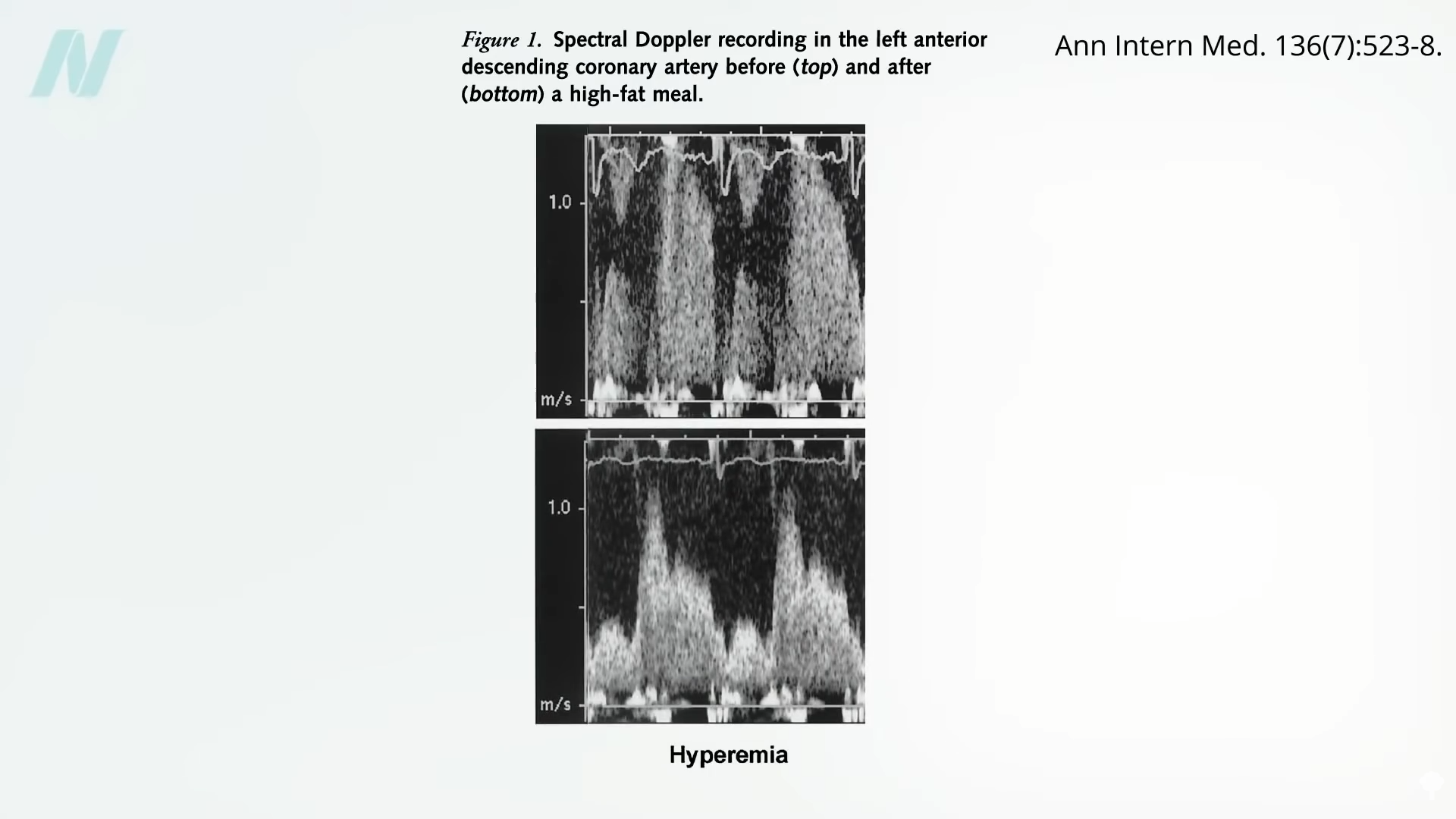
Studies have consistently demonstrated that a single meal laden with saturated fat can acutely impair artery function. While previous research has focused on the effects on peripheral arteries, such as those in the arm, the most concerning impact is on blood flow to the heart muscle itself. A compelling study randomized male participants to consume either a high-fat meal, exceeding 60% fat with half being saturated and containing cholesterol levels equivalent to more than one egg, or a low-fat meal composed primarily of carbohydrates with less than 10% fat and 50 times less cholesterol. The caloric content of both meals was matched to isolate the impact of fat composition.
The findings, visualized through Doppler recordings of the left anterior descending coronary artery – often referred to as the "widow-maker" – are stark. Prior to the high-fat meal, the artery exhibited a robust blood flow signal. However, within hours of consumption, this signal significantly diminished, indicating a constriction or reduced capacity for blood flow. This reduction was not observed in participants who consumed the low-fat meal.
The concept of "coronary flow reserve" is central to understanding this phenomenon. Coronary flow reserve refers to the capacity of the coronary arteries to dilate and increase blood flow in response to increased demand, such as during physical exertion. This reserve capacity is a critical compensatory mechanism for individuals with existing arterial blockages. Research indicates that a single high-fat meal can effectively clamp down on this reserve, hindering the heart’s ability to adapt to increased oxygen needs. This impairment of coronary flow reserve directly impacts the heart’s ability to receive adequate blood supply, particularly under stress.

Visualizing the Vascular Impact: From Coronary Arteries to Retinas
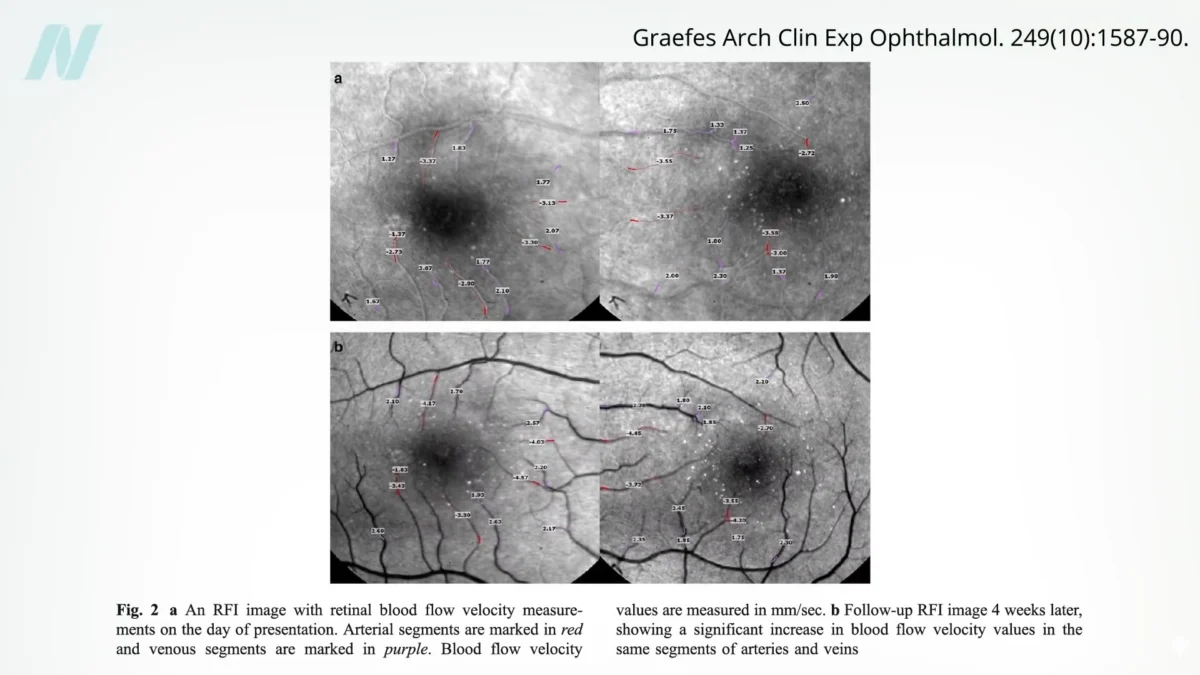
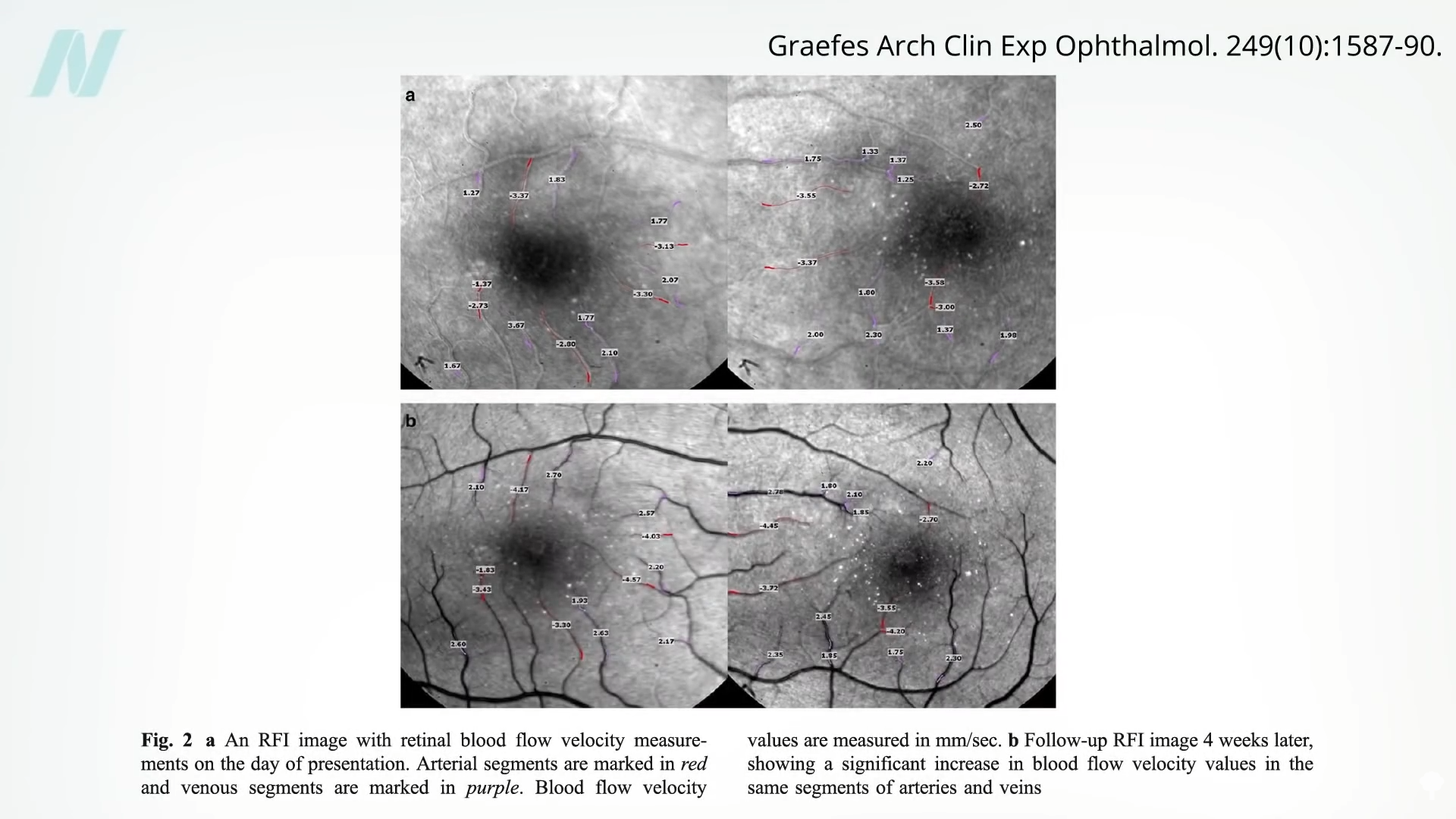
The detrimental effects of high-fat meals extend beyond the coronary arteries. In extreme cases, the impact can be observed in the microvasculature of the retina, the light-sensitive tissue at the back of the eye. Before-and-after images of a retina, taken from individuals participating in studies, vividly illustrate this point. In one striking example, the blood vessels in the retina appeared milky and opaque following a high-fat meal. This "milky" appearance is a direct consequence of high levels of triglycerides and other fats circulating in the bloodstream, transforming it into a consistency akin to a milkshake. Following dietary interventions and pharmaceutical treatment to clear the bloodstream of excess fats, the retinal blood vessels returned to a clearer, more defined state. This visual evidence provides a tangible demonstration of how dietary fat can immediately affect blood viscosity and vessel appearance.
The Role of Exercise in Counteracting Post-Meal Vascular Dysfunction
The critical question then arises: can physical activity mitigate these negative effects? Emerging evidence strongly suggests that it can, provided it occurs within a specific timeframe. Post-meal inflammation, driven by the prolonged elevation of fats in the bloodstream after a high-fat meal, is a significant contributor to increased cardiovascular disease risk. However, studies indicate that acute exercise can effectively help clear some of this excess fat from the circulation.
The beneficial effects of this acute exercise appear to be transient. To sustain the protective impact, consistency is key. Research suggests that several days without exercise can negate any short-term benefits gained from post-meal activity, regardless of an individual’s overall fitness level. The crucial window for exercise appears to be between 18 hours before the meal and approximately 90 minutes after the meal.
Quantifying the Exercise Needed: A Practical Approach
The duration and intensity of exercise required to achieve these protective effects are also being quantified. One study found that approximately one hour of moderate-intensity exercise could be sufficient. More granular research has demonstrated that even short bursts of activity can make a difference. In a study involving a high-fat McDonald’s breakfast – consisting of hash browns, eggs, pancakes, an English muffin, sausage, and a milkshake – participants who engaged in 20 minutes of stair climbing, broken into five-minute intervals every hour for four hours post-meal, experienced significantly less impairment in artery function compared to those who remained sedentary.
This hourly stair-climbing intervention not only attenuated the negative effects of the high-fat meal but also counteracted the impact of prolonged sitting. The findings suggest that incorporating easily accessible activities like stair climbing can be a valuable lifestyle strategy for preserving vascular function. This underscores a crucial point: while exercise can offer a protective mechanism, it is not a license to consume unhealthy foods without consequence. The most effective approach remains to avoid such meals altogether.
The Dual Threat: Saturated Fat and Sodium
Beyond saturated fat, the impact of excessive sodium intake on vascular health is also a significant concern. A single McDonald’s breakfast, as described above, can contain over 2,000 mg of sodium, exceeding the American Heart Association’s recommended daily limit of 1,500 mg. Even a reduction in salt intake by a third can still impair artery function within an hour of consumption, independent of any immediate rise in blood pressure.
The relationship between sodium and blood pressure is complex, with some individuals exhibiting "salt sensitivity," meaning their blood pressure responds dramatically to sodium intake, while others are considered "salt-resistant." However, it is crucial to note that high dietary sodium intake impairs artery function regardless of an individual’s blood pressure response. The transition from a low-salt diet to a high-salt diet demonstrably impairs arterial function, irrespective of salt sensitivity. This effect can be visualized through comparative images illustrating the reduced arterial function after increased sodium consumption.
Sodium’s Influence Beyond Blood Pressure
The detrimental influence of dietary salt extends beyond its impact on blood pressure. While some researchers, often funded by the salt industry, have questioned the benefits of sodium reduction, the overwhelming scientific consensus points to the contrary. The evidence strongly indicates that high sodium intake is a significant contributor to cardiovascular disease. This aligns with the understanding that saturated fat is also a primary culprit, with sodium being identified as "the real villain" in many instances, rather than the reduction of sodium itself.
Broader Implications for Public Health and Lifestyle Choices
The findings from these studies carry significant implications for public health recommendations and individual lifestyle choices. They highlight the immediate and profound impact of dietary indiscretions on cardiovascular health, emphasizing that artery function can be compromised within hours of consuming unhealthy foods. The protective role of physical activity, particularly when integrated strategically around meal times, offers a valuable tool for mitigating these risks.
However, the transient nature of exercise benefits underscores the importance of a consistent and balanced approach to diet and exercise. Relying solely on post-meal exercise to offset the effects of unhealthy eating is likely to be insufficient in the long term. The most robust protection for arterial health comes from a sustained commitment to a diet rich in whole, unprocessed foods and regular physical activity.
Looking Ahead: A Three-Part Series on Arterial Health
This article is the second in a three-part series exploring the intricate relationship between dietary fat, sodium, and arterial health. The first installment, "How a Single Meal Can Cripple Your Arteries and Lungs," delved into the initial impacts of unhealthy meals. The upcoming article, "Protect Your Arteries from Saturated Fat with These Foods," will focus on dietary strategies to bolster vascular health. For those seeking further evidence on the direct link between salt and blood pressure, resources such as "The Evidence That Salt Raises Blood Pressure" offer in-depth scientific analysis.
The research presented provides a compelling call to action. Understanding the immediate physiological responses to dietary choices empowers individuals to make more informed decisions about their health. By embracing a proactive approach that integrates mindful eating with regular physical activity, individuals can significantly enhance their chances of maintaining long-term cardiovascular well-being. The window of opportunity to mitigate damage is real, and leveraging it through consistent healthy habits is paramount.

