

The pervasive presence of ultra-processed foods in modern diets has long been a subject of concern among nutritionists and public health officials. While terms like "junk food" are commonly used to describe less healthy options such as candy, ice cream, and chips, a more precise scientific definition emerged with the concept of "ultra-processed foods." This term, developed by nutrition researchers, describes industrial formulations characterized by lengthy ingredient lists that often include additives like flavors, sweeteners, colors, and emulsifiers, in addition to basic components like salt, sugar, and fat. These additives are frequently used to imitate real foods or mask undesirable qualities of the final product. This definition closely aligns with the "red light foods" in a traffic light system for dietary guidance, where intake of such foods should be minimized.
The alarming reality is that ultra-processed foods dominate the modern food supply. In the United States, over 71% of more than 200,000 assessed food products have been classified as ultra-processed. This dominance extends beyond grocery stores, with sugary drinks and processed snacks strategically placed in non-food retailers, creating constant cues for consumption. The former head executive of Coca-Cola famously articulated this strategy, stating that soda should be kept within "arm’s reach of desire." Similarly, a major candy brand boasted about their ubiquitous placement in various retail environments, highlighting a deliberate effort to maximize consumer exposure.
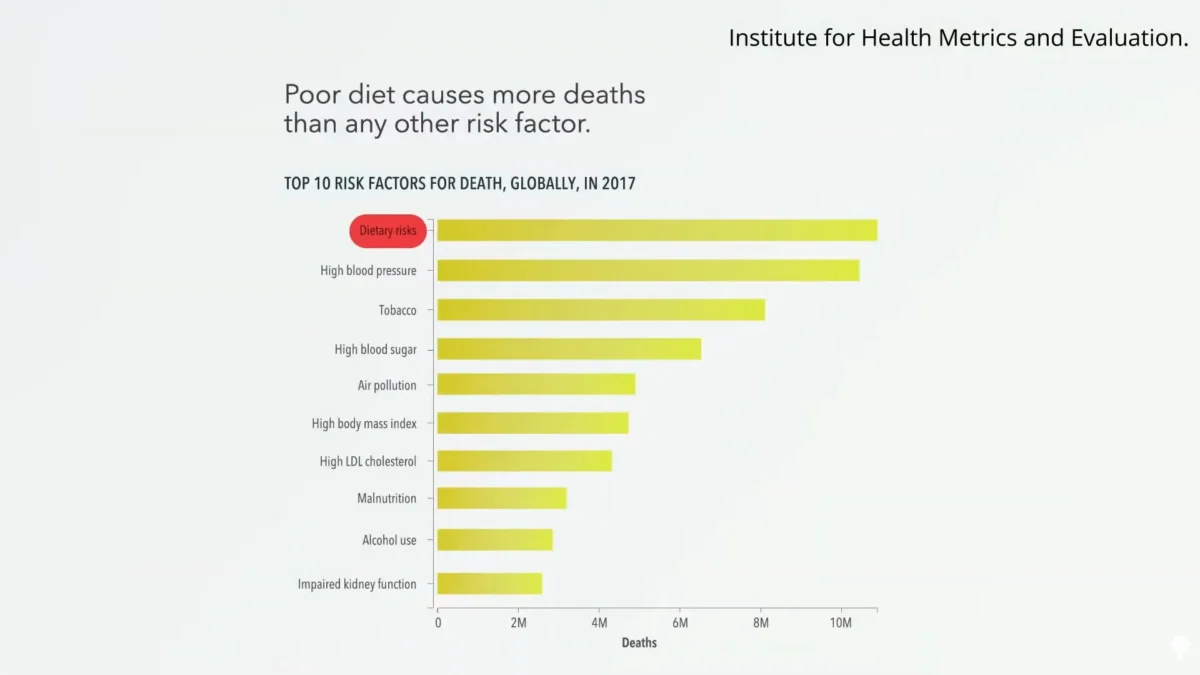
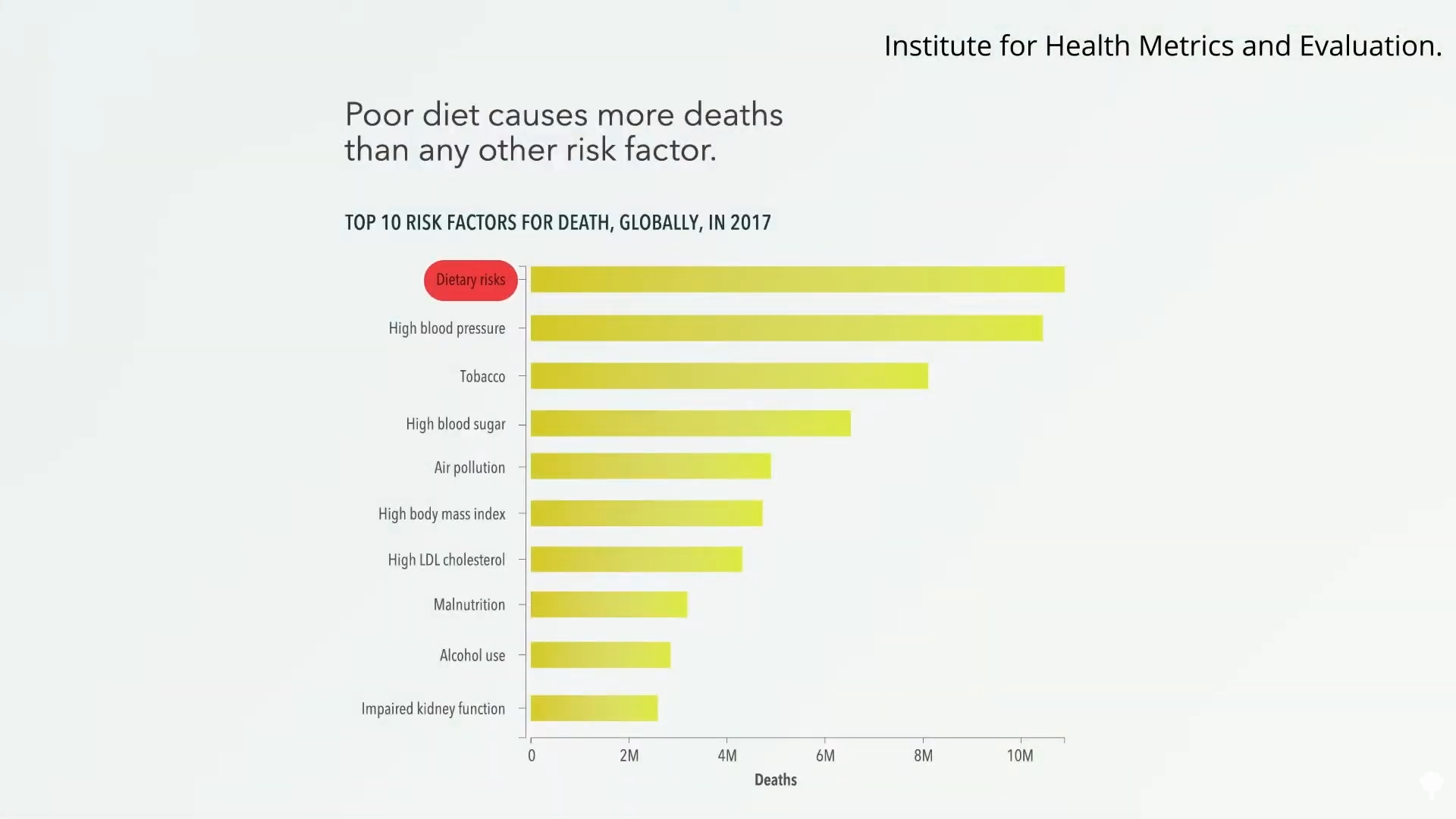
This widespread availability has led to a significant portion of diets being composed of these foods. In the United States, an astounding 56% to 70% of what children and adolescents consume daily is classified as ultra-processed. Across the globe, in higher-income countries, ultra-processed foods consistently account for over 50% of dietary caloric intake. This dietary landscape has dire consequences, with unhealthy diets identified as humanity’s greatest killer and the leading global risk factor for death.
Unraveling the Health Consequences of Ultra-Processed Diets
The biological effects of modern, highly processed diets have been studied in animal models, revealing dramatic weight gain, inflammation, and cognitive and metabolic abnormalities. Coinciding with the rise of ultra-processed foods, binge eating disorder was recognized as a new eating disorder, rapidly becoming the most common form. It is unsurprising that the foods most frequently consumed during binges are 100% ultra-processed, as they are engineered to be hyper-palatable and difficult to consume in moderation. Unlike nutrient-dense foods like broccoli, which do not typically trigger binge behavior, ultra-processed items are designed for repeated, uncontrolled consumption.
A comprehensive review of existing research indicates that approximately 90% of studies link ultra-processed food consumption to adverse health outcomes. These associations extend beyond obesity to include an increased risk of cancer, cardiovascular diseases, type 2 diabetes, irritable bowel syndrome, depression, frailty, and all-cause mortality, suggesting a reduction in lifespan. Studies focusing on youth have also identified a higher incidence of asthma and increased DNA damage in this age group. Crucially, not a single study has reported a beneficial health outcome associated with the consumption of ultra-processed foods.

In stark contrast, populations that adhere to diets rich in minimally processed foods, with low meat consumption and high fiber intake, exhibit significantly lower rates of chronic diseases, reduced obesity, and longer lifespans free from illness. However, many of these compelling findings were derived from observational studies, which, while indicative, cannot definitively establish causality. To address this critical gap in understanding, the first randomized controlled trial specifically designed to isolate the effects of ultra-processing was conducted.
The Landmark Randomized Controlled Trial: A Controlled Intervention
In a groundbreaking study published in the American Journal of Clinical Nutrition, researchers meticulously investigated the impact of ultra-processed versus unprocessed diets. The trial involved 20 participants who were admitted to a hospital ward and followed both an ultra-processed diet and an unprocessed diet for two consecutive 14-day periods. The critical innovation of this study lay in its design: both diets were precisely matched for calories, sugar, fat, fiber, and macronutrient content.
This meticulous matching was crucial to address potential criticisms and to isolate the specific impact of ultra-processing itself. Manufacturers have been known to reformulate products, attempting to improve their nutritional profiles by adding fiber or reducing sugar and fat while retaining their ultra-processed nature. The researchers aimed to disentangle the effect of the processing itself from the inherent nutritional composition of the foods.
For example, breakfast options differed significantly. During the ultra-processed weeks, participants might consume Cheerios with a muffin, or an egg and cheese muffin with turkey bacon and orange juice. In contrast, the unprocessed diet featured a breakfast of oatmeal with blueberries and almonds. While both meals provided the same overall amount of sugar and fat, the unprocessed option was composed of whole food ingredients. Similarly, lunch for the ultra-processed group might include a turkey sandwich with nonfat Greek yogurt, canned peaches, baked potato chips, and sugar-free Crystal Light Lemonade. The unprocessed alternative was a Southwest entrée salad with black beans, carrots, corn, avocados, and nuts, accompanied by grapes and apples. Participants were instructed to eat as much or as little as they desired, with the total caloric content of the provided meals being identical for both diets.
Revealing the Impact: Consumption, Weight, and the Power of Processing
The results of this pioneering trial were striking and provided empirical evidence for the detrimental effects of ultra-processed foods, even when matched for key nutritional components. On the ultra-processed diet, participants consumed approximately 500 more calories per day than when on the unprocessed diet. This increased caloric intake predictably led to weight gain, with participants gaining an average of two pounds over the 14-day period. Conversely, those on the unprocessed diet experienced an average weight loss of two pounds.
These findings unequivocally demonstrate that the problem with ultra-processed foods extends beyond their often unbalanced nutrient profiles. Simply tweaking these foods by adding fiber or reducing sugar and fat does not inherently render them healthy. The study’s implications are significant, suggesting that limiting the consumption of ultra-processed foods altogether may be a more effective strategy for improving health than relying on industry-led reformulations.
Industry Motivations and Societal Implications
The food industry’s strong preference for ultra-processed foods is largely driven by economic factors. These products are typically manufactured using inexpensive ingredients, such as taxpayer-subsidized corn syrup, which allows for substantial corporate profit margins. However, the societal cost of these profits is immense. While the food industry generates over a trillion dollars annually, a significant portion of global healthcare expenditures is dedicated to treating chronic diseases, such as diabetes and heart disease, which are exacerbated by the consumption of these very foods. This creates a scenario where society may be losing far more in healthcare costs than the food industry gains in profits.
The industry often argues that advising people to avoid ultra-processed foods is "unrealistic" in today’s fast-paced society, citing time constraints and the difficulties associated with preparing meals from scratch. However, critics contend that this stance perpetuates propaganda and disinformation campaigns that have influenced consumer choices for decades. The argument that healthy foods cannot be convenient is challenged by the accessibility and simplicity of whole foods like apples, which require no preparation and offer significant nutritional benefits.
A Call for a Paradigm Shift in Dietary Habits
The discourse surrounding processed foods has been shaped by influential figures. Dr. Robert Lustig, in an essay on processed food as a failed experiment, highlighted a concerning trend: "One-third of American mothers today don’t even know what real food is or how to cook; they and their children are destined to remain hostages to the processed food industry." While this statement has been criticized for its potential to blame mothers, it underscores a critical need for increased nutritional literacy and culinary skills. The prescription offered – "real food, which is low in sugar and high in fiber" – points towards a necessary paradigm shift.
Expert Commentary and Further Research
The implications of this landmark trial are far-reaching. Nutritionists and public health advocates are emphasizing the need for greater awareness and education regarding the impact of ultra-processed foods. The study provides robust scientific evidence to support public health initiatives aimed at reducing the consumption of these products. Further research is warranted to explore the long-term effects of ultra-processed diets and to investigate effective strategies for promoting healthier eating patterns in diverse populations. The findings of this randomized controlled trial serve as a critical reminder that the true cost of ultra-processed foods extends far beyond their price tag, impacting individual health, healthcare systems, and societal well-being.
Doctor’s Note on Processed Foods and Solutions
The findings underscore that the detrimental health effects of processed foods are not surprising. The role of processed foods in the obesity epidemic is well-documented, and this trial provides critical insight into the mechanisms driving this phenomenon. The solution, as evidenced by the study, lies in actively cutting back on calorie-rich and processed foods. This involves a conscious shift towards whole, minimally processed foods that are naturally lower in sugar and higher in fiber. Education on identifying and preparing such foods is paramount to empowering individuals to make healthier choices. This research reinforces the importance of a return to fundamental nutritional principles, emphasizing whole foods as the cornerstone of a healthy diet.

