

The conversation surrounding weight and health is often fraught with misunderstanding and, regrettably, significant bias. While the immediate focus might be on diet and exercise, a growing body of research suggests that the pervasive issue of weight stigma—discrimination and prejudice based on body size—plays a critical, and often detrimental, role in a complex cycle of health challenges. This report delves into the multifaceted impacts of weight stigma, exploring its contribution to stress, avoidance of healthy behaviors, adverse health outcomes, and the deeply ingrained societal attitudes that perpetuate this cycle.
The Escalating Stress of Stigma
Research indicates that while dieting alone may not significantly alter stress hormone levels, extreme measures like total fasting can dramatically increase cortisol, a key stress hormone. However, a more insidious pathway to elevated stress, directly linked to body weight, is the experience of weight stigma. A longitudinal study tracking thousands of individuals over four years revealed a startling correlation: those who reported experiencing discriminatory behavior related to their weight were more than twice as likely to become obese. This suggests that stigma isn’t merely a byproduct of obesity but a potential contributing factor. For individuals who were already obese at the study’s outset, experiencing weight-based discrimination more than tripled their likelihood of remaining in that weight category compared to their non-discriminated peers of the same initial weight.
This phenomenon can be understood through a dual lens of behavioral responses. On one hand, the stress induced by stigma can lead to stress-eating, a coping mechanism that can disrupt energy balance. On the other hand, the social pressure and fear of judgment can lead to what is termed "stigma-induced exercise avoidance." Individuals who experience weight stigma often report a profound reluctance to engage in physical activity in public spaces, driven by feelings of embarrassment and the perception of being constantly judged. This "too fat to exercise" fear is not unfounded, as studies have documented significant anti-fat biases among fitness professionals and regular gym-goers, potentially creating an unwelcoming environment within health and fitness facilities. This creates a feedback loop where the fear of judgment discourages exercise, potentially leading to further weight gain, which in turn exacerbates the fear and stigma.
Health Consequences Beyond Weight
The ramifications of weight stigma extend far beyond its impact on weight status. Individuals who frequently experience weight-based discrimination report a cascade of negative health consequences that are independent of any additional weight gain. These include elevated levels of depression, increased inflammation throughout the body, heightened oxidative stress, and a demonstrably shorter lifespan. Two substantial studies, collectively following nearly 20,000 people, found approximately a 50% increase in mortality risk among those who reported experiencing greater daily discrimination. These findings strongly suggest that weight discrimination may not only affect quality of life but also significantly shorten life expectancy.
Despite this mounting evidence of harm, some scholars have controversially advocated for the use of social pressures, a form of what has been termed "stigmatization lite," to encourage weight loss. The argument posited is that such social pressures, akin to the successful campaigns against tobacco, could counter the immense advertising power of the food and beverage industries. The former President Emeritus of the Hastings Center, for instance, recalled personal experience where social shaming and public disapproval were as persuasive in prompting him to quit smoking as health concerns. He noted that public health campaigns successfully transformed smoking from a "bad habit" into "reprehensible behavior."

The Controversial Efficacy of Stigmatizing Campaigns
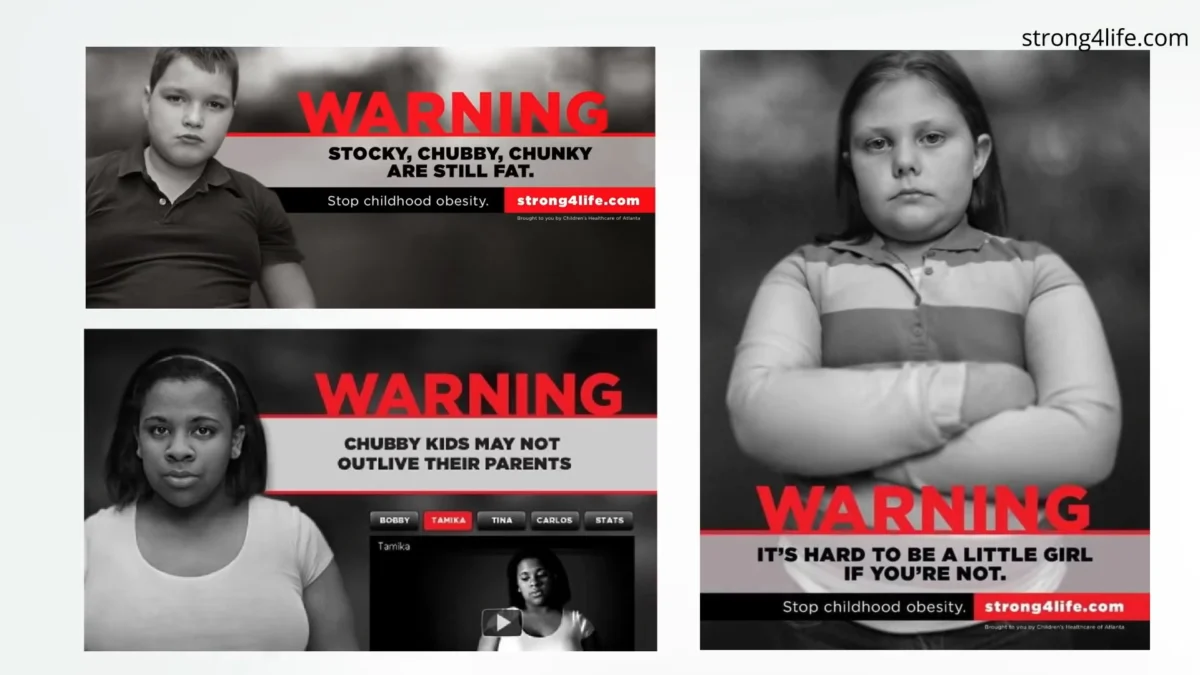
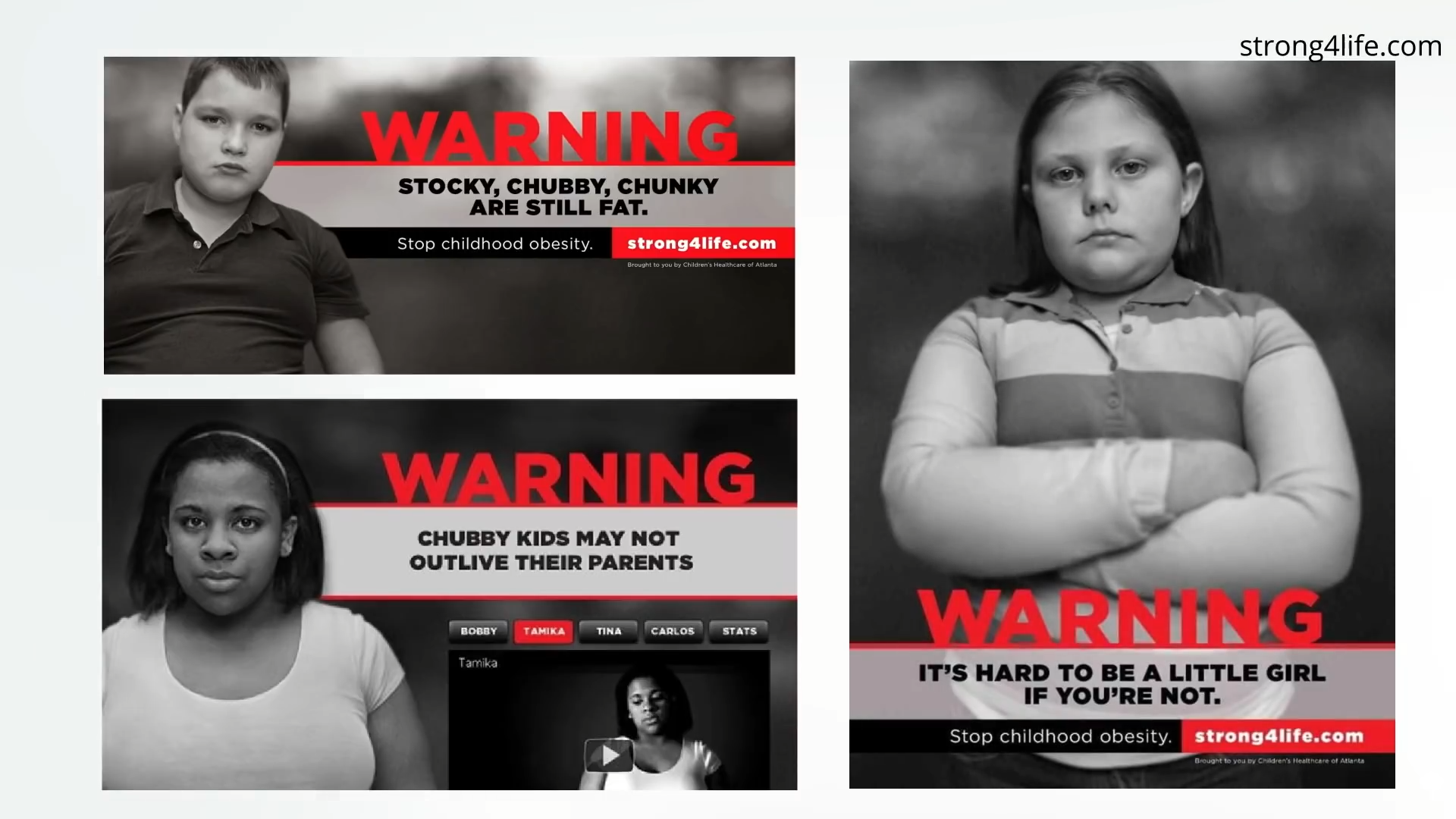
However, attempts to replicate such stigmatizing campaigns for obesity have met with significant resistance and have shown questionable efficacy. A notable example is Georgia’s "Strong4Life" campaign, which featured billboards displaying images of obese children with stark captions like "Warning: Chubby kids may not outlive their parents" or "It’s hard to be a little girl if you’re not." While campaign sponsors defended these ads as a necessary measure to break through denial in a state with high childhood obesity rates, their effectiveness remains a subject of debate. Such strategies are only justifiable if they yield positive results, a premise that appears to be challenged by subsequent research.
Yale researchers conducted a compelling study that illuminated the counterproductive nature of weight stigma. In this experiment, normal-weight women were provided with snacks after watching either stigmatizing videos (depicting clumsy, loud, or lazy stereotypes being teased about their weight) or neutral control videos (insurance commercials). They consumed similar amounts of snacks regardless of the video content. In stark contrast, when overweight women viewed the same two sets of videos, they tripled their calorie intake after watching the stigmatizing scenes. This phenomenon directly challenges the notion that pressure to lose weight through stigma acts as a positive motivator. The researchers concluded that such approaches could, in fact, exacerbate the problem, making matters worse. The association between being labeled "too fat" in childhood and a higher risk of future obesity, even when controlling for initial weight, further supports the idea that stigmatizing messages can be counterproductive.
The Reluctance to Address Weight and the Patient’s Right to Know
Adding another layer to this complex issue is the reluctance of some healthcare professionals to directly address weight concerns with patients. Similar to how veterinarians may hesitate to inform owners about their pets’ obesity, fewer than a quarter of parents of overweight children report being told by pediatricians about their child’s weight status. This reticence is compounded by the fact that parents are often poor judges of their children’s weight, and the public’s perception of their own weight has remained relatively stagnant despite skyrocketing obesity rates. Gallup surveys have highlighted this disconnect, describing it as a "mass delusion in the United States about its rising weight."
Despite this hesitancy, evidence suggests that patients have a right to be informed and that such information can be empowering. Studies have shown that individuals informed by their doctor about being overweight are approximately four times more likely to attempt weight loss and twice as likely to succeed. This underscores the potential role of healthcare providers as crucial allies in weight management efforts.
The reluctance to discuss weight can also be influenced by the physicians’ own weight status. Just as smoking physicians may be less likely to counsel their smoking patients on cessation, overweight physicians may be less inclined to initiate conversations about weight loss or even document obesity in patient records. Ironically, overweight patients often express greater trust in weight loss advice from overweight doctors compared to those of normal weight. However, a significant gap exists in the practical guidance provided by primary care physicians. A survey revealed that fewer than half of surveyed physicians reported offering specific weight management advice, with many resorting to vague directives like "watch what you eat." Furthermore, many physicians cited inadequate reimbursement as a barrier to dedicating more time to weight management, suggesting that systemic issues within healthcare may hinder effective patient care in this area.
A Human Perspective: The True Cost of Obesity
To truly grasp the profound impact of living with obesity, a study explored the lived experiences of individuals who had successfully lost and maintained significant weight loss. Researchers interviewed 47 men and women who had shed an average of 126 pounds, having previously been morbidly obese. They were presented with a hypothetical scenario: would they choose a couple of million dollars to remain morbidly obese forever, or would they opt for a normal weight regardless of financial gain?
The overwhelming majority—46 out of 47 participants—instantly chose the latter, stating they would forgo the money to achieve a normal weight. Not a single participant chose the option that would allow them to remain morbidly obese, even for substantial financial gain. This highlights the deep-seated desire for a different physical existence, often driven by the profound challenges and suffering associated with obesity.
The study then delved deeper, asking participants to compare their experience of obesity to other disabilities. Typically, when asked to choose between living with their own disability or switching to another, people demonstrate a strong preference for their existing condition due to familiarity. However, the formerly obese individuals in this study exhibited the exact opposite response. Every single participant stated they would rather live with deafness, dyslexia, diabetes, severe acne, or heart disease than be obese. More than 90% indicated a preference for having a leg amputated, and a similar proportion would rather be legally blind than be obese.
This remarkable finding suggests that obesity is uniquely perceived as the most undesirable handicap, with nearly everyone expressing a desire to switch to a different condition, regardless of the perceived severity. One poignant quote from the study encapsulates this sentiment: "When you’re blind, people want to help you. No one wants to help you when you’re fat." This statement powerfully illustrates the profound social isolation and lack of support often experienced by individuals with obesity, contrasting sharply with the empathy often extended to those with other visible disabilities. These findings underscore the urgent need for greater understanding, compassion, and evidence-based approaches to address weight-related issues, moving away from blame and towards support.
Doctor’s Note
This report is part of a broader examination of weight bias in healthcare, building upon previous discussions and drawing insights from extensive research, including the comprehensive work presented in "How Not to Diet." The implications of weight stigma extend beyond individual health, influencing societal attitudes and healthcare practices. Addressing this pervasive bias is crucial for fostering a more supportive and effective environment for individuals seeking to improve their health and well-being.

