

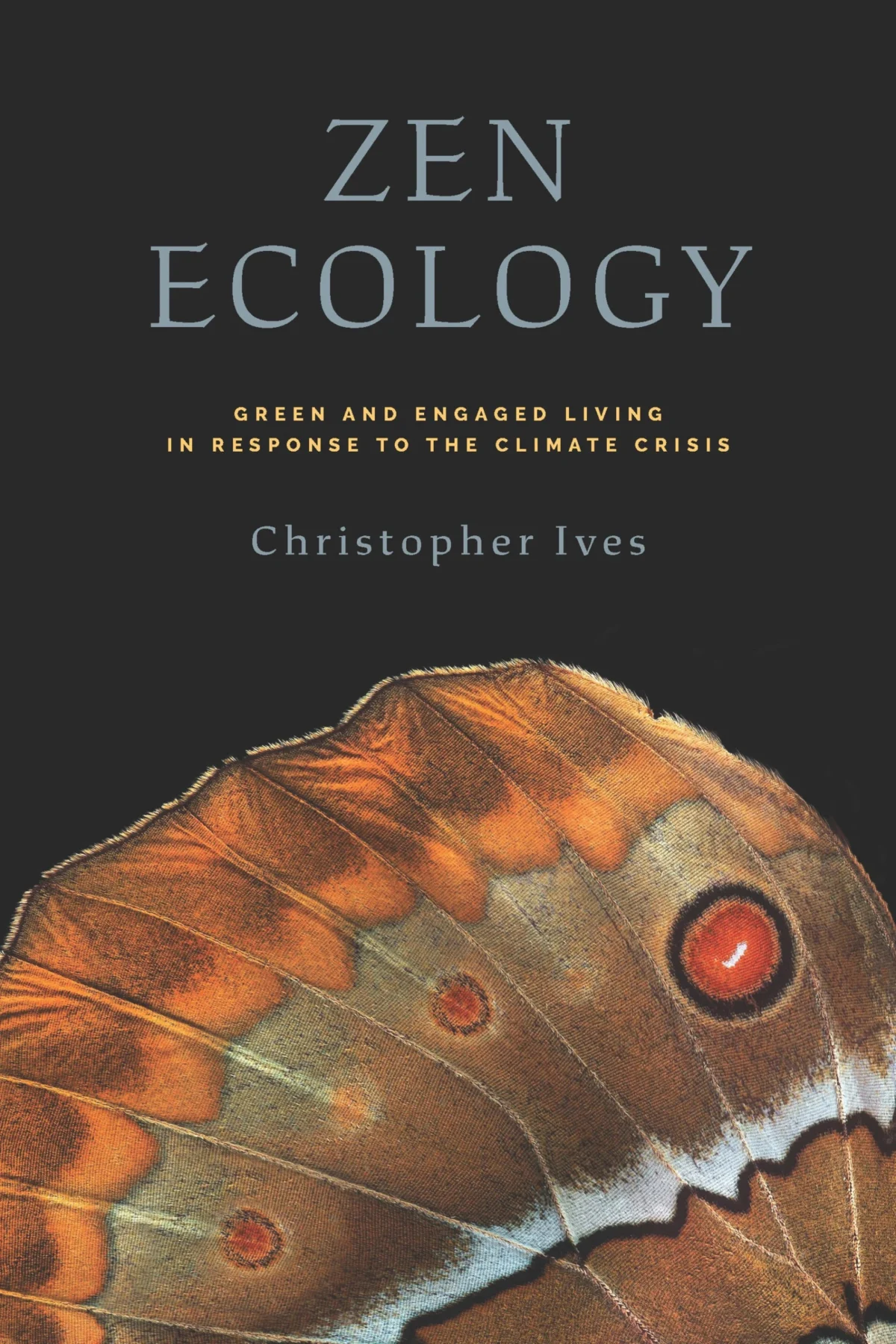
The modern human condition, characterized by increasing geographical mobility and a pervasive disconnection from the natural world, necessitates a profound reevaluation of our relationship with place. This essay explores the concept of "reinhabitation," as articulated by thinkers like Gary Snyder and Daniel Wildcat, advocating for a deliberate and informed return to local ecosystems and communities as a crucial response to environmental degradation and the existential challenges of the 21st century.
The Erosion of Place and the Rise of Disconnection
Gary Snyder, a poet and environmental activist, defines reinhabitation as the process by which individuals consciously detach from the logic of industrial societies and re-establish deep connections with the land. This return, he suggests, is often driven by a rational and scientific understanding of ecological interconnectedness and planetary limits. However, for the vast majority of people, the lived experience stands in stark contrast to this ideal. Our days are predominantly spent indoors, captivated by screens, and largely detached from the intricate natural systems that sustain us. This detachment fosters a significant "sense of place," leading to a population that is often geographically mobile in pursuit of education, employment, and personal relationships, yet ultimately feels dislocated and displaced.
Snyder articulates this problem with sharp clarity: "One of the key problems in American society now, it seems to me, is people’s lack of commitment to any given place—which . . . is totally unnatural and outside of history. Neighborhoods are allowed to deteriorate, landscapes are allowed to be strip-mined, because there is nobody who will live there and take responsibility; they’ll just move on." This transient existence, where local environments are seen as disposable commodities rather than cherished homes, contributes to the degradation of both natural and social landscapes.
Daniel Wildcat, an Indigenous scholar, places this disconnection within a broader historical context, albeit a recent one. He observes that in our increasingly mobile world, "fewer and fewer people have tangible lifeway relationships to the places in which they live. Humankind’s diets, clothing, dwellings, and everyday lives are increasingly shaped by social forces such as corporations and marketers that attempt to transcend the unique features of the peoples and places of the planet." This homogenization, driven by global capitalism, creates a "monolithic global consumer culture" that renders the unique characteristics of local landscapes irrelevant. The consequence of this displacement is a diminished awareness of critical environmental issues, such as the decline of pollinators, the scarcity of songbirds, and the proliferation of insect-borne diseases, all of which are interconnected with broader patterns of climate disruption.
Reinhabitation: A Path Towards Ecological Engagement
In response to this pervasive disconnection, Snyder, drawing from a rich tapestry of experiences including his rural upbringing, extensive wilderness immersion, Zen monastic practice, regional commitment to the Sierra Nevada, and deep respect for Indigenous traditions, offers a compelling vision for a more grounded existence. His philosophy advocates for discerning "the web of the wild world" and forging "intimate contact with the real world, the real self." This resonates with Zen principles, emphasizing our inherent non-duality with the world. However, Snyder notes that our mobility and mental estrangement from nature have rendered us "an unsettled and disenfranchised people."
The author’s personal reflection underscores this sentiment. A childhood deeply connected to a specific riverside locale, marked by intimate engagement with its flora and fauna, stands in contrast to a subsequent three decades of frequent relocation. This period, characterized by a lack of deep knowledge of local watersheds and limited community involvement, highlights the challenge of maintaining an ecological connection when one is constantly in transit. While fleeting moments of natural intimacy were experienced, the author acknowledges the limited scope of this engagement.
The path forward, as suggested by Snyder, involves a commitment to "turn back to the land, back to place," and to do so with enduring intention. His counsel is direct: "First, don’t move, and second, find out what that teaches you." This sustained presence allows for a deeper understanding and appreciation of a locale. Furthermore, it necessitates a profound respect for the land’s "great antiquity—its wildness—learn it—defend it—and work to hand it on to the children (of all beings) of the future with its biodiversity and health intact." The author’s own decision to remain in a semi-urban condominium, foregoing the perceived appeal of a rural property and the environmental impact of wood heating, exemplifies this conscious commitment to place and its associated ecological considerations.
Bioregional Awareness: The Foundation of Reinhabitation
Central to the concept of reinhabitation is the development of "bioregional awareness." This involves understanding how our homes are situated within specific ecosystems, watersheds, and bioregions. It moves beyond a generalized "love of nature" or a desire to "be in harmony with Gaia," emphasizing instead that our relationship with the natural world is fundamentally place-based and must be grounded in concrete information and direct experience. Snyder defines this as needing to "really know what the complete natural world of your region is and know what all its interactions are and how you are interacting with it yourself." Charles Strain interprets this as an emphasis on "the practice of mindful concentration, samadhi, refocused as the kind of attention to the detailed variations of climate and soil, to what will flourish and what will not in this place."
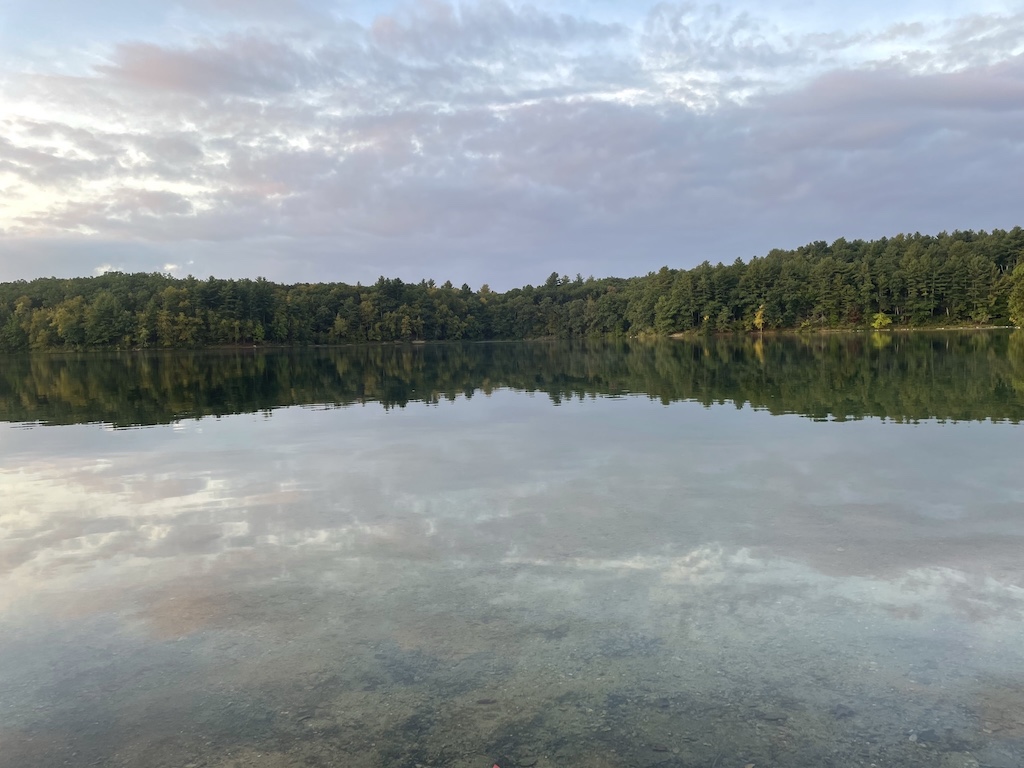
This detailed understanding requires delving into the geological history beneath our dwellings, comprehending the composition of bedrock and soil. Even a limited understanding, such as the author’s knowledge of the glacial history of the Boston area and the formation of Walden Pond, serves as a starting point for appreciating the deep time and natural processes that have shaped the landscape.
Learning from Indigenous Knowledge and Historical Context
Crucially, the process of reinhabitation for non-Native individuals involves learning from Indigenous peoples. These communities possess rich, complex knowledge systems cultivated through generations of enduring connection to land, waterways, animals, and all forms of life. Their ancestral ways of being in these places offer invaluable insights into sustainable living and ecological stewardship. Snyder highlights Indigenous peoples as "a great instructor in certain ways of tuning into what the climatic cycles, plant and animal communities, can tell us of where we are." Daniel Wildcat echoes this sentiment, stating that "Tribal lifeways can remind us of the imperative to reconstitute a life-enhancing nature-culture nexus in the places where we live."
For white Americans whose ancestry is rooted in colonial settlement, acknowledging the history of displacement and land appropriation is an essential component of reinhabitation. This involves confronting the genocidal past that has shaped the present landscape and recognizing the ongoing impact of these historical actions.
Practical Steps Towards Reconnection
Beyond historical and cultural understanding, reinhabitation demands a practical engagement with our local environments. This includes understanding the hydrological cycles of our regions, as exemplified by Scott Russell Sanders’ suggestion to "forget zip codes and consider where rain goes after it falls outside our windows." The author’s experience with the Charles River in Watertown, Massachusetts, and the recurring issue of sewage contamination, illustrates how local environmental challenges can directly impact recreational activities and community well-being.
Furthermore, we must learn how our local ecosystems change with the seasons, how land is utilized and potentially damaged within our towns and cities, and how local governance addresses these issues. Identifying the local flora and fauna, from insects in our backyards to the trees lining our streets, fosters a deeper appreciation for the intricate web of life that surrounds us.
The Broader Implications of Reinhabitation
The concept of reinhabitation, as explored by Snyder and Wildcat, offers a powerful framework for addressing the multifaceted environmental and social crises of our time. It moves beyond abstract environmentalism to advocate for a tangible, place-based approach to ecological responsibility. By fostering a deep understanding of and commitment to our local environments, individuals can become more effective stewards of the planet.
The implications of widespread reinhabitation are far-reaching:
- Enhanced Environmental Resilience: Communities deeply connected to their local ecosystems are more likely to recognize and respond effectively to environmental threats, from climate change impacts like extreme weather events to biodiversity loss.
- Strengthened Social Fabric: A shared commitment to place can foster stronger community bonds, encouraging collective action on local environmental issues and promoting social cohesion.
- Shift in Economic Models: A focus on local sustainability could drive the development of localized economies that are less reliant on global supply chains and more attuned to regional resource availability and carrying capacities.
- Personal Well-being: Reconnecting with nature has been shown to have significant benefits for mental and physical health, reducing stress and promoting a sense of purpose and belonging.
- Informed Policy and Governance: Increased bioregional awareness can lead to more effective and context-specific environmental policies at local and regional levels.
The journey of reinhabitation is not a romantic retreat from modernity but a pragmatic and ethical imperative. It calls for a conscious shift in perspective, moving from a consumerist, transient lifestyle to one of deep engagement, responsibility, and care for the places we inhabit. In doing so, we not only contribute to the health of the planet but also rediscover our own intrinsic connection to the natural world and to each other.
© 2025 by Christopher Ives, Zen Ecology: Green and Engaged Living in Response to the Climate Crisis. Reprinted by arrangement with Wisdom Publications.

