

Media narratives surrounding meditation and mindfulness predominantly highlight their celebrated benefits: stress reduction, enhanced happiness, and improved focus. These claims, bolstered by a growing body of scientific research and amplified by ubiquitous apps, books, and popular culture, have propelled these practices into mainstream consciousness. However, as meditation’s reach expands, so too do reports from practitioners whose experiences diverge starkly from this idealized portrayal. For a significant, yet often unacknowledged, segment of practitioners, meditation can precipitate profound distress, including the resurfacing of trauma, nervous system dysregulation, and severe mental health crises. Compounding these challenges is a pervasive confusion and uncertainty about where to find adequate support.
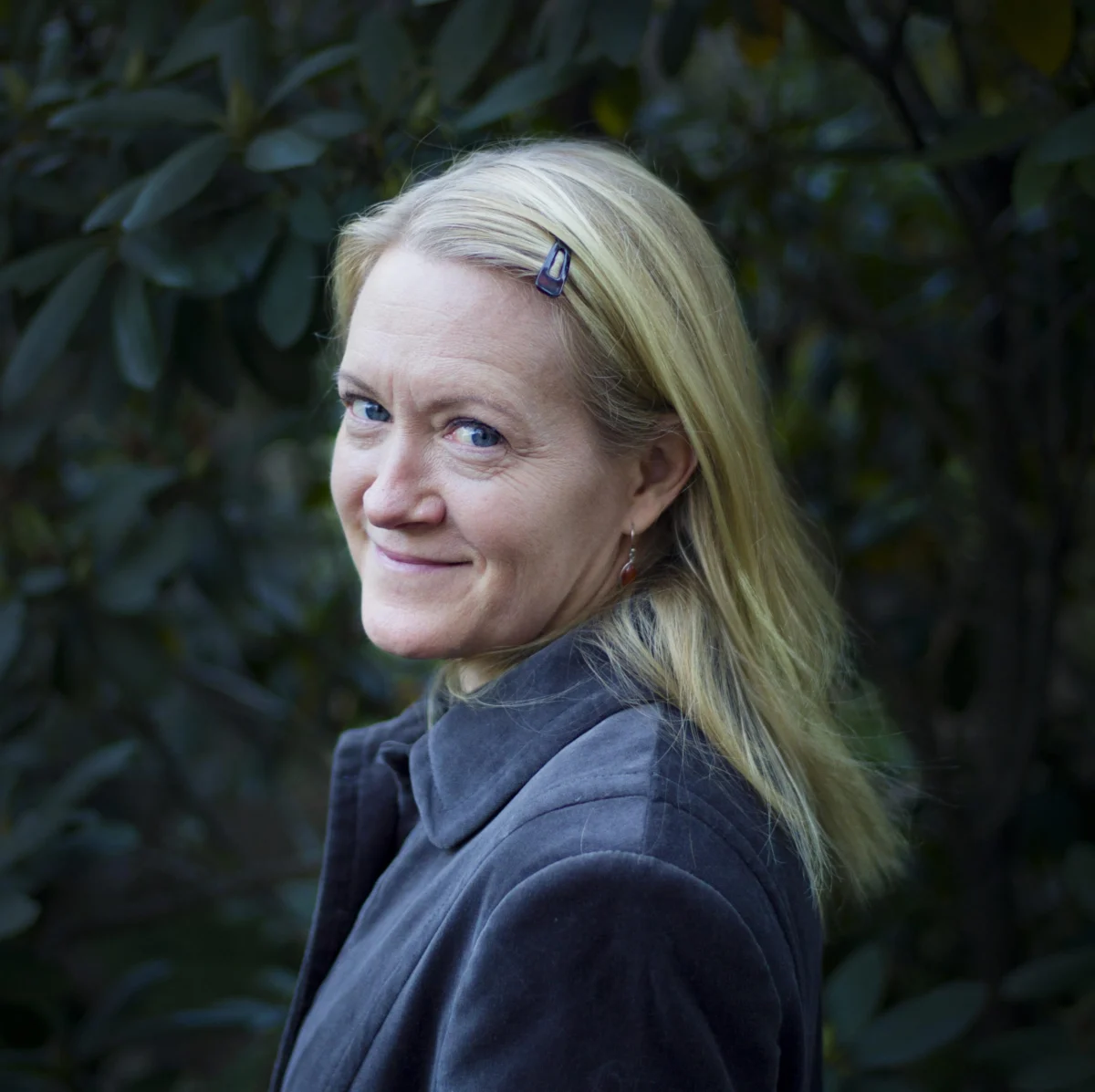
This emerging landscape of complex meditative experiences is the focus of Dr. Willoughby Britton’s decade-long research, advocacy, and clinical work. A faculty member at Brown University and director of the Clinical and Affective Neuroscience Laboratory, Dr. Britton is a leading figure in the field, notably as a senior author of the landmark study, "The Varieties of Contemplative Experience." Her commitment to addressing these challenges extends beyond academic research; she is also the founder of Cheetah House, a nonprofit organization dedicated to providing peer support and consultation for meditators in distress, alongside offering educational resources for clinicians and meditation teachers.
In a recent discussion, Dr. Britton elaborated on the evolution of her research and how it informs the person-centered model guiding her work at Cheetah House.
The Genesis of a Critical Inquiry: From Personal Trauma to Scientific Exploration
Dr. Britton’s journey into researching meditation was deeply personal, stemming from a profound childhood trauma. "When I was in college, one of my closest childhood friends killed herself with a hunting rifle, and I was the one who found her," she recounted. This experience led to significant personal distress, including anxiety and what she believes was PTSD. Her father’s introduction to Jack Kornfield’s "A Path with Heart" provided a decade-long "recovery manual" that she utilized well into graduate school. This early immersion in contemplative practices, coupled with an academic drive to contribute meaningfully, fueled her research aspirations. Her master’s thesis on the neural correlates of near-death experiences, which garnered media attention, underscored her desire for research to have a more direct impact on helping others.
In 2004, her focus shifted to the very practices that had aided her own recovery. "I was curious to understand how meditation affected the brain," she explained, noting the limited existing research at the time. Her participation in the inaugural Mind & Life Summer Research Institute in 2004 proved pivotal. This program aimed to equip the next generation of meditation researchers with rigorous methodologies and biological endpoints. Dr. Britton received a grant to conduct a clinical trial measuring meditation’s effects using polysomnography, the gold standard for sleep measurement.
The findings, however, were unexpected and counterintuitive. Instead of demonstrating benefits for sleep, the data indicated that meditation contributed to increased cortical arousal, more awakenings, faster brainwave activity, and reduced deep sleep. This discovery challenged prevailing assumptions. A casual conversation with a meditation teacher at the time offered a stark contrast to her scientific findings: "I don’t know why you psychologists are always trying to make meditation into a relaxation technique. Everyone knows that if you meditate a lot, you sleep less." This comment, she recalled, "festered like a splinter" and became the primary impetus behind her seminal study, "The Varieties of Contemplative Experience."
The "Varieties of Contemplative Experience": Unveiling Diverse Outcomes
Published in 2017, the "Varieties of Contemplative Experience" study marked a significant departure from the monolithic portrayal of meditation. It illuminated the fact that meditation is not a "one-size-fits-all" practice, highlighting how context and individual predispositions can lead to a wide spectrum of outcomes. The study’s impact was immediate and profound. "When the first paper from the study was published, the research lab at Brown received hundreds of calls from meditators in distress," Dr. Britton stated.
This influx of urgent pleas for help highlighted a critical gap in existing support systems. Recognizing that academic labs were ill-equipped to function as crisis hotlines, Dr. Britton founded Cheetah House. "Cheetah House was founded to be the service arm of the lab," she explained. Over time, this initiative evolved into an online community providing evidence-based information and support, staffed by individuals who had themselves experienced and recovered from meditation-related challenges. These peer supporters undergo rigorous training, offering a unique blend of lived experience and structured guidance.
The Spectrum of Distress: From Hyperarousal to Psychosis
The types of experiences that lead individuals to seek help at Cheetah House are varied and can be deeply unsettling. "Usually, people reach out to Cheetah House because they can no longer meditate," Dr. Britton observed. This often manifests as hyperarousal symptoms—anxiety, panic attacks, and emotional flooding—accompanied by secondary challenges like insomnia and involuntary body movements. "The majority of people I see have these symptoms; they’ve lost their system of self-regulation."
A less common, but more severe, category of experiences includes dissociation, characterized by a profound sense of alienation from one’s own experience, and perceptual distortions of the external world. These can be accompanied by hyperreflexivity, an obsessive monitoring of symptoms, and existential confusion, leading to cognitive impairment and difficulties with decision-making and intuition.
The most acute cases fall within the psychosis spectrum, including manic symptoms, delusion-like ideation, and full-blown psychosis. Dr. Britton reports seeing one to two such cases per month, often involving parents reaching out on behalf of their children who are in crisis, frequently stemming from intensive retreat settings. These situations often necessitate immediate hospital intervention, underscoring the critical need for informed support.
Understanding Causality: When Practice Becomes Problematic
The connection between meditation practice and these distressing experiences can be subtle or pronounced. Dr. Britton noted that "sometimes, as people increase their practice, the symptoms become more pronounced. If they back off, the symptoms diminish." This correlation, where symptoms directly follow the trajectory of practice, is a key criterion for establishing causality. Intensive practice, particularly during retreats or teacher training programs, is a common factor among those seeking help.
Historical Context and the "Purification" Narrative
Difficulties encountered during meditation are not a new phenomenon. Buddhist traditions, for instance, have long documented such experiences. In Zen, the term "meditation sickness" exists, while Tibetan Buddhism often attributes these issues to imbalances, such as rlung (a wind disorder). In these frameworks, intense emotional states can be intentionally evoked, and difficulties are sometimes framed as necessary stages on the path, even signs of spiritual progress.
Trauma is a particularly contentious example. "If you have trauma, you’ll do anything to get rid of it," Dr. Britton explained. Meditation can be presented as a means to "purify" trauma, leading practitioners to be encouraged to continue meditating even when flooded with traumatic memories, as this is interpreted as a sign of purification and spiritual advancement.
This "purification narrative" is cross-cultural and intuitively compelling, with roots in Western philosophy, medicine, and psychoanalysis. From Hippocrates and Galen’s prescriptions for releasing "blocked humors" to Freud’s theory of catharsis, the idea that bringing repressed emotions to the surface signifies progress is deeply ingrained. However, Dr. Britton cautioned, "People may view such difficulties as purification, but they can also be a sign of becoming very destabilized."
The Role of Teachers and Community: Navigating the Labyrinth
In research examining how meditation teachers determine whether a practitioner should continue, modify, or cease their practice, a variety of criteria are employed, including the duration of distress, the intensity of suffering, and functional impairment. However, Dr. Britton highlighted a lack of consensus, with teachers drawing these lines differently. The interpretation of these experiences is often filtered through cultural, psychological, and religious frameworks, making the distinction between genuine spiritual progress and harmful destabilization a long-standing philosophical debate.
At Cheetah House, the focus has shifted from these abstract debates to the immediate reality of an individual in crisis. "Our work focuses on the individual in crisis and the kind of support they need," Dr. Britton emphasized. This person-centered approach involves asking simple yet powerful questions like, "What would be helpful for you right now?" This, however, is contingent on the expertise and sensitivity of the person asking.
"The Teacher Matters": A Double-Edged Sword
Dr. Britton’s recent paper, "The Teacher Matters," underscores the critical role of meditation instructors in navigating these challenges. The study found that teachers were simultaneously rated as the most helpful and the most harmful factor influencing a meditator’s ability to overcome difficulties.
Helpful teachers were characterized by warmth, empathy, and availability. Conversely, unhelpful or harmful teachers were described as unavailable, inattentive, lacking knowledge of meditation-related challenges, dismissive, or invalidating. Harmful teachers often blamed the meditator for their difficulties or offered generic advice like "keep sitting" or "just observe." The crucial distinction, Dr. Britton noted, "often comes down to whether teachers recognize and respond to the distress, rather than treating it as just something to be pushed through."
Furthermore, the social and cultural compatibility between student and teacher significantly impacts outcomes. A shared understanding of interpersonal dynamics, practice goals, and issues of authority can foster positive results, while differing worldviews can impede effective support. Another study indicated that a meditator’s relationships within a community and with their teachers were more predictive of mental health changes (both positive and negative) than the type or duration of their practice. These findings carry significant implications for meditation teacher training programs.
Cheetah House: A Sanctuary for the Disoriented
Meditation-related challenges can be profoundly isolating. Individuals often feel like the sole experiencers of such difficulties, hesitating to voice their doubts or concerns for fear of backlash. The notion that meditation can have negative consequences is frequently dismissed, or such experiences are downplayed as rare. This can leave practitioners feeling alone with struggles that others cannot comprehend, receiving little to no support.
"People come to Cheetah House with a complex mix of emotions," Dr. Britton described. There is often a deep attachment to a practice that once felt like a close confidant, yet has now betrayed them. This creates a bewildering dilemma: approach or avoid? This internal conflict can lead to significant nervous system dysregulation. "Speaking with someone who understands can be deeply validating," she stated. "Simply realizing that they’re not alone brings a huge sense of relief."
The Peer Support Model: Healing Through Shared Experience
The Care Team members at Cheetah House are integral to its mission. Each member has personally experienced and recovered from a meditation-related crisis. Their diverse backgrounds encompass various therapeutic modalities, academic training, and extensive experience in contemplative practices. "All of our bios and credentials are on the website," Dr. Britton noted, allowing individuals to choose consultants based on their comfort and perceived fit.
The peer-support model at Cheetah House was developed from reflections on what was missing in their own recovery journeys—what they wished had been different from their teachers, communities, and clinicians. This approach prioritizes scaffolding, boundary setting, and gently inquiring into assumptions and worldviews. All team members receive training in active listening and a person-centered approach, empowering individuals to navigate their situations according to their own values.
A Person-Centered Approach: Empowering Agency and Autonomy
The person-centered approach is central to Cheetah House’s philosophy. It respects each meditator’s definitions of well-being and harm, as well as their personal goals for practice. This aligns with trauma-informed care principles, fostering a sense of empowerment, agency, and autonomy.
Dr. Britton cited a 2018 study by Thomas Anderson and Norman Farb on meditation anchors. Participants who chose their preferred anchor (breath, mantra, or visualization) exhibited lower heart rates and greater relaxation compared to those using a non-preferred anchor, who showed increased heart rates and stress responses. Promoting choice, she argued, is a straightforward way to support a person-centered approach and optimize the fit between practice and practitioner.
However, meditators may not always recognize their inherent choices, especially if they have adopted external perspectives. Guiding individuals toward greater autonomy is part of a broader process of meaning-making, cultivating agency, and defining their relationship with contemplative practices. The ultimate aim is for the meditator to be "in the driver’s seat," controlling the direction, pace, and stops along their contemplative journey.
Resources for Exploration and Growth
Cheetah House offers a range of resources for individuals seeking new ways to engage with contemplative practice. Support groups provide a collective space for those who have faced meditation-related challenges, fostering a sense of shared experience and offering diverse perspectives. A lecture series featuring researchers and scholars discussing meditation studies and related topics is available as online courses for continuing education. The "Letters to My Former Self" series, featuring individuals who have recovered from meditation crises, offers invaluable insights into what they wish they had known and what they learned on their paths.
Dr. Britton also developed MyMap (My Meditation Assessment Process), a course designed to help individuals assess their meditation practices and goals. This involves documenting various practices and color-coding their effectiveness, facilitating the identification of beneficial approaches and ensuring alignment with personal objectives. Mapping one’s relationship with contemplative practices over time is crucial, as a once-beneficial practice may cease to be a good fit.
For meditation teachers and clinicians, Cheetah House provides one-on-one consultations and on-demand courses, many of which are utilized by meditation centers for teacher training. These resources aim to equip professionals with the knowledge and skills to better manage meditation-related challenges in their students and clients.
The Future of Meditation Research and Support
Looking ahead, Dr. Britton is collaborating on a large multinational project investigating the unanswered questions from "The Varieties of Contemplative Experience." This research, involving 800 participants, aims to provide more precise information on risk factors and their interactions. A particular focus is on social responses to meditation-related difficulties—how these challenges are appraised and managed, and how these responses influence the meditator’s overall trajectory.
Cheetah House is also expanding its training capacity, with plans to offer a practicum where meditation teachers and clinicians can observe and assist Care Team members in real-time. The overarching goal is to cultivate a culture within meditation communities that acknowledges and understands both positive and challenging experiences.
"Like an engineer building a bridge, I see my role as paying close attention to potential problems or weak points, so that everything is safer and stronger," Dr. Britton stated. Her dedication to the meditation space and its participants is driven by a desire to make it "accountable and beneficial to the widest possible range of people." Embracing the diversity of responses to contemplative practices, she concluded, is the essential first step toward creating a more supportive and beneficial environment for all. This involves a deliberate effort to amplify voices that have historically gone unheard.

