

Last summer, a profound personal transformation began, not through choice, but through the demanding realities of enduring long-term treatment for incurable brain cancer and epilepsy. The arduous medical interventions, a necessary battle against formidable diseases, unexpectedly reshaped my identity and my capacity to engage with the world. Stripped of the physical abilities that once defined my daily life, I found myself grappling with a fundamental question: Who am I without the work I loved, without the familiar roles I played in my family’s life? The inability to drive and pervasive exhaustion meant I could no longer offer the practical, everyday support that had been a cornerstone of my contributions. My body was undergoing a rigorous recovery from months of chemotherapy and radiation, a process that left me physically vulnerable and emotionally adrift, caught between the person I had been and the emerging individual I was beginning to discover.
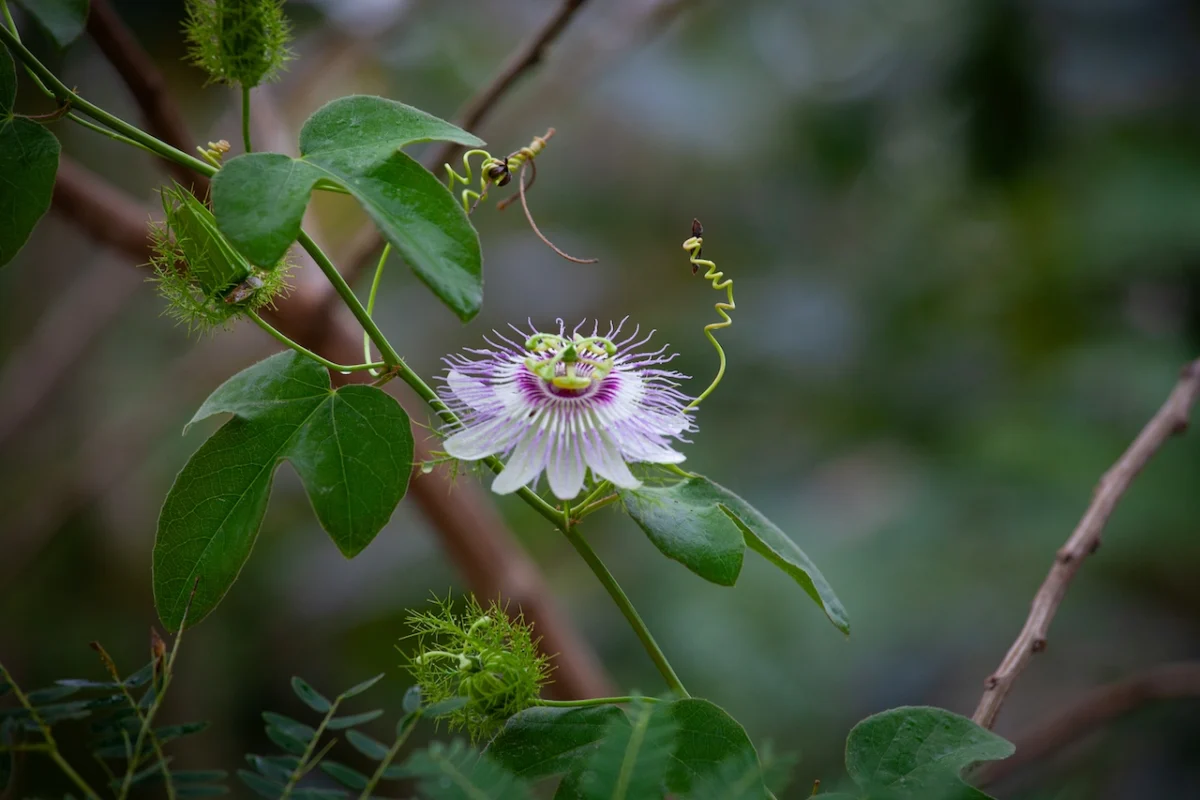
This period of intense physical and emotional recalibrization, while challenging, also offered an unexpected gift: time. Time to rest, to simply be, and to deepen a daily practice of mindful observation. From the quiet sanctuary of my sunroom, I began to witness the intricate tapestry of my garden, a space that became a powerful metaphor for my own unfolding journey. My attention was particularly captivated by the passionflower vine, its wild and untamed growth a stark contrast to the manicured order of the rest of my yard. This vine, seemingly modest, became a vibrant ecosystem, attracting a remarkable array of life.
The Passionflower Vine: A Microcosm of Survival and Transformation
The passionflower vine, with its Latin binomial Passiflora incarnata, is a native perennial vine that thrives in the southeastern United States. Its sprawling nature, often described as "messy and wild," can dominate an entire section of a garden, yet its ecological significance far outweighs its perceived lack of formal structure. Last summer, this vine became a focal point, drawing dozens of caterpillars, specifically the spiny red-and-black Gulf fritillary (Agraulis vanillae), a species intricately linked to this particular host plant.
The visual impact of these caterpillars, clinging tenaciously to the vine’s tendrils and leaves, was striking. Their appearance, admittedly, seemed almost threatening with their vibrant coloration. Yet, witnessing their transformation over several weeks into the brilliant orange Gulf fritillary butterflies that subsequently graced my yard was a profound experience. This metamorphosis, a hallmark of the insect world, served as a potent symbol of change and renewal.
The scientific resilience of the passionflower vine is as remarkable as the beauty it fosters. Its leaves contain potent cyanide-based compounds, a natural defense mechanism that renders them toxic to most herbivores. However, the Gulf fritillary caterpillars have evolved a unique adaptation. They consume these toxic leaves, storing the poison within their own bodies. This sequestration of toxins makes them unpalatable to predators, effectively turning the vine’s defense into the caterpillar’s protection. This symbiotic relationship highlights a delicate balance: the vine tolerates these specialist feeders, allowing them to complete their life cycle, while simultaneously deterring other potential threats.
As the season progressed, the passionflower vine also produced its signature fruit, known as the maypop. This green capsule, upon ripening, bursts open, scattering seeds that ensure the continuation of the vine’s presence. Birds, squirrels, and other wildlife play a crucial role in this dispersal, carrying the fruit and spreading the seeds across the landscape, perpetuating the vine’s cycle of life and growth. The maypop’s fruit, therefore, mirrors the profound cycles of survival and transformation witnessed in the caterpillars’ metamorphosis, embodying a continuous process of renewal and adaptation.
Navigating the Aftermath: A Personal Metamorphosis
The parallels between the passionflower’s ecological narrative and my own lived experience were undeniable. Like the caterpillars ingesting the vine’s toxins, my body was navigating the residual effects of chemotherapy, a powerful medicine that, while life-extending, also left its indelible mark. The fatigue, brain fog, joint pain, gastrointestinal issues, and memory challenges were the tangible consequences of this toxic treatment. Yet, amidst these lingering effects, a new capacity for engagement was emerging. I was able to resume activities like walking, practicing yoga, and hiking, and I began to explore new creative avenues.
One such pursuit was pottery lessons. This endeavor was characterized by a departure from rigid instruction and a embrace of intuition. It was a process marked by initial failures, persistent experimentation, and a profound sense of being present in the moment, even as the movements were slow, awkward, and imperfect. This creative exploration mirrored the broader theme of embracing imperfection and finding value in the process itself, rather than solely in the outcome.
This shift in focus underscored a fundamental reorientation in my perspective. The constant drive to "do" was gradually yielding to an emphasis on "being." The simple act of savoring a morning cup of coffee, despite its potential to aggravate heartburn, became a ritual of appreciation. Opening the sunroom doors to listen to the birdsong, or dedicating afternoons to reading and rest, represented a conscious choice to inhabit the present moment, rather than to constantly strive for future accomplishments. This inversion from a life defined by action to one centered on presence was a direct consequence of my altered circumstances.
The Paradox of Healing: Carrying the Mark of Treatment
The passionflower vine’s ability to harbor the poison that protects its specialist caterpillars offered a profound insight into the paradoxical nature of my own healing. The same compounds that would harm other creatures became integral to the caterpillars’ survival. Similarly, chemotherapy, while a harsh intervention, was a paradoxical medicine. It extended my life but also left its physical and emotional imprint. I carried the effects of the treatment, but from these experiences, adaptations and a new form of resilience began to emerge.
This period of introspection resonated deeply with the teachings of Thich Nhat Hanh, particularly his insights on impermanence and transformation. In his work, No Death, No Fear, he writes, "When conditions are sufficient things manifest. When conditions are no longer sufficient things withdraw. They wait until the moment is right for them to manifest again." Observing the intricate dance of the passionflower, the feeding caterpillars, their butterfly metamorphosis, and the surrounding web of life, I recognized that transformation is not always immediate or obvious. Some changes begin subtly, beneath the surface of our awareness, long before we can fully comprehend their significance.
Interbeing and the Cycles of Change
The inclination to view my current situation as an "ending" – an end to productivity, a loss of identity, a diminishment of wellness – was a powerful fear that loomed large last summer. However, Thich Nhat Hanh’s teaching of interbeing offered a profound counterpoint. It illuminated how perceived endings are often integral parts of larger cycles of change, emphasizing the impermanent, interdependent, and continuously transforming nature of all phenomena. A caterpillar is not separate from the butterfly it will become; neither is the butterfly distinct from its larval past. Both are inextricably linked to the passionflower vine, which provides both sustenance and protection. This interconnectedness served as a powerful reminder that endings are not absolute but rather transitions within a larger, dynamic process.
A year has passed, and the passionflower vine is once again beginning to assert its presence in my yard. A close examination of its leaves reveals the familiar tell-tale signs: small holes, evidence that the caterpillars have returned to feed. While I have not yet witnessed their physical presence, the impact of their activity is already visible, a silent testament to the ongoing cycles of nature.
A New Season of Uncertainty and Hope
My own life has also entered a new season, one marked by renewed hope and continued uncertainty. My epilepsy is currently well-controlled, allowing me to regain the independence of driving and to re-engage in supportive roles within my family. My body has had time to recover from the acute intensity of treatment, though the lasting effects remain a part of my daily reality.
However, recent medical scans have revealed that the brain tumor is showing signs of growth, introducing a fresh layer of unpredictability into my future. The path ahead is unwritten, and the possibility of further treatment, new limitations, or a period of continued stability all remain open questions.
Waiting and Practicing Compassion in the Face of Uncertainty
Every four months, I await the results of my scans, a ritual that brings with it the potential for significant news – whether the tumor remains slow-growing or if conditions have shifted to necessitate additional interventions. The garden, however, serves as a constant reminder that change is an inherent aspect of existence. Some transformations are overt and rapid; others unfold beneath the surface, imperceptible until they become undeniable. Each scan represents a threshold, a potent reminder of impermanence and the delicate balance of conditions that sustain my life in this present moment.
During these periods of anxious waiting, I find solace and strength in the practice of tonglen, a Buddhist meditation technique of "giving and receiving." As I sit with my eyes closed, I breathe in not only my own fear but also the fear and suffering of those around me in the waiting room. I envision absorbing the collective anxiety of the woman with her daughter, the man staring blankly at the television, the technicians moving with practiced efficiency. As I exhale, I imagine sending back feelings of steadiness, love, and ease. In these moments, the perceived boundaries between individuals dissolve. Just as the caterpillar is inseparable from the vine that nourishes it, I am not separate from those sharing this experience. Our fears are interconnected, and so too is the compassion that can envelop them.
Embracing the Unfolding Narrative
The garden continues to teach me that possessing knowledge of one part of a story does not equate to understanding the whole. I can observe the holes in the passionflower leaves, clear evidence of the caterpillars’ recent activity, but I cannot predict what will emerge next. My mind often attempts to race ahead, to write the ending of my own narrative. This tendency, a protective mechanism, seeks to anticipate future losses and prepare for challenges that have not yet materialized. The fear of pain, of losing hard-won healing, and of losing loved ones, is a palpable reality. Yet, the garden consistently reminds me that the narrative is still unfolding. I can sense that change is underway, but its form remains unknown.
Life, in its intricate and miraculous interconnectedness, continues its course. Each scan, each morning spent in the garden, each moment of mindful observation, presents another opportunity to practice resilience and presence. Like the passionflower vine, like the hidden caterpillar among its leaves, I am a part of a process that transcends my full comprehension. I do not know how I will ultimately emerge, nor what future conditions will arise. For now, my focus is on tending to what is present in this moment, allowing life to unfold as it is, and remaining open to whatever comes next. This approach fosters a profound sense of acceptance and a quiet strength, allowing me to navigate the uncertain seasons of my life with a spirit of enduring hope and continuous adaptation.

