

A critical window of opportunity exists for individuals to counteract some of the physiological damage induced by consuming an unhealthy meal, primarily through physical activity. Recent scientific investigations highlight that while a single meal rich in saturated fat can impair arterial function, timely exercise can serve as a potent mediator of these negative effects. This understanding is crucial for public health messaging, emphasizing proactive lifestyle choices to safeguard cardiovascular health.
The Immediate Impact of High-Fat Meals on Arterial Function
Studies have consistently demonstrated the adverse effects of a single, high-fat meal on the vascular system. Previously, research indicated that such meals could impair artery function in men, as measured in the arm. However, a more significant concern arises from the impact on blood flow specifically to the heart muscle.
In a randomized controlled trial, male participants were assigned to consume either a high-fat meal, comprising over 60% fat with half being saturated and containing cholesterol equivalent to more than an egg, or a low-fat meal primarily composed of carbohydrates with less than 10% fat and 50 times less cholesterol. The researchers observed a marked difference in the physiological responses to these meals.
Doppler Imaging Reveals Impaired Coronary Blood Flow
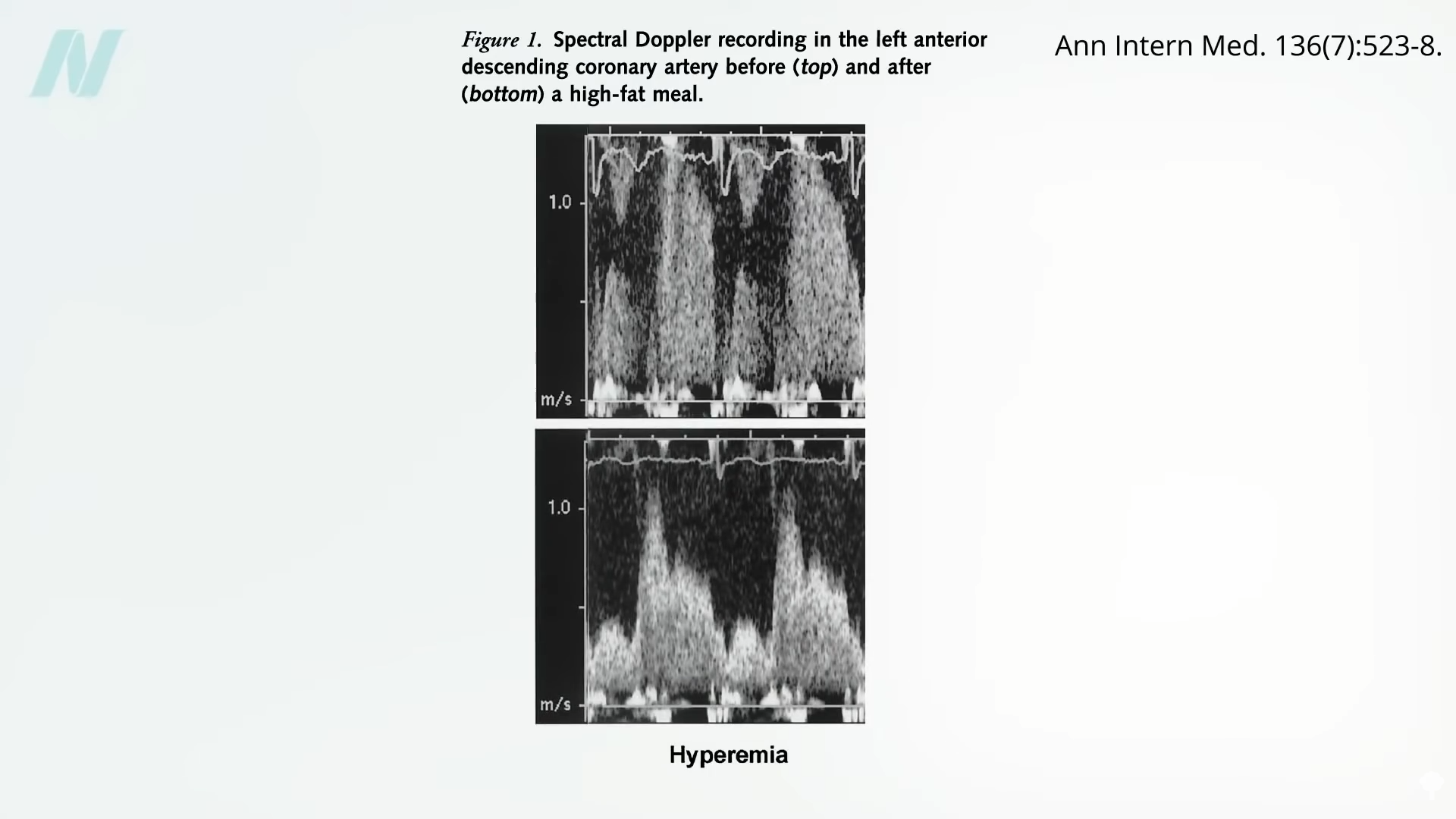
Visual evidence from Doppler recordings of the left anterior descending coronary artery, often referred to as the "widow-maker" due to its critical role, starkly illustrates this impact. Prior to the high-fat meal, the Doppler signal indicated strong, unobstructed blood flow. Within hours of consuming the high-fat meal, this signal was significantly diminished, indicating a constriction or reduced capacity of this vital artery. This effect was not observed after the consumption of the low-fat meal, even when both meals contained the same caloric content.

The term "coronary flow reserve" refers to the capacity of the coronary arteries to dilate and increase blood flow in response to increased demand. This reserve mechanism is essential for the heart’s ability to compensate for blockages or other conditions that compromise blood supply. The research demonstrated that this crucial coronary flow reserve was significantly reduced within hours of ingesting a high-fat meal. This impairment undermines the heart’s inherent ability to adapt and maintain adequate blood flow, thereby increasing cardiovascular risk.
Visible Manifestations of Impaired Blood Flow
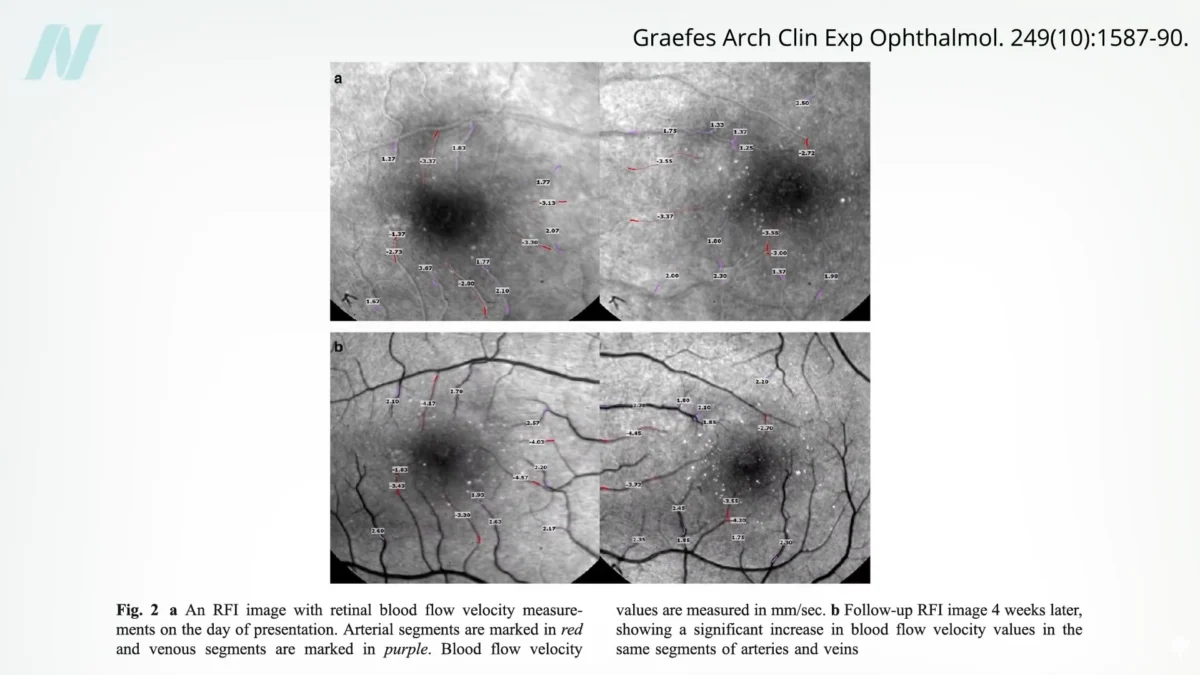
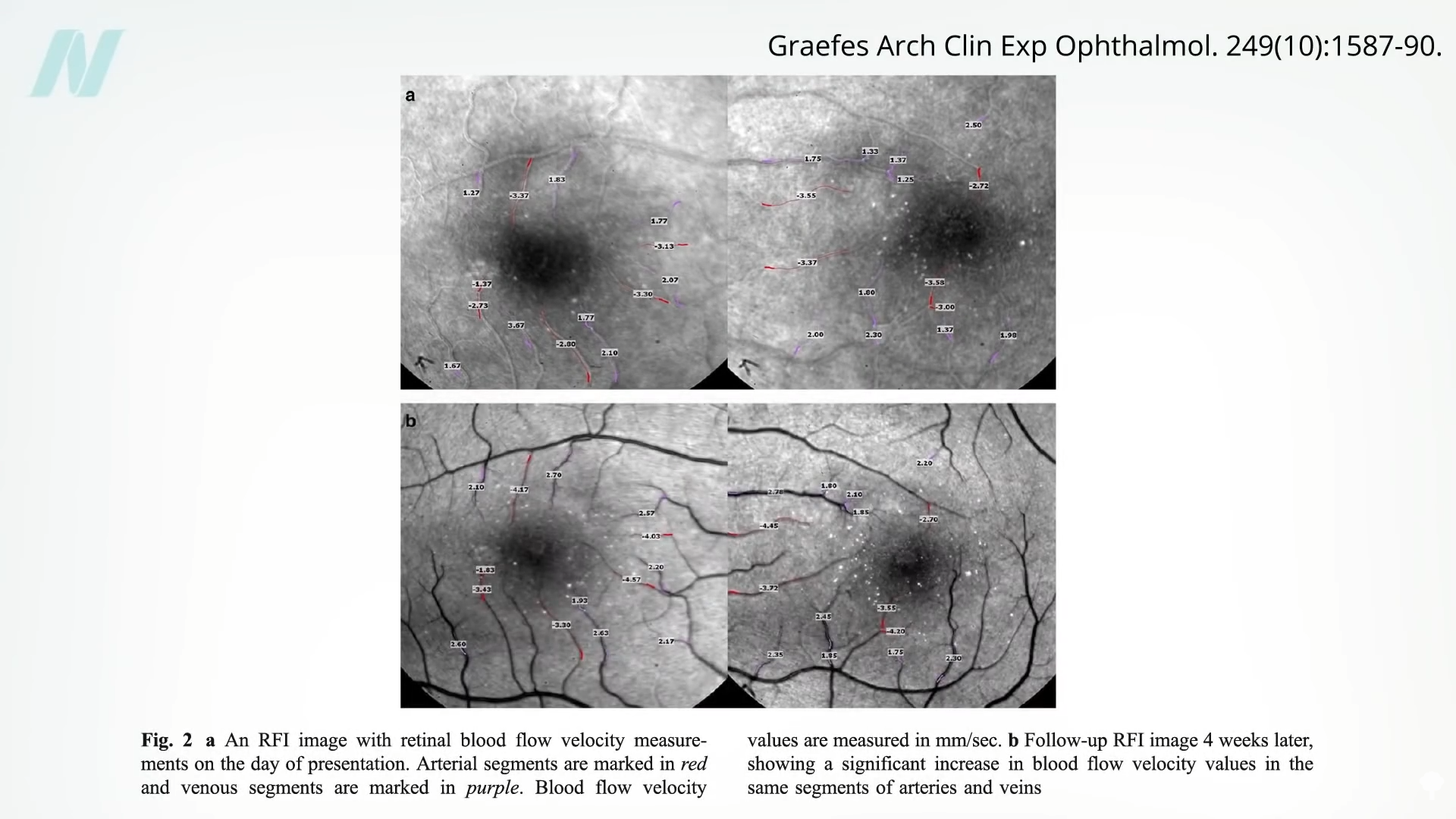
The detrimental effects of unhealthy eating extend beyond internal physiological measures. In extreme cases, the impact of high-fat meals on blood viscosity and circulation can be observed in the back of the eye, specifically within the retina. Before-and-after images of a retina reveal a striking difference: one image shows milky-colored, sluggish blood vessels, indicative of a fat-laden bloodstream. In contrast, after a low-fat diet and the administration of medication to clear the bloodstream, the vessels appear clearer, demonstrating a significant improvement in blood composition and flow. The initial appearance has been described as akin to a "milkshake," underscoring the severe disruption to normal blood fluidity.
The Mitigating Role of Acute Exercise
Crucially, the research introduces a potential intervention: acute exercise. Studies suggest that engaging in physical activity shortly after consuming a high-fat meal can effectively mitigate some of the negative consequences. Post-meal inflammation, often a consequence of elevated blood fat levels following high-fat meals, is a recognized contributor to increased cardiovascular disease risk. Acute exercise has emerged as a promising strategy to help clear this excess fat from the bloodstream.
However, the benefits of exercise in this context appear to be transient. The positive effects of acute exercise on postprandial lipemia (fat in the blood after a meal) are relatively short-lived. If periods of inactivity follow, any benefits gained from prior exercise may be entirely negated, regardless of an individual’s overall fitness level.
The Critical Time Window for Exercise Intervention
The scientific evidence points to a specific time window during which exercise is most effective in counteracting the effects of unhealthy meals. This window appears to span from approximately 18 hours before the meal to around 90 minutes after the meal. Within this period, engaging in sufficient physical activity can significantly help in clearing the fat load and restoring healthier blood flow dynamics.
Quantifying the Exercise Needed
The amount of exercise required to achieve these benefits is also being elucidated. Approximately one hour of moderate-intensity exercise is suggested as a benchmark. More granular research has further refined this recommendation. In one study, participants consumed a high-calorie, high-fat breakfast from a fast-food chain, including hash browns, eggs, pancakes, sausage, and a milkshake. Following this meal, artery function was measured.
When subjects remained sedentary after eating, their artery function significantly declined. However, when they engaged in 20-minute bouts of stair climbing, broken into five-minute intervals every hour for four hours post-meal, the negative impact on artery function was substantially attenuated. This suggests that regular, short bursts of activity throughout the day can be a potent strategy to combat the detrimental effects of both prolonged sitting and unhealthy food consumption. The researchers involved in this study proposed that incorporating stair climbing as an accessible lifestyle strategy could be beneficial for protecting vascular function.
The Dual Threat: Fat and Sodium
The implications of unhealthy eating extend beyond just fat content. The McDonald’s breakfast example cited above also highlights the significant sodium load associated with such meals. This particular meal contained over 2,000 mg of sodium, far exceeding the American Heart Association’s recommended daily limit of 1,500 mg.
Even meals with a reduced salt content, for instance, one-third less, can still impair artery function within an hour of consumption, independent of any immediate increase in blood pressure. This indicates that sodium plays a direct role in vascular health, separate from its well-documented effect on blood pressure.
Sodium Sensitivity and Arterial Function
The impact of sodium on blood pressure is a complex area. Some individuals are identified as "salt-sensitive," experiencing a significant rise in blood pressure following sodium intake, while others are considered "salt-resistant," showing less pronounced blood pressure changes. However, research indicates that high dietary sodium intake impairs artery function regardless of an individual’s salt sensitivity status. The transition from a low-salt to a high-salt diet can lead to impaired arterial function in both salt-sensitive and salt-resistant individuals, underscoring the widespread negative impact of excessive sodium.
The Ongoing Debate on Salt Reduction
Despite the compelling evidence, a debate persists regarding the optimal dietary sodium intake. While a broad scientific consensus supports reducing salt consumption, some researchers, occasionally funded by the salt industry, argue against aggressive salt reduction, suggesting potential negative consequences. However, the overwhelming body of scientific evidence contradicts these dissenting views. Like the saturated fat found in processed foods, meat, and dairy, the scientific community largely identifies sodium, not sodium reduction, as the primary dietary culprit contributing to adverse health outcomes.
Broader Health Implications and Recommendations
The findings from these studies have significant implications for public health initiatives and individual dietary choices. They underscore the critical need for education regarding the immediate physiological consequences of unhealthy meals, particularly those high in saturated fat and sodium.
Recommendations for Individuals:
- Prioritize a Balanced Diet: The most effective strategy remains the consistent consumption of a healthy, balanced diet, rich in fruits, vegetables, whole grains, and lean proteins, while minimizing intake of processed foods, high-fat items, and excessive sodium.
- Strategic Exercise Timing: For individuals who occasionally consume high-fat meals, incorporating exercise within the recommended time window (18 hours prior to 90 minutes after) can help mitigate some of the immediate vascular stress. This includes moderate-intensity activity for approximately one hour, or shorter, intermittent bursts of activity like stair climbing.
- Mindful Consumption of Fast Food: Fast food, often characterized by high levels of saturated fat, sodium, and processed ingredients, poses a significant threat to cardiovascular health. Awareness of the nutritional content of such meals is crucial.
Public Health Perspective:
- Educational Campaigns: Public health campaigns should emphasize the immediate and cumulative effects of dietary choices on cardiovascular health.
- Policy Implications: Policymakers may consider strategies to encourage healthier food options in public spaces and workplaces, and potentially review regulations related to food labeling and marketing.
- Further Research: Continued research into the precise mechanisms by which exercise modulates postprandial lipid metabolism and arterial function is warranted, along with studies exploring long-term interventions and their sustainability.
A Three-Part Series on Arterial Health
This article is part of a larger series exploring the intricate relationship between diet, particularly saturated fat, and arterial health. The preceding article, "How a Single Meal Can Cripple Your Arteries and Lungs," delved into the foundational impacts of unhealthy meals. The subsequent installment, "Protect Your Arteries from Saturated Fat with These Foods," will focus on dietary choices that actively promote arterial well-being.
For individuals seeking a deeper understanding of the direct link between salt and blood pressure, resources such as "The Evidence That Salt Raises Blood Pressure" offer further scientific exploration. The cumulative evidence strongly suggests that a proactive approach to diet and exercise is paramount for maintaining robust cardiovascular health and preventing long-term health complications.

