

The quest for a fuller head of hair has led many individuals to explore a vast array of treatments, from the readily available to the obscure. However, when it comes to scientifically validated efficacy for hair loss, the landscape narrows considerably, primarily focusing on drugs approved by the U.S. Food and Drug Administration (FDA). Among these, finasteride, marketed as Propecia, and minoxidil, known as Rogaine, stand as the most prominent pharmaceutical interventions. While these medications offer a degree of hope for those experiencing hair thinning or loss, a comprehensive understanding of their benefits and potential drawbacks is crucial. This in-depth analysis explores the scientific underpinnings, clinical evidence, and significant side effects associated with these widely used hair loss treatments, alongside a critical examination of the broader market for hair growth remedies.
The Landscape of Hair Loss Treatments: From Supplements to Pharmaceuticals
The internet, a vast repository of information and misinformation, presents consumers with a dizzying array of products and services claiming to combat hair loss. From specialized shampoos and topical solutions to intricate dietary supplements, the market is saturated with remedies that often lack robust scientific backing. A significant concern highlighted by medical professionals is the prevalence of patented hair-loss supplements that, despite their marketing claims, are largely unsubstantiated in their ability to promote hair growth. These supplements can not only prove ineffective but also represent a considerable financial investment. Reports indicate that some over-the-counter supplement regimens can escalate to costs exceeding $1,000 annually, a figure that dwarfs the annual cost of FDA-approved drugs like Propecia and Rogaine, which typically range from $100 to $300 per year. This economic disparity, coupled with the lack of efficacy for many supplements, underscores the importance of relying on evidence-based treatments.
Propecia (Finasteride): Mechanism of Action and Significant Side Effects
Propecia’s effectiveness stems from its ability to inhibit an enzyme called 5-alpha reductase. This enzyme plays a critical role in the body’s hormonal balance, specifically in its conversion of testosterone into dihydrotestosterone (DHT). DHT is a more potent androgen and is widely recognized as a primary driver of hair loss in both men and women, particularly in cases of androgenetic alopecia, commonly known as male or female pattern baldness. By blocking the action of 5-alpha reductase, finasteride effectively reduces the levels of DHT in the scalp and the bloodstream. This reduction is believed to slow down the miniaturization of hair follicles, a key process in hair loss, and in some individuals, can lead to regrowth.
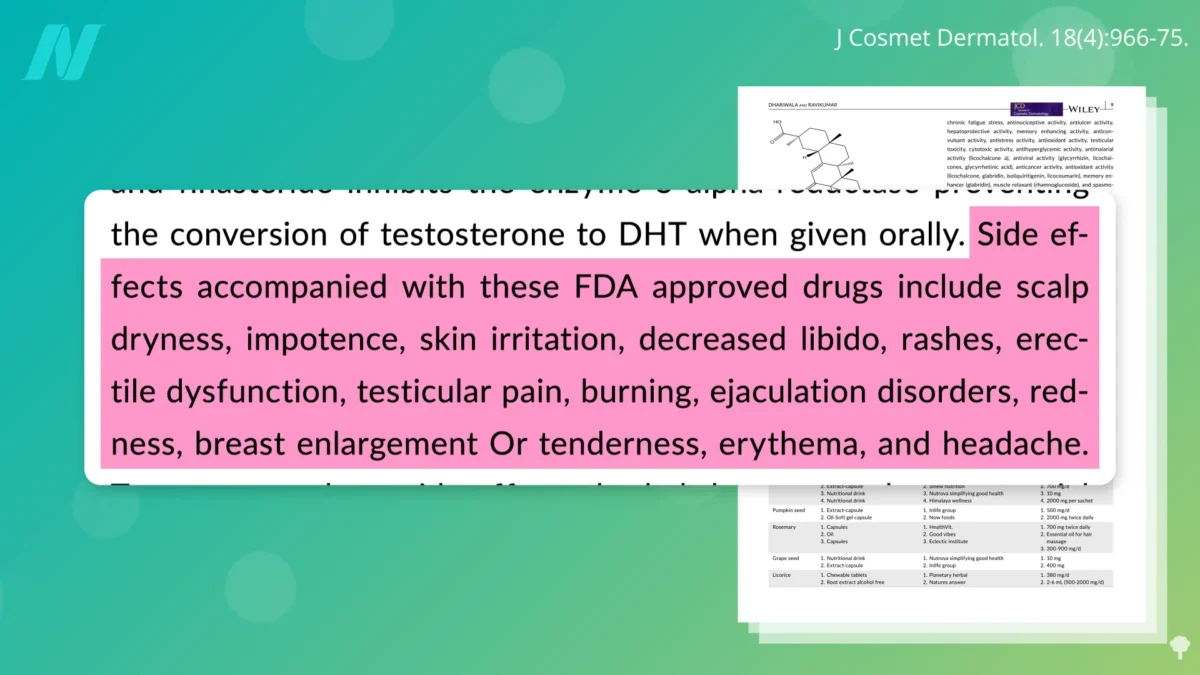
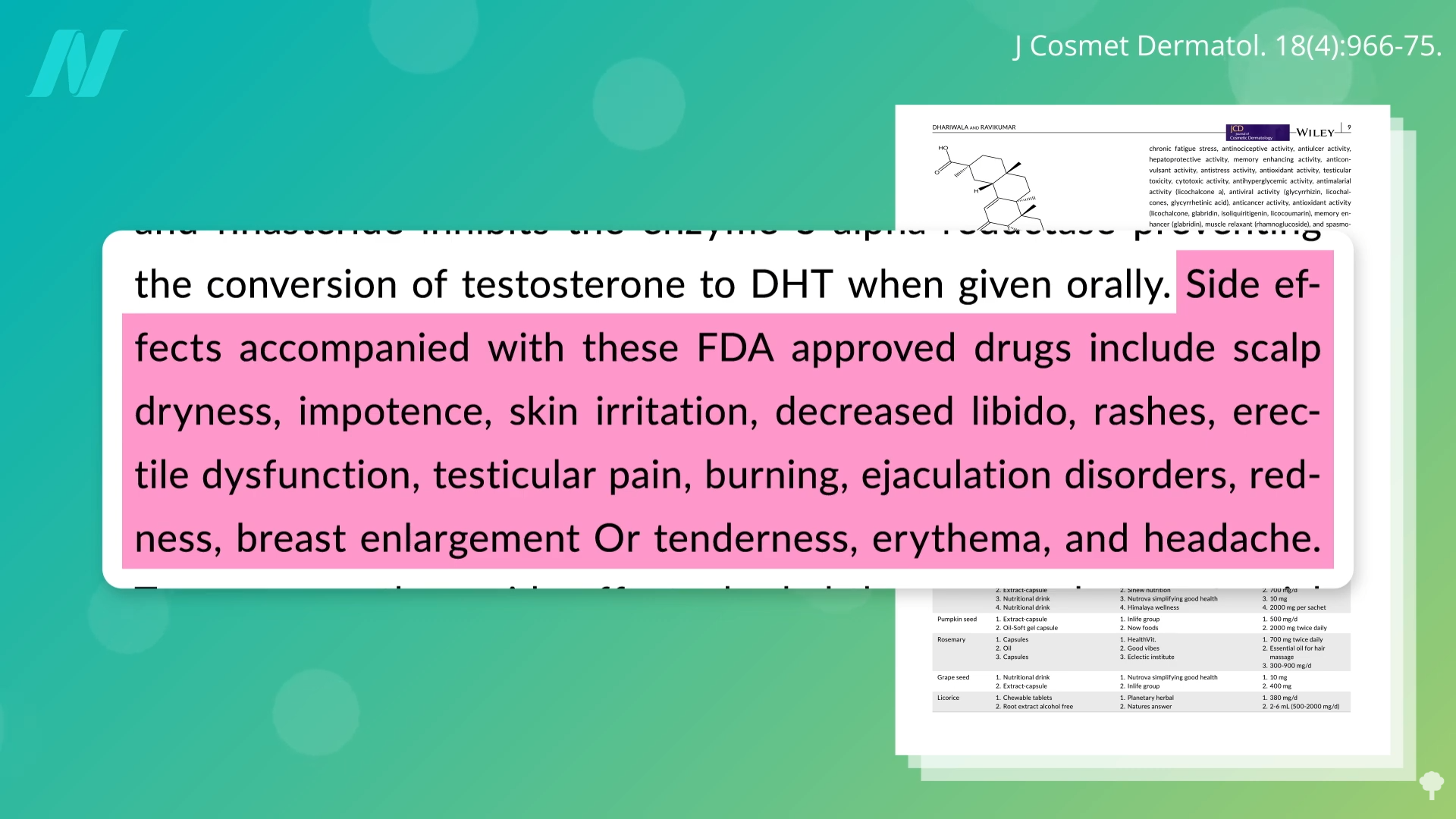
However, the pharmacological action of Propecia is not without its significant risks and side effects, particularly those related to its hormonal impact. The suppression of DHT, while beneficial for hair retention, can lead to a cascade of hormonal disruptions. Common side effects reported include a diminished libido, erectile dysfunction, and a decrease in ejaculate volume. In some instances, these sexual side effects have been reported to persist even after the discontinuation of the medication, leading to concerns about long-term or even permanent sexual dysfunction. Studies have indicated that a notable percentage of participants in clinical trials experienced persistent sexual dysfunction for extended periods, raising questions about the drug’s potential to structurally alter brain regions responsible for sexual function.
Further complicating the understanding of these persistent effects, research involving cerebrospinal fluid analysis has suggested that while blood hormone levels may appear normal in individuals experiencing long-term sexual dysfunction after Propecia use, neurosteroid levels can be altered. This has led to recommendations for healthcare providers and patients to be fully aware of the potential for serious, long-term risks associated with finasteride, especially given its application for a condition often considered cosmetic. The drug’s potential to feminize male fetuses if taken by pregnant women further necessitates stringent precautions and contraindications for its use in women.
Rogaine (Minoxidil): Topical Application and Its Own Set of Challenges
Minoxidil, commercially known as Rogaine, operates through a different mechanism than Propecia. Initially developed as an oral medication for high blood pressure, its hair-growing properties were discovered as an unintended side effect. As a topical solution or foam applied directly to the scalp, minoxidil is thought to promote hair growth by increasing blood flow to the hair follicles and prolonging the anagen (growth) phase of the hair cycle. It is also believed to stimulate dormant hair follicles, potentially leading to the regrowth of finer hairs.
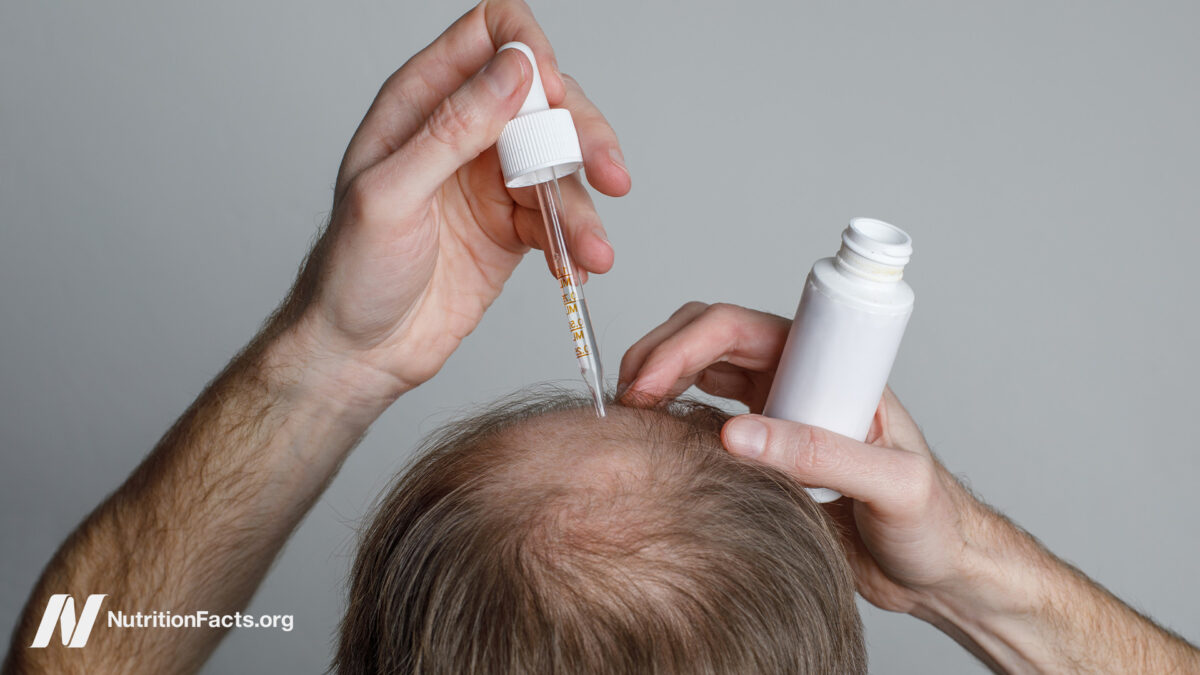
While minoxidil is generally considered to have a more favorable side effect profile compared to oral finasteride, it is not entirely free from adverse reactions. The most commonly reported side effect of topical minoxidil is scalp irritation, including itching, redness, and dryness. This can be attributed to the vehicle (solution or foam) used to deliver the active ingredient, or to the ingredient itself. For some individuals, these topical side effects can be bothersome enough to lead to non-compliance with treatment. Systemic absorption of minoxidil from topical application is minimal, but in rare cases, it can lead to systemic side effects similar to those seen with the oral form, such as fluid retention and changes in heart rate.
Historical Context and the Eugenics Connection
The understanding of androgens’ role in hair loss is rooted in historical scientific observations, some of which are intertwined with deeply disturbing societal practices. Research conducted over half a century ago revealed that castration in men effectively halted hair loss. The context in which these observations were made is crucial for a complete understanding. In the early to mid-20th century, eugenics laws were prevalent in the United States and other countries, leading to the involuntary sterilization of individuals deemed "mentally handicapped." These laws, upheld by the U.S. Supreme Court, resulted in the forced castration of men and tubal ligations of women with the stated aim of preventing them from contributing to the gene pool. The United States was a pioneer in implementing such eugenic legislation, which was later emulated and even surpassed by Germany, a fact that a prominent proponent of eugenics in the 1930s reportedly lamented, stating, "The Germans are beating us at our own game." This historical backdrop, while not directly related to the development of hair loss drugs, provides a stark reminder of how scientific understanding can be influenced by, and sometimes used to justify, societal prejudices.
The Scientific Breakdown: Hormones and Hair Follicles
The intricate relationship between hormones and hair growth is central to understanding the efficacy and side effects of drugs like Propecia. Testosterone, the primary male hormone, circulates in the blood and is a key androgen. However, its more potent derivative, DHT, is considered the primary culprit in androgenetic alopecia. The enzyme 5-alpha reductase is responsible for this conversion. Propecia’s mechanism of action is to inhibit this very enzyme, thereby reducing DHT production. This disruption of the androgen pathway is what leads to the potential for hair regrowth but also underlies the hormonal side effects observed.
The implications of altering this hormonal balance are far-reaching. For women, the use of finasteride is generally contraindicated due to the risk of feminizing male fetuses during pregnancy. For men, the consequences can include the aforementioned sexual dysfunctions. The potential for these effects to become long-lasting or permanent is a significant concern that has prompted regulatory agencies to require clear warnings on medication packaging and for healthcare providers to engage in thorough informed consent discussions with patients.
The Broader Implications and the Search for Alternatives
The persistent challenges associated with current pharmaceutical treatments for hair loss – namely, the potential for significant side effects from finasteride and the localized irritation from minoxidil – highlight a critical unmet need. Despite decades of research, no fundamentally new interventions have become routine in the management of male or female pattern baldness. This reality underscores the urgency for developing alternative, safer, and equally effective treatments.
The question of whether dietary interventions can play a role in combating hair loss is a natural progression from the limitations of current drugs. The intricate biochemical processes involved in hair follicle health and growth are undeniably influenced by nutrition. While the focus has largely been on pharmacological solutions, exploring the impact of specific foods and nutrients on hair health presents a promising avenue for future research and development of holistic treatment strategies. The potential for dietary modifications to offer a safer and more natural approach to hair loss management is a compelling area of ongoing scientific inquiry.
A Three-Part Series on Hair Health
This exploration into the benefits and risks of hair loss drugs is part of a larger, three-part series dedicated to understanding hair loss and growth. The preceding installment, "Do Hair Growth Supplements Work?", delved into the efficacy of over-the-counter supplements, providing a critical assessment of their claims and scientific validity. The subsequent parts of this series will continue to build upon this foundation, offering comprehensive insights into various aspects of hair health.
Furthermore, in related health discussions, it is noteworthy that certain antidepressant medications, such as Prozac, can also induce sexual dysfunction. Research has identified potential dietary interventions that may help mitigate these specific side effects, offering a complementary approach to managing medication-induced challenges. The interconnectedness of physiological processes and the impact of various interventions on overall well-being underscore the importance of a nuanced and evidence-based approach to health management.

