

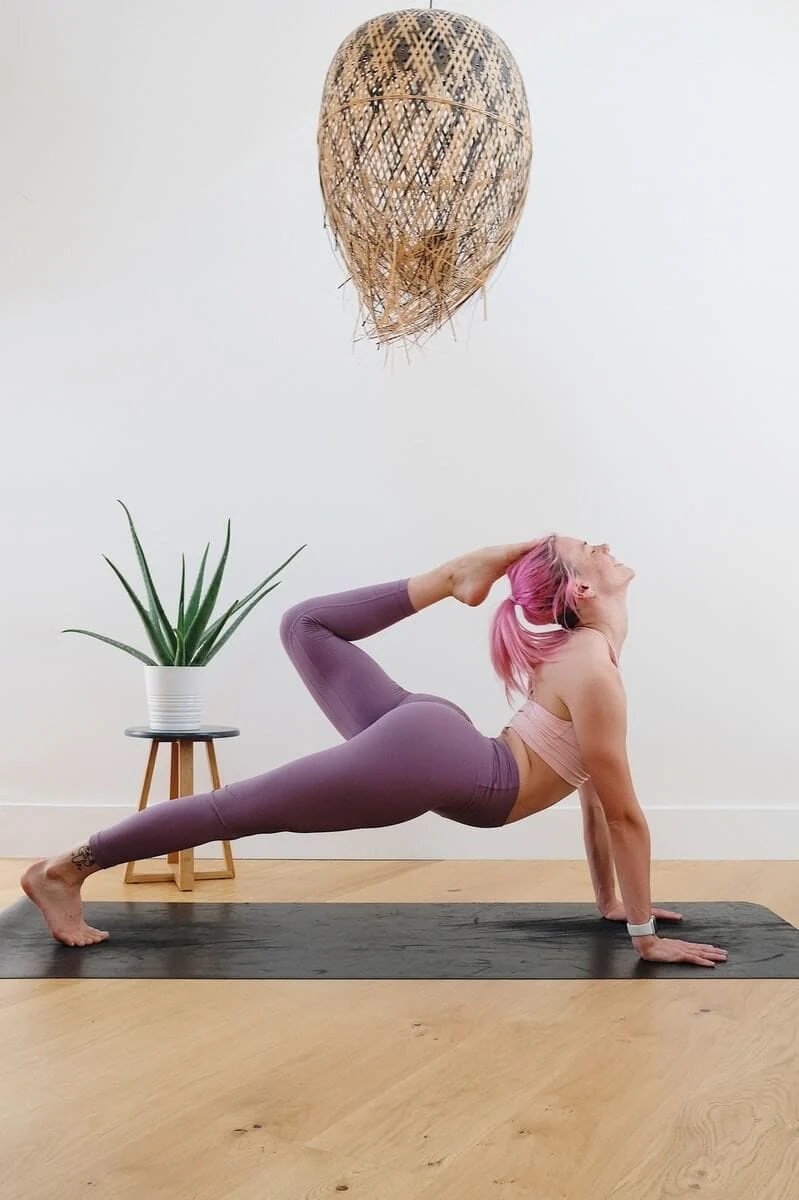
The DoYou Global Yoga Survey 2021, encompassing over 10,000 respondents across 124 countries, has unveiled significant shifts in global yoga practice, most notably a pronounced move towards home-based routines. This comprehensive study, conducted by DoYou, provided a crucial snapshot of the evolving landscape of wellness and exercise habits during a period of unprecedented global change. The findings indicate that a remarkable 85% of survey participants reported practicing yoga primarily within their homes, signaling a substantial and potentially enduring trend in how individuals engage with this ancient discipline. This preference for home practice is attributed to a confluence of factors, primarily convenience, affordability, privacy, and an enhanced sense of personal control over one’s regimen.
Survey Context and Methodology
The DoYou Global Yoga Survey 2021 was launched at a pivotal moment in recent history, coinciding with the global COVID-19 pandemic. This timing is critical for interpreting the data, as public health restrictions, lockdowns, and widespread shifts in work and social patterns undoubtedly influenced exercise choices. The survey’s broad international reach, gathering insights from a diverse demographic of practitioners, lends considerable weight to its findings, offering a robust, albeit pandemic-influenced, perspective on global yoga trends. The methodology involved a digital questionnaire distributed globally, capturing quantitative and qualitative data on practice frequency, location, motivations, and perceived benefits. While the pandemic’s immediate impact on in-person activities is acknowledged, the survey also sheds light on underlying preferences that may persist beyond the immediate crisis, indicating a fundamental re-evaluation of fitness accessibility and personal wellness paradigms.
The Shifting Landscape of Yoga Practice: Key Drivers
The survey meticulously identified four primary drivers propelling the surge in home-based yoga. These factors collectively illustrate a broader consumer preference for flexible, personalized, and accessible wellness solutions, trends that have been accelerated but not solely created by the pandemic.
Convenience: A Premium in Modern Lifestyles
For 71% of respondents, convenience emerged as the paramount reason for choosing home practice. In an increasingly fast-paced world, the prospect of navigating commutes, adhering to rigid class schedules, and preparing for external environments often acts as a deterrent to consistent exercise. Home practice eliminates these logistical hurdles. Individuals can seamlessly integrate yoga into their daily routines, practicing at any hour, in any attire—from pajamas to workout gear, or even in the nude, as some respondents humorously noted. This flexibility is invaluable for busy professionals, parents, and anyone managing a demanding schedule, transforming yoga from a scheduled outing into an organic part of daily life. The rise of digital platforms and on-demand content further amplifies this convenience, providing instant access to a vast library of classes and styles without leaving the comfort of one’s living space.
Affordability: Economic Considerations Shaping Wellness Choices
The economic aspect significantly influences fitness decisions for a substantial portion of the population. A reported 46% of home practitioners cited affordability as a key motivator. Studio memberships and drop-in fees can represent a considerable financial commitment, often compounded by additional costs such as transportation, specialized attire, and parking. In contrast, home practice offers numerous cost-effective alternatives. The proliferation of free yoga tutorials on platforms like YouTube, coupled with affordable subscription-based apps and online courses, makes high-quality instruction accessible at a fraction of the cost of traditional studio classes. This democratization of access ensures that financial constraints are less of a barrier to entry or sustained practice, aligning with broader consumer trends favoring value and accessibility in personal wellness expenditures.
Privacy and Personal Comfort: Fostering an Inclusive Practice
For 33% of respondents, the privacy afforded by home practice was a critical factor. Many individuals, particularly beginners or those with body image concerns, may find the communal environment of a studio intimidating. The perceived sense of competition, judgment, or self-consciousness can hinder enjoyment and even discourage participation. Practicing yoga in the privacy of one’s home creates a safe, non-judgmental space, allowing individuals to explore movements, experiment with poses, and build confidence without external scrutiny. This sense of security is particularly valuable for those seeking a more introspective and personal connection with their practice, or for individuals with specific physical limitations or health conditions who prefer to modify poses discreetly. The home environment fosters an atmosphere where vulnerability is accepted, enabling deeper self-exploration and a more authentic engagement with yoga’s holistic benefits.
Empowerment Through Control: Tailoring the Yoga Journey
Over 60% of overall survey participants emphasized the importance of the instructor and atmosphere for their enjoyment of a yoga class. Home practice empowers individuals to exert complete control over these variables. Practitioners can select their preferred instructor from a global pool of online teachers, choose the style of yoga that resonates most with them on a given day, adjust the pace to suit their energy levels, and curate their immediate environment with music, lighting, and temperature. This autonomy ensures a consistently positive and personalized experience, eliminating the risk of mismatched teaching styles, uncomfortable class dynamics, or unsuitable ambient conditions. The ability to dictate every aspect of the practice fosters a deeper sense of ownership and engagement, making the yoga journey truly bespoke and aligned with individual needs and preferences.
Chronology: Pre-Pandemic Trends to Post-Pandemic Adaptation
The shift towards home-based fitness, while dramatically accelerated by the pandemic, was not an entirely new phenomenon. Prior to 2020, the global wellness industry was already witnessing a gradual rise in digital fitness solutions. Online yoga platforms and fitness apps had begun to gain traction, catering to niche markets and early adopters seeking convenience. However, brick-and-mortar studios remained the dominant mode of practice.
The onset of the COVID-19 pandemic in early 2020 served as a profound catalyst. As governments worldwide implemented lockdowns and social distancing measures, yoga studios, like many other public venues, were forced to close or operate with severe restrictions. This abrupt change left practitioners with limited options, driving an unprecedented surge in demand for online yoga content. Instructors swiftly pivoted to virtual classes, and existing digital platforms experienced exponential growth. The DoYou Global Yoga Survey 2021, conducted during this period, therefore captures the peak of this forced transition, with its disclaimer explicitly noting the pandemic’s likely influence on the reported numbers.
As economies gradually reopened in late 2020 and 2021, and into the subsequent years, a hybrid model began to emerge. While some practitioners eagerly returned to studios, many discovered the inherent advantages of home practice and chose to maintain or blend their routines. This indicates that while the pandemic provided the initial impetus, the benefits of home yoga resonated deeply enough to foster a lasting change in consumer behavior, transitioning from a necessity to a preferred mode of engagement for a significant segment of the yoga community.
Challenges and Considerations of Exclusive Home Practice
Despite the undeniable advantages, an exclusive reliance on home-based yoga practice presents several potential drawbacks that warrant careful consideration.
Risk of Injury and Importance of Expert Guidance
One of the most significant concerns for home practitioners is the increased risk of injury due to a lack of personalized, real-time feedback. While online tutorials offer visual guidance, they cannot replicate the nuanced adjustments and corrections provided by a trained instructor present in a studio setting. Holding a pose with incorrect form, even subtly, over time can lead to strain, pain, or more serious injuries. This is particularly pertinent for beginners who are still learning fundamental alignment principles, or for individuals with pre-existing injuries or chronic conditions who require specialized modifications. Without an expert eye to observe and guide, practitioners may inadvertently exacerbate issues or develop poor postural habits, undermining the very health benefits yoga aims to provide.
The Diminished Role of Community and Social Connection
Yoga, for many, is as much a communal activity as it is a personal one. The shared energy of a group class, the camaraderie among fellow practitioners, and the sense of belonging to a community contribute significantly to the overall experience and motivation. This social aspect, often a powerful mood booster, is largely absent in solitary home practice. While online communities and virtual classes can offer a semblance of connection, they typically lack the immediate, tangible interaction that fosters deep bonds and shared experiences. Missing out on these community benefits can lead to feelings of isolation for some practitioners, potentially impacting their long-term engagement and the holistic mental wellness aspects of their practice.
Motivation and Accountability
Maintaining consistent motivation and accountability can be more challenging when practicing alone at home. Without the external structure of a scheduled class, the presence of an instructor, or the subtle encouragement of peers, it can be easier to postpone or skip sessions. Distractions within the home environment, such as household chores, family interruptions, or simply the allure of other activities, can also derail best intentions. Studio classes, by contrast, often provide a dedicated, distraction-free space and a built-in incentive to show up and commit to the full duration of the practice.
Industry Reactions and Adaptations
The findings of the DoYou Global Yoga Survey, and similar observations across the fitness industry, have prompted significant reactions and adaptations from various stakeholders.
Studio Owners Navigating a Hybrid Future
Traditional yoga studio owners have been particularly impacted by this shift. Many have faced the daunting challenge of declining in-person attendance while simultaneously adapting to the digital realm. Leading studio proprietors are increasingly exploring hybrid models, offering both in-person classes and robust online platforms to cater to diverse preferences. "The pandemic forced us to innovate," stated one hypothetical studio owner. "While we cherish the in-person connection, we recognize that convenience and accessibility are non-negotiable for many. Our future lies in offering both, ensuring our community can connect with us wherever they are." This strategy often involves investing in high-quality live-streaming equipment, developing on-demand content libraries, and rethinking membership structures to accommodate flexible practice options.
The Growth of Digital Platforms and Instructor Innovation
Online yoga platforms and independent instructors have experienced unprecedented growth. Companies like DoYou, Glo, and Yoga with Adriene have seen their subscriber bases swell, validating the demand for high-quality, accessible digital content. Instructors, in turn, have become adept at teaching to a virtual audience, developing new pedagogical approaches to engage students remotely. "The digital space has opened up yoga to millions who might never have stepped into a studio," commented a prominent online yoga guru. "It’s a powerful tool for democratization, making yoga truly global and inclusive." This innovation extends to creating specialized online courses, workshops, and retreats that cater to specific needs and skill levels, further enriching the home practice experience.
Expert Perspectives on Wellness and Accessibility
Health and wellness experts generally view the rise of home yoga as a mixed blessing. While celebrating the increased accessibility and participation it offers, they also caution against the potential for unsupervised practice. Dr. Anya Sharma, a fictional physiotherapist specializing in movement therapy, might suggest, "Increased participation in any physical activity is positive, but it’s crucial for home practitioners to prioritize proper form. Regular check-ins with a certified instructor, even if periodically through online consultations, can prevent injuries and deepen understanding." This perspective underscores the need for educational resources that emphasize safety and proper alignment for home-based practitioners.
Broader Implications for the Global Wellness Sector
The enduring shift towards home-based yoga carries significant implications for the broader global wellness sector, signaling a fundamental recalibration of consumer expectations and service delivery models.
Economic Reconfiguration of the Yoga Market
The economic landscape of the yoga industry is undergoing a significant reconfiguration. While online platforms are thriving, traditional brick-and-mortar studios are being compelled to innovate their business models. This includes a greater emphasis on value-added services, personalized attention for in-person clients, and the development of unique community experiences that cannot be replicated online. The market for home yoga equipment, from mats and props to smart mirrors and wearable tech, is also experiencing robust growth, creating new revenue streams within the sector. The overall market size for digital fitness, including yoga, is projected to continue its upward trajectory, demonstrating a long-term shift in consumer spending habits.
Evolving Pedagogical Approaches in Yoga Instruction
The art and science of yoga instruction are evolving. Teachers are increasingly being trained to effectively instruct both in-person and virtual classes, mastering techniques for clear verbal cues, effective demonstrations for cameras, and methods for fostering connection through a screen. There’s also a growing demand for hybrid teaching skills, enabling instructors to manage mixed groups of in-person and remote students simultaneously. This evolution ensures that the quality of instruction remains high, regardless of the medium, adapting the ancient practice to modern technological capabilities.
The Future of Integrated Wellness: A Hybrid Model
The most likely future for yoga and the broader wellness industry is an integrated, hybrid model. Consumers will increasingly expect the flexibility to choose between in-person and home practice, or to seamlessly blend both. Studios that can successfully offer compelling in-person experiences alongside high-quality digital content will be best positioned for success. This trend reflects a larger movement in society towards flexible work, education, and entertainment, where personalization and accessibility are paramount. The wellness sector, including yoga, is simply mirroring these broader societal shifts, adapting to meet the modern individual’s desire for a truly customized and convenient path to well-being.
Striking a Balance: The Synergy of Home and Studio Practice
Given the unique advantages and disadvantages of both home and studio practice, a balanced approach often emerges as the most beneficial strategy for many practitioners. Yoga classes, ideally, should be welcoming and non-judgmental spaces. If a particular studio or instructor does not resonate, practitioners are encouraged to explore other options, as finding the right fit can sometimes require sampling several variations.
Many individuals are discovering the synergy of combining both modes of practice. They might attend studio classes for the personalized feedback, community connection, and dedicated environment, while supplementing with home sessions for convenience, affordability, and the ability to focus on specific needs or explore new styles. This flexible approach allows practitioners to maximize the benefits of yoga, adapting their routine to their schedule, budget, and evolving personal preferences. The survey’s findings, therefore, do not necessarily imply a complete abandonment of in-person classes but rather a diversification of practice methods, signifying a more empowered and adaptable global yoga community.
The DoYou Global Yoga Survey 2021 provides compelling evidence of a transformative period for yoga practice. While conducted during a unique historical moment, its insights into convenience, affordability, privacy, and control resonate with long-term trends in consumer behavior and technology adoption. The rise of home-based yoga is not merely a temporary adjustment but a significant evolution, shaping a more accessible, personalized, and hybrid future for this ancient discipline in the global wellness landscape.

