

The landscape of North American outdoor hospitality has undergone a significant transformation over the last six decades, with Kampgrounds of America (KOA) emerging as a primary infrastructure provider for the millions of travelers who utilize recreational vehicles (RVs). As of 2024, the RV industry has become a cornerstone of the domestic tourism economy, supported by a network of over 500 KOA locations across the United States and Canada. This extensive network serves a dual purpose: providing reliable utility hookups for seasoned "full-timers" and offering accessible entry points for a burgeoning demographic of younger, first-time campers. The modern RV experience at KOA is defined by standardized service levels, technological integration, and a tiered system of campground classifications designed to meet specific traveler needs ranging from overnight transit to luxury long-term stays.
Historical Context and the Evolution of the Yellow Sign
The origins of KOA date back to 1962, a pivotal year for American road travel. Founded by Dave Drum in Billings, Montana, the first campground was established to accommodate travelers heading to the Seattle World’s Fair. At the time, the concept of a franchised campground system was revolutionary. Drum recognized that as the Interstate Highway System expanded, travelers required consistent, high-quality stopovers that offered more than just a patch of grass.
Throughout the 1970s and 1980s, KOA expanded rapidly, standardizing the "Yellow Sign" as a beacon of reliability in the outdoor hospitality sector. The company survived the fuel crises of the 1970s by pivoting toward more localized "destination" camping. By the turn of the 21st century, the organization had transitioned into a sophisticated franchise model, implementing rigorous quality-of-service inspections and adopting digital reservation systems. Today, KOA is recognized not just as a campsite provider, but as a data-driven leader in the outdoor industry, frequently publishing the "North American Camping Report," which tracks shifts in consumer behavior and outdoor participation.
Industry Growth and Demographic Shifts
The demand for RV-specific infrastructure is supported by robust industry data. According to the RV Industry Association (RVIA), approximately 8.1 million North American households currently own an RV. However, the potential for growth is even more pronounced, with an estimated 16.9 million households expressing a desire to join the RV community in the near future. This surge in interest is not limited to traditional retirees; industry analysis shows a significant influx of Millennials and Gen Z travelers who view RVing as a flexible way to balance remote work with outdoor recreation.
Economic data suggests that the RV industry contributes over $140 billion annually to the U.S. economy, supporting nearly 680,000 jobs. KOA’s role in this ecosystem is critical, as private campgrounds provide the high-capacity electrical and sewage infrastructure that many public state and national parks cannot currently sustain. As modern RVs become more technologically advanced—incorporating multiple slide-outs, high-draw climate control systems, and satellite communication arrays—the necessity for "full hookup" sites (water, sewer, and 30/50-amp electricity) has become a non-negotiable requirement for a large segment of the market.
Strategic Campground Classifications
To streamline the consumer experience, KOA has categorized its 500+ locations into three distinct brands. This segmentation allows travelers to select a site based on their specific journey phase or vacation goals.
KOA Journey
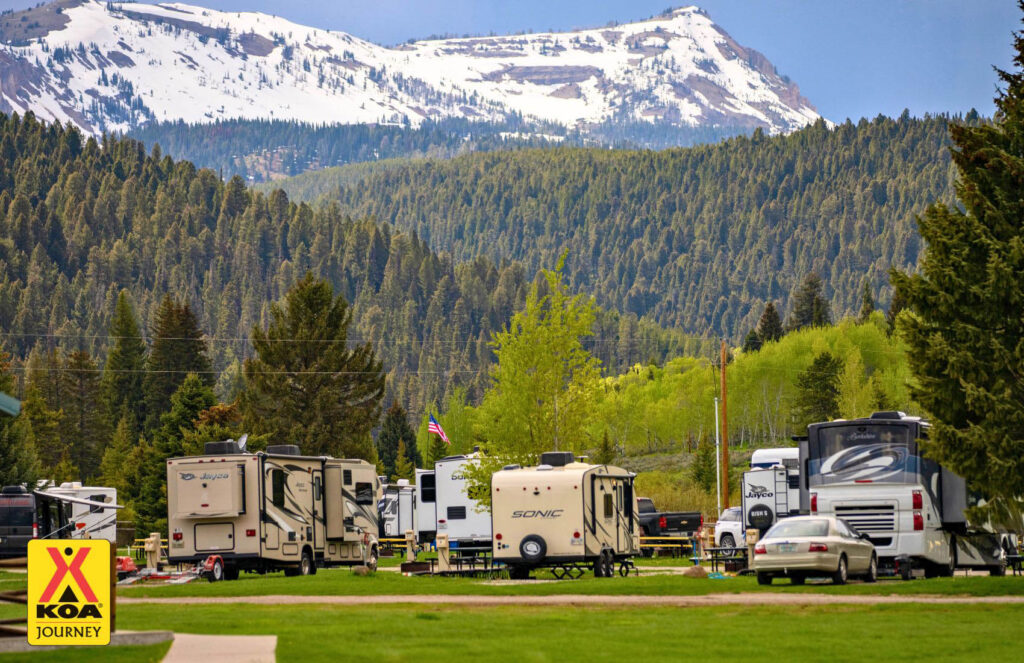
These locations are strategically positioned near major highway corridors. They are designed for the "Cross-Country Voyager" who requires a reliable, clean, and efficient stopover. Key features include long pull-through sites that allow drivers to remain hitched to their tow vehicles, well-lit facilities for late-night arrivals, and streamlined check-in processes.
KOA Holiday
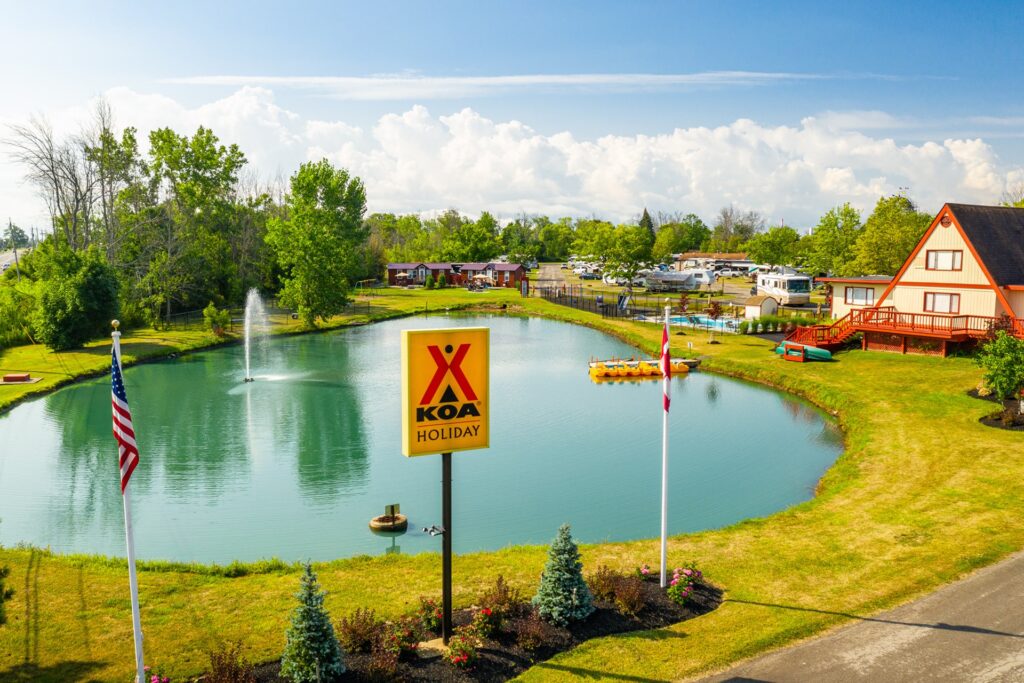
Positioned as "base camps" for exploring local regions, KOA Holiday locations are typically situated near major attractions or natural landmarks. These campgrounds serve the "Weekend Warrior" and "Family Vacationer" by providing enhanced amenities such as upgraded patio sites, organized group activities, and proximity to hiking trails or historic sites.
KOA Resort
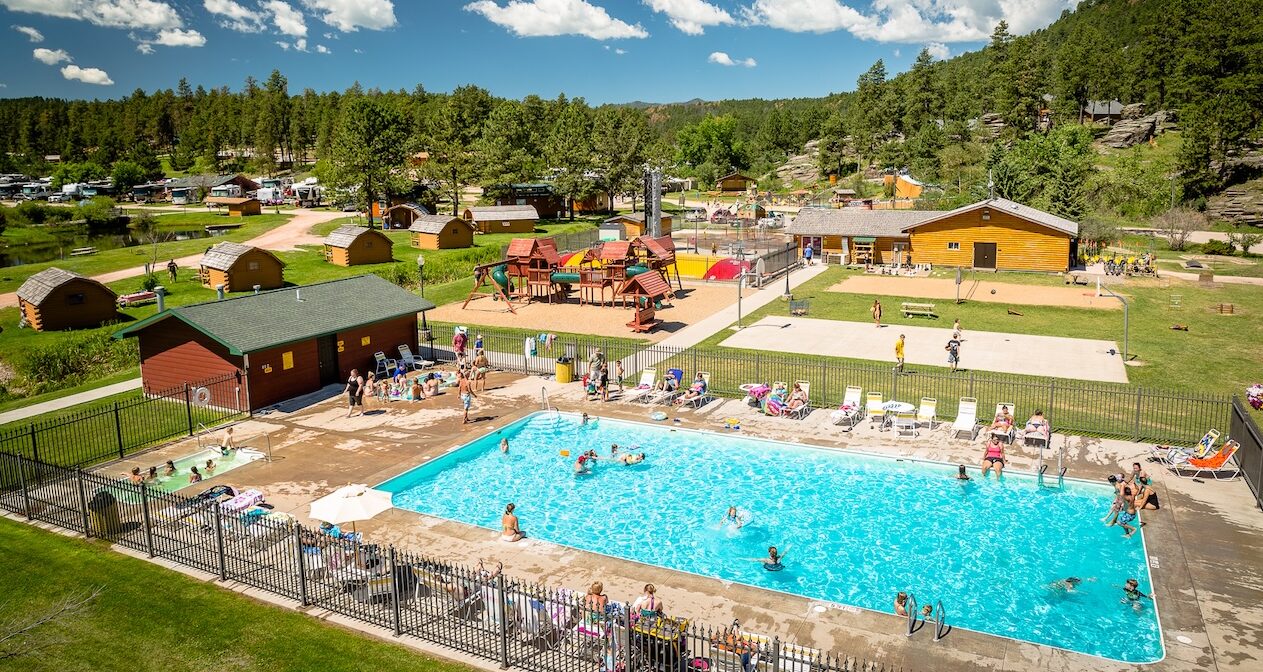
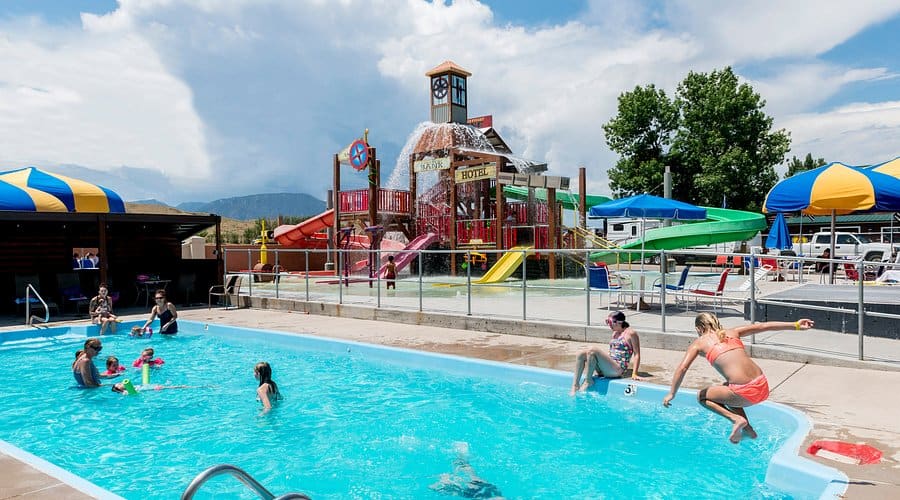
The Resort tier represents the luxury end of the outdoor hospitality spectrum. These locations are destinations in themselves, featuring expanded recreational facilities such as resort-style pools, on-site dining, and professional-grade mini-golf. They are particularly popular with "Snowbirds"—retirees who migrate south for the winter—and travelers seeking a community-centric, extended-stay atmosphere.
Technical Specifications for Modern RV Sites
A primary concern for RV operators is the physical compatibility of the campsite with their specific rig. KOA has addressed this through a variety of pitch designs.
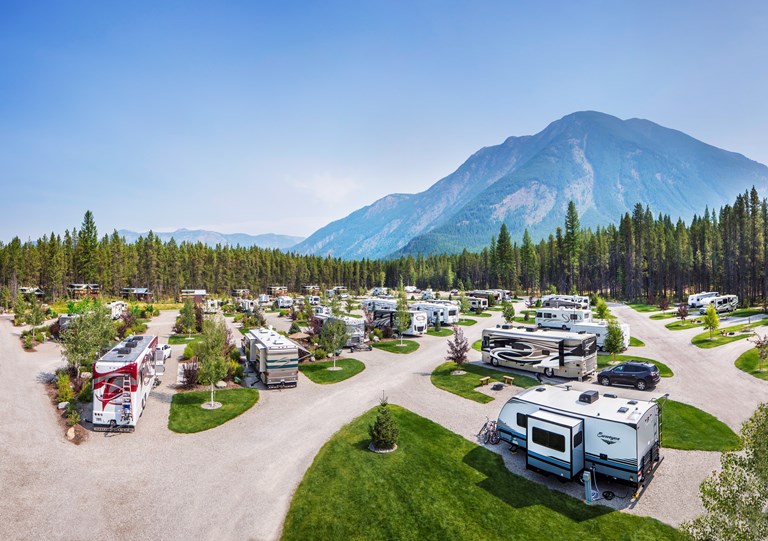
- Pull-Through Sites: These are engineered for maximum convenience, allowing the driver to enter from one end and exit from the other. This eliminates the need for complex backing maneuvers, which is essential for operators of large Class A motorhomes or fifth-wheel trailers exceeding 40 feet in length.
- Back-In Sites: While requiring more technical driving skill, these sites often provide increased privacy and are frequently situated along the perimeter of the campground, offering views of natural features like lakes or forests.
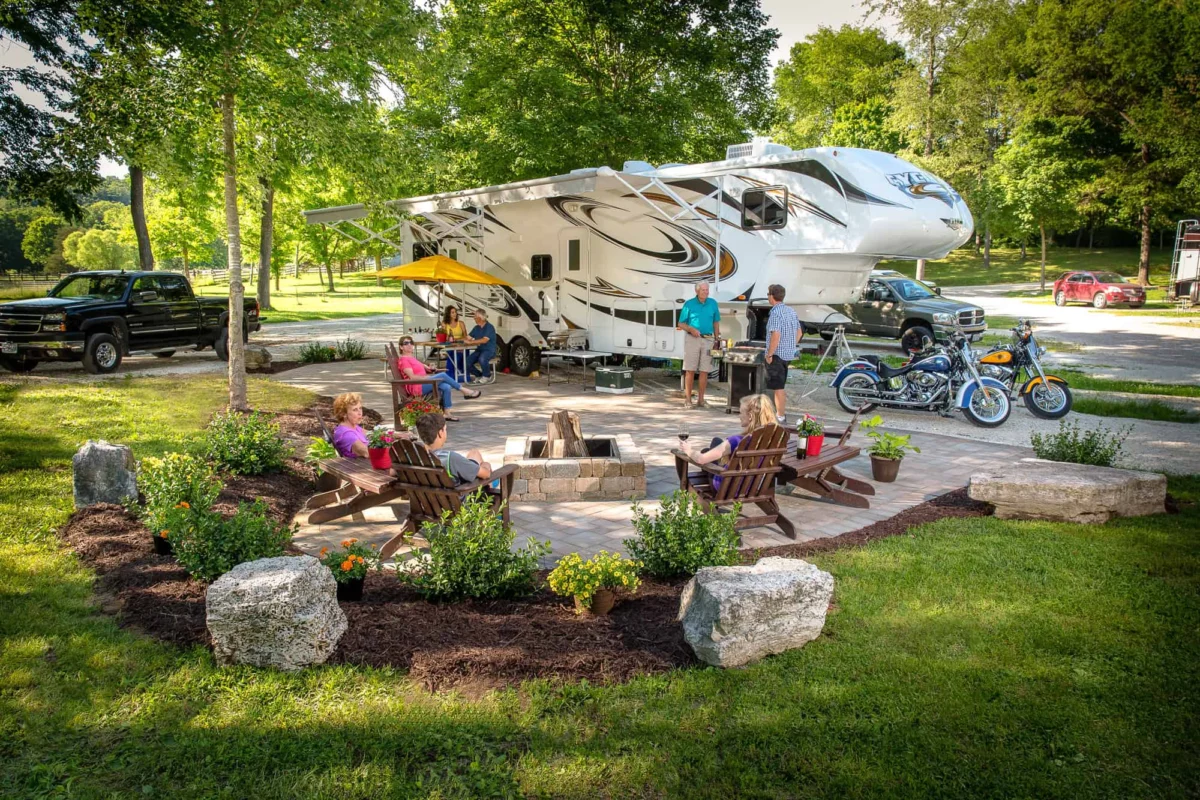
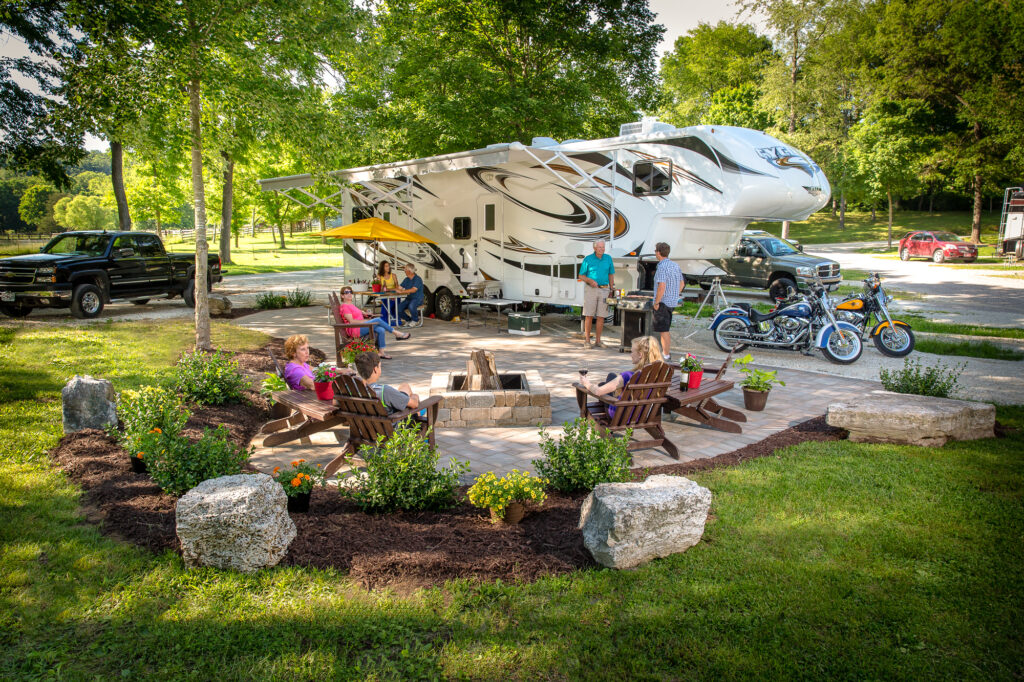
- KOA Patio Sites: A recent innovation in the industry, these premium sites include an expanded hardscape area, high-quality outdoor furniture, and often a dedicated fire pit. Data indicates that these sites are the most requested among modern travelers who view their outdoor space as an extension of their living room.
Hookup options are similarly standardized. A "full hookup" site provides direct connections to city water, a sewer drain, and an electrical pedestal offering both 30-amp and 50-amp service. "Partial hookups" typically omit the sewer connection, requiring the use of a centralized "dump station" before exiting the park.
Enhancing Guest Experience through Specialized Amenities
Beyond the technical requirements of the RV, the modern campground must provide lifestyle amenities that justify the cost of a private site. KOA locations are equipped with standard necessities such as laundry facilities and convenience stores, but they have also pioneered several niche offerings.
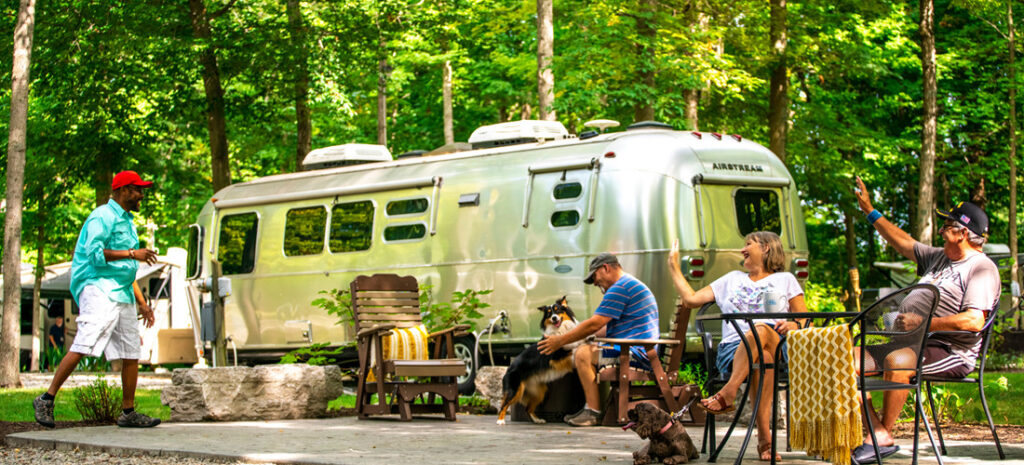
One of the most significant trends identified by KOA is the "humanization" of pets in travel. Approximately 43% of RVers cite pet-friendly facilities as a top priority when choosing a campground. In response, the network has implemented "KampK9" areas—fenced, off-leash dog parks with fresh water and seating for owners. More recently, the "KOA Paw Pen" has been introduced, providing a private, fenced enclosure directly at the individual RV site, allowing pets to remain outside with their owners without being tethered.
Furthermore, the integration of technology has become a competitive necessity. While the "Nature Lover" demographic values a digital detox, the rise of the "digital nomad" has forced campgrounds to upgrade their Wi-Fi infrastructure. Many KOA locations now offer tiered internet services, ensuring that travelers can attend video conferences or stream media even in remote geographical locations.
Management of Environmental and Social Impacts
As outdoor participation increases, the environmental impact of camping has come under scrutiny. KOA has publicly committed to sustainability through its "Kamp Green" initiative. This program encourages franchisees to implement solar power, water conservation systems, and rigorous recycling programs.
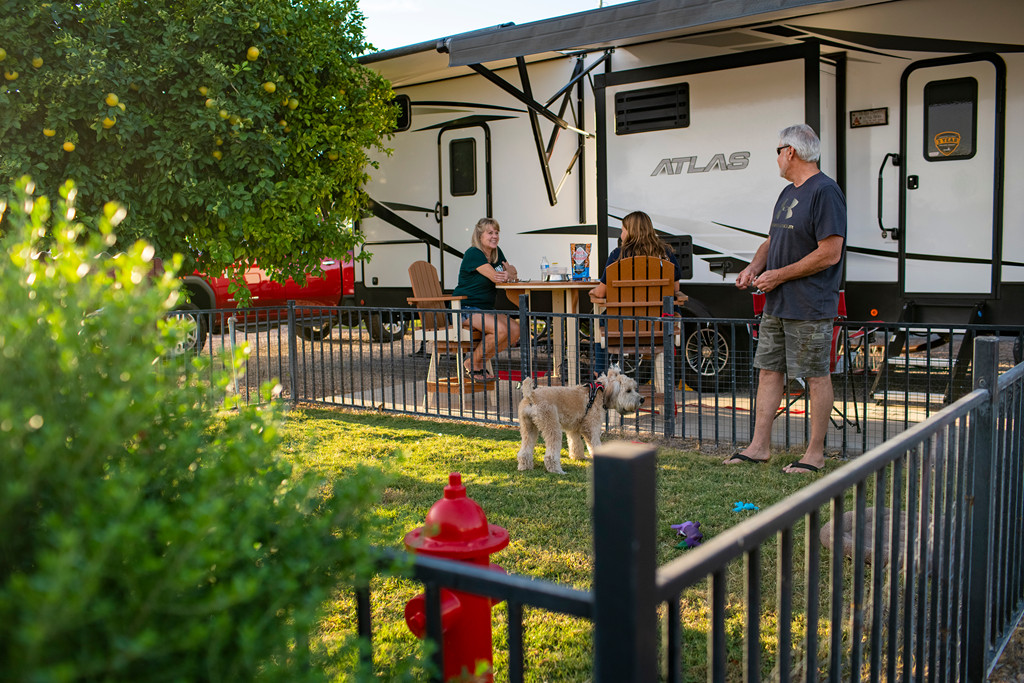
From a social perspective, the presence of a KOA often serves as an economic engine for rural communities. Travelers staying at these campgrounds spend significant sums at local gas stations, grocery stores, and independent restaurants. By providing a structured, managed environment for tourists, KOA helps mitigate the issues of "over-tourism" or unauthorized "boondocking" (camping on public lands without facilities), which can lead to environmental degradation and local friction.
Strategic Planning and Loyalty Integration
The transition to a fully digital booking ecosystem has been a major focus for the organization. The KOA reservation platform provides real-time availability and transparent pricing, a move that analysts suggest has increased consumer trust in an industry where pricing can sometimes be opaque.
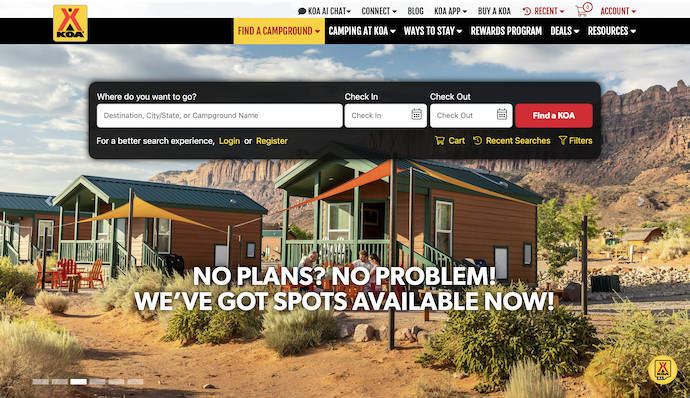
The KOA Rewards program serves as a critical retention tool. For an annual fee, members receive a 10% discount on nightly rates and accumulate points that can be redeemed for future stays. This loyalty data allows the company to track travel patterns and adjust their infrastructure investments based on where demand is highest. For instance, if data shows a spike in travel to the Pacific Northwest, the organization can incentivize franchise growth in that specific corridor.
Conclusion and Future Outlook
The future of RV camping at KOA appears linked to the continued professionalization of the outdoor hospitality industry. As electric RVs (eRVs) begin to enter the market, the next challenge for the network will be the integration of high-speed charging stations into the existing electrical pedestals. Additionally, as the "glamping" trend persists, the line between traditional RV sites and luxury cabin rentals will likely continue to blur.
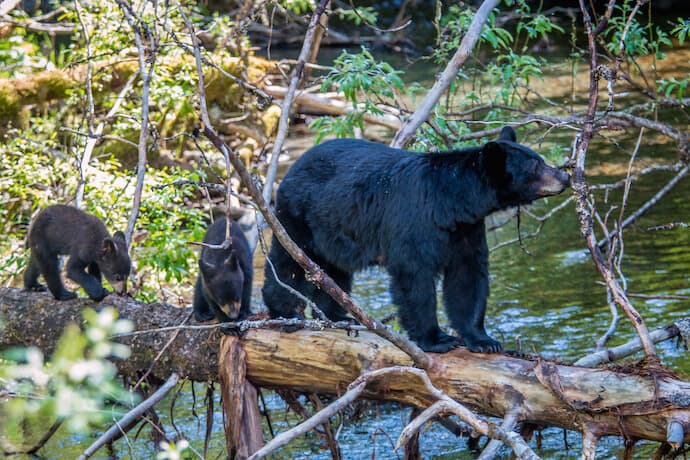
For the traveler, the KOA system offers a predictable framework in an inherently unpredictable environment. Whether navigating a 45-foot motorhome through the Rocky Mountains or taking a compact camper van through the Canadian Maritimes, the availability of standardized hookups, pet-friendly spaces, and reliable safety protocols remains the primary draw of the network. As the RV community grows to include more diverse demographics, the ability of organizations like KOA to adapt to changing technological and social expectations will determine the trajectory of North American road travel for the next generation.

