

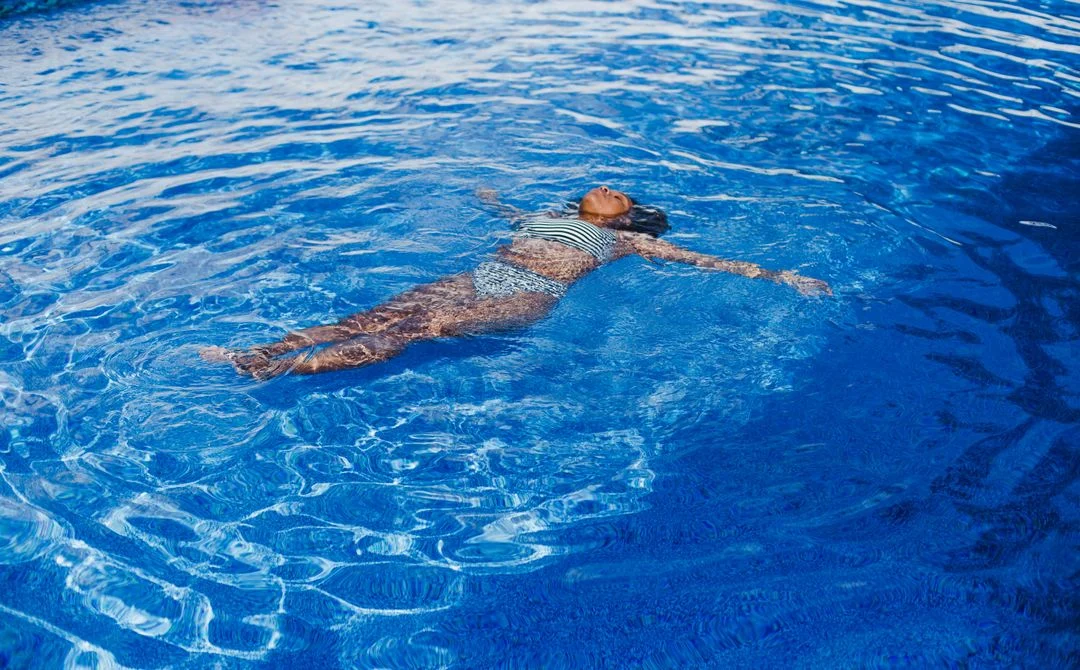
While traditional running offers unparalleled cardiovascular benefits and is a cornerstone for weight management, its high-impact nature can exact a significant toll on the human body, particularly as individuals age or accumulate mileage. The repetitive stress of pounding the pavement, though excellent for cardiovascular conditioning and fostering the coveted "runner’s high," is frequently associated with an elevated risk of musculoskeletal injuries, including but not limited to chronic knee pain, debilitating shin splints, stress fractures, and even more severe conditions like hip displacement or aggravation of existing spinal issues. For many, these adverse effects eventually lead to a difficult choice: reduce running intensity, cease the activity altogether, or seek alternative methods to maintain fitness and athletic prowess. It is within this context that water running, often referred to as aqua jogging or deep-water running, has emerged from the specialized realm of rehabilitation into a widely recognized and increasingly adopted cross-training modality. This innovative approach allows for robust muscular engagement and cardiovascular conditioning without the harsh gravitational impact, offering a sanctuary for joints and a pathway to sustained physical activity for a diverse demographic, from elite athletes managing recovery to individuals embarking on a new fitness journey.
Understanding the Core Principles of Water Running
At its essence, water running involves mimicking the natural motion of land-based running while fully submerged in deep water, typically without allowing the feet to touch the bottom of the pool. The fundamental advantage of this method lies in the unique physical properties of water: buoyancy, hydrostatic pressure, and resistance. Buoyancy effectively counteracts gravity, significantly reducing the impact on joints. For instance, studies have shown that immersion up to the neck can reduce body weight by approximately 90%, meaning a 150-pound individual would experience only 15 pounds of weight-bearing force on their joints. This dramatic reduction in impact makes aqua jogging an invaluable tool for individuals with arthritis, recovering from injuries, or those simply seeking a gentler exercise regimen. Concurrently, water provides omnipresent resistance, which is considerably greater than air. Moving limbs through water requires more muscular effort to overcome this resistance, effectively transforming each stride into a strength-building exercise. This dual benefit—reduced impact coupled with increased resistance—allows for a comprehensive workout that tones muscles, improves cardiovascular fitness, and enhances muscular endurance without the wear and tear associated with terrestrial activities. The hydrostatic pressure of water, uniformly compressing the body, further aids in circulation, potentially reducing swelling and improving venous return, which can be particularly beneficial for recovery and reducing post-exercise muscle soreness. Furthermore, the cooling effect of water helps maintain a lower core body temperature, allowing for longer, more comfortable workouts, especially in warm environments or for individuals who are prone to overheating.
A Historical Perspective and Evolution of Acceptance
While the concept of exercising in water is ancient, with therapeutic applications dating back to Roman times, the specific practice of deep-water running as a formal training and rehabilitation technique gained significant traction in the latter half of the 20th century. Initially, aqua jogging was predominantly the domain of physical therapists and sports medicine specialists, who utilized it as a safe haven for injured athletes to maintain cardiovascular fitness and muscular strength during recovery periods. The lack of impact allowed professional athletes, whose careers depended on peak physical condition, to continue training without aggravating injuries that would otherwise sideline them completely. Early proponents included orthopedic surgeons and physiologists seeking innovative ways to expedite recovery and maintain conditioning for athletes suffering from stress fractures, Achilles tendonitis, or knee injuries, which are common afflictions in high-impact sports.
By the 1980s and 1990s, as sports science evolved and the understanding of biomechanics and injury prevention deepened, aqua jogging began to transition from a niche rehabilitative tool to a recognized cross-training method for uninjured athletes. Coaches recognized its potential to supplement land-based training, offering a way to increase training volume without escalating injury risk. This period saw the development of specialized equipment, such as flotation belts designed specifically for deep-water running, further solidifying its professional standing. Universities and athletic programs started incorporating aqua jogging into their strength and conditioning curricula, moving it from experimental therapy to an established training component.
The early 2000s marked a pivotal era for aqua jogging, with increasing scientific scrutiny validating its physiological benefits. A landmark 2003 study on deep-water running published in the Journal of Strength and Conditioning Research, for example, demonstrated that deep-water running could elicit cardiovascular responses comparable to land running, depending on intensity, effectively proving its efficacy as a primary cardiovascular workout. This and subsequent research provided the empirical evidence needed for aqua jogging to gain broader acceptance beyond elite sports and rehabilitation, making it accessible and attractive to the general fitness community, older adults, and individuals with chronic conditions. This period also saw an increase in commercial aqua jogging classes offered at public pools and fitness centers, democratizing access to this beneficial exercise.
Scientific Underpinnings: Supporting Data and Research
Numerous studies have underscored the multifaceted benefits of aqua jogging. Beyond the aforementioned 2003 research confirming its cardiovascular efficacy, subsequent investigations have delved deeper into specific physiological adaptations. For instance, a meta-analysis published in the Journal of Sports Sciences reviewed multiple studies and concluded that deep-water running significantly improves cardiovascular fitness parameters, including maximal oxygen uptake (VO2 max) and lactate threshold, in both trained and untrained individuals. This suggests that athletes can maintain or even improve their aerobic capacity without the joint stress of high-impact activities. Data from these studies often indicate that to achieve similar physiological responses as land running, the perceived exertion in water may need to be slightly higher, accounting for the reduced gravitational load and altered biomechanics.
Regarding musculoskeletal health, data consistently shows a reduction in ground reaction forces, which are the primary culprits in many running-related injuries. A study focusing on individuals with patellofemoral pain syndrome (runner’s knee) found that incorporating aqua jogging into their routine led to significant pain reduction and improved functional capacity compared to land-based exercises. Similarly, for individuals recovering from stress fractures, aqua jogging provides a means to maintain bone density and muscular strength without bearing weight, thereby facilitating a safer return to sport. The buoyancy of water also supports the spine, making it an excellent option for individuals with back pain or disc issues, as it allows for movement without compressive forces.
Furthermore, the unique resistance profile of water contributes to enhanced muscular endurance and strength. Electromyography (EMG) studies have shown that muscles such as the quadriceps, hamstrings, and glutes are highly activated during aqua jogging, often at levels comparable to or even exceeding land running, especially during the "down thrust" phase of the stride. This is due to the constant resistance encountered in all directions of movement, leading to a more balanced and comprehensive muscle engagement. The eccentric phase of muscle contraction, crucial for strength and injury prevention, is also effectively trained against water resistance. The thermoregulatory benefits are also significant; exercising in water allows for more efficient heat dissipation, reducing the risk of overheating, especially in warm climates or for individuals prone to heat stress, making it a viable alternative for outdoor enthusiasts when temperatures soar or for those with conditions that make heat intolerance a concern.
Expert Endorsements and Official Perspectives
The growing body of evidence has led to widespread endorsement of aqua jogging from various professional communities, solidifying its position as a valuable exercise modality.
"Aqua jogging is not just for injury recovery; it’s a powerful tool for injury prevention and performance enhancement," states Dr. Evelyn Reed, a prominent sports medicine physician specializing in orthopedics. "For runners, it provides an invaluable opportunity to increase their training volume and cardiovascular load without adding cumulative impact stress to their joints. We often recommend it as a staple cross-training activity, especially during high-mileage blocks or for athletes with a history of recurrent injuries. It allows the body to recover actively while still maintaining a high level of fitness."
Physical therapists frequently integrate aqua jogging into their rehabilitation protocols due to its versatility and safety. "It’s an ideal bridge between acute injury and a full return to activity," explains Sarah Jenkins, a lead physical therapist at a major athletic rehabilitation center. "The buoyancy allows us to initiate movement and rebuild strength much earlier in the recovery process than would be possible on land. The water’s resistance provides a controlled, progressive load that strengthens muscles surrounding the injured area, improving stability and reducing the likelihood of re-injury. We can tailor the intensity and duration precisely to the individual’s healing stage."
Elite running coaches also champion its inclusion in high-performance training regimens. "We’ve seen our athletes extend their careers and maintain peak performance longer by strategically incorporating aqua jogging," comments Coach Mark Thompson, who trains Olympic-level distance runners. "It allows them to maintain aerobic fitness during periods of recovery, active rest, or when managing minor aches and pains, ensuring they don’t lose ground on their fitness goals. It’s a fantastic way to add ‘junk miles’ that aren’t junk at all—they’re high-quality, low-impact miles that contribute significantly to overall endurance and resilience without the added stress."
For the aging population and individuals with chronic conditions, geriatric fitness experts highlight its accessibility and profound benefits. "For seniors or those with conditions like osteoarthritis, aqua jogging offers a pathway to maintain mobility, strength, and cardiovascular health without exacerbating joint pain," says Dr. Lena Hansen, a specialist in geriatric exercise physiology. "The feeling of weightlessness in water can be incredibly liberating, encouraging movement that might be painful or impossible on land, thereby significantly improving quality of life and functional independence. It’s also excellent for improving balance and coordination in a safe environment." The American College of Sports Medicine (ACSM) also recognizes aquatic exercise, including aqua jogging, as a viable option for meeting physical activity guidelines for various populations, emphasizing its low-impact nature and comprehensive benefits.
Mastering the Technique: Best Practices for Aqua Jogging
Effective aqua jogging hinges on maintaining proper form to maximize benefits and prevent compensatory movements. The goal is to replicate the biomechanics of land running as closely as possible, albeit with adjustments for the aquatic environment.
- Posture and Alignment: Maintain an upright posture, avoiding leaning too far forward or backward. Imagine running tall, with your head aligned over your shoulders, hips, and ankles. Your gaze should be forward. A slight forward lean can be adopted for increased speed and intensity, mirroring a land-based sprint, but the primary focus should be on a stable, vertical trunk.
- Arm Movement: Your arms should mirror their land-running motion: bent at approximately 90 degrees, swinging naturally back and forth from the shoulders, not across the body. The hands can be loosely cupped or relaxed. The water’s resistance will engage your upper body and core, contributing to propulsion and stability. Avoid flailing your arms, which wastes energy.
- Leg Drive and Stride: Focus on a powerful, piston-like leg drive. Lift your knees high towards the surface (as if clearing an imaginary hurdle) and drive your feet down and back against the water. Emphasize pushing the water behind you, engaging the hamstrings and glutes. The recovery phase of the stride should also be active, bringing the heel towards the glute before extending forward. Avoid simply cycling your legs with minimal effort; think about actively propelling yourself through the water with each stride. The stride length should be natural, similar to your land running stride, but the focus is on the power of the push.
- Foot Position: While you won’t strike the ground, visualize landing mid-foot. Avoid pointing your toes excessively (plantarflexion) or dorsiflexing too much (toes pointing up), which can create unnecessary drag and strain. A neutral foot position is generally recommended.
- Core Engagement: A strong core is crucial for stability and maintaining proper form. Engage your abdominal muscles throughout the workout to prevent swaying, excessive rotation, or a "slumped" posture. This also helps transfer power from your upper body to your lower body.
- Breathing: Maintain a steady, rhythmic breathing pattern, similar to land running. Focus on deep, diaphragmatic breaths to ensure adequate oxygen intake and efficient carbon dioxide expulsion.
- Pace and Intensity: Initially, focus on form over speed. As technique improves, you can increase intensity by exaggerating movements, increasing stride frequency, or incorporating resistance tools. The aim is to elevate your heart rate to your target training zones, just as you would on land. Perceived exertion is often a more accurate measure of intensity in water.
Essential Equipment for Water Running
While the beauty of aqua jogging lies in its relative simplicity, a few pieces of equipment can significantly enhance the experience and effectiveness.
- Flotation Belt (Aqua Belt): This is the most crucial piece of equipment, especially for beginners or those training in deep water. It keeps the upper body afloat, allowing the user to maintain an upright running posture without needing to tread water constantly. Belts vary in design, from basic foam models to more contoured versions that provide lumbar support and are ergonomically shaped. The choice depends on comfort, body type, and personal preference, but ensure it allows for full range of motion in the legs.
- Swimsuit: Any comfortable swimsuit is suitable. Opt for designs that allow for unrestricted movement and are chlorine-resistant for longevity.
- Pool Access: A pool deep enough to prevent feet from touching the bottom (typically 4-5 feet or deeper) is essential. Many public pools offer designated lanes or times for aqua jogging, or specific aqua fitness classes.
- Water Shoes (Optional): While not strictly necessary, water shoes can provide grip on the pool bottom if transitioning to shallow water exercises or for protection against rough surfaces. They are generally not worn for deep-water running where feet don’t touch, as they can add unnecessary drag.
- Resistance Tools (Optional, for advanced training):
- Aqua Dumbbells/Hydro Bells: These foam or plastic dumbbells increase upper body resistance, enhancing strength and cardiovascular challenge. They can be used to intensify arm swings or for specific upper body exercises in water.
- Webbed Gloves: Worn on the hands, these increase the surface area, providing greater resistance for arm movements and an intensified upper body workout. They are particularly effective for increasing the cardiovascular demand.
- Ankle Weights: These are typically used cautiously and under guidance, as they can alter natural biomechanics and potentially increase joint stress if used improperly. They increase leg resistance for advanced strength training but should be introduced gradually.
- Swim Fins (Short-blade): Primarily used for swimming drills, some athletes incorporate short-blade fins to increase leg resistance and power, though they can significantly alter running mechanics and are generally not recommended for mimicking running form directly.
**Designing Your Aqua

